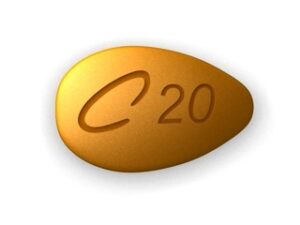
Priligy (Dapoxetine) – Patient Guide (UK)
Priligy is a medicine containing dapoxetine, used to treat premature ejaculation in adult men. This guide explains how it works, how to take it safely, what to expect, and what to discuss with a healthcare professional. It is written in a patient-friendly way for the United Kingdom.
Quick Facts
| Topic | Details |
|---|---|
| Medicinal name | Dapoxetine |
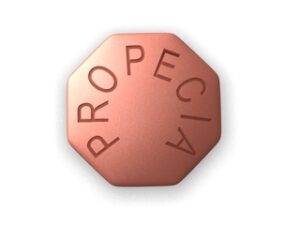
| Brand | Priligy |
| What it’s for | Premature ejaculation (in men) |
| How it’s taken | As tablets taken before sexual activity |
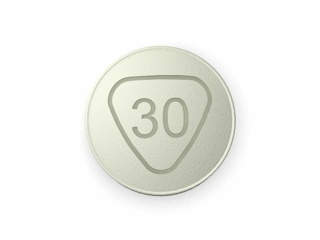
| Starting dose (typical) | 10 mg or 30 mg, depending on individual advice and tolerability |
| Maximum frequency | Usually no more than once per day |
| How long it takes to work | Often within a few hours (commonly 1–3 hours before sex) |
What is Priligy?
Priligy (dapoxetine) is an oral medicine designed to help men who experience premature ejaculation—where ejaculation happens sooner than desired, often with reduced ability to control it. It may increase control and delay ejaculation when taken as directed.
Priligy is intended for use in adult men and is taken on-demand (before planned sexual activity), rather than continuously every day.
How Priligy Works (Mechanism of Action)
Dapoxetine belongs to a group of medicines called selective serotonin reuptake inhibitors (SSRIs). It works by affecting levels of serotonin, a natural chemical in the brain involved in mood and sexual function.
By increasing serotonin activity in certain brain pathways, dapoxetine may help:
- Improve ejaculatory control
- Reduce the speed at which ejaculation occurs
- Decrease distress related to premature ejaculation
Typical Use and Who Can Benefit
Priligy is used to treat premature ejaculation in adult men. It may be considered when symptoms cause distress and when other approaches (such as behavioural techniques) have not been sufficient on their own.
Important: Premature ejaculation can have different causes (including psychological factors, stress, relationship issues, or underlying medical conditions). If you have new symptoms, severe pain, erectile difficulties, or other concerns, it is important to seek medical advice.
Indications (What it’s Indicated For)
In the UK, Priligy is indicated for the treatment of premature ejaculation in adult men.
When to Take Priligy (Timing)
Priligy is typically taken before sexual activity. Many people find it most helpful when taken at a predictable time.
- Common timing: take a dose about 1 to 3 hours before sex.
- Follow your prescribed/treatment plan: your clinician may adjust timing based on your response and tolerability.
- Maximum frequency: do not take more than once in a 24-hour period.
If you miss a planned dose, you generally should not “catch up.” Instead, take the next dose only when you need it, respecting the once-per-day rule.
Dosing (General Guidance)
Dosing may vary depending on age, tolerability, and other medicines. The sections below provide general information. Always follow the instructions supplied with your medicine.
- Initial dose: patients are often started on 10 mg or 30 mg depending on individual circumstances and tolerability.
- Adjustments: the dose may be increased if the initial dose is not sufficient and side effects are acceptable.
- Lower dose may be advised if you have a higher risk of side effects, are more sensitive to serotonergic medicines, or have specific medical conditions.
Do not exceed the recommended maximum dosing frequency. Taking more than recommended increases the risk of adverse effects such as dizziness, fainting, or serotonin-related side effects.
How to Take Priligy
- Tablet with water: swallow the tablet whole with water.
- Plan ahead: choosing the right time helps you align peak effect with sex.
- Consistency matters: using the medicine at similar times on planned occasions can help you understand your personal response.
Food Interactions
Food can influence how quickly dapoxetine reaches the bloodstream. Eating may affect the absorption timing, which can influence when you feel the effect.
- General advice: follow product instructions regarding food.
- If timing is important: consider taking your dose at a consistent time relative to meals.
If you notice that the medicine seems less effective or less predictable when taken with meals, you can discuss timing adjustments with a healthcare professional.
Alcohol and Medicine Interactions
Alcohol
Alcohol can increase the likelihood of certain side effects such as:
- Dizziness
- Light-headedness
- Fainting
For safety, it is generally recommended to be cautious with alcohol when using Priligy. Avoid excessive drinking, and seek medical advice if you experience near-fainting or fainting.
Other Medicines (Key Interaction Categories)
Dapoxetine can interact with medicines that affect serotonin and with medicines that influence blood levels of dapoxetine. Interactions can either reduce effectiveness or increase side effects.
Seek urgent advice if you take Priligy and develop symptoms such as severe agitation, confusion, fever, sweating, tremor, or muscle stiffness—these can be signs of serotonin syndrome.
- Monoamine oxidase inhibitors (MAOIs): typically not used with dapoxetine.
- Other antidepressants or SSRIs/SNRIs: may increase serotonin-related side effects.
- Medicines affecting serotonin: including linezolid, tramadol (in some cases), and certain migraine medicines.
- Strong CYP3A4 inhibitors (can raise dapoxetine levels): some antifungals (e.g., ketoconazole/itraconazole), some antibiotics (e.g., clarithromycin), and other specific medicines.
- Other medicines that lower blood pressure or affect heart rhythm may increase risks of dizziness or fainting.
If you are taking regular medicines (including over-the-counter products and herbal supplements such as St John’s wort), it’s important to check compatibility with a healthcare professional or pharmacist.
Pharmacokinetics (How the Body Handles Dapoxetine)
Pharmacokinetics describes how dapoxetine is absorbed, distributed, metabolised, and eliminated. While exact values can vary between individuals, the key points below help explain why timing and interactions matter.
- Absorption: dapoxetine is absorbed into the bloodstream after oral dosing. Food may influence absorption rate.
- Peak concentration: dapoxetine reaches maximum blood levels after administration (often within a few hours).
- Distribution: the medicine distributes into body tissues; it is processed through hepatic (liver) pathways.
- Metabolism: dapoxetine is metabolised mainly in the liver.
- Elimination: metabolites are cleared from the body, and the parent drug level falls over time.
Because dapoxetine is processed by liver enzymes, medicines that inhibit or induce these enzymes can significantly change exposure. That’s why interaction checks are critical.
Safety Profile (What to Watch For)
Like all medicines, Priligy can cause side effects. Many are mild and temporary, but some can be serious. Always read the patient information leaflet provided with your medicine.
Common Side Effects
- Nausea
- Dizziness or light-headedness
- Headache
- Diarrhoea
- Dry mouth
- Fatigue
- Insomnia or sleep disturbance (in some people)
Less Common but Important Risks
- Fainting (syncope): may occur, particularly when taking alcohol, when you stand up suddenly, or when combined with other medicines that lower blood pressure.
- Serotonin syndrome: risk increases when combined with other serotonergic drugs.
- Heart rhythm issues: if you have a heart condition or take interacting medicines, risks may be higher.
- Allergic reactions: seek urgent help if you develop swelling, rash, or breathing problems.
Seek medical help urgently if you experience fainting, severe dizziness, chest pain, unusual palpitations, severe agitation/confusion, or symptoms suggesting serotonin syndrome.
Practical Use Tips
- Start with a plan: choose a time window (commonly 1–3 hours before sex) and keep it consistent for your first few attempts.
- Hydrate and avoid dehydration: dehydration can worsen dizziness.
- Be cautious when standing up: dizziness can be more noticeable when you change position.
- Consider stress and anxiety: anxiety can worsen premature ejaculation; behavioural strategies can still help alongside medication.
- Track your experience: note timing, dose, side effects, and perceived benefit to discuss with your clinician.
If you don’t notice benefit after a reasonable period, or if side effects are bothersome, stop and seek advice rather than increasing frequency. Your dose and suitability should be reviewed.
Alternative Options
Premature ejaculation can be treated in several ways. Alternatives may include:
- Behavioural approaches: techniques to improve control (e.g., stop-start methods, sensate focus).
- Psychosexual therapy or counselling: helpful for anxiety, relationship concerns, or learned patterns.
- Topical treatments: numbing creams or sprays can reduce sensitivity for some men.
- Other medication strategies: some medicines may be considered depending on the individual case and local guidance.
A healthcare professional can help compare options based on your history, other health conditions, and the medicines you already take.
UK Market & Legal Context (Medicines Information)
In the United Kingdom, medicines are regulated to ensure quality, safety, and appropriate use. Priligy contains an active ingredient (dapoxetine) that is authorised for specific indications. Availability through UK pharmacies follows applicable rules on supply, identification, and patient safety checks.
If you are unsure whether Priligy is appropriate for you, a qualified healthcare professional or pharmacist can help. Do not use this medicine if you have been advised against it, especially due to cardiovascular history, certain psychiatric conditions, or significant drug interactions.
Recent Guidance and Safety Considerations
Safety guidance for dapoxetine focuses on avoiding harmful interactions and reducing risks of dizziness, fainting, and serotonin-related reactions. Always use the most up-to-date information provided with your medicine and follow healthcare professional advice.
- Interaction screening: check all medicines and supplements before starting.
- Risk assessment: special caution may be needed if you have heart rhythm problems, low blood pressure, or other relevant conditions.
- Alcohol caution: limiting alcohol reduces the chance of dizziness or fainting.
Guidance can change over time, so it’s wise to review the latest product leaflet and speak to a pharmacist if you have questions.
Delivery and Availability (UK)
Priligy may be available through online pharmacy services that operate in the UK market. Availability can vary by strength (for example, tablets may come in different dose sizes).
- Stock checks: some online services may show real-time availability.
- Packaging: medicines are typically dispatched in secure packaging with patient information included.
- Delivery times: delivery estimates depend on service level and location within the UK.
If you need help choosing the right strength or understanding your instructions, contact the pharmacy service directly.
FAQ – Frequently Asked Questions
1) How quickly does Priligy work?
Many people experience effect within a few hours of taking dapoxetine. A common approach is to take it about 1–3 hours before sex, but individual responses vary.
2) Can I take Priligy every day?
Priligy is generally intended for on-demand use before sexual activity. It is usually limited to no more than once per 24 hours. Do not exceed the recommended maximum frequency.
3) What if I drink alcohol?
Alcohol may increase dizziness and the risk of fainting. It’s best to avoid excessive drinking. If you feel light-headed, stop alcohol and seek advice.
4) Can I take Priligy with other antidepressants?
Combining dapoxetine with other serotonergic medicines can increase the risk of serious side effects. You should not start or combine medicines without checking compatibility with a pharmacist or healthcare professional.
5) Will Priligy cure premature ejaculation?
Priligy helps manage symptoms by improving control and delaying ejaculation when taken as directed. It may not “cure” the condition permanently, but many people benefit from its effects and may also use behavioural strategies alongside medication.
6) Is Priligy suitable for everyone?
No. Suitability depends on your medical history, other medicines, and potential risk factors. People with certain heart conditions, significant drug interactions, or other contraindications may need different treatment.
7) What should I do if I miss a dose?
If you planned to take it but missed the timing, do not take it late to “catch up.” Instead, take the next dose only when needed and only within the once-per-day limit.
8) What side effects are most concerning?
While many side effects are mild, seek urgent help if you faint, experience severe dizziness, have chest pain or palpitations, or develop symptoms that could suggest serotonin syndrome.
9) Does food affect Priligy?
Food can influence absorption and the timing of effect. For predictable results, follow the product instructions and consider using a consistent timing relative to meals.
10) Can I use Priligy if I have erectile difficulties too?
Some men with premature ejaculation also experience erectile dysfunction, but they may require assessment for additional treatment. Discuss your full sexual health history so the most appropriate approach is chosen.
Final Reminder
Priligy (dapoxetine) can be an effective treatment option for premature ejaculation for suitable adults. To use it safely, follow dosing instructions carefully, respect maximum daily limits, and ensure that potential interactions—especially with serotonergic medicines and alcohol—are considered. If you have concerns about side effects or compatibility with other medicines, speak to a pharmacist or healthcare professional.