Cleocin (Clindamycin) – Patient Information (UK)
Cleocin is a brand of clindamycin, an antibiotic used to treat a range of bacterial infections. This page explains what Cleocin is, how it works, how it’s usually taken, and important safety information to help you use it more confidently.
Always follow the instructions provided by your healthcare professional and read the leaflet supplied with your medicine. If you are unsure about anything, speak to a pharmacist or clinician.
Quick Overview
- Medicine: Cleocin (clindamycin)
- Type: Antibiotic (lincosamide)
- Used for: Certain bacterial infections, often when caused by susceptible organisms
- Common forms: Capsules and other formulations depending on availability
- Key safety point: Can rarely cause serious diarrhoea (including Clostridioides difficile)
Basic Product Information
What is clindamycin?
Clindamycin is a prescription-only antibiotic that works against many bacteria responsible for skin, dental, and certain other infections. It does not work against viral illnesses such as colds or flu.
How to recognise it
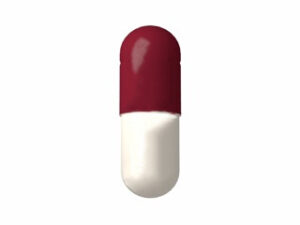
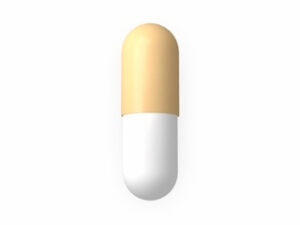
Cleocin is typically supplied as capsules (strengths vary by product). Check your packaging for the exact strength (e.g., mg per capsule) and your directions for use.
How it is supplied in the UK
In the United Kingdom, antibiotics such as clindamycin are regulated medicines. Supply depends on the specific product form, strength, and current availability with UK suppliers.
Mechanism of Action
Clindamycin kills or stops the growth of bacteria by interfering with their ability to make proteins. It does this by binding to the 50S ribosomal subunit of susceptible bacteria, thereby blocking protein synthesis.
- Result: Reduced growth of bacteria and, depending on the organism and concentration, bacterial death.
- Spectrum: Active against many anaerobic bacteria and certain Gram-positive organisms.
Effectiveness depends on the likely bacteria causing the infection and their susceptibility to clindamycin. Your clinician may choose it based on infection type, location, severity, allergies, and local resistance patterns.
Pharmacokinetics (How the Body Handles It)
Pharmacokinetics describes how the body absorbs, distributes, metabolises, and eliminates a medicine. Below is a practical, patient-friendly summary.
Absorption
Clindamycin is absorbed after oral administration. Food may slightly affect absorption rate, but it generally does not prevent the medicine from working as intended.
Distribution
After absorption, clindamycin distributes into body tissues. It may reach infection sites, including areas such as skin and abscesses, depending on the infection.
Metabolism
The medicine is metabolised in the body (primarily in the liver) into other compounds.
Elimination
Clindamycin and its metabolites are eliminated mainly via the kidneys and/or bile and gut route. The exact balance can vary among individuals.
If you have significant liver or kidney impairment, dosing and monitoring may require adjustment by your healthcare team.
Typical Uses (Indications) in Plain Language
Cleocin/clindamycin may be used for infections caused by susceptible bacteria. Common examples include:
- Skin and soft tissue infections (where bacteria are susceptible)
- Dental infections, including some types of abscess-related infections
- Infections involving anaerobic bacteria (bacteria that grow without oxygen)
- Gynecological infections in specific situations (choice depends on suspected organism and local guidelines)
- Bone and joint infections in some cases, depending on severity and microbiology
The exact indication and duration depend on the infection type, severity, and response to treatment. Not every infection is suitable for clindamycin—other antibiotics may be preferred depending on the cause.
When to Take Cleocin (Timing & Dosing Schedule)
The dosing schedule varies by infection, severity, and your personal factors. Below are general guidance points commonly used with oral clindamycin. Your prescription instructions (or clinician’s directions) should always be followed precisely.
Typical adult dosing (general information)
Common adult regimens may include doses taken two to four times daily, depending on the strength and indication. For example, some regimens are written in terms of total daily dose divided into multiple administrations.
Important: Because strengths and schedules differ between products, always confirm:
- the mg strength per capsule/tablet
- the number of doses per day
- the timing (e.g., morning/evening or every 6–8 hours)
How to space doses
- If taking twice daily: try to space doses about 12 hours apart (e.g., 8am and 8pm).
- If taking three times daily: aim for roughly 8 hours apart.
- If taking four times daily: aim for roughly 6 hours apart.
If you miss a dose, do not double up to “catch up” unless your clinician or pharmacist specifically advises it. Instead, take the next dose at the scheduled time.
Course length
Antibiotic courses are typically tailored to the infection and response to treatment. Even if you feel better, you should generally finish the course as instructed to reduce the risk of relapse and resistance.
Food Interactions
Clindamycin is generally not strongly affected by food, but it can be helpful to take it consistently the same way each day. Some people find it causes mild stomach upset, and food may reduce this discomfort.
- Taking with food: often acceptable and may improve tolerability.
- Taking without food: may be possible depending on product instructions and your tolerance.
If your leaflet or pharmacist advises a specific approach (e.g., “with a meal” or “on an empty stomach”), follow that guidance.
Alcohol and Medicine Interactions
Alcohol
While a strict “no alcohol” rule is not always stated for clindamycin, drinking alcohol while you have an infection or during antibiotic treatment can:
- worsen dehydration or stomach upset
- reduce sleep quality and slow recovery
- increase the likelihood of side effects such as nausea
For best tolerance and recovery, it’s often recommended to avoid alcohol during the course or keep it to a minimum.
Other medicine interactions (general overview)
Tell your pharmacist or clinician about all medicines you use, including over-the-counter products and herbal remedies. This is especially important for medicines that can affect the gut, liver, or blood clotting, or that are known to interact with antibiotics.
Examples of interaction considerations:
- Other antibiotics: may influence effectiveness or side-effect risk.
- Medicines that affect gut movement: could theoretically influence side effects such as diarrhoea.
- Warfarin (or other anticoagulants): some antibiotics can affect clotting in certain people; if you take warfarin, you may need additional monitoring.
- Neuromuscular blocking agents: in hospital settings, clindamycin is not commonly used for this purpose, but muscle-relaxant interactions are handled by clinicians.
This list is not complete. Your pharmacist can check specific interactions for your medicines and the exact Cleocin product you’re receiving.
Safety Profile & Important Warnings
Common side effects
Many people tolerate clindamycin well. However, side effects can occur.
- Diarrhoea or loose stools
- Nausea and/or stomach discomfort
- Headache
- Skin rash
- Vaginal thrush (in some people)
Serious warning: Clostridioides difficile (C. difficile)
Antibiotics can sometimes alter the natural bacteria in the gut, allowing C. difficile to overgrow. This can lead to antibiotic-associated colitis, which may be severe and needs prompt medical attention.
Seek urgent medical advice if you develop:
- watery diarrhoea, especially if frequent
- diarrhoea with blood or mucus
- severe or persistent abdominal cramps
- fever
- significant dehydration
Do not self-treat with anti-diarrhoea medicines unless a clinician advises you, because the priority is to assess for possible C. difficile infection.
Allergic reactions
Stop taking clindamycin and seek medical advice urgently if you have signs of allergy, such as:
- swelling of the face, lips, tongue, or throat
- difficulty breathing
- severe skin rash, blistering, or peeling
Liver or kidney problems
If you have liver disease, your clinician may monitor your liver function or adjust the course. If you have kidney problems, dosing may need consideration. Always seek guidance for personalised advice.
Children and special populations
Clindamycin dosing in children is weight- and age-dependent and must be guided by a clinician. For safety, do not use adult dosing guidance for children.
Practical Use Tips (How to Take Cleocin Safely)
- Stick to a routine: taking doses at similar times each day helps maintain steady levels.
- Complete the course: even if symptoms improve quickly, finishing the course reduces risk of recurrence.
- Stay hydrated: especially if you experience mild stomach upset or loose stools.
- Watch for warning symptoms: be alert for severe diarrhoea or allergy signs during treatment and for several weeks after.
- Consider probiotics carefully: some people ask about probiotics to support gut health. Evidence varies, and you should seek advice, particularly if you have severe illness or immunocompromise.
- Keep track: note the time each dose is taken to avoid missed doses.
Alternative Options
If clindamycin isn’t suitable (for example, due to allergy, intolerance, or resistance patterns), clinicians may consider other antibiotics depending on the infection type. Alternatives may include:
- Amoxicillin (or amoxicillin-clavulanate) for certain bacterial infections
- Metronidazole for anaerobic infections in specific situations (often used with other antibiotics)
- Doxycycline for selected infections depending on local guidance and organism
- Macrolides (e.g., erythromycin/clarithromycin) in some cases
- Cephalosporins in certain clinical scenarios
The best alternative depends on:
- the suspected bacteria
- where the infection is
- severity and whether it is complicated
- your medical history, including previous antibiotic reactions
- local antibiotic resistance guidance
UK Market & Legal/Guidance Context
Antibiotics in the UK are supplied under regulatory and professional frameworks designed to support appropriate use and reduce antimicrobial resistance. Cleocin (clindamycin) is an established antibiotic, and its availability and prescribing practices are influenced by national guidance and local antimicrobial stewardship.
Antimicrobial stewardship
The UK places strong emphasis on using antibiotics only when needed, selecting the most appropriate option, and reviewing treatment when microbiology results are available. This helps protect individuals and preserves antibiotic effectiveness for the future.
Recent guidance (high-level)
While specific recommendations can vary by infection type, UK practice generally follows principles such as:
- confirming the most likely cause (bacterial vs viral)
- choosing an antibiotic based on likely organisms and susceptibility
- using the narrowest effective antibiotic when possible
- reviewing therapy if there is no improvement
- providing safety advice on antibiotic-associated diarrhoea and allergic reactions
For individual clinical decisions, clinicians may refer to national guidance and local formularies, as well as microbiology reports where available.
Delivery and Availability (UK Online Pharmacy)
Availability of specific Cleocin products can vary due to supply chain updates, stock levels, and manufacturer distribution. When ordering online, the website may show:
- current stock status
- pack size options
- delivery time estimates
- order cut-off times for next-day or standard delivery
Delivery considerations:
- Orders may be dispatched from UK-licensed facilities.
- Packaging should protect capsules/tablets from damage.
- Always check the package against the product description on delivery.
If you need urgent treatment for a serious infection, consider contacting your healthcare service rather than relying solely on delivery times.
How to Store Cleocin
Store your medicine according to the instructions on the pack. In general:
- Keep out of sight and reach of children.
- Store at the temperature stated on the label (commonly “below 25°C”, unless otherwise specified).
- Keep in the original packaging to protect from light and moisture if instructed.
FAQ – Cleocin (Clindamycin)
1) What infections is Cleocin used for?
Cleocin (clindamycin) is used for certain bacterial infections, including some skin, dental, anaerobic, and other susceptible infections. The correct choice depends on the likely bacteria and your clinical situation.
2) How quickly should I feel better?
Many people notice improvement within 24–72 hours, depending on the infection and severity. If there is no improvement after a few days or symptoms worsen, contact a healthcare professional for review.
3) Can I take Cleocin on an empty stomach?
Some people can take clindamycin without food, but it may cause stomach upset. If your instructions allow it, taking with food can improve tolerability. Follow the exact directions on your medicine label or leaflet.
4) Is Cleocin safe with other medicines?
Clindamycin can interact with certain medicines, and individual risks vary. Tell your pharmacist or clinician about all medicines and supplements you take, including warfarin and any medicines for gut or blood clotting.
5) What should I do if I miss a dose?
Take the next dose when due. Do not double the dose to make up for the missed one unless a healthcare professional advises you to.
6) What if I get diarrhoea while taking clindamycin?
Mild diarrhoea can occur. However, if you develop severe diarrhoea (especially watery or with blood), fever, or significant abdominal pain, seek medical advice promptly due to the risk of C. difficile.
7) Can I drink alcohol while taking Cleocin?
It’s usually best to avoid or minimise alcohol during treatment, as it may worsen stomach upset and recovery. If you choose to drink, do so cautiously and stop if you feel unwell.
8) Can I stop Cleocin early if I feel better?
Generally, you should complete the course as directed. Stopping early can allow infection to return and may contribute to antibiotic resistance.
9) Is clindamycin active against viruses?
No. Antibiotics like clindamycin treat bacterial infections and do not work against viral illnesses such as colds, flu, or most sore throats caused by viruses.
10) Are there long-term risks?
Most people do not experience long-term issues, but antibiotics can sometimes cause gut changes and, rarely, serious diarrhoea. If you have persistent or severe symptoms after completing treatment, contact a clinician.
Summary
Cleocin (clindamycin) is an antibiotic that works by blocking bacterial protein synthesis. It’s used for specific bacterial infections, often including those involving anaerobes and certain skin/dental infections. While many people tolerate it well, it’s important to watch for side effects—especially severe diarrhoea or allergy symptoms. Taking the medicine at the right times, following course instructions, and seeking advice promptly if you feel worse can help you use Cleocin safely and effectively.
Disclaimer: This information is for general guidance and does not replace personalised advice from a healthcare professional.