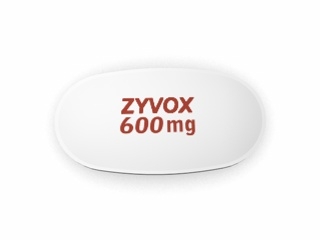

Zyvox (Linezolid) – Patient-Friendly Guide (UK)
Zyvox is the brand name of linezolid, an antibiotic used to treat certain serious bacterial infections. This guide is designed to be easy to read and helpful for understanding how the medicine works, how it is usually taken, and what to watch for.
Always follow the advice given by your healthcare professional and the information in the package leaflet supplied with your medicine. If you have questions about your specific condition, do not hesitate to seek medical advice.
Quick overview
| Topic | What you should know |
|---|---|
| Medicine | Linezolid (Zyvox) |
| How it works | Stops bacteria from making essential proteins |
| Common forms | Oral tablets or oral suspension (and hospital use may include IV in some settings) |
| Typical dosing (adults) | Often 600 mg twice daily for selected infections |
| Food | Generally can be taken with or without food |
| Key safety note | Can interact with certain medicines (especially serotonergic drugs and some blood pressure medicines) |
| Monitoring | Longer courses may require blood count monitoring |
Basic product information
Zyvox (linezolid) belongs to a group of antibiotics called oxazolidinones. It is used against certain Gram-positive bacteria, including some strains that may be resistant to other antibiotics.
In the UK, linezolid is commonly supplied as tablets or oral suspension for appropriate infections. Your pharmacy or prescriber will confirm the exact strength and form you receive.
What linezolid is used for
- Serious infections caused by susceptible Gram-positive organisms
- Infections where options are limited due to resistance or clinical factors
- Selected complicated infections under specialist guidance
How Zyvox works (mechanism of action)
Linezolid works by inhibiting bacterial protein synthesis. Specifically, it binds to a part of the bacterial ribosome (the 23S ribosomal RNA component of the 50S subunit). Without the ability to build proteins, bacteria cannot multiply effectively and the infection may improve.
Key points:
- It acts against many Gram-positive bacteria.
- It is often chosen when bacteria are resistant to other antibiotic classes.
- It generally has good oral bioavailability, meaning oral dosing often achieves levels comparable to intravenous dosing.
Pharmacokinetics: how your body processes it
“Pharmacokinetics” describes what the body does with the medicine—absorption, distribution, metabolism, and elimination. Understanding these basics can help explain why taking it consistently matters.
Absorption
Linezolid is absorbed well from the gut when taken by mouth. This is one reason oral and (in some clinical settings) intravenous forms can be interchangeable in certain cases.
Distribution
After absorption, linezolid spreads through body tissues and can reach sites of infection. The distribution supports its use in various serious bacterial infections.
Metabolism and elimination
Linezolid is partly broken down (metabolised) in the body. Its metabolites and the drug are eliminated mainly through the kidneys and to some degree through other pathways.
Half-life (overall duration in the body)
Linezolid has a half-life that supports dosing typically given twice daily for many adult regimens. Your healthcare professional may adjust the plan based on your age, kidney function, liver function, and the specific infection.
Typical use in the UK: timing and course length
Timing is important because antibiotics are most effective when their level in the body stays within the target range.
How to take it
- Many adult regimens for selected infections use 600 mg twice daily. (The exact dose and duration can vary by infection type and clinical circumstances.)
- Try to take doses at roughly 12-hour intervals, for example: morning and evening.
- Continue for the full course advised even if you feel better sooner.
How long it’s usually used
Treatment duration depends on the infection and your response. Courses can range from shorter periods for certain conditions to longer durations for more complex infections. Longer courses may increase the need for blood tests (for example, to check blood counts).
Indications: when Zyvox may be used
Linezolid is indicated for the treatment of certain infections caused by susceptible Gram-positive bacteria, including infections where methicillin-resistant organisms may be involved. The exact indication depends on your local UK prescribing guidance and product SmPC/leaflet information.
Commonly considered infections include:
- Pneumonia where causative Gram-positive organisms are suspected or confirmed
- Skin and soft tissue infections (including complicated cases)
- Other serious Gram-positive infections in adults and selected paediatric settings
- In some cases, infections due to vancomycin-resistant organisms (specialist-led decisions)
Your clinician will decide whether Zyvox is appropriate based on culture results, suspected bacteria, severity of illness, and your medical history.
Dosing: general information
Dosing must be individualised. The information below is a general guide to help you understand what your prescription may look like. Always follow the exact dose written for you.
Adults (general example)
- A common adult regimen is 600 mg twice daily for certain serious infections.
Children and adolescents
Paediatric dosing may differ and is often based on age and weight, especially for suspensions. Follow the dosing instructions provided for the specific product strength.
People with kidney or liver issues
In some patients, dose adjustment or extra monitoring may be needed, depending on kidney function, liver function, and overall health. Tell your clinician if you have kidney impairment, liver disease, or are receiving dialysis.
If you miss a dose
- Take the missed dose as soon as you remember unless it is close to the next dose.
- Do not take a double dose to make up for the missed one.
- If you are unsure, contact your pharmacy or healthcare professional for advice.
Food interactions: can you take Zyvox with meals?
Most people can take linezolid with or without food. In clinical practice, it is typically acceptable to take it after meals if that helps with stomach comfort.
However, linezolid can have special interactions with certain foods and drinks due to its effect on monoamine pathways in the body. This is one reason clinicians advise avoiding certain items, particularly if you take other interacting medicines.
Practical food guidance
- Avoid or limit foods and drinks that are very high in tyramine, especially if you are also taking interacting medicines.
- Check your leaflet for a tailored list of items to avoid.
- If you are unsure, ask your pharmacist for guidance based on your other medicines.
If you experience severe headache, flushing, chest pain, or palpitations after certain foods, seek urgent medical attention.
Alcohol and medicine interactions
Alcohol with Zyvox
There is no single universal “safe” alcohol rule for everyone using linezolid. In general, it is wise to avoid or minimise alcohol while taking antibiotics, because illness, dehydration, sleep disruption, and stomach effects can be worsened.
- Alcohol may increase the chance of side effects such as dizziness, nausea, or worsening gastrointestinal upset.
- If you are also taking other interacting medicines, alcohol can complicate symptoms (such as headache or changes in blood pressure).
For personalised advice, ask your pharmacist—particularly if you have liver disease or take multiple medicines.
Major medicine interactions to know about
Linezolid can interact with medicines that affect serotonin and monoamine pathways. These interactions can occasionally cause serious adverse effects. Before starting Zyvox, tell your healthcare professional about all medicines you take, including over-the-counter products and herbal remedies.
Serotonin-related medicines (important)
Linezolid can increase the risk of serotonin syndrome when combined with certain drugs that increase serotonin.
- Some antidepressants (for example, SSRIs and others)
- Some migraine medicines (triptans)
- Some opioid pain medicines with serotonergic properties
- Other medicines that increase serotonin
Seek urgent medical advice if you develop symptoms such as:
- High temperature (fever), sweating
- Shaking/tremor, muscle stiffness
- Agitation, confusion
- Fast heartbeat, high blood pressure
- Severe diarrhoea
Blood pressure medicines and related interactions
Some medicines used for blood pressure or other conditions may interact with linezolid. This can be due to effects on monoamine oxidase (MAO) pathways.
Always disclose your full medication list, particularly:
- Medicines for high blood pressure
- Some decongestants and stimulants
Other common considerations
- Warfarin (anticoagulant): may increase bleeding risk in some situations. Close monitoring of INR may be needed.
- Medicines that affect blood counts: linezolid can influence blood cell production in longer courses, so clinicians may monitor more closely.
- Herbal products (for example St John’s wort) may increase interaction risk and should be discussed.
If you start any new medicine (including over-the-counter products) while on Zyvox, check with your pharmacist first.
Safety profile: possible side effects and when to seek help
Like all medicines, linezolid can cause side effects. Not everyone will experience them, and many are mild and temporary. However, some side effects can be serious—especially during longer treatment.
Common side effects
- Headache
- Nausea or vomiting
- Diarrhoea
- Changes in taste
- Skin rash (less common)
Less common but important side effects
- Changes in blood cells (for example, low platelets or anaemia), particularly with courses longer than about 2 weeks. This is why blood tests may be recommended.
- Eye or vision problems such as blurred vision, reduced colour perception, or visual changes—risk may be higher with prolonged use.
- Neuropathy (nerve problems) including numbness, tingling, or burning sensations, especially during longer courses.
- Lactic acidosis (rare): symptoms may include unusual tiredness, fast breathing, or persistent vomiting.
Serious allergic reaction (seek urgent help)
Contact emergency services or seek urgent medical care if you experience:
- Swelling of the face, lips, tongue, or throat
- Difficulty breathing
- Severe rash with blistering or peeling
Diarrhoea warning
Antibiotics can sometimes cause diarrhoea. If you develop severe, persistent diarrhoea (especially with fever or blood/mucus), contact a healthcare professional promptly, as this may require urgent treatment.
Practical use tips (to get the best results)
- Stick to the schedule: take doses about 12 hours apart if prescribed twice daily.
- Complete the course: stopping early can allow infection to return or worsen.
- Keep notes: if you have any side effects or missed doses, write them down to discuss with your clinician.
- Hydrate: drink enough fluids unless you have fluid restrictions.
- Watch your vision and nerves: report blurred vision, colour changes, numbness, tingling, or burning sensations early.
- Medication check: review your full medicine list (including OTC and herbal products) with your pharmacist.
- Attend monitoring: if blood tests are requested, attend as scheduled—especially for longer courses.
Alternative options to Zyvox
The “best” antibiotic depends on the infection type, suspected bacteria, culture results, local resistance patterns, and your personal health factors. A healthcare professional will choose alternatives when linezolid is not suitable.
Possible alternative antibiotics for appropriate Gram-positive infections may include:
- Vancomycin (often IV in hospital settings for suitable cases)
- Daptomycin (often hospital-led, IV use)
- Teicoplanin or other glycopeptides (selected cases)
- Clindamycin for some skin/soft tissue infections (depending on susceptibility)
- Other agents guided by local guidance based on culture and susceptibility
If you need an alternative due to side effects, interactions, or resistance concerns, discuss options promptly with your healthcare team.
UK market and legal context (how it is used and supplied)
In the United Kingdom, linezolid is a widely used prescription-only antibiotic in appropriate clinical circumstances under NHS and private care. Medicines are supplied in line with UK medicines legislation and prescribing standards.
Because of its potential for important drug interactions and side effects—particularly with longer use—linezolid is typically reserved for cases where it is clinically indicated. The UK also emphasises antibiotic stewardship, aiming to use antibiotics responsibly to reduce resistance and protect patient safety.
Recent guidance and stewardship themes (UK)
UK practice continues to focus on:
- Choosing antibiotics based on likely pathogens and (where possible) culture results
- Reviewing therapy regularly to narrow or stop antibiotics when appropriate
- Monitoring where linezolid-specific risks apply (for example, blood counts and vision/neuropathy symptoms)
- Ensuring healthcare professionals consider drug–drug interactions before starting and during treatment
Your prescriber and pharmacist may use local protocols, NHS guidance, and manufacturer information (SmPC/leaflet) to ensure safe use.
Delivery and availability in the UK
Availability can depend on the form and strength of Zyvox (tablets or oral suspension) and local supply. Many online pharmacies in the UK may offer delivery directly to your address where permitted.
What affects dispatch time
- Stock availability of the exact formulation
- Strength and pack size required
- Verification steps required by UK pharmacy regulations
How it is usually packaged
Your medicine is typically supplied in a sealed outer pack or blister/tins suitable for patient use, along with a patient leaflet. Check the expiry date and storage instructions when it arrives.
If your order is urgent, contact the pharmacy support team as soon as possible—some services can offer faster options where available.
Storage
- Store at the temperature stated on the package leaflet.
- Keep out of the sight and reach of children.
- Do not use after the expiry date.
- Follow guidance on disposal if you have unused medicine.
FAQ: Common questions about Zyvox (linezolid)
1) What is Zyvox used for?
Zyvox (linezolid) is an antibiotic used for specific serious infections caused by susceptible Gram-positive bacteria. Your clinician will select it based on the infection type and the likely or confirmed bacteria.
2) Can I take Zyvox with food?
Yes. Linezolid is generally safe to take with or without food. If it upsets your stomach, taking it with a meal can help.
3) How often is Zyvox usually taken?
Many adult regimens are taken twice daily. The exact dose and frequency depend on your infection and individual factors.
4) What should I do if I forget a dose?
Take the missed dose when you remember unless it is close to the next scheduled dose. Do not take a double dose. If unsure, ask your pharmacy.
5) Are there foods I need to avoid?
Linezolid can interact with high-tyramine foods/drinks. Check the patient leaflet for specific items to avoid and follow advice tailored to your situation.
6) Can I drink alcohol while taking Zyvox?
It’s best to avoid or minimise alcohol during antibiotic treatment. Alcohol may worsen side effects and make it harder to feel well. If you have specific conditions (such as liver disease), ask your pharmacist for personalised advice.
7) Which medicines interact with linezolid?
Important interactions include certain antidepressants and other serotonergic medicines (risk of serotonin syndrome), and some blood pressure medicines (monoamine-related interactions). Tell your pharmacist about all prescription, over-the-counter, and herbal products.
8) What side effects are most concerning?
Report symptoms like vision changes, numbness/tingling (nerve symptoms), severe or persistent diarrhoea, unusual bruising/bleeding, or signs of an allergic reaction urgently. With longer courses, blood monitoring may be needed.
9) Why might I need blood tests?
Linezolid can affect blood cell production in some people, especially during longer treatment. Blood tests help your healthcare team detect problems early.
10) Are there alternatives if Zyvox isn’t suitable?
Yes. Alternatives depend on the infection and bacteria involved. Examples might include other antibiotics such as vancomycin or daptomycin, but the choice must be made by a healthcare professional.
11) When should I expect to feel better?
Many people start to feel some improvement within a few days, but this varies by infection severity and the organism. If you are not improving as expected or you worsen, contact your healthcare team promptly.
Important reminder
Zyvox (linezolid) can be highly effective when used appropriately, but it has important interaction and safety considerations. Take it exactly as directed, review your medicines with your pharmacist, and seek medical help if you experience worrying symptoms.