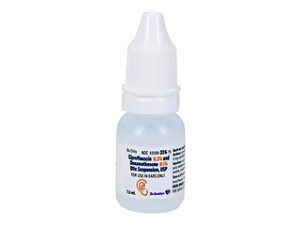


Chloromycetin (Chloramphenicol) – Patient-Friendly Guide
Chloromycetin is the brand name of chloramphenicol, an antibiotic used to treat certain serious bacterial infections. It is an older medicine with a narrow role today because of potential side effects. In the UK, chloramphenicol products are available in specific forms (such as eye drops/ointments and other presentations depending on supply), and their use is typically reserved for situations where it is appropriate and beneficial.
This guide explains how chloramphenicol works, what it’s used for, how it’s taken, safety considerations, and practical tips to help you use it correctly.
Quick facts
- Active ingredient: Chloramphenicol
- Medicinal class: Antibiotic (bacteriostatic in many settings)
- Common forms: Depending on product availability (for example, eye preparations)
- Use in UK: Typically for specific indications under clinical assessment
- Key safety note: Rare but serious blood-related adverse effects have historically limited its use
What is Chloromycetin?
Chloromycetin is a brand of chloramphenicol. Chloramphenicol works against susceptible bacteria by interfering with their ability to make essential proteins. Because of safety concerns—particularly effects on the blood (including rare fatal bone marrow suppression)—chloramphenicol is generally used only when the benefits outweigh the risks.
In the UK, availability and the exact product strength vary by presentation and manufacturer. Always follow the instructions provided with your specific product.
Basic product information (typical)
| Category | Information |
|---|---|
| Generic name | Chloramphenicol |
| Brand name | Chloromycetin (and related brand equivalents depending on product) |
| Type | Antibiotic medicine |
| Common uses | Selected bacterial infections (e.g., eye infections caused by susceptible bacteria) |
| Safety considerations | Rare blood disorders; seek urgent advice if symptoms occur |
| Availability | Dependent on formulation and local supply in the UK |
How chloramphenicol works (mechanism of action)
Chloramphenicol inhibits bacterial protein synthesis. It binds to the 50S ribosomal subunit of susceptible bacteria, blocking the formation of proteins required for bacterial growth and replication.
In many cases it acts as a bacteriostatic antibiotic, meaning it stops bacteria multiplying while your immune system clears the infection. The exact effect can vary depending on the organism, concentration, and site of infection.
Pharmacokinetics (how the body handles it)
“Pharmacokinetics” describes what the body does with a medicine—absorption, distribution, metabolism, and elimination. The details can differ by route (for example, eye drops vs. other formulations).
Absorption
- Topical/eye use: Some absorption can occur through ocular tissues and surrounding areas.
- Systemic exposure: Typically lower with local eye preparations compared with oral dosing, but absorption may still occur.
Distribution
When absorbed systemically, chloramphenicol can distribute throughout body tissues. It may also cross certain biological barriers in some circumstances.
Metabolism
Chloramphenicol is metabolised primarily in the liver. Enzyme activity can influence how quickly the medicine is cleared.
Elimination
The medicine and its metabolites are eliminated largely via the kidneys and through metabolism. Elimination can be slower in some patients depending on liver and kidney function.
If you want guidance specific to your product form, check the leaflet provided with your medicine or ask your pharmacist.
What is Chloromycetin used for? (indications)
Chloromycetin is used for certain bacterial infections caused by susceptible organisms. Because antibiotic resistance and safety considerations are important, its use is typically targeted.
Common clinical indications (depending on product form) may include:
- Bacterial eye infections such as conjunctivitis and blepharitis caused by susceptible bacteria (as advised by healthcare professionals).
- Other local bacterial infections where chloramphenicol is specifically indicated and appropriate.
Chloromycetin is not effective against viral infections (for example, many cases of cold-related conjunctivitis). Using antibiotics when they are not needed can contribute to resistance and delay recovery.
When to take it and timing tips
The correct timing depends on your particular formulation (for example, eye drops vs ointment) and the infection being treated. Always follow the instructions from the product label and the accompanying leaflet.
General timing principles:
- Space doses evenly through the day to maintain activity.
- Complete the full course as instructed, even if symptoms improve early.
- Don’t double up if you miss a dose—use the next dose at the scheduled time.
If your regimen is frequent (for example, several times daily for eye preparations), setting phone reminders can help you stay consistent.
Dosing – what you need to know
Dosing is specific to the formulation and indication. Chloromycetin is not one-size-fits-all, and the dose you should use can differ between:
- different presentations (e.g., eye drops vs ointment),
- adult versus child dosing where relevant,
- severity and type of infection,
- individual factors such as liver function and overall health.
How to use dosing information safely:
- Use the dose and frequency printed on your medicine or in the patient information leaflet.
- If you are unsure, ask a pharmacist to help you interpret the instructions.
- Never increase the dose to “try to work faster” because this can increase side effects.
Important: If your symptoms are not improving within the expected time, or they worsen, seek medical advice promptly rather than continuing without review.
Food interactions
Food interactions depend on the route and formulation. For local eye treatments, food is usually not a direct factor. For any systemic use, taking with or without food may affect tolerability.
Practical takeaway:
- If you are using eye drops/ointment: you generally do not need to change your diet.
- If you are using another formulation: check the leaflet for specific advice. If in doubt, ask a pharmacist.
Alcohol and medicine interactions
For many antibiotics, moderate alcohol does not always cause a direct chemical interaction, but it can affect your body’s recovery and may worsen side effects such as dizziness, nausea, or fatigue. The most important safety step is to avoid alcohol if it makes you feel unwell or if you are taking other medicines that interact with it.
Because chloramphenicol’s systemic exposure varies by formulation, it’s safest to:
- avoid heavy or frequent alcohol intake while you are treating an infection,
- tell your pharmacist about any medicines you take regularly, including over-the-counter products and supplements.
If you are using chloramphenicol alongside other treatments (for example, anti-inflammatory drops, glaucoma medicines, or systemic medications), ensure there are no schedule conflicts—especially for eye products where the order of application matters.
Safety profile – who should be cautious?
Chloramphenicol has an important safety history. While many people tolerate chloramphenicol without problems, rare but serious blood disorders have been reported, including bone marrow suppression. Some effects are associated more with prolonged or repeated use and with higher systemic exposure.
Common side effects
Side effects vary by formulation. With eye preparations, possible effects include:
- temporary stinging or burning in the eye,
- irritation, redness, or watery eyes,
- temporary blurred vision (particularly with ointment).
Serious side effects – seek urgent help
Contact urgent care or seek medical advice immediately if you develop signs of severe allergic reaction or significant systemic illness, such as:
- swelling of the face, lips, or throat,
- difficulty breathing, wheezing, or widespread rash,
- unusual bruising or bleeding, persistent fever, severe tiredness, or recurrent infections (possible blood-related effects).
Before using chloramphenicol, tell a healthcare professional if you have:
- a history of blood disorders or bone marrow problems,
- significant liver disease,
- previous severe reactions to chloramphenicol or similar medicines,
- complex eye conditions (for eye products), including severe pain or vision changes.
This is especially relevant for children, older adults, and anyone receiving other medicines that affect blood counts or immunity.
Practical use tips (especially for eye preparations)
Using eye medicines correctly improves effectiveness and reduces contamination risk. The steps below are general and may need adapting for your specific brand and formulation.
How to apply eye drops
- Wash your hands thoroughly before use.
- Avoid touching the dropper tip to the eye, eyelids, or surrounding skin.
- Tilt your head back, gently pull down the lower eyelid, and place the prescribed number of drops into the lower eyelid pocket.
- Close your eye gently and press lightly on the inner corner of the eye for about 1 minute (if possible) to reduce drainage into the tear duct.
- Wipe away any excess with a clean tissue.
How to apply eye ointment
- Use a small ribbon of ointment into the lower eyelid pocket as directed.
- Your vision may blur temporarily—avoid driving if this occurs.
- Keep the tip clean and avoid direct contact with the eye.
Contact lenses
If you wear contact lenses, they may need to be removed during treatment (and replaced according to clinician advice). Antibiotic eye treatment often requires discontinuing lens wear temporarily to reduce irritation and infection risk.
Do not share medicines
Do not share chloramphenicol with others, even if they have similar symptoms, because the cause of infection can differ.
Alternative options
Depending on the type of infection and the likely causative bacteria, alternative antibiotics (or non-antibiotic supportive care) may be considered. The “best” option depends on local resistance patterns, your symptoms, and any previous treatments.
Examples of alternatives that may be used in practice (depending on indication and local guidance):
- Other topical antibiotics for eye infections (choice depends on the bacteria suspected and allergy history).
- Supportive care such as lubricating drops for mild irritation when bacterial infection is unlikely.
- Antivirals or other treatments for suspected viral causes (where appropriate).
Your pharmacist or clinician can help select the most appropriate treatment based on your specific condition and product availability in the UK.
Market and legal context in the United Kingdom
In the UK, medicines are regulated by the Medicines and Healthcare products Regulatory Agency (MHRA). Antibiotics are supplied based on product authorisation, safety monitoring, and clinical guidance.
Chloramphenicol remains an antibiotic with a defined place in therapy for certain indications, but due to historical safety concerns and the availability of safer alternatives for many infections, it is used selectively and with careful attention to risk-benefit.
Recent guidance and antimicrobial stewardship
UK practice is guided by antimicrobial stewardship principles:
- using antibiotics only when bacterial infection is likely or confirmed,
- choosing the most appropriate antibiotic based on probable pathogens,
- reviewing treatment if symptoms do not improve,
- avoiding unnecessary or prolonged antibiotic use.
Patients are encouraged to follow the recommended duration and to seek review if symptoms persist.
Delivery and availability (UK)
Availability of chloramphenicol products can vary depending on formulation, strength, and supply. When ordering through an online pharmacy, delivery timelines typically depend on:
- stock status at the fulfilment site,
- the delivery option selected,
- postcode and carrier schedules across the UK.
Most UK pharmacies offer standard and express delivery options where available. Your order confirmation usually includes an estimated dispatch and delivery timeframe.
If your required product is temporarily unavailable, the pharmacy may advise alternatives or help you find an equivalent preparation.
Practical “do’s and don’ts”
- Do follow the exact dosing instructions for your specific chloramphenicol product.
- Do complete the recommended course unless advised to stop.
- Do seek advice if your symptoms worsen or do not improve within the expected timeframe.
- Don’t use chloramphenicol for viral infections or unexplained eye symptoms without assessment.
- Don’t share it with others.
- Don’t use expired or damaged product packaging.
FAQ
1) Is Chloromycetin the same as chloramphenicol?
Yes. Chloromycetin is a brand name that contains the active ingredient chloramphenicol. Different brands may exist depending on the formulation and manufacturer.
2) How quickly should symptoms improve?
Many bacterial infections begin to improve within a couple of days after starting appropriate treatment. If there is no improvement or symptoms worsen, seek advice promptly rather than extending use on your own.
3) Can I drive after using eye ointment?
Eye ointment can cause temporary blurred vision. Avoid driving or operating machinery until your vision is clear.
4) What if I miss a dose?
Take it as soon as you remember, unless it is close to the next dose. If it’s nearly time for the next dose, skip the missed one. Do not double doses unless advised.
5) Can I use chloramphenicol with other eye drops?
Many people use multiple eye preparations. To avoid washing one out with another, there should usually be a time gap between products. Ask your pharmacist how to space your medicines correctly (commonly 5–10 minutes, but this can vary).
6) Does chloramphenicol interact with alcohol?
A direct interaction is not always expected for topical eye treatments, but alcohol can reduce your ability to recover and may worsen side effects. It’s generally best to avoid heavy drinking while you are unwell or taking other interacting medicines.
7) Who should not use chloramphenicol?
Anyone with a known allergy to chloramphenicol should avoid it. People with a history of significant blood disorders or serious liver disease should use chloramphenicol only if a clinician determines it is appropriate.
8) Are there long-term risks?
Rare serious blood effects have been reported, particularly in association with systemic exposure and/or prolonged use. Your healthcare professional may choose chloramphenicol only when benefits are expected to outweigh risks.
9) Where should I store the medicine?
Store according to the label and leaflet instructions—commonly at room temperature and out of sight of children. Keep the container tightly closed and protect it from inappropriate temperatures.
10) When should I seek urgent medical attention?
Seek urgent help if you have signs of severe allergic reaction (such as swelling of the face/lips, difficulty breathing), severe eye pain, sudden vision changes, or symptoms that could suggest blood problems (such as unusual bruising/bleeding, persistent fever, or marked fatigue).
Need help choosing the right product?
If you’re unsure which chloramphenicol preparation is suitable for your symptoms, or how to use it correctly, contact your pharmacy team. They can guide you on application steps, timing, and what to watch for while your infection clears.