
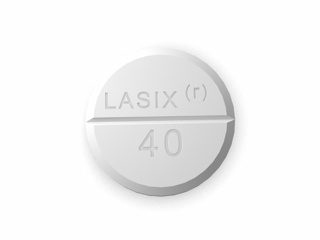


Lasix (Furosemide) – Patient Guide (UK)
Lasix is a well-known medicine containing furosemide, a “loop diuretic” used to help the body remove excess fluid. It is often prescribed for conditions where reducing fluid build-up can relieve symptoms such as swelling and shortness of breath. This guide explains what Lasix does, how it works, how to take it safely, and what to consider regarding interactions and practical use.
| Item | Details |
|---|---|
| Active ingredient | Furosemide (Lasix) |
| Medicinal type | Loop diuretic (“water tablet”) |
| Common forms | Typically tablets; other presentations may exist depending on brand/market availability |
| Common uses | Fluid retention (oedema), certain heart, kidney or liver conditions |
| How it works | Increases urine production by acting on the loop of Henle |
| Typical effect timing | Often starts within about 1 hour (varies by person and formulation) |
| Key safety considerations | Electrolyte changes (e.g., low potassium), dehydration, blood pressure changes |
Basic product information
Lasix is a brand name for furosemide, a diuretic medicine. It helps your kidneys pass more water and salts out of the body through urine. This reduces fluid build-up that can occur in several medical conditions.
In the UK, medicines such as Lasix are supplied under medicines regulation and are typically distributed through licensed pharmacies and pharmacy services in line with UK healthcare requirements.
How Lasix works (mechanism of action)
Furosemide belongs to the class of medicines called loop diuretics. It acts on the kidneys—specifically on a part called the loop of Henle.
- Salt and water loss: Lasix blocks sodium (and chloride) reabsorption in the thick ascending limb of the loop of Henle.
- Result: Less salt is reabsorbed back into the bloodstream, so more fluid remains in the urine.
- Urine output increases: You may notice frequent urination, usually within the first hour or so after taking a dose.
- Fluid reduction: The reduced fluid volume can relieve swelling (oedema) and reduce strain on the heart in fluid-overload states.
Because it works strongly in the kidney, furosemide can significantly affect blood pressure and electrolyte balance (including potassium and sodium).
Pharmacokinetics (how the body handles it)
“Pharmacokinetics” describes how the body absorbs, distributes, metabolises, and eliminates a medicine.
- Absorption: Furosemide is absorbed through the gastrointestinal tract (for oral formulations). The exact speed and degree of absorption can vary between individuals.
- Onset of action: The diuretic effect commonly begins within about 1 hour after a dose (timing varies with formulation and individual factors).
- Duration: The effect can last several hours. Your prescriber will tailor the schedule to your needs.
- Distribution: Furosemide distributes into body tissues and is highly active in the kidneys.
- Metabolism and elimination: It is cleared primarily by the kidneys and through other metabolic pathways. Kidney function affects how quickly the medicine is cleared.
Important: If you have reduced kidney function, the dose and monitoring may need adjustment because the medicine may behave differently in your body.
Typical uses (indications)
Lasix is used to treat conditions that involve fluid retention or fluid overload. Common indications include:
- Oedema (swelling) due to:
- Congestive heart failure and related fluid overload
- Kidney-related conditions where fluid builds up
- Liver disease (e.g., ascites) where fluid retention occurs
- Hypertension (high blood pressure): In some cases, it may be used as part of a treatment plan, though it is not typically first-line for uncomplicated hypertension.
- Specialist-led situations: Fluid and electrolyte management in hospital or specialist care, depending on the clinical picture.
Your healthcare professional will consider your diagnosis, kidney function, and overall fluid and electrolyte status when deciding whether Lasix is appropriate.
When to take Lasix (timing tips)
Because Lasix increases urine production, timing is important for comfort and safety.
- Usually take earlier in the day: If you are taking it once daily, morning dosing is often preferred to reduce disruption at night.
- If twice daily: The second dose is often taken earlier in the afternoon rather than late evening.
- Consistent timing helps: Take doses at the times you have been advised so urine output and blood pressure are more predictable.
- Do not change dose frequency: Unless advised, don’t increase or decrease doses due to how you feel day-to-day.
Practical note: Plan for increased toilet access, especially in the first few days after starting or changing a dose.
Food interactions
Food may affect how quickly some oral medicines are absorbed. For furosemide, the key practical point is:
- Follow your prescribed instructions: Take Lasix as directed on your label.
- Be consistent: Taking it with or without food can be acceptable depending on the product and your prescriber’s advice. Choose a consistent routine to avoid changing absorption patterns.
If you notice new symptoms such as dizziness or weakness after doses, speak to a pharmacist or doctor—especially if your eating pattern has changed recently.
Alcohol and medicine interactions
Alcohol can worsen side effects of diuretics and may affect blood pressure.
- Alcohol may increase dehydration: This can raise the risk of low blood pressure and dizziness.
- Greater dizziness/sleepiness: Some people feel lightheaded, particularly when standing up.
- Medication interactions: Alcohol can add to the blood-pressure-lowering effects of other medicines.
General guidance: If you choose to drink alcohol, do so in moderation and avoid heavy drinking. If you feel faint, stop drinking and seek advice.
Medicine interactions (important)
Lasix can interact with other medicines because it influences fluid balance and electrolyte levels. Always inform your healthcare professional about all medicines you take, including over-the-counter products and herbal remedies.
Medicines that may affect potassium or sodium
- Other diuretics or medicines affecting electrolytes: may increase the risk of electrolyte imbalance.
- Corticosteroids (e.g., prednisolone): may increase potassium loss.
- Laxatives (especially if used regularly): can contribute to electrolyte changes.
Medicines that may be affected by kidney function or electrolyte changes
- Digoxin: low potassium can increase the risk of heart rhythm problems.
- Antiarrhythmics: electrolyte changes may increase risk of abnormal heart rhythms.
- Lithium: furosemide may increase lithium levels, which can be dangerous.
Non-steroidal anti-inflammatory drugs (NSAIDs)
- Examples: ibuprofen, naproxen, diclofenac (OTC and prescription).
- Potential issue: NSAIDs may reduce the diuretic effect and can increase strain on kidneys, particularly in people who are dehydrated.
Blood pressure medicines
- If you take other antihypertensives (e.g., ACE inhibitors, angiotensin receptor blockers, beta-blockers), the combination may increase the chance of low blood pressure, especially when starting or increasing dose.
Diabetes medicines
- Furosemide may affect blood sugar in some people; you may need monitoring of glucose control if relevant.
Always check: Let your pharmacist know about your full list of medicines and supplements.
Dosing (how much to take)
Dosing depends on your condition, kidney function, fluid status, and how you respond to treatment. Because different patients require different doses, the most important rule is:
Follow the dosing instructions provided with your medicine label.
In general, dosing strategies for furosemide often include:
- Starting dose: A lower dose may be used initially, then adjusted based on response.
- Adjustment: Your healthcare team may change dose to achieve the right balance of fluid removal and safe electrolyte levels.
- Maximum dose considerations: Higher doses increase the risk of side effects and require closer monitoring.
- Kidney impairment: Doses may be adjusted based on kidney function and urine output.
Do not: Take extra tablets if you missed a dose, unless instructed. If you miss a dose, seek advice from a pharmacist for the safest approach.
Safety profile and side effects
Lasix is generally effective for fluid control, but it can cause side effects—particularly because it changes fluid and electrolyte levels. Many side effects are manageable with monitoring, but some symptoms should be treated urgently.
Common side effects
- Increased urination (expected effect)
- Dehydration or feeling thirsty
- Dizziness, especially when standing up
- Low blood pressure (may cause lightheadedness)
- Headache or tiredness
- Electrolyte changes such as:
- Low potassium (hypokalaemia)
- Low sodium (hyponatraemia)
- Changes in magnesium or calcium levels
Less common but important risks
- Muscle cramps or weakness (may be linked to potassium or magnesium changes)
- Blood sugar changes (especially in people with diabetes)
- High uric acid which may trigger gout in susceptible people
- Changes in kidney function in some cases
- Hearing changes (rare; risk can be higher with very high doses or rapid administration under medical supervision)
Seek urgent medical help if
- Severe dizziness or fainting
- Very fast or irregular heartbeat
- Severe weakness, confusion, or sudden illness
- Signs of severe dehydration (e.g., very dry mouth, inability to pass urine, marked lethargy)
- Allergic reaction signs such as swelling of the face/lips, rash, or difficulty breathing
Monitoring and practical use tips
Safe use often involves regular checks—especially during dose changes or if you have kidney disease.
- Electrolytes and kidney function: You may need blood tests to check sodium, potassium, magnesium, creatinine/eGFR.
- Blood pressure: Monitor for symptoms of low blood pressure (dizziness, blurred vision, weakness).
- Weight tracking: Some patients use daily weighing to track fluid changes—follow local advice.
- Watch urine output: If you notice a dramatic change in urine or you feel unwell, contact your healthcare team.
- Skin and hydration: Maintain adequate hydration unless you have been told to restrict fluids due to your condition.
- Potassium balance: Don’t start or stop potassium supplements without advice—your electrolyte results guide what’s appropriate.
Practical comfort tips:
- Keep easy access to a toilet for the first days after dose changes.
- If you feel lightheaded, stand up slowly from sitting or lying positions.
- Consider taking the dose with water and a routine (e.g., with breakfast) if this fits your instructions and doesn’t disrupt absorption for your specific product.
Alternative options (other treatments)
Depending on your condition, there are alternatives to Lasix, including other diuretics or different medication strategies. Your clinician will decide based on diagnosis, kidney function, and response.
- Other diuretics:
- Thiazide-like diuretics (commonly used for different types of fluid balance and blood pressure)
- Potassium-sparing diuretics (often used to reduce potassium loss in selected patients)
- Other loop diuretics (similar class options may exist)
- Non-diuretic approaches: Depending on the cause (e.g., heart failure management), treatment may include other medications, lifestyle changes, and addressing underlying issues.
- Specialist-led care: In more complex cases (e.g., severe fluid overload), hospital treatment plans may differ.
If you’re considering alternatives, discuss options with a pharmacist or doctor—especially because switching can require monitoring of electrolytes and kidney function.
UK market and legal context (what to expect)
In the United Kingdom, medicines are regulated by the Medicines and Healthcare products Regulatory Agency (MHRA) and overseen through UK licensing, quality standards, and dispensing rules. Product availability, pack size, and the exact presentation (e.g., tablet strength) can vary depending on manufacturer and supply.
For online pharmacy purchases, reputable UK pharmacy services will typically require appropriate eligibility checks and safe supply processes, in line with UK medicines legislation and pharmacy guidance.
Recent guidance and safety focus: Over recent years, UK clinical emphasis has included safe prescribing practices, monitoring electrolytes and kidney function for diuretics, and careful review when starting or adjusting diuretic therapy—particularly in older adults, people with kidney impairment, and those taking multiple interacting medicines.
Delivery and availability (online pharmacy)
Availability can vary by strength, pack size, and supply chain. When purchasing online in the UK, delivery options and dispatch times depend on stock status and the pharmacy’s courier arrangements.
- Check stock before ordering: Some strengths may be in more limited supply.
- Delivery timeframe: Standard or express delivery options may be available; timings vary by location and courier.
- Packaging: Medicines are typically delivered in secure packaging with information for safe use.
- Cold chain: Furosemide tablets usually do not require refrigeration under normal storage conditions; follow the label instructions.
If your order is delayed or out of stock, a reliable pharmacy service should provide clear updates and options (where legally permitted).
How to store Lasix
- Store according to the label instructions (often at room temperature, away from excessive heat and moisture).
- Keep out of sight and reach of children.
- Do not use after the expiry date on the pack.
Frequently Asked Questions (FAQ)
1) What is Lasix used for?
Lasix (furosemide) is used to reduce fluid retention (oedema) and fluid overload in conditions such as heart failure, some kidney disorders, and certain liver-related problems. It may also be used in specialist situations depending on the clinical need.
2) When will it start working?
For oral furosemide, urine output often increases within about 1 hour after taking a dose. The strength and speed of the effect varies between people and depends on kidney function and the product formulation.
3) Why do I need blood tests?
Because Lasix can change electrolytes (especially potassium and sodium) and affect kidney function, regular blood tests help ensure treatment remains safe and effective.
4) Can I take Lasix with food?
Follow the instructions on your label. Some people find taking it with food helps with tolerability, while others take it without. Consistency is important—if your healthcare professional advised a particular approach, follow that advice.
5) Should I avoid alcohol?
It’s best to drink alcohol cautiously. Alcohol may increase dehydration and worsen dizziness or low blood pressure when taking diuretics. If you feel faint or unwell, avoid alcohol and seek advice.
6) What happens if I miss a dose?
Don’t take extra tablets to make up for a missed dose. Ask a pharmacist for advice on what to do next, because the safest approach depends on how long ago you missed the dose and your dosing schedule.
7) Are there foods I should avoid?
There isn’t a single mandatory food to avoid for everyone, but your electrolyte status may matter. If you have been advised about potassium or fluid intake, follow that plan. If you have heart failure or kidney disease, your clinician may provide guidance on salt (sodium) and fluids.
8) Does Lasix cause weight loss?
Lasix reduces fluid retention, so you may lose weight due to fluid changes. This is not the same as fat loss. Rapid or excessive weight loss can indicate you are becoming over-diuresed or dehydrated—contact your healthcare team if this happens.
9) Can I take ibuprofen or other NSAIDs with Lasix?
NSAIDs like ibuprofen may reduce the effect of diuretics and may increase kidney strain—especially if you’re dehydrated. It’s safer to ask a pharmacist or doctor before using NSAIDs regularly or at higher doses.
10) Who should be extra careful?
Extra caution is important if you are older, have kidney impairment, have low blood pressure, have had electrolyte problems, or take medicines that can interact with furosemide. Regular monitoring is particularly important in these situations.
11) What side effects are most concerning?
Seek urgent advice if you experience severe dizziness or fainting, irregular heartbeat, severe weakness or confusion, signs of severe dehydration, or allergic reaction symptoms.
Key takeaways
- Lasix (furosemide) helps remove excess fluid by acting on the kidneys.
- It can increase urine output quickly—often within about an hour—so timing matters.
- It can affect electrolytes and kidney function; monitoring is often required.
- Be alert to dizziness, dehydration, and symptoms that may indicate electrolyte imbalance.
- Avoid or carefully check interactions (especially with NSAIDs, lithium, digoxin, and other medicines affecting blood pressure or electrolytes).
If you have questions about your specific situation—such as dosing schedule, missed doses, or interactions—speak to a pharmacist or healthcare professional. Always follow the instructions provided with your medicine.