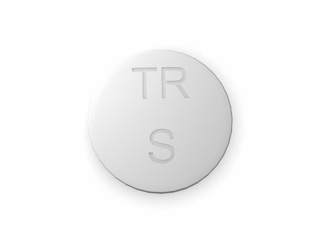
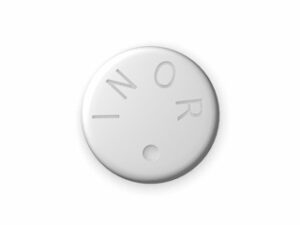

Desogen (Desogestrel / Ethinyl Estradiol) — Patient Information
Desogen is a combined oral contraceptive pill (COC) containing two hormones: desogestrel (a progestogen) and ethinyl estradiol (an oestrogen). It works mainly by preventing ovulation and also helps make cervical mucus thicker, which reduces sperm entry.
This page explains how Desogen works, how to take it, what to expect, and important safety information. It is written for people in the United Kingdom and uses patient-friendly wording.
Quick facts
- Medicine: Desogen (desogestrel / ethinyl estradiol)
- Type: Combined oral contraceptive pill (COC)
- How it prevents pregnancy: Mainly stops ovulation
- Common schedule: 21 active tablets followed by 7 tablet-free days (varies by pack)
- Who it’s for: People who want reliable contraception and can safely use oestrogen
Basic product information
| Item | Information |
|---|---|
| Active ingredients | Desogestrel + Ethinyl estradiol |
| Hormone type | Combined oral contraceptive (progestogen + oestrogen) |
| Primary action | Prevents ovulation; thickens cervical mucus |
| Typical use | Contraception; may also help regulate bleeding patterns |
| Form | Tablets taken by mouth |
Desogen is designed to be taken daily. Your pack instructions may include specific details (for example, the exact number of active tablets and the spacing of tablet-free intervals).
How Desogen works (mechanism of action)
Desogen contains a progestogen (desogestrel) and an oestrogen (ethinyl estradiol). Together they:
- Suppress ovulation by reducing signals from the brain (hypothalamus and pituitary) that would normally trigger release of an egg.
- Increase cervical mucus thickness, making it harder for sperm to enter the uterus.
- Alter the endometrium (the lining of the womb), making implantation less likely.
When taken correctly, combined pills are highly effective. Effectiveness depends on consistent daily use. Missing tablets, vomiting, or severe diarrhoea can reduce protection.
Pharmacokinetics (how the body processes the hormones)
While exact values can vary between individuals, the overall principles for combined pills include:
- Absorption: Both hormones are absorbed after oral dosing. Peak blood levels typically occur within several hours of taking a tablet.
- Distribution: The hormones are carried in the bloodstream, partly bound to plasma proteins.
- Metabolism: Desogestrel and ethinyl estradiol are metabolised mainly in the liver.
- Excretion: Metabolites are cleared from the body via both kidneys and bile/intestinal pathways.
- Steady state: Hormone levels build up over repeated daily dosing, which is why timing and missed doses matter—especially when starting.
If you take other medicines that affect liver enzymes (for example some epilepsy or HIV treatments, and certain antibiotics), the hormones in Desogen may be broken down faster, reducing contraceptive reliability.
Typical use and what it’s used for
Contraception
Desogen is used for pregnancy prevention. It is intended for regular daily use over multiple weeks, following the schedule in your pack.
Possible additional benefits
Many people notice that combined pills can help:
- Make periods more regular
- Reduce period pain for some users
- Reduce bleeding and spotting compared with some other methods
How to start and timing
The right start date depends on your situation (for example, whether you are switching from another method or starting after a break). Use the guidance in your pack leaflet and local NHS family planning advice.
Starting Desogen
- Starting on the first day of your period: You may be protected immediately.
- Starting after day 1: protection may not be immediate; you may need additional contraception (such as condoms) for a short period (commonly 7 days) depending on the timing and advice for your pack.
If you have had unprotected sex recently when starting, you may need advice about emergency contraception.
What time of day to take it
Take one tablet every day at a time that suits you. While a fixed time is not essential for every person, choosing a consistent time can help you avoid missed doses.
- If you vomit soon after taking the tablet, absorption may be affected (see “If you miss a tablet” below).
- If you’re prone to forgetting, consider alarms or reminders on your phone.
Tablet-free interval
Many combined pill packs include a tablet-free break or placebo days. Bleeding often occurs during this time (withdrawal bleeding). Do not extend the break or shorten the next start date without checking your pack.
Food interactions
Food generally does not have a major effect on how Desogen works. You can usually take the tablet with or without food.
However, if you experience vomiting or severe diarrhoea, hormone absorption can be reduced, similar to a missed dose. Seek advice on what to do in these situations.
Alcohol and medicine interactions
Alcohol
Moderate alcohol intake does not usually affect the contraceptive action of Desogen directly. The main concerns are practical:
- Alcohol may increase the chance of forgetting a dose.
- Very heavy drinking can lead to vomiting or diarrhoea, which may reduce absorption.
If you vomit after drinking or have severe stomach upset, follow the “vomiting/diarrhoea” guidance in your pill leaflet.
Medicine interactions (important)
Some medicines can reduce the effectiveness of combined pills by increasing hormone metabolism. Others may increase side effects or change bleeding patterns. Tell a pharmacist or clinician about all medicines you take, including:
- Medicines for epilepsy
- Some treatments for tuberculosis
- Some treatments for HIV
- Certain antibiotics and antifungals (interaction risk varies)
- St John’s wort (herbal remedy) — commonly known to reduce contraceptive effectiveness
- Medicines that affect liver enzymes or transport proteins
If you start, stop, or miss a medicine that can interact with Desogen, you may need extra contraceptive protection (for example, condoms) for a period and/or until the hormones stabilise again.
Always check the leaflet and get individual advice if you are unsure.
Indications
Desogen is indicated for oral contraception in individuals who choose an oral combined contraceptive pill. It is generally used to:
- Prevent pregnancy
- Provide predictable bleeding for some users
Not everyone should use combined pills. If you have certain medical conditions or risk factors, a different contraceptive method may be safer.
Dosing and administration
The standard dosing approach for combined oral contraceptives is:
- One tablet daily, ideally at the same time each day.
- Follow the 21-day active / 7-day break pattern or the specific schedule in your pack.
If you miss a tablet (general guidance)
Missed pills reduce protection, especially if missed at the start of a pack or if multiple pills are missed. Your leaflet will provide detailed “missed pill” instructions; the key points usually include:
- Take the most recent missed tablet as soon as you remember (even if that means taking two tablets in one day, depending on guidance).
- Continue the rest of the pack as normal.
- Use additional contraception (such as condoms) for a period if protection is likely to be reduced.
- Consider emergency contraception if you had unprotected sex and missed tablets in a time window that affects reliability.
Because missed-dose recommendations depend on how many tablets were missed and when in the pack, it’s important to follow the pack-specific instructions.
Vomiting or severe diarrhoea
If you vomit soon after taking a tablet or have severe diarrhoea, the tablet may not have been fully absorbed. Treat it similarly to a missed dose and follow leaflet guidance (often using a spare tablet if advised).
Safety profile and when to get urgent help
Like all combined oral contraceptives, Desogen has potential risks. Most people do not experience serious problems, but it is important to understand warning signs and check eligibility.
Common side effects
- Nausea
- Headache
- Breast tenderness
- Mood changes
- Breakthrough bleeding or spotting, especially during the first few months
- Changes in libido
Side effects often improve after the first couple of pill packs. Persistent or severe symptoms should be discussed with a healthcare professional.
Serious risks (important)
Combined pills slightly increase the risk of certain blood clot events (venous thromboembolism) and are associated with a risk of arterial events in some people. The risk is higher with:
- Smoking (especially if aged 35 or over)
- History of blood clots
- Known clotting disorders
- Some migraine types (especially migraine with aura)
- Uncontrolled high blood pressure
- Major surgery with prolonged immobility
- Long periods of immobility (for example, long flights)
Seek urgent medical help if you develop symptoms that could suggest a blood clot, such as:
- Sudden shortness of breath or chest pain
- Coughing blood
- Severe pain or swelling in one leg
- Sudden weakness or numbness on one side of the body
- Sudden trouble speaking or vision changes
- Severe headache unlike usual
If you are having an operation or prolonged immobilisation, discuss stopping or switching contraception in advance.
Who should not use combined pills (examples)
This list is not exhaustive. If any apply, combined pills may be unsuitable:
- Pregnancy or suspected pregnancy
- History of blood clots or certain clotting disorders
- Some forms of migraine (particularly with aura)
- Significant liver disease
- Certain cancers that are hormone-sensitive
- Unexplained vaginal bleeding
Practical use tips (to get the best protection)
- Choose a consistent time: Most missed doses happen when routines change.
- Use reminders: Phone alarms, calendar prompts, or a pill organiser can help.
- Track your break: Don’t accidentally extend tablet-free days.
- Be prepared for stomach upset: Keep your pack instructions accessible if you’re travelling.
- Consider backup contraception: If you’ve recently started or missed pills, condoms may be needed temporarily.
- Watch for unusual symptoms: Any warning signs of clots should be treated urgently.
If you’re switching from another contraceptive method, ask how long to use backup contraception during the changeover.
Alternative options in the UK
If Desogen isn’t suitable, there are other contraceptive choices. Alternatives include:
Other combined pills
- Different combinations of oestrogen and progestogen
- Some may be preferred if you experience side effects (for example, certain bleeding patterns or acne concerns)
Progestogen-only methods
- Progestogen-only pill (POP)
- Injection
- Implant
- Hormonal intrauterine system (IUS/IUD)
Non-hormonal options
- Copper IUD/IUS
- Barrier methods (condoms, diaphragm)
- Fertility awareness methods (require consistent monitoring)
Your best option depends on your medical history, lifestyle, preference for bleeding pattern, and how you feel about daily versus longer-acting methods.
Market and legal context (United Kingdom)
In the UK, combined oral contraceptive pills are widely used and supported through NHS services and community sexual health clinics. Access pathways vary depending on age and local arrangements.
Medicines like Desogen are supplied under UK regulatory standards. Online pharmacies typically operate under the UK’s medicines legislation and professional governance, including checks to ensure the right patient information is provided.
Always read the leaflet supplied with your medicine and follow UK health guidance for contraception and interacting medicines. If you have questions about suitability, a pharmacist or clinician can help you decide what is safe for you.
Recent guidance (general UK themes)
Guidance for combined pills in the UK has consistently emphasised:
- Individual suitability checks (including clot risk and migraine type)
- Awareness of drug interactions that can reduce contraceptive effectiveness
- Prompt attention to symptoms that may signal a blood clot
- Support for consistent use (timing, missed-pill management, and backup contraception)
Recommendations may evolve over time. For the most current information, refer to NHS contraception resources and professional guidance.
Delivery and availability (UK online pharmacy)
Availability can vary depending on stock levels and manufacturer supply. Many UK online pharmacies aim to dispatch orders quickly once payment and verification are complete, and delivery is typically handled by tracked courier services.
- Dispatch times: often within 24–72 hours on working days (subject to availability)
- Delivery: usually tracked delivery; times vary by postcode
- Packaging: medicines are commonly shipped in secure, discreet packaging
- Storage: follow “store below” temperature and protection-from-light instructions on the pack
If you need the medicine urgently (for example, starting a pack on a specific date), check dispatch and delivery estimates during checkout.
FAQ
How effective is Desogen?
Combined pills are highly effective when taken correctly every day. Effectiveness is reduced if you miss tablets, vomit soon after taking a dose, or have severe diarrhoea. Using backup contraception during missed-dose situations improves protection.
What if I start Desogen after missing my period?
If pregnancy is possible, do not assume you’re protected. Use the pack’s start instructions and consider a pregnancy test if bleeding doesn’t come when expected, or if you have symptoms of pregnancy. Seek timely advice if there’s uncertainty.
Will Desogen stop my period?
It usually does not stop periods permanently. Many people experience regular withdrawal bleeding during the tablet-free interval. With time, some people have lighter bleeding or occasional spotting.
Can I take Desogen if I’m breastfeeding?
Combined pills are generally not recommended early after childbirth for breastfeeding people due to oestrogen-related considerations. Progestogen-only methods may be considered as an alternative. Ask a healthcare professional for personalised advice.
Does taking Desogen affect weight?
Weight change is not consistent across all users. Some people report changes, but it’s difficult to attribute them directly to the pill. If you notice rapid or troubling changes, discuss them with a clinician or pharmacist.
Can I take it with other medicines?
Some medicines and herbal products (especially enzyme-inducing medicines and St John’s wort) can reduce contraceptive effectiveness. Check with a pharmacist before starting new medicines, and always review interaction information in the leaflet.
What should I do if I miss tablets?
Follow the missed-tablet instructions in your Desogen leaflet. In general, the number of missed tablets and the day within your pack matter. You may need backup contraception and, in some cases, emergency contraception.
Is it safe to drive or exercise while taking Desogen?
Desogen does not usually affect the ability to drive or exercise. If you experience headaches, dizziness, or other symptoms, use caution and consider speaking to a pharmacist if symptoms persist.
When should I seek urgent help?
Seek urgent medical attention if you develop symptoms that could indicate a blood clot, such as sudden breathlessness, chest pain, severe leg pain/swelling, sudden weakness or speech/vision problems, or a severe unusual headache.
What should I do before surgery or long travel?
Long periods of immobility can increase clot risk. For planned surgery or very long journeys, discuss whether you should pause combined pills and what temporary precautions (such as compression stockings and mobility advice) are appropriate.
Important final reminder
Desogen is an effective contraceptive for many people, but it is not suitable for everyone. If you are unsure whether you can safely take a combined pill, ask a pharmacist or clinician for advice. Always read the leaflet included with your medicine for full details about dosing, missed doses, and interactions.