
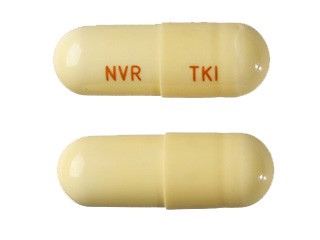

Sprycel? No—Tasigna (Nilotinib) – Patient-Friendly Guide (UK)
Tasigna is a cancer medicine containing nilotinib. It is used to treat certain types of leukaemia, particularly where the cancer cells carry a specific genetic change involving the BCR-ABL protein (a tyrosine kinase). This guide explains how Tasigna works, how it is taken, key food and medicine interactions, safety considerations, and what you can expect in the United Kingdom.
This information is intended to help you understand your medicine. It does not replace advice from your healthcare professional.
1. Basic product information
| Feature | Details |
|---|---|
| Medicine name | Tasigna |
| Active ingredient | Nilotinib |
| Medicine type | Targeted cancer therapy (tyrosine kinase inhibitor, TKI) |
| How it’s taken | By mouth, as capsules |
| Typical dosing frequency | Often twice daily, depending on the condition |
| Key requirement | Take with strict fasting/food timing to avoid increased exposure |
2. What Tasigna is used for (indications)
In the UK, Tasigna is used to treat certain patients with:
- Chronic myeloid leukaemia (CML) in adults:
- Newly diagnosed chronic phase CML, where treatment is appropriate
- Chronic phase CML after treatment with prior therapies, in suitable cases
- Philadelphia chromosome-positive (Ph+) CML in other specified disease phases may be considered depending on individual circumstances and specialist assessment.
Your treating team will confirm whether Tasigna is the right option based on your diagnosis (including Ph+ BCR-ABL status), disease phase, prior treatments, and overall health.
3. How Tasigna works (mechanism of action)
Tasigna is a tyrosine kinase inhibitor (TKI). In many cases of CML, a genetic rearrangement creates the BCR-ABL fusion protein. This protein sends growth signals inside cells that help the leukaemia survive and multiply.
Nilotinib blocks the BCR-ABL tyrosine kinase, which helps stop or slow leukaemia cell growth. Over time, effective treatment can reduce the amount of leukaemia in your body and help maintain long-term disease control.
4. Pharmacokinetics (how the body handles nilotinib)
Understanding pharmacokinetics can help explain why Tasigna must be taken with strict food instructions.
- Absorption: Nilotinib is absorbed after taking the capsule, but food—especially fatty meals—can significantly increase drug exposure. This can raise the risk of side effects, including effects on heart rhythm.
- Effect of fasting/meal timing: Taking Tasigna without food helps keep exposure within the expected range.
- Distribution: The drug circulates throughout the body and binds to plasma proteins.
- Metabolism: Nilotinib is metabolised mainly in the liver (involvement of metabolic enzymes such as CYP pathways may be relevant).
- Elimination: Metabolites are eliminated primarily via faeces (bile and gut route). A smaller fraction is eliminated via urine.
Key takeaway: Because exposure can change with food and certain drug interactions, following the recommended meal timing and avoiding interacting medicines is essential.
5. Typical dosing and timing
Dosing depends on the specific indication, disease phase, and your clinical situation. The most common approach in CML is twice-daily dosing.
General timing rules (very important):
- Take Tasigna at least 2 hours after food and at least 1 hour before the next meal.
- Try to take doses at roughly the same times each day.
- Swallow capsules whole (do not crush, open, or chew unless your healthcare team advises otherwise).
Example daily routine (illustrative):
- Breakfast: Finish by 07:00
- Dose 1: Take at 09:00 (2 hours after breakfast)
- Lunch: Plan at 13:00 or later
- Ensure timing: Take Dose 2 at least 1 hour before lunch
- Repeat with evening meal timing as advised
Your pharmacist or oncology team can help you plan a schedule around your meals and lifestyle.
6. Food interactions and meal timing (what to avoid)
Tasigna is particularly sensitive to food effects. Food can increase nilotinib levels in the blood, which may increase side effects.
To reduce risk:
- Take Tasigna on an empty stomach using the recommended time windows (commonly 2 hours after and 1 hour before meals).
- Avoid changing your eating schedule without discussing it with your healthcare team.
- If you miss a meal timing window, ask your team what to do before taking the next dose.
Practical tip: Keep a consistent routine. If you frequently eat at different times, it may help to set phone reminders for “2 hours after eating” and “1 hour before eating.”
7. Alcohol interactions
There is no single universal rule for alcohol that applies to every person on Tasigna, but alcohol can affect:
- Liver function: Because nilotinib is processed by the liver, heavy alcohol use may increase strain on liver health.
- Side effects: Alcohol may worsen tiredness, nausea, dizziness, and general wellbeing.
General advice:
- Discuss alcohol intake with your oncology team or pharmacist.
- If you choose to drink, consider keeping intake modest and avoid binge drinking.
- Seek urgent advice if you notice yellowing of the skin/eyes, dark urine, or severe fatigue.
8. Medicine interactions (including important “avoid” categories)
Some medicines can change nilotinib levels or increase the risk of side effects, particularly those affecting the heart rhythm. Always provide your healthcare team with a full list of medicines, including over-the-counter products and herbal remedies.
Common interaction themes include:
- Medicines that can affect heart rhythm (QT prolongation):
- Some medicines may increase the chance of an abnormal heart rhythm. Your team may arrange ECG monitoring.
- Strong inhibitors or inducers of liver enzymes:
- Certain medicines can raise nilotinib exposure (increasing side effects) or reduce it (reducing effect).
- Acid-reducing medicines and antacids:
- Some stomach medicines can change absorption. Guidance may vary; ask your pharmacist how to time or choose alternatives.
- Herbal remedies:
- Some herbal products can unpredictably interact with cancer medicines.
Very important: Avoid starting new medicines—including “natural” or herbal products—without checking with a pharmacist.
Grapefruit and related products: Some cancer medicines interact with grapefruit by affecting metabolism. It’s best to ask your pharmacist specifically about fruit/juice guidance for nilotinib.
9. Safety profile (what to watch for)
Tasigna can cause side effects. Many are manageable, but some require urgent action or dose adjustments. Your healthcare team will monitor you with blood tests and may monitor your heart and metabolic health.
Common side effects
- Tiredness, weakness
- Nausea, vomiting, diarrhoea or constipation
- Headache
- Muscle cramps, aches
- Rash
- Fluid retention or swelling (in some people)
Important potential risks
- Heart rhythm changes (QT prolongation): This is why your clinician may arrange ECGs and check electrolytes (like potassium and magnesium).
- Pancreas-related issues: Inflammation of the pancreas can occur in some cases.
- Metabolic changes: Changes in blood lipids (cholesterol and triglycerides) may occur.
- Blood counts: Treatment can affect white blood cells, red blood cells, and platelets.
- Hepatic (liver) effects: Liver enzymes may rise.
- Vascular and clot risk: Rare but serious vascular events have been reported with TKIs; your clinical team will weigh individual risk factors.
Seek urgent medical help if you experience
- Fainting, severe dizziness, or a sudden fast/irregular heartbeat
- Severe chest pain, shortness of breath, or symptoms suggesting a stroke (face drooping, arm weakness, speech difficulty)
- Severe abdominal pain (especially with nausea/vomiting) which may suggest pancreatitis
- Yellowing of the skin or eyes, dark urine, or severe fatigue
- Allergic reaction signs such as swelling of the face/lips or difficulty breathing
10. Practical use tips (helpful day-to-day guidance)
- Consistency with meal timing: Use the recommended fasting windows. If you eat late, plan how you’ll adjust the timing and confirm with your healthcare team.
- Hydration: Maintain good hydration unless restricted by your clinician.
- Take at about the same times: This supports routine and reduces missed doses.
- Don’t double up: If you miss a dose, follow the advice from your clinician/pharmacist. Do not take extra to “catch up” unless told to.
- Keep a medication list: Include prescription medicines, over-the-counter products, supplements, and herbal remedies.
- Attend monitoring appointments: Blood tests and ECGs are part of safe use.
- Manage side effects early: Report persistent nausea, diarrhoea, or fatigue promptly—there may be supportive treatments.
- Oral health and infection prevention: If your blood counts are low, ask about precautions to reduce infection risk.
11. Alternative options (other treatments you may hear about)
For CML, TKIs are the standard targeted therapies. Alternative options depend on disease phase, prior response, side effect profile, and individual genetics.
Possible alternatives include:
- Other tyrosine kinase inhibitors used for CML, such as:
- Imatinib
- Dasatinib
- Bosutinib
- Ponatinib (for certain resistant cases under specialist care)
- Supportive care (for symptoms and blood count support) as part of the overall plan.
- Specialist review for resistant disease: Sometimes dose adjustment, switching TKIs, or additional strategies may be considered.
Your specialist can explain why Tasigna is selected or whether another option is more appropriate for you.
12. Market and legal context in the United Kingdom
In the UK, Tasigna is an established medicine for appropriate patients under specialist management. It is supplied through licensed channels and healthcare systems including hospital and community arrangements, depending on your treatment pathway.
Key points in the UK context include:
- Regulatory approval and licensed use: Tasigna is authorised for the relevant indications based on UK regulatory assessment.
- Specialist prescribing and monitoring: TKIs require structured safety monitoring, including blood tests and assessment of cardiovascular/metabolic risks.
- Pharmacovigilance: UK healthcare services encourage reporting of suspected side effects to improve safety information.
- Supply and continuity of therapy: Ongoing treatment adherence is crucial in CML, so arrangements for repeat supply and timely delivery are important.
13. Recent guidance and monitoring expectations (UK)
Clinical practice in CML can evolve as new trial results and consensus recommendations emerge. In recent years, UK and international guidance has typically emphasised:
- Close monitoring of response using blood tests and molecular assessments (often including BCR-ABL measurement).
- Safety monitoring tailored to the TKI used—often including ECGs and electrolyte checks for medicines with QT considerations.
- Managing cardiovascular/metabolic risk by checking lipids and evaluating individual risk factors.
- Adherence to food timing requirements for nilotinib to avoid increased exposure.
Your oncology team will follow the latest accepted protocols for monitoring response and adjusting treatment when needed.
14. Delivery and availability (online pharmacy)
Availability can vary by stock and strength/pack size. If you are ordering through an online pharmacy, typical expectations include:
- Checking availability: The website or pharmacy service usually confirms stock or provides an estimated dispatch time.
- Secure packaging: Medicines are typically dispatched in protective packaging to maintain integrity during transit.
- Delivery times: Delivery options and cut-off times vary by provider and location within the UK.
- Customer support: A pharmacist or support team may answer questions about timing, handling, and general advice.
Tip: Because treatment is ongoing, place orders early enough to avoid gaps. If you are running low, contact your pharmacy service before the last day you have capsules remaining.
15. FAQ about Tasigna (nilotinib)
How should I take Tasigna?
Follow your specific instructions closely. In general, Tasigna is taken by mouth with strict meal timing: commonly at least 2 hours after food and at least 1 hour before the next meal. Take capsules whole and keep a consistent routine.
What happens if I take Tasigna with food?
Food can increase nilotinib exposure, which may raise the likelihood of side effects. Try not to change your meal timing. If you accidentally take it with food, contact your pharmacist or oncology team for advice.
Can I drink alcohol while taking Tasigna?
Moderate alcohol may be acceptable for some people, but it depends on your health and liver function. Ask your clinician or pharmacist for personalised guidance, especially if you have liver issues or significant side effects.
Are there medicines I should avoid?
Yes—some medicines may increase nilotinib levels or raise the risk of heart rhythm problems. Always check with a pharmacist before starting new prescription medicines, over-the-counter products, antacids, or herbal supplements.
Will I need ECGs or blood tests?
Often, yes. Many people on nilotinib receive periodic monitoring including blood tests (for blood counts, liver function, and metabolic markers) and ECG checks, particularly to assess heart rhythm risk.
What side effects are most important?
Report promptly: symptoms that could suggest abnormal heart rhythm (fainting, severe dizziness), pancreatitis (severe abdominal pain with nausea/vomiting), liver problems (yellow eyes/skin), and any severe or persistent symptoms. Your healthcare team will guide dose adjustments or supportive care.
What should I do if I miss a dose?
Do not double up. Follow the advice provided by your healthcare team or pharmacist for missed doses.
Can my dose change over time?
Yes. If side effects occur or if treatment response and safety results indicate, your clinician may adjust dose or schedule. Do not change your dose without medical guidance.
Is Tasigna the same as other CML medicines?
Tasigna (nilotinib) is one of several TKIs used for CML. Other TKIs exist, and switching may be considered depending on response, tolerance, and overall risk factors.
How long will treatment last?
CML treatment with TKIs often continues long term. The exact duration depends on your disease response and specialist assessment.
Summary
Tasigna (nilotinib) is a targeted therapy used in the treatment of certain types of chronic myeloid leukaemia (CML) where cancer cells have the BCR-ABL abnormal protein. It works by blocking BCR-ABL signalling. Because nilotinib absorption is strongly affected by food and because some safety risks involve heart rhythm and metabolic changes, taking Tasigna correctly with strict meal timing and attending monitoring appointments are central to safe and effective use.
If you have questions about how to fit doses into your day, or whether any of your current medicines may interact with Tasigna, speak to a pharmacist or your specialist team for tailored advice.