Rybelsus (semaglutide) – Patient-Friendly Guide
Rybelsus is an oral medicine containing semaglutide, used to improve blood sugar control in adults with type 2 diabetes. It works by targeting the gut and appetite-related hormone pathways, helping your body release insulin in a glucose-dependent way and reducing excess glucagon after meals.
This page explains how Rybelsus works, how it’s typically taken, what to expect, and important safety information—written for people in the United Kingdom.
Basic product information
| Item | Details |
|---|---|
| Medicine | Rybelsus |
| Active ingredient | Semaglutide |
| Type | Glucagon-like peptide-1 (GLP‑1) receptor agonist |
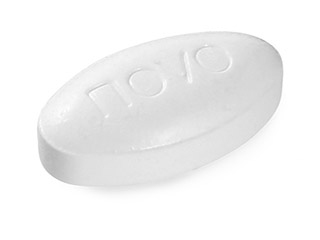
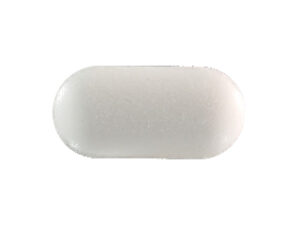
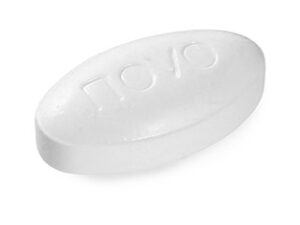
| Form | Oral tablet |
| Dosing strengths (commonly supplied) | 3 mg, 7 mg, 14 mg tablets (based on product availability) |
| Use in the UK | Type 2 diabetes management in appropriate patients |
What is semaglutide and how does it work?
Semaglutide belongs to the class of medicines called GLP‑1 receptor agonists. In people with type 2 diabetes, it helps improve glycaemic control through several actions:
- Increases insulin release when glucose is high (glucose-dependent insulin secretion).
- Reduces glucagon secretion (a hormone that raises blood glucose), particularly after meals.
- Slows stomach emptying, which can help reduce post-meal glucose rises.
- Supports appetite reduction through central mechanisms, which may assist with weight management.
Because its insulin effects depend on blood glucose levels, GLP‑1 medicines generally have a lower risk of causing hypoglycaemia when used alone compared with some older treatments. However, hypoglycaemia risk can increase when combined with other glucose-lowering medicines such as insulin or sulfonylureas.
Pharmacokinetics (how your body handles Rybelsus)
Pharmacokinetics explains absorption, distribution, metabolism and elimination. Understanding these helps explain why the tablet has specific instructions on timing and food.
Absorption
- Rybelsus is absorbed from the stomach and upper intestines.
- Food, particularly meals taken close to dosing, can reduce absorption of semaglutide.
- The medicine is designed to be taken on an empty stomach to achieve more reliable exposure.
Peak concentration and steady levels
- After dosing, semaglutide levels rise and then fall gradually.
- With daily dosing, the body approaches a steady state over time.
Metabolism and elimination (simplified)
- Semaglutide is processed mainly by protein degradation and does not rely heavily on the usual liver enzyme pathways.
- Elimination occurs largely via metabolic pathways with limited direct excretion of the unchanged drug.
For most people, the key takeaway is practical: take Rybelsus exactly as directed regarding empty stomach and waiting time before eating. This improves consistency of effect.
Typical use in the UK
Rybelsus is used for the management of type 2 diabetes in adults. It is usually considered when blood glucose goals are not met despite lifestyle measures, commonly alongside or after first-line therapy such as metformin—depending on individual circumstances.
Your healthcare team will decide if Rybelsus is appropriate based on factors such as your current medicines, weight goals, risk of hypoglycaemia, kidney function, and other health conditions.
Indications (what it’s for)
In the UK, Rybelsus (semaglutide) is indicated for the treatment of adults with type 2 diabetes to improve glycaemic control.
It is typically used as part of a wider diabetes management plan including diet, physical activity, and ongoing monitoring.
Dosing and timing – how to take Rybelsus properly
Starting dose and usual dose escalation
Many people start at a lower dose to improve tolerability and then increase gradually. A common approach is:
- Initial dose: 3 mg once daily
- After at least 30 days: increase to 7 mg once daily
- After at least 30 days: consider increasing to 14 mg once daily if needed
Not everyone needs the highest dose. Your prescriber may adjust based on your blood glucose readings and side effects.
Exact timing instructions (very important)
Rybelsus tablets should be taken with water only, on an empty stomach. Take the tablet in the morning (unless your clinician has advised a different schedule).
Typical instructions:
- Take Rybelsus at least 30 minutes before any food and before any other oral medication.
- Swallow the tablet whole with a full glass of water.
- Do not eat or drink anything besides water during this waiting period.
- Try to take it at the same time each day to help adherence.
If you miss a dose, follow the guidance you’ve been given by your healthcare team or the product information. In general, the focus is on not taking double doses and maintaining a consistent routine.
If you vomit or have severe stomach upset
Gastrointestinal side effects can occur, especially during dose increases. If you vomit shortly after taking a dose, it may be unclear how much medication was absorbed. Speak to a clinician or pharmacist for advice on what to do next.
Food interactions and what to avoid
Food has a meaningful effect on how much semaglutide is absorbed. To support consistent blood glucose control:
- Do not take with meals. Always take on an empty stomach.
- Wait at least 30 minutes after taking your tablet before eating.
- If you take other oral medicines, check timing. Some medicines should be taken at a different time of day to avoid interaction with absorption timing.
Additionally, because Rybelsus can slow stomach emptying, some people feel full faster or experience nausea or bloating. Eating smaller, simpler meals and avoiding very large, high-fat meals may improve comfort.
Alcohol and medicine interactions
Alcohol
Alcohol can affect blood sugar levels and may worsen side effects such as nausea, stomach irritation, and dehydration. If you drink alcohol, consider:
- Moderation is important.
- Avoid drinking on an empty stomach.
- If you are on insulin or medicines that can cause hypoglycaemia, be extra cautious—alcohol may mask symptoms or increase the risk of low blood sugar.
Interactions with other medicines
Rybelsus may influence the absorption and effect of some oral medicines indirectly due to delayed gastric emptying. Common considerations include:
- Insulin and sulfonylureas (e.g., gliclazide, glimepiride, glibenclamide): risk of hypoglycaemia may increase. Dose adjustments may be needed.
- Oral medicines taken soon after your Rybelsus dose: ensure timing separates Rybelsus from other tablets, unless your healthcare team has advised otherwise.
- Other glucose-lowering medicines: overall glucose-lowering effect may change, so monitoring is key.
Always tell your pharmacist or clinician about all medicines and supplements you take, including herbal products. This includes over-the-counter medicines, as well as any regular courses (for example, antibiotics or steroids).
Safety profile – what to know before taking Rybelsus
Most people tolerate Rybelsus reasonably well, but like all medicines it can cause side effects. Many gastrointestinal symptoms are more common early in treatment or after dose increases and often improve over time.
Common side effects
- Nausea
- Diarrhoea
- Vomiting
- Constipation
- Abdominal (stomach) pain
- Indigestion or bloating
- Reduced appetite
- Decreased weight may occur (varies between individuals)
Low blood sugar (hypoglycaemia)
Hypoglycaemia risk depends on your other diabetes medicines. It is less likely when semaglutide is used alone but can occur more often when combined with insulin or sulfonylureas.
Recognise symptoms such as:
- sweating, shakiness, dizziness
- hunger, headache
- confusion or sleepiness
If you experience symptoms, check your blood glucose if possible and follow your diabetes plan for treating low sugar.
Serious warnings (seek urgent medical advice if appropriate)
Stop and seek medical help promptly if you develop concerning symptoms such as:
- Signs of an allergic reaction (swelling of face/lips, difficulty breathing, severe rash)
- Severe, persistent stomach pain (especially with vomiting), which can indicate inflammation of the pancreas
- Signs of dehydration (severe vomiting/diarrhoea, feeling faint, reduced urination)
- Persistent or worsening symptoms after starting or increasing the dose
This is not a full list of side effects. Always consult the official patient information leaflet and your healthcare team for a complete safety overview.
Practical use tips to get the best results
- Set a daily routine: choose a time you can consistently take on waking, with water only.
- Use a simple reminder: an alarm on your phone can help prevent missed doses.
- Keep water accessible: take the tablet with a full glass of water.
- Plan breakfast: wait at least 30 minutes before eating.
- Expect an adjustment period: stomach symptoms may be more likely during the first weeks or after dose increases.
- Eat smaller meals: if you feel full quickly, reduce portion sizes and choose bland, easy-to-digest foods.
- Stay hydrated: especially if you experience nausea or diarrhoea.
- Monitor glucose if on other medicines: if you use insulin or sulfonylureas, follow your plan for checking blood sugar.
Pharmacological details: what “dose escalation” means for you
Rybelsus is commonly increased gradually. This approach is used to balance effectiveness with tolerability, since gastrointestinal side effects often correlate with dose level and rapid changes.
If you feel unwell during up-titration, discuss options with your healthcare team. They may delay an increase or adjust the plan to improve comfort and adherence.
Alternative options for type 2 diabetes
Depending on your medical history and current treatment, your clinician may consider other options. Alternatives may include:
- Other GLP‑1 receptor agonists (injectable) and similar incretin therapies (availability varies).
- DPP‑4 inhibitors (oral), which act through different pathways.
- SGLT2 inhibitors (oral), which help reduce blood sugar via the kidneys.
- Metformin (often first-line, if appropriate).
- Other glucose-lowering medicines, including insulin or sulfonylureas (selected cases).
Choice depends on blood sugar goals, weight considerations, kidney function, cardiovascular risk, side-effect profile, and affordability/availability.
Market and legal context in the United Kingdom
In the UK, medicines like Rybelsus are regulated to ensure quality, safety and effectiveness. Product availability may change due to supply considerations, prescribing practices, and updates to clinical guidance.
Clinical use in the UK typically follows recommendations from bodies such as:
- National Institute for Health and Care Excellence (NICE) guidance
- Joint formulary and local diabetes pathways used by Integrated Care Systems
- Professional prescribing guidance and product information from regulatory authorities
Recent guidance (UK) – what to expect
Over recent years, UK diabetes guidance has increasingly supported the use of GLP‑1 based therapies for people with type 2 diabetes where appropriate, including consideration of cardiovascular risk, kidney health, and weight management.
Recommendations may be updated as new evidence becomes available. Your clinician will apply the most current local and national guidance when deciding whether semaglutide is suitable for you and which dose strategy to use.
Delivery and availability (online pharmacy)
Availability can vary by strength and local stock levels. If you order online, you can expect:
- Clear product details including tablet strength and pack size.
- Secure packaging to protect tablets during transit.
- Estimated delivery times shown at checkout where available.
- Discreet delivery options may be offered by some pharmacies.
If your chosen strength is temporarily out of stock, pharmacies may contact you with alternatives or delivery updates. Always check that the product strength matches what you have been told to take.
Storage advice
- Store tablets in the original packaging.
- Keep out of sight and reach of children.
- Store at conditions stated on the pack (commonly room temperature; follow the label exactly).
- Do not use after the expiry date shown on the pack.
FAQ about Rybelsus (semaglutide)
1) What is Rybelsus used for?
Rybelsus is used to improve blood sugar control in adults with type 2 diabetes, as part of a broader diabetes management plan including diet and lifestyle changes.
2) How long does it take to start working?
Some people notice changes in appetite and blood glucose fairly early, but the full effect may take weeks. During dose escalation, your healthcare team will typically review your progress over time.
3) Can I take Rybelsus with food?
For best absorption, take Rybelsus on an empty stomach and wait at least 30 minutes before eating. Food can reduce how much semaglutide your body absorbs.
4) What if I miss a dose?
If you miss a dose, follow the instructions provided with your medicine or by your healthcare team. In general, avoid taking a double dose to make up for the missed tablet.
5) What side effects are common?
The most common side effects are usually gastrointestinal, such as nausea, diarrhoea, vomiting, constipation, or abdominal discomfort—often more noticeable during the first weeks or after increasing the dose.
6) Does Rybelsus cause weight loss?
Many people experience weight reduction due to appetite changes. Individual results vary, and weight should be monitored as part of your routine diabetes and health care plan.
7) Can I drink alcohol while taking Rybelsus?
Alcohol isn’t necessarily prohibited, but it can worsen side effects and affect blood sugar. If you drink, do so cautiously and consider your risk of low blood sugar, especially if you take insulin or sulfonylureas.
8) Are there medicine interactions I should know about?
Yes. If you take insulin or sulfonylureas, hypoglycaemia risk may increase and dose adjustments may be required. Also, because Rybelsus is taken with timing constraints, other oral medicines should usually be separated as directed by your clinician.
9) Who should not take Rybelsus?
Suitability depends on your individual health circumstances. Your healthcare team will assess factors such as medical history and risk of adverse reactions. Always check the product leaflet for official contraindications and warnings.
10) Is Rybelsus available in different strengths?
Rybelsus is commonly available in multiple strengths (such as 3 mg, 7 mg, and 14 mg) to allow gradual dose escalation. Availability may vary, so check with the pharmacy if you need a specific strength.
Important note
This information is intended to be helpful and easy to understand, but it cannot replace advice from healthcare professionals. If you have questions about dosing, side effects, or whether Rybelsus is suitable for you, speak to a pharmacist or clinician.