
Acarbose: Patient-Friendly Guide (UK)
Acarbose is a medicine used to help manage blood sugar levels in people with certain types of diabetes, particularly when blood glucose rises after meals. This page explains how acarbose works, when it’s taken, how to use it safely, and what to watch for in everyday life in the United Kingdom.
Key Product Information
| Category | Details |
|---|---|
| Medicinal ingredient | Acarbose |
| Common uses | Improving blood glucose control, mainly post-meal (postprandial) glucose |
| How it works | Slows carbohydrate digestion in the gut |
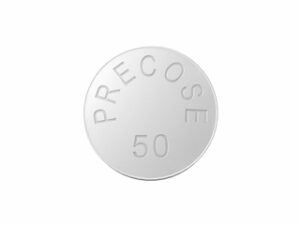
| Common dosage forms | Tablets (strengths may vary) |
| Where it’s used | UK healthcare settings for eligible patients |
| Typical side effects | Gas, bloating, diarrhoea, stomach discomfort |
What is Acarbose?
Acarbose belongs to a class of medicines called alpha-glucosidase inhibitors. It is taken by mouth and works in the digestive system to reduce the rate at which carbohydrates from food are broken down into glucose. Because it targets digestion in the gut, it can be especially helpful for lowering blood sugar spikes after meals.
In everyday terms: acarbose “slows down” the conversion of some dietary starches and sugars into glucose so that glucose enters the bloodstream more gradually.
How Acarbose Works (Mechanism of Action)
After you eat, carbohydrates are broken down by enzymes in the small intestine into glucose and other simple sugars. Acarbose inhibits enzymes (notably alpha-glucosidase) located in the intestinal brush border.
- Reduced glucose release: Less carbohydrate is converted into absorbable glucose in the small intestine.
- Lower post-meal peaks: This helps reduce the size of blood glucose rises after meals.
- More gradual absorption: Remaining carbohydrates that are not digested immediately are processed differently along the gut, leading to a slower overall rise in glucose.
Importantly, acarbose mainly affects carbohydrates. It does not directly “treat” a rapid, established low blood sugar caused by insulin or some other diabetes medicines. That’s why knowing what to do in a hypo is crucial (see “FAQ” and safety sections below).
Pharmacokinetics (How the Body Handles It)
“Pharmacokinetics” describes how the body absorbs, distributes, metabolises, and excretes a medicine. With acarbose, much of the effect is local in the gut.
- Absorption: Only a small amount of acarbose is absorbed into the bloodstream.
- Local gut action: The main therapeutic action occurs within the gastrointestinal tract, where it inhibits carbohydrate-digesting enzymes.
- Metabolism: Acarbose is metabolised in the gut and further processed in the body.
- Elimination: Metabolites are excreted primarily via faeces; some elimination occurs through urine.
Practical takeaway: because the main action is in the gut and timing with meals is important, taking acarbose at the start of meals is central to good results.
Typical Uses in the UK
In UK clinical practice, acarbose is used to improve glycaemic control—particularly post-meal blood sugar levels. It may be prescribed for adults with type 2 diabetes where postprandial glucose is an issue, or as part of a wider diabetes management plan.
Your clinician will decide whether acarbose is suitable based on your overall treatment, health history, and tolerance.
Indications (Who it may be for)
- Type 2 diabetes mellitus in adults, particularly when blood sugar rises after meals.
- Sometimes used alongside diet and other glucose-lowering treatments, depending on your circumstances and how well your blood sugar is controlled.
When to Take Acarbose (Timing with Food)
Timing is one of the most important parts of using acarbose effectively. Take acarbose with the first bite of food (or at the start of the meal).
- At the start of each main meal: This helps the medicine inhibit the enzymes as digestion begins.
- With snacks: If a snack contains carbohydrates and your prescriber has advised it, take it at the start of the snack. If unsure, follow your treatment plan.
- If you skip a meal: Do not take a dose for a meal you did not eat.
If you regularly forget doses, post-meal blood glucose may not improve as expected and side effects may be harder to manage.
Dosing (General Guidance)
Dosing can vary by the specific product strength and your individual needs. Always follow the instructions provided with your medicine.
Below is typical starting and adjustment information commonly used in clinical practice, given in a patient-friendly way:
- Starting dose: Often started at a low dose to reduce stomach side effects, then increased gradually.
- Meal-based dosing: Usually taken three times daily with main meals (if that matches your plan).
- Up-titration: Your clinician may increase the dose every couple of weeks depending on tolerance and blood glucose readings.
- Maximum dose: There is an upper limit; you should not exceed it unless specifically instructed.
Do not adjust your dose without medical advice, especially if you are also taking insulin or other diabetes medicines.
Food Interactions: What to Eat (and What to Expect)
Because acarbose affects carbohydrate digestion, food choices influence both effectiveness and side effects. You may notice more gas or bloating if you eat a high-carbohydrate meal.
How carbohydrates interact with acarbose
- Starchy and sugar-containing foods: These are the main targets of the enzyme inhibition.
- Gradual improvement is normal: Some people need time for their gut to adjust, particularly during the first weeks.
Practical meal tips
- Try smaller carbohydrate portions at first: This can help reduce gastrointestinal symptoms while your dose is adjusted.
- Spread carbohydrate intake through the day: Regular balanced meals may be easier to manage.
- Monitor blood glucose: Use your test strips or continuous glucose monitoring (if you have one) to see how different meals affect you.
Sugars you should know about during hypos
A key safety point: acarbose can slow the digestion of complex carbohydrates. During a period of low blood sugar (hypoglycaemia), you should choose fast-acting glucose sources that don’t rely on digestion steps that acarbose affects.
- Use glucose (dextrose) or a glucose-based treatment suitable for hypos.
- Avoid relying solely on table sugar (sucrose) or starchy foods for rapid treatment of a hypo. (Sucrose also needs digestion steps; glucose tablets/gels are designed for speed.)
Alcohol and Medicine Interactions
Alcohol can affect blood sugar levels and may increase the risk of low blood sugar, particularly if you are taking other glucose-lowering medicines. It can also irritate the stomach, which may make gastrointestinal side effects from acarbose feel worse.
Practical advice
- Moderate and monitor: If you drink alcohol, do so in moderation and monitor your blood glucose as advised.
- Eat with alcohol: Having food with alcohol may help reduce risk of hypos.
- Be cautious with “low sugar” drinks: Some drinks may still cause glucose fluctuations due to your overall diet and diabetes medicines.
Drug interactions (general)
Acarbose can interact with other medicines that affect digestion or glucose metabolism. Always provide a complete list of your medicines (including over-the-counter products and herbal remedies) to a healthcare professional.
- Other diabetes medicines: When combined with insulin or insulin secretagogues (like sulfonylureas), the risk of hypoglycaemia may increase.
- Digestive aids and adsorbents: Some products can affect absorption or gut activity. Don’t combine without advice.
- Enzyme-containing digestive products: These may influence the intended effect of acarbose.
If you have questions about a specific product or brand, check with your clinician or pharmacist.
Safety Profile and Side Effects
Like all medicines, acarbose can cause side effects. Many are related to its action in the gut and may lessen as your body adjusts. However, some symptoms require medical attention.
Common side effects
- Flatulence (gas)
- Bloating
- Diarrhoea
- Stomach discomfort or cramps
- Nausea (occasionally)
Less common but important warnings
- Severe or persistent diarrhoea or abdominal pain: seek medical advice.
- Liver effects (uncommon): medicines in this class may affect liver enzymes in some people. Your clinician may monitor blood tests if needed.
- Worsening bowel conditions: if you have inflammatory bowel disease or digestive disorders, discuss suitability before starting.
Who should be extra careful?
If you have a history of significant gut disease, malabsorption, or abnormal liver tests, talk to a healthcare professional. Also inform them if you are pregnant, planning pregnancy, or breastfeeding.
Practical Use Tips (How to Get the Best Results)
1) Start low and build up gradually
Gastrointestinal side effects are often reduced by gradual dose escalation. Follow your titration schedule closely.
2) Take it with the first bite
Taking acarbose too early or too late can reduce effectiveness and may worsen symptoms.
3) Use consistent meal patterns
- Try to keep carbohydrate meals fairly consistent in size and timing.
- If you change your diet significantly, your blood glucose pattern may change—monitor accordingly.
4) Track post-meal glucose
If advised, use home testing to understand your “post-meal” response. This helps identify meals that are harder to control.
5) Manage GI symptoms smartly
- Smaller portions of carbohydrate can help.
- Give your body time during early weeks if side effects are mild.
- If symptoms are severe, contact your healthcare professional—dose adjustment may be needed.
Alternatives to Acarbose
If acarbose isn’t suitable, or if it doesn’t help enough, there are several other approaches to post-meal glucose management. Your clinician will choose based on your diabetes type, other health conditions, weight goals, and risk of hypos.
- Metformin: Often first-line for type 2 diabetes, primarily lowers glucose production by the liver.
- GLP-1 receptor agonists: Can reduce appetite and slow gastric emptying; often improve post-meal glucose.
- DPP-4 inhibitors: Help increase insulin release and reduce glucagon in a glucose-dependent way.
- Other glucose-lowering tablets (depending on clinical suitability): for example, sulfonylureas or SGLT2 inhibitors.
- Rapid-acting meal-time insulin in selected circumstances.
- Lifestyle changes: dietary adjustments, physical activity after meals, and weight management can significantly improve post-meal glucose.
Whether an alternative is better depends on your individual response, side-effect profile, and the medicines you already take.
UK Market, Legal and Healthcare Context
In the United Kingdom, medicines are regulated and dispensed according to strict standards. Acarbose is an established medicine used within NHS and private care settings where appropriate. Your supply route and eligibility depend on how your healthcare provider assesses your needs.
When buying medicines online in the UK, reputable pharmacies ensure compliance with UK medicines regulation and provide the correct product, strength, and packaging. If you have any doubts about the authenticity or legitimacy of a site, choose a UK-licensed online pharmacy.
Recent guidance (high-level)
UK diabetes care continues to emphasise personalised treatment targets, diet and activity support, and safe medicine use with attention to avoiding hypoglycaemia. Clinical practice often focuses on:
- Individualising therapy based on glucose pattern (including post-meal readings)
- Balancing efficacy with tolerability (especially gastrointestinal side effects)
- Coordinated monitoring and patient education
Always rely on advice from your healthcare team for the most up-to-date recommendations relevant to your situation.
Delivery and Availability (Online Pharmacy Information for the UK)
Availability can vary depending on product strength and stock levels. When ordering online, you may be able to choose delivery options offered by the pharmacy, subject to regulations and prescription requirements where applicable.
- Stock checks: Reputable pharmacies show availability status and expected dispatch times.
- Delivery address: Ensure your delivery details are correct to prevent delays.
- Packaging: Medicines are typically shipped in protective packaging with temperature and handling considerations where required.
If you need to start treatment urgently, contact the pharmacy service before ordering to confirm dispatch times.
Safety FAQ
1) How quickly does acarbose work?
Acarbose begins working during digestion at the meal where it is taken. Its main effect is seen in reduced post-meal glucose rises rather than immediate changes throughout the day.
2) What should I do if I miss a dose?
If you miss a dose for a meal, take it only if you are about to eat that meal. If the meal has already finished, skip that dose and take your next dose with the next meal. Do not take double doses.
3) Can acarbose cause low blood sugar?
On its own, acarbose has a lower risk of causing hypoglycaemia because it does not directly increase insulin release. However, if taken with insulin or medicines that lower glucose (such as sulfonylureas), the risk of hypos can increase.
4) How should I treat a hypo while taking acarbose?
Use fast-acting glucose such as glucose tablets or glucose gel. Because acarbose can slow carbohydrate digestion, avoid relying on foods that require digestion steps to become glucose quickly. If you experience frequent hypos, seek advice to adjust your plan.
5) Are the stomach side effects serious?
Gas, bloating, and diarrhoea are common, especially early on. If symptoms are mild, they may improve as your body adjusts. If you develop severe diarrhoea, strong abdominal pain, blood in stools, signs of dehydration, or symptoms that don’t improve, contact a healthcare professional promptly.
6) Is it okay to drink alcohol?
In general, moderate alcohol may be possible, but it can increase the risk of low blood sugar and may worsen gastrointestinal side effects. Monitor your glucose if you drink, and eat with alcohol when appropriate.
7) Can I take acarbose with other medicines?
Many combinations are possible, but some medicines may interact. Tell your pharmacist or clinician about all medicines you use—including non-prescription products, supplements, and digestive preparations.
8) Who shouldn’t take acarbose?
Suitability depends on your medical history. People with certain bowel disorders, malabsorption issues, or significant liver concerns may not be suitable. Discuss your conditions and medications with a healthcare professional before starting.
9) Can I stop acarbose if side effects are uncomfortable?
Don’t stop suddenly without advice. If side effects are affecting your wellbeing, contact your healthcare professional. They may adjust the dose, timing, or provide advice on diet and titration.
10) Does diet still matter if I take acarbose?
Yes. Acarbose helps with post-meal glucose, but healthy eating patterns and overall carbohydrate management remain essential for long-term diabetes control and health outcomes.
Summary: Using Acarbose Safely and Effectively
- Take with the first bite of each main meal for best effect.
- Expect gut side effects (gas, bloating, diarrhoea), especially during early weeks; dose adjustments often help.
- Choose glucose for hypos (glucose tablets/gel), particularly if you’re also on insulin or other hypo-causing medicines.
- Be cautious with alcohol and monitor your blood glucose.
- Keep your clinician informed about other medicines, stomach symptoms, and any changes in health.
If you have questions about whether acarbose fits your needs, or you’re unsure how to time your doses with your meals, speak to a healthcare professional or a pharmacist for personalised advice.