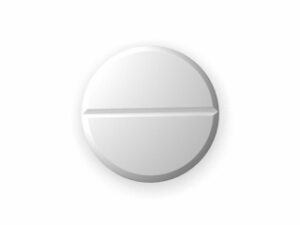


Hypnite (Eszopiclone) — Patient Information for the UK
Hypnite contains eszopiclone, a medicine used to help treat insomnia. It is designed to help you fall asleep and may also help reduce night-time awakenings for some people.
This guide explains how Hypnite works, how it is usually taken, what to consider with food and other medicines (including alcohol), and practical advice to support safer use. It also includes relevant UK context and answers frequently asked questions.
1) Basic product information
- Brand name: Hypnite
- Generic name (active ingredient): Eszopiclone
- Medicine type: Hypnotic (sleep medicine), part of the “Z-drug” group
- Common form: Oral tablets
- Who it may suit: Adults experiencing short-term insomnia (as advised by a healthcare professional)
Note: Strengths, tablet appearance, and exact packaging can vary by product presentation. Always check the pack and follow the directions given to you.
2) What Hypnite is and when it is used
Indication (typical use): Hypnite is used for the treatment of insomnia in adults. It is particularly considered when insomnia is causing significant distress or impairment.
- Falling asleep difficulties (sleep-onset insomnia)
- Night-time sleep disruption (for some people, reduced awakenings)
Sleep medicines are usually intended for short-term use, and non-drug approaches (such as good sleep habits and cognitive behavioural strategies) may be recommended alongside or instead of ongoing medication.
3) How Hypnite works (mechanism of action)
Eszopiclone belongs to the Z-drug class and acts on the brain’s GABA system. Specifically, it modulates the GABA-A receptor, which is an important inhibitory pathway in the nervous system.
- It enhances the effect of the neurotransmitter GABA
- This results in reduced brain activity and promotes sleep
- Effects can include improved ability to fall asleep and maintaining sleep for some individuals
4) Pharmacokinetics (how the body handles eszopiclone)
Pharmacokinetics describes how the drug is absorbed, distributed, metabolised, and eliminated.
| Property | What to know (patient-friendly) |
|---|---|
| Absorption | Eszopiclone is absorbed from the gut after taking a tablet. |
| Time to effect | It typically starts helping with sleep within about 30 minutes after taking it (individual experience may vary). |
| Distribution | It reaches the brain and affects sleep-related pathways. |
| Metabolism | Mainly metabolised by liver enzymes (notably CYP3A4 and other pathways). This means other medicines can affect its levels. |
| Elimination | Metabolites are removed mainly via the urine and faeces. |
| Duration | Because it can cause next-day effects in some people, avoiding activities that need full alertness is important—especially the first few doses. |
Important: Individual response varies. Age, liver function, and other medicines can change how quickly and strongly you feel effects.
5) Typical use and timing
How it is usually taken: Hypnite is taken just before bedtime or when you are ready to sleep.
- Only take it when you can get a full night’s sleep (for example, at least 7–8 hours, depending on local advice and your personal routine).
- Do not take it during the night if you are unsure you can sleep for the rest of the night.
- Take with water unless your pharmacist or prescriber advised otherwise.
When you might notice benefit: Many people notice sleepiness within about 30 minutes. If you take it and still cannot sleep, do not take extra tablets to “catch up.”
If you wake during the night: Avoid taking more than the recommended dose. Discuss persistent problems with a clinician.
6) Food interactions (including meals)
Food can affect absorption and timing of effect. In general:
- Taking Hypnite with or shortly after a heavy meal may delay onset of sleepiness for some people.
- For best timing, many patients take it after a light evening meal or once the evening meal is finished.
Practical tip: If you routinely take it at the same time each night, keep your routine consistent and note how it affects you.
7) Alcohol and medicine interactions
Alcohol
Do not mix Hypnite with alcohol. Alcohol can increase the risk of:
- Excessive sedation (feeling very drowsy)
- Impaired coordination and slowed reaction time
- Blackouts or unusual behaviours during sleep
- Breathing problems, especially in vulnerable individuals
If you have already had alcohol, it is safest to avoid taking Hypnite that night and seek advice.
Other medicines (common interaction categories)
Hypnite can interact with other medicines that affect the nervous system or liver metabolism. Always check with a pharmacist if you are taking any of the following:
- Opioid painkillers (e.g., morphine, oxycodone, codeine) — combined use can increase drowsiness and breathing risks
- Other sedatives (including some antihistamines that cause drowsiness, antipsychotics, certain antidepressants)
- Anti-anxiety medicines (benzodiazepines)
- Strong CYP3A4 inhibitors (some antifungals like ketoconazole; certain antibiotics like clarithromycin; some HIV medicines) — can increase eszopiclone levels
- Strong CYP3A4 inducers (some epilepsy medicines like carbamazepine, phenytoin; rifampicin) — can reduce effect
Always tell your pharmacist about all medicines you take, including:
- Over-the-counter products
- Herbal remedies
- Cannabidiol (CBD) or cannabis products
Driving and machinery: Hypnite can impair your ability to drive or use tools and machines. Do not drive if you feel drowsy or not fully alert.
8) Indications, dosing, and duration (UK-friendly guidance)
Because dosing can be individualised, always follow the dose on your pack and the plan given to you by a healthcare professional. The information below is intended as general guidance.
Typical adult dosing approach
- Adults (general): Common starting doses are used based on the severity of insomnia and tolerability.
- Elderly or frail adults: Doses are often lower to reduce next-day impairment and side effects.
- Liver impairment: Dose adjustments are typically needed because eszopiclone metabolism may be reduced.
Do not exceed the prescribed dose. Using more than recommended increases the risk of serious side effects, including falls, blackouts, and unsafe behaviours during sleep.
When and how long to use
- Hypnotic medicines like Hypnite are usually intended for short-term treatment.
- Long-term nightly use may be associated with tolerance and dependence-like effects for some people.
- If insomnia lasts beyond a short course, review the underlying cause with a healthcare professional.
9) Safety profile and side effects
Most people tolerate Hypnite reasonably well, but it can cause side effects. If you experience severe symptoms or worrying reactions, seek urgent medical help.
Common side effects
- Sleepiness or drowsiness
- Dizziness
- Headache
- Dry mouth
- Nausea or stomach discomfort
- Unpleasant taste in some people
Next-day effects
Even when taken as directed, some people experience:
- Residual drowsiness
- Slowed reaction time
- Feeling “hungover”
- Impaired coordination
Tip: Avoid driving, operating machinery, or risky tasks until you know how Hypnite affects you.
Less common but important risks
Hypnotics can rarely cause:
- Complex sleep-related behaviours (such as sleepwalking, sleep-driving, or preparing food while not fully awake)
- Memory problems (amnesia for events)
- Dependence and withdrawal symptoms if used regularly for longer periods
- Worsening of depression in susceptible individuals
Seek advice immediately if you notice unusual behaviours, blackouts, severe mood changes, or thoughts of self-harm.
Who should take extra caution
- Older adults
- People with breathing problems (e.g., COPD, sleep apnoea)
- People with liver impairment
- People taking other sedating or pain-relieving medicines
- Those with a history of substance misuse
10) Practical use tips for safer sleep
Using Hypnite safely is not only about the tablet—it is also about the way you use it and your sleep environment.
- Use it as a short course: If you have insomnia often, address the cause rather than escalating use.
- Create a consistent bedtime routine: Keep wake-up times steady even on weekends.
- Make your bedroom sleep-friendly: Dark, quiet, and cool.
- Avoid heavy work or screens right before bed: Consider dim lights and calming activities.
- Do not take extra doses: Never “double up” if you didn’t sleep.
- Review alcohol use: Alcohol can worsen insomnia long-term and increase sedation risks.
- Consider CBT-I: Cognitive behavioural therapy for insomnia (CBT-I) is an evidence-based approach and may reduce the need for medication over time.
11) Alternative options for insomnia
Depending on the type and cause of insomnia, alternatives may include:
Non-medicinal options
- CBT-I (cognitive behavioural therapy for insomnia): Often recommended as a first-line treatment
- Sleep hygiene strategies: Regular schedule, limiting caffeine, reducing naps
- Relaxation techniques: Breathing exercises, progressive muscle relaxation
- Address contributing factors: Pain, stress, anxiety, depression, restless legs, or reflux
Other medicine classes (examples)
- Other “Z-drugs” (depending on suitability)
- Melatonin-containing products (in some circadian rhythm-related patterns)
- Certain antidepressants used at low doses for sleep in specific cases (clinician-led decisions)
Important: Not all sleep medicines are appropriate for everyone. Factors such as age, liver function, breathing disorders, and current medications influence the choice.
12) Market and legal context in the United Kingdom
In the UK, insomnia treatments must follow national guidance and regulatory requirements. Sleep medicines are monitored for safety, and healthcare professionals consider risks such as sedation, falls, dependency potential, and complex sleep behaviours.
Eszopiclone is an established medicine in the “Z-drug” category. UK availability and prescribing practices may vary based on:
- Individual clinical assessment
- Local NHS or service protocols
- Regulatory updates and safety communications
- Formulation and strength availability
Recent safety emphasis (general): UK and European safety communications for Z-drugs have historically highlighted the importance of:
- Using the lowest effective dose
- Avoiding alcohol and other sedatives
- Stopping or reviewing treatment if complex sleep behaviours occur
- Not taking additional doses and ensuring enough time for sleep
13) Delivery and availability in the UK
Hypnite availability online may differ by pharmacy and stock levels. Delivery options typically include standard and sometimes express services depending on the provider and your location.
- Availability: Subject to local supply and whether the specific strength/pack size is in stock.
- Dispatch timing: Usually depends on order processing times and pharmacy schedules.
- Packaging: Kept secure and discreet for privacy.
- Storage: Store tablets as directed on the packaging (commonly at room temperature, away from moisture and heat).
Advice: If you need Hypnite urgently to manage ongoing insomnia, check stock levels and delivery estimates before placing an order.
14) Frequently Asked Questions (FAQ)
Can I take Hypnite if I feel I only have a few hours to sleep?
No. You should only take eszopiclone when you can get a full night’s sleep. If you take it and then wake soon after, the chance of next-day impairment is higher.
How long does Hypnite take to work?
Many people feel drowsy within about 30 minutes. However, individual responses vary. Avoid activities requiring full alertness after taking it.
What if I still can’t sleep after taking a dose?
Do not take an additional dose. If insomnia persists, speak with a healthcare professional for advice and to review the underlying cause.
Is Hypnite safe for long-term use?
Hypnotics are generally intended for short-term treatment. Longer use may increase risks such as tolerance, dependence, and withdrawal symptoms. A review plan is recommended if symptoms continue.
Can I drive the next morning after taking Hypnite?
Do not drive if you feel drowsy, slow, or not fully alert. Next-day effects can occur, especially after the first doses or if you are taking other sedating medicines.
Does food affect Hypnite?
Yes. Heavy meals can delay the onset of sleep. For better timing, take it when you are ready for bed and not immediately after a large meal.
Can I drink alcohol while taking Hypnite?
No. Alcohol increases the risk of excessive sedation, impaired behaviour, and dangerous side effects. Avoid alcohol on nights you take Hypnite.
What medicines should I be careful with?
Be especially cautious with medicines that also make you drowsy (such as opioids and benzodiazepines) and with certain drugs that affect liver metabolism (which can change eszopiclone levels). Ask a pharmacist to check your list of medicines.
What side effects should make me stop and get help?
Seek medical advice urgently if you experience complex sleep behaviours (like sleepwalking or sleep-driving), severe allergic reactions, breathing difficulties, significant mood changes, or severe confusion.
Can I take Hypnite with other sleep medicines or antihistamines?
Combining sedatives can raise risks. Always check with a pharmacist before combining products, even those bought over the counter.
What should I do if I miss a dose?
If you forget and it is no longer bedtime, skip the missed dose. Do not take extra tablets to make up for a missed dose.
Summary
Hypnite (eszopiclone) is a “Z-drug” sleep medicine that helps manage insomnia by acting on the brain’s GABA-A pathways. It is typically taken just before bedtime and works relatively quickly for sleep initiation for many people.
For safer use in the UK, remember to:
- Take it only when you can sleep the whole night
- Do not drink alcohol or combine with other sedatives without advice
- Be alert to next-day drowsiness and avoid driving if affected
- Use the lowest effective dose for the shortest appropriate duration
If your insomnia persists or you experience troubling side effects, discuss your situation with a healthcare professional promptly. Sleep problems often have treatable causes, and the right plan can improve quality of life.