
Betapace (Sotalol) — Patient Information (UK)
Betapace contains the active ingredient sotalol. It is a medicine used to help control certain abnormal heart rhythms by slowing electrical signals in the heart and reducing the heart’s tendency to develop dangerous rhythm disturbances.
This guide is written to be patient-friendly and UK-focused. It explains what Betapace is, how it works, how it behaves in the body, when it is used, how it is taken, and what to watch for. Always follow the advice given by your healthcare professional and read the patient information leaflet that comes with your medicine.
1) Basic product information
- Brand name: Betapace
- Generic name: Sotalol
- Medicine type: Antiarrhythmic (class III, with beta-blocking effects)
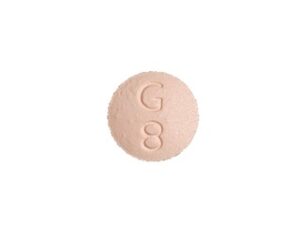
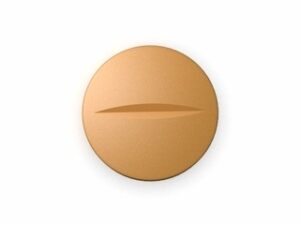
- How it is taken: Usually by mouth (tablets)
- Common strengths: Availability can vary by product and manufacturer
Betapace is used for people who have been diagnosed with certain rhythm problems. It requires careful dosing and monitoring in many cases because it can affect the heart’s electrical timing (especially the QT interval).
2) How Betapace works (mechanism of action)
Sotalol helps stabilise heart rhythm by acting in two main ways:
- Class III antiarrhythmic effect: It prolongs the electrical recovery phase of the heart cells, which can help prevent abnormal rapid rhythms.
- Beta-blocking (class II) effect: It also reduces the effects of adrenaline on the heart, slowing the heart rate and reducing excitability.
The combined effect can reduce episodes of certain tachyarrhythmias (fast abnormal rhythms). However, because it alters electrical conduction, it can also increase the QT interval in some people—this is one reason why monitoring may be needed.
3) Pharmacokinetics: what happens in the body
Pharmacokinetics describes how the body absorbs, distributes, metabolises, and eliminates a medicine. For sotalol:
- Absorption: Sotalol is absorbed after oral dosing.
- Time to effect: The medicine begins working within hours; steady rhythm control may require regular dosing over days.
- Distribution: It distributes through the body, including to cardiac tissue.
- Metabolism: Sotalol is not extensively metabolised; much of it remains unchanged.
- Elimination: Mainly cleared by the kidneys.
- Half-life: The elimination half-life is long enough that dosing is often twice daily, but exact intervals depend on kidney function.
Because sotalol is cleared largely by the kidneys, your prescriber may adjust the dose if you have kidney impairment and may monitor your kidney function and heart rhythm more closely.
4) What Betapace is used for (indications)
Betapace is an antiarrhythmic medicine used in the management of certain abnormal heart rhythms. In the UK, indications may include:
- Ventricular arrhythmias (fast rhythms arising from the lower chambers), where appropriate.
- Atrial arrhythmias such as atrial flutter or atrial fibrillation in selected patients, under specialist care.
Not everyone with palpitations or irregular heartbeat needs sotalol. The correct choice depends on the type of rhythm disturbance, severity, symptoms, your heart function, and your risk factors. Your cardiology team will determine whether sotalol is suitable for you.
5) When to take Betapace (timing and missed doses)
Sotalol is typically taken twice daily (for example, morning and evening), but your exact schedule should follow your treatment plan.
How to take it
- Take the tablets at roughly the same times each day.
- Swallow with water.
- Do not stop suddenly unless instructed, because rhythm control may worsen.
If you miss a dose
- If you forget a dose, take it when you remember unless it is close to the time for your next dose.
- Do not take a double dose to make up for the missed one.
- Seek advice from your healthcare professional or pharmacist if you are unsure.
6) Food interactions and lifestyle considerations
Many patients can take sotalol with or without food, but consistent habits are important. Some people find that taking it with food reduces stomach discomfort.
- Food: Generally, no major dietary restriction is required for most people, but follow your leaflet and clinician advice.
- Consistency: Try to take it in the same way each day (either always with food or always on an empty stomach) if your leaflet advises so.
If you have been told about specific dietary measures (for example, for blood pressure or fluid balance), follow those instructions.
7) Alcohol and medicine interactions
Alcohol
Alcohol can affect heart rhythm in some people and may worsen dizziness, low blood pressure, or light-headedness—effects that can be relevant with sotalol’s beta-blocking activity. It is sensible to:
- Limit alcohol and avoid binge drinking.
- Be cautious if you have previously experienced faintness or significant dizziness.
Important medicine interactions
Sotalol has a well-known interaction profile because other medicines can also affect heart rhythm and the QT interval, or influence heart rate and blood pressure.
Always check with a pharmacist or prescriber before starting or stopping medicines.
- Other QT-prolonging medicines: Combining with drugs that prolong the QT interval can increase the risk of dangerous rhythms.
- Medicines affecting electrolytes: Low potassium or low magnesium can increase QT risk. This can happen with certain diuretics and some other treatments.
- Other heart-rate–slowing medicines: Some medicines used for blood pressure or heart rhythm may add to effects on heart rate and conduction.
- Calcium-channel blockers (certain types): When combined with beta-blocking medicines, heart rate and conduction may be further affected.
- Digoxin: Can interact by affecting rhythm control and heart rate.
- Antiarrhythmics: Combining with other rhythm medicines may increase risk unless carefully planned.
- Some antibiotics/antifungals: Certain classes can prolong the QT interval.
Take special care with: new medicines (including over-the-counter products), herbal remedies, and supplements. Many people forget that some cold remedies or anti-nausea medicines may affect heart rhythm.
8) Dosing: typical regimens and key points
Dosing of Betapace (sotalol) must be individualised. It depends on the rhythm being treated, your ECG results, heart function, and especially your kidney function.
Your clinician may perform baseline ECG testing and then repeat ECGs after dose changes to assess how your QT interval and heart rate respond.
Starting dose
Typical starting strategies in clinical practice begin with a lower dose and may increase gradually if needed and safe. The exact dosing depends on your condition and monitoring results.
Maintenance dosing
Many regimens use divided doses (often twice daily). Dose adjustments may be required for:
- Reduced kidney function
- Changes in ECG/QT interval
- Symptoms such as dizziness or fainting
- Electrolyte status (potassium and magnesium)
Electrolytes and monitoring
It is common to check blood tests for electrolytes, particularly:
- Potassium
- Magnesium
Low levels may increase risk, so your prescriber may advise supplements or medication changes depending on the cause.
Do not adjust your dose yourself
If you feel your symptoms are not controlled or you experience side effects, contact your healthcare professional. Dose changes should be done with appropriate ECG and clinical monitoring.
9) Safety profile: common and serious risks
Like all medicines, Betapace can cause side effects. Many are manageable, but because sotalol affects heart rhythm, some effects require urgent attention.
Common side effects
- Dizziness or light-headedness
- Fatigue or tiredness
- Headache
- Nausea
- Slow heart rate (bradycardia)
Serious risks to be aware of
- QT interval prolongation: This can, in rare cases, lead to a dangerous rhythm called torsades de pointes.
- Fainting or near-fainting (syncope), which may indicate an unstable rhythm.
- Worsening heart failure symptoms in susceptible people (e.g., breathlessness, swelling).
- Severe slow heart rate or conduction problems.
If you experience chest pain, fainting, or severe dizziness, seek urgent medical help.
When to be extra careful
Risk may be higher if you have:
- Kidney impairment (because sotalol is cleared by the kidneys)
- Low potassium or magnesium
- Existing ECG QT prolongation
- Concomitant medicines that affect QT or heart rate
- Heart failure or significant structural heart disease
10) Practical use tips for patients
- Attend ECG appointments: Dose changes and early treatment periods often require ECG monitoring.
- Keep a medicine record: List all medicines, including over-the-counter products and supplements. Share it with your pharmacist.
- Check your blood pressure and pulse if advised: Some patients are asked to track heart rate at home.
- Stay hydrated: Dehydration can affect kidney function and electrolyte balance for some people.
- Avoid “new” supplements without checking: Herbal products and supplements can interact indirectly.
- Do not stop suddenly: If you need to stop, your clinician will usually provide a safe plan.
- Recognise early warning signs: Seek advice promptly if you notice worsening palpitations, dizziness, or unusual shortness of breath.
11) Alternative options (when sotalol may not be suitable)
If Betapace is not suitable due to ECG findings, side effects, or interactions, healthcare professionals may consider alternatives depending on the rhythm type and your health profile. Options may include:
- Other antiarrhythmic medicines: Different drugs may be chosen to target rhythm control with a different safety profile.
- Rate-control medicines: Sometimes slowing the heart rate rather than restoring rhythm is preferred.
- Procedural options: For some arrhythmias, specialist procedures (such as catheter ablation) may be discussed.
- Managing underlying triggers: Treating causes such as thyroid problems, electrolyte imbalance, or sleep apnoea can improve rhythm stability.
Your cardiology team can explain which alternatives fit your specific diagnosis and risk level.
12) Betapace in the UK: market and legal context
In the United Kingdom, branded medicines such as Betapace are regulated through the Medicines and Healthcare products Regulatory Agency (MHRA). Medicines are supplied within national rules for prescribing, dispensing, and pharmacy supply.
Supply availability can change over time due to manufacturing cycles, distribution, or stock fluctuations. UK pharmacies typically follow processes that support safe supply, patient safety checks, and traceability where required.
Recent guidance and monitoring trends (general)
While guidance evolves, common UK clinical safety practices for sotalol include:
- Emphasis on baseline and follow-up ECG monitoring, particularly during initiation and dose changes.
- Checking renal function before and during therapy.
- Reviewing drug interactions that may prolong QT or reduce electrolytes.
- Attention to patient education about symptoms requiring urgent review (fainting, severe dizziness, palpitations).
Always follow the most current advice from your clinician and refer to the official patient leaflet for your product.
13) Delivery and availability (online pharmacy)
Availability of Betapace can vary by strength and formulation. When ordering online, it is important to:
- Check the product details carefully (strength and dosing form).
- Confirm that the medicine matches your usual supply.
- If you have multiple prescriptions, order the correct items and quantities to avoid missed doses.
For delivery, UK online pharmacies typically offer standard and express options depending on location and provider. Delivery times can be influenced by couriers, weekends, and stock levels. If your medicine is urgent for rhythm control, contact the pharmacy support team as soon as possible.
Storage: Keep tablets in the original packaging, store at the recommended temperature stated on the label, and keep out of reach of children.
14) FAQ
How quickly does Betapace start working?
Sotalol begins affecting heart rhythm within hours, but stable rhythm control may require consistent dosing over several days. Your clinician may monitor ECG changes after initiation and dose adjustments.
Why do I need ECG monitoring?
Betapace can prolong the QT interval and slow the heart rate. ECG monitoring helps your healthcare team check whether the medicine is safe for you at the chosen dose.
Can I take Betapace with food?
Many people can take it with or without food. Follow your leaflet and advice from your healthcare professional. If you feel stomach discomfort, taking it with food may help—keep the pattern consistent unless told otherwise.
What should I do if I feel dizzy after taking Betapace?
Dizziness can be a side effect. If it is mild, sit or lie down and contact your pharmacist or clinician for advice. If you feel faint, have severe dizziness, chest pain, or you pass out, seek urgent medical help.
Does Betapace affect blood pressure?
It can. Because it has beta-blocking activity, some people experience lower blood pressure or slow heart rate. Monitoring may be recommended.
Can I drink alcohol while taking Betapace?
Alcohol may worsen dizziness or affect heart rhythm in some people. Keep alcohol intake limited and be cautious, especially if you have experienced faintness or low blood pressure.
What medicines should I avoid?
Avoid starting new medicines (including over-the-counter and herbal products) without checking first. Particular caution is needed with medicines that prolong the QT interval, slow the heart rate, or affect potassium/magnesium levels.
Is sotalol safe for people with kidney problems?
Caution is needed. Since sotalol is cleared largely by the kidneys, dose adjustments and closer monitoring may be required. Your prescriber will assess kidney function.
Can I stop Betapace suddenly?
Do not stop without medical advice. Stopping abruptly may lead to loss of rhythm control and could make symptoms return.
What if I miss a dose?
Take it when you remember unless it is close to the next dose. Do not take a double dose. If you are unsure, contact your pharmacist.
15) Quick reference summary
| Topic | Key point |
|---|---|
| Active ingredient | Sotalol |
| What it’s for | Certain abnormal heart rhythms (antiarrhythmic therapy) |
| How it works | Prolongs electrical recovery (class III) + beta-blocking effects |
| Where it leaves the body | Primarily via kidneys |
| Important monitoring | ECG (QT interval), kidney function, electrolytes (often potassium/magnesium) |
| Common side effects | Dizziness, tiredness, nausea, slow heart rate |
| Serious warning signs | Fainting, severe dizziness, chest pain, worsening breathlessness |
| Alcohol | Limit; can worsen dizziness and may affect rhythm in some people |
| Drug interactions | Check QT-prolonging medicines and medicines affecting electrolytes/heart rate |
Remember: Betapace is a medicine that can be highly effective for rhythm control, but it needs careful individual assessment and monitoring. If you have questions about your specific condition, your dose schedule, or potential interactions, speak to your pharmacist or healthcare team.