
Rogaine (Minoxidil) – Patient Information (UK)
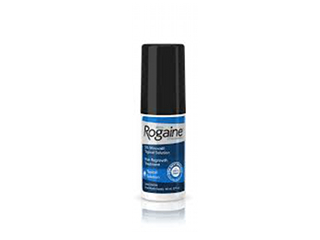
Rogaine is a brand of topical minoxidil, a medicine used to help with hair loss. It is available in the UK in different strengths and forms (commonly foams or solutions). This guide explains what Rogaine is, how it works, how to use it, what to expect, safety considerations, and practical tips—written to be clear and patient-friendly.
Hair regrowth varies between individuals. If you’re unsure which option is suitable for you, consider speaking to a healthcare professional or a pharmacist for personalised advice.
Quick Facts
- Active ingredient: Minoxidil
- Route: Topical (applied to the scalp)
- Common uses: Pattern hair loss (androgenetic alopecia) in adults
- Typical timeframe: Results usually take months
- Important: Continued use helps maintain benefits
Basic Product Information
In the United Kingdom, Rogaine products containing minoxidil are marketed for scalp hair loss. They are commonly used for:
- Men: Androgenetic alopecia (pattern baldness) on the crown or thinning areas.
- Women: Pattern hair loss (often with thinning rather than complete bald patches).
Depending on the product line, strengths may differ (commonly 2% or 5% minoxidil). Formulation differences (foam vs solution) can affect the feel and ease of application, but the core active ingredient is minoxidil.
How Rogaine Works (Mechanism of Action)
Minoxidil works mainly by stimulating hair follicles to grow thicker and possibly longer hair and to prolong the hair growth phase (the anagen phase). While the exact mechanisms are not fully understood, key actions include:
- Improving blood supply to hair follicles by causing local vasodilation.
- Modulating growth signals within the follicle.
- Potentially increasing follicle size (hair may look thicker over time).
It is not a “quick fix.” Hair cycles take time, so regrowth (if it occurs) typically becomes visible gradually.
Pharmacokinetics (Absorption and How the Body Handles It)
When minoxidil is applied to the scalp, only a small amount is absorbed through the skin. The medicine largely acts locally on the hair follicles.
- Absorption: Limited systemic absorption through the scalp. Factors such as broken skin, inflammation, or excessive application may increase absorption.
- Distribution: Systemically absorbed minoxidil can distribute through the body.
- Metabolism: Minoxidil is metabolised in the body.
- Elimination: The metabolites and a portion of the medicine are removed primarily via the kidneys.
For most users, systemic exposure is low when used exactly as directed on intact scalp skin.
Typical Use and Indications
Rogaine/minoxidil is used for androgenetic alopecia (pattern hair loss) in adults. It is intended for scalp hair, not hair on the eyebrows, eyelashes, or other body areas.
Indications in real-world use include:
- Thinning hair at the crown or top of the head.
- Gradual receding/thinning patterns consistent with androgenetic alopecia.
It may be less effective for other types of hair loss (for example, sudden shedding due to medical illness, nutritional deficiency, scalp conditions, or traction alopecia). If you have patches of hair loss, scaling, pain, or sudden changes, seek medical advice.
Important Timing: When to Expect Results
A common question is: “How long does it take to work?” The answer is usually: months. Hair growth is cyclical, and minoxidil works by shifting follicles toward the growth phase.
- First signs: Some users notice changes after 3–4 months.
- More noticeable regrowth: Often after 4–6 months.
- Maximum benefit: Typically around 12 months of consistent use (varies by person).
You may also experience an initial shedding period. This can occur early in treatment and is usually temporary, reflecting the hair cycle. Do not stop prematurely without discussing with a pharmacist or clinician if you have concerns.
Dosing and How to Apply Rogaine
Always follow the instructions provided with your specific Rogaine product, as the recommended dose can depend on the strength and formulation. The sections below provide general guidance.
General dosing principles (topical scalp use)
- Use only on the scalp (where hair is thinning/loss occurs).
- Apply to dry scalp unless your specific product instructions say otherwise.
- Measure the dose carefully (for solutions, use the cap/dropper/measure included; for foam, use the measured amount).
- Gently massage into the scalp—avoid rubbing aggressively.
- Wash hands after application (unless your fingers are part of the treated area, which is not recommended).
Typical frequency
Many minoxidil regimens are:
- Once daily for certain formulations (depending on strength and product instructions).
- Twice daily for other formulations (for example, some 2% products are used twice daily).
Check your package for the exact frequency and amount. Do not increase the dose in an attempt to get faster results, as this may raise the risk of side effects.
Practical application steps
- Part hair to expose the thinning area.
- Ensure the scalp is dry.
- Apply minoxidil to the target area.
- Gently massage (small circular motions) to distribute.
- Allow to dry before styling or covering hair.
- Wash hands after use.
Duration of use
Rogaine works best when used consistently. If you stop, any regrowth may gradually reverse over months.
Food Interactions
Because minoxidil is applied topically and systemic absorption is limited, food interactions are not generally expected. There is typically no need to change your diet while using Rogaine.
If you take other medicines and have a medical condition, discuss them with a pharmacist—especially if you have cardiovascular history.
Alcohol and Medicine Interactions
Alcohol
Some Rogaine formulations contain alcohol-based components. This can feel like a strong “drying” sensation and may increase scalp irritation in some people. There is generally no specific interaction with drinking alcohol because systemic levels are low, but excessive alcohol intake can worsen general health and may contribute to hair changes indirectly.
If you notice increased burning, redness, or rash after using the product, stop and seek advice.
Interactions with other medicines
Topical minoxidil usually has a low level of systemic absorption when used correctly. However, interactions can still be relevant, particularly with medicines that affect blood pressure or circulation.
Tell your pharmacist or clinician if you use:
- Other blood pressure medicines (antihypertensives).
- Other medicines that may affect heart rate or circulation.
- Medicines that can influence minoxidil metabolism (less common; advice can be product- and patient-specific).
If you experience dizziness, fainting, unusual swelling, chest pain, or fast/irregular heartbeat, seek urgent medical attention.
Safety Profile: Side Effects and Warnings
Most side effects are local to the scalp, especially during the early weeks. The safety profile can vary based on the formulation, dose, and how sensitive your scalp is.
Common side effects (usually mild)
- Scalp irritation (redness, itching, dryness)
- Flaking or dandruff-like scaling
- Burning or stinging sensation
- Headache
If you develop persistent or severe scalp reactions, discontinue and get advice before restarting.
Initial shedding
In the first weeks to months, some people notice increased hair shedding. This can be part of the normal hair cycle response. However, if shedding is extreme or continues beyond expected early adjustment, seek advice.
Less common but serious effects
Although rare with topical use at recommended doses, seek urgent medical help if you experience:
- Chest pain
- Swelling of face, hands, feet, or sudden weight gain
- Fainting or severe dizziness
- Rapid or irregular heartbeat
- Severe allergic reaction (e.g., swelling of lips/face, difficulty breathing)
When to be extra cautious
- Heart disease or blood pressure conditions: Minoxidil can affect circulation.
- Scalp conditions (eczema, psoriasis flare, infection, open wounds): Avoid applying to broken/irritated skin unless directed by a clinician.
- Pregnancy/breastfeeding: Safety data for topical minoxidil is important to review—speak to a healthcare professional before use.
Practical Tips for Better Results
- Consistency is key: Use at the same times each day.
- Use the correct amount: More is not better and may increase side effects.
- Let it dry: Avoid washing your hair immediately after application (follow the product instructions).
- Be patient: Give it at least 4–6 months to judge response.
- Track progress: Take photos monthly in the same lighting and angle.
- Do not apply to facial hair or other areas—this can lead to unwanted hair growth.
Alternative Options (What Else Might Help)
If you want to consider alternatives, options depend on the type and cause of hair loss. Some may require clinician guidance, while others are available over the counter.
Other hair-loss approaches commonly discussed
- Other minoxidil products: Different brands and strengths may change tolerability or convenience.
- Oral treatments (where appropriate): Some medicines are used for androgenetic alopecia, but suitability varies and depends on your medical history.
- Scalp care: If irritation, dermatitis, or infection is present, treating the underlying scalp condition is important.
- Low-level light therapy (LLLT): Some devices claim to help with hair density; evidence varies by device and protocol.
- Hair transplantation: A procedural option for suitable candidates.
- General measures: Correcting nutritional deficiencies and managing stress can support overall hair health.
If you’re unsure whether your hair loss is androgenetic alopecia, consider getting a diagnosis. Using minoxidil when the underlying cause is different may lead to disappointing results.
Market and Legal Context in the UK
In the United Kingdom, minoxidil products such as Rogaine are widely available through pharmacy channels and other legitimate retail routes. Availability can vary by strength, formulation, and pack size, and changes may occur over time due to product licensing and supply.
Rogaine/minoxidil is intended for external use on the scalp. UK guidance and product labelling emphasise correct application, realistic expectations, and safety precautions—particularly for users with cardiovascular conditions or those who develop significant scalp reactions.
Recent guidance and practical recommendations
While exact wording may vary across product updates, widely repeated public health and clinical recommendations include:
- Use as directed: Apply the recommended amount and frequency only.
- Monitor tolerability: Stop and seek advice for severe irritation or systemic symptoms.
- Assess response after months: Hair changes are not immediate; evaluation is typically after several months.
- Keep a consistent routine: Interrupted use can reduce effectiveness.
Your pharmacist can also help interpret the product instructions and advise on compatible hair care routines.
Delivery and Availability (UK Online Pharmacy)
Availability of Rogaine/minoxidil can vary depending on stock levels and formulation (foam vs solution) as well as strength. When ordering online, delivery times depend on the shipping service and your location within the UK.
- Common formats: Foam and solution
- Strengths: Typically 2% and 5% (check the product page for current options)
- Packaging: Different pack sizes and dosing devices may be included
To ensure you receive the right product, confirm the strength and formulation listed for delivery. If you have sensitive skin, foam formulations may feel less irritating for some people, though individual response varies.
Comparison at a Glance
| Feature | What to expect with Rogaine (minoxidil) |
|---|---|
| Action | Helps stimulate hair follicle activity and supports thicker regrowth (where appropriate). |
| Time to results | Gradual changes; often 3–4 months for early signs and up to 12 months for maximum benefit. |
| Use frequency | Depends on product strength/formulation—commonly once daily or twice daily as directed on the label. |
| Typical side effects | Scalp dryness/itching/flaking and mild irritation; possible early shedding. |
| Long-term use | Benefits generally depend on continuing treatment; stopping can lead to gradual loss of regrown hair. |
| Application area | Scalp only (do not apply to eyebrows/face unless specifically directed by your clinician). |
FAQ
1. Is Rogaine suitable for everyone with hair loss?
Rogaine/minoxidil is mainly used for androgenetic alopecia. If your hair loss is sudden, in patches, or associated with scalp pain, redness, scaling, or itching, it may be due to a different cause. In such cases, consider getting advice before starting or continuing.
2. How long does it take to see results?
Many people notice changes after 3–4 months. More meaningful improvement often occurs by 6 months, with maximum benefit usually around 12 months.
3. Will I shed more hair at the beginning?
Some users experience initial shedding in the early stage of treatment. This can be temporary and related to the hair cycle. If shedding is severe or you’re worried, speak to a pharmacist or clinician.
4. Should I stop if I get itching or dandruff?
Mild scalp irritation can occur. If symptoms are persistent, worsening, or severe, stop using the product and seek advice. Sometimes switching formulation (e.g., solution to foam) or adjusting routine may help, but don’t guess—get guidance.
5. Can I use Rogaine with other hair products?
Generally, you can continue using hair care products, but apply them carefully. Avoid applying shampoo, conditioners, or styling products immediately after minoxidil unless the product instructions say it’s okay. Allow the medicine to dry fully first.
6. Is Rogaine safe to use with alcohol?
Drinking alcohol does not usually have a direct interaction due to low systemic absorption, but some formulations contain alcohol and may contribute to scalp dryness or irritation. If the scalp reacts badly, reassess with a pharmacist.
7. Can I apply Rogaine to other parts of my body?
Rogaine is intended for the scalp only. Applying minoxidil to other areas may cause unwanted hair growth and increases the risk of side effects. Use only as directed on the label.
8. What happens if I miss a dose?
If you miss an application, apply it when you remember unless it’s near the next scheduled dose. Do not apply extra amounts to “catch up.”
9. Will hair regrowth last if I stop?
Regrowth often depends on ongoing treatment. If you stop, the benefits may gradually diminish as your hair cycles return toward baseline.
10. Who should not use Rogaine without medical advice?
Speak to a healthcare professional before using minoxidil if you have significant cardiovascular disease, uncontrolled blood pressure, or are pregnant/breastfeeding. Also seek advice if you have scalp infections or broken skin at the application site.
11. When should I seek urgent help?
Seek urgent medical attention if you have symptoms such as chest pain, fainting, severe dizziness, swelling of face/hands/feet, or breathing difficulties.
12. Where can I get more information?
Read the leaflet inside your product pack and keep the label instructions for reference. A pharmacist can also answer questions about how to use minoxidil alongside your current routine and other medicines.
Summary
Rogaine (minoxidil) is a widely used topical treatment for pattern hair loss. It works by supporting follicle activity and hair growth over time. Results typically take months, and consistent daily/regular use is important. Most side effects relate to scalp irritation and can be managed by following the label closely and monitoring skin comfort. If you experience significant reactions or symptoms beyond the scalp, seek medical advice promptly.