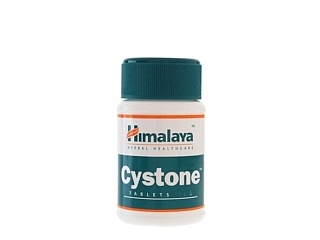
Cystone (Herbal Urinary Support) – Patient Information (UK)
Cystone is an herbal medicine commonly used to support urinary health and to help with conditions related to urinary discomfort. This patient-friendly guide explains what Cystone is, how it may work, how it is taken, and important safety information. Always read the patient information leaflet (PIL) supplied with your product and follow your healthcare professional’s advice if you have one.
Quick overview
- What it is: Herbal medicine for urinary comfort and support
- Common reasons for use: Helps ease symptoms associated with urinary tract irritation and supports urinary tract function
- How it may work: Traditionally used to support urinary flow and help maintain a healthy urinary environment
- Typical timing: Usually taken with regular daily routine; dosing is stated on the pack
- Key safety points: Generally well tolerated for many people; check ingredients and suitability for your personal health conditions
- UK availability: Sold through online and high-street pharmacies where legally permitted
Basic product information
Brand: Cystone
Type: Herbal medicinal product
Active ingredients: The specific herbal formulation in Cystone can vary by market and presentation. Please check the carton/box and the product leaflet for the exact ingredient list and strengths.
Presentation: Usually supplied as oral tablets or capsules (depending on the product variant). Follow the specific dosing instructions for your exact pack.
Manufacturer/registration details: You can find the licence/marketing authorisation information and manufacturer details on the outer carton and PIL.
How Cystone works (mechanism of action)
As a herbal urinary support product, Cystone’s effects are thought to relate to the traditional actions of its plant-based ingredients. While exact mechanisms can vary with formulation, herbal urinary support products typically aim to:
- Support urinary tract comfort: Helping reduce irritation sensations associated with urinary tract conditions
- Support healthy urinary flow: Promoting regular urine output, which may help flush the urinary system
- Help maintain a favourable urinary environment: Some herbal constituents are traditionally used for urinary hygiene and balance
- Offer anti-inflammatory and antioxidant support: Certain ingredients in herbal formulations are used traditionally for these properties
Important note: Herbal medicines do not work instantly. Benefits are often noticed over several days as regular dosing continues.
Pharmacokinetics (how the body handles Cystone)
For herbal products, complete pharmacokinetic data (absorption, distribution, metabolism, and excretion) may be limited or not fully characterised in the same way as conventional pharmaceuticals. In practice, for patient use, the key considerations are:
- Absorption: Herbal constituents are absorbed after oral intake; absorption can vary depending on the specific plant compounds and the individual.
- Metabolism: Plant-based compounds may be metabolised by the liver and gut; metabolites may also contribute to effect.
- Excretion: Some constituents and metabolites are excreted in urine, which is part of why urinary support products may be used for urinary-related symptoms.
- Time to effect: Symptom improvement is typically gradual rather than immediate.
If you have kidney disease, recurrent urinary infections, or are taking multiple medicines, it’s sensible to discuss suitability with a pharmacist or clinician.
Typical use and indications (what Cystone is for)
Cystone is used as a urinary support herbal medicine. Common reasons people use it include:
- Supporting relief from urinary discomfort and irritation
- Helping maintain normal urinary function
- Complementing self-care for mild urinary tract symptoms
Indications depend on the specific product licence. Always check your PIL for the exact authorised indications for your Cystone variant.
Seek medical advice promptly if symptoms suggest a more serious condition (e.g., fever, flank/back pain, blood in urine, severe pain, pregnancy with urinary symptoms, or persistent symptoms that don’t improve).
When and how to take Cystone (timing and dosing)
Follow the dose on your pack or the PIL. Dosing can differ between presentations and strength variants.
Typical adult dosing (general guidance)
Many Cystone formulations are taken two to three times daily. The exact number of tablets/capsules per dose and duration of use will be listed on your pack. If your healthcare professional has advised a different schedule, follow that plan.
Example timing (if taken multiple times daily)
- Morning: Take after breakfast or at a consistent time
- Afternoon: Take mid-day
- Evening: Take with evening meal or bedtime routine
Consistency matters: Taking doses at similar times each day helps maintain a steady routine.
How long to use
Herbal urinary support products are generally used for a short period to support symptom relief. If symptoms persist beyond the timeframe recommended in the PIL, or if they worsen, seek advice from a healthcare professional.
Food interactions and what to expect
Most herbal urinary medicines like Cystone can be taken with or without food, but practical considerations include:
- With meals: Taking Cystone after food may be more comfortable if you have a sensitive stomach.
- Hydration: Drinking adequate fluids (unless you’ve been restricted) supports urinary tract comfort and may improve overall outcomes.
Food interactions: The key is to avoid taking your product with substances that may reduce comfort or worsen symptoms. If your PIL states “take on an empty stomach” or “take after meals,” follow that advice exactly.
Alcohol and medicine interactions
There is no universal rule that herbal urinary medicines must be avoided with alcohol, but it’s still wise to consider the following:
- Alcohol may irritate the bladder in some people and can worsen urinary discomfort.
- Alcohol can reduce hydration, which may affect urinary comfort.
- Drug interactions: For herbal medicines, interaction evidence is sometimes limited. If you take regular medicines (especially for kidney function, blood pressure, anticoagulation, diabetes, or immune conditions), ask a pharmacist about specific compatibility.
Practical advice: To minimise symptom flare-ups, consider limiting alcohol while you’re experiencing urinary discomfort and during the period you’re taking Cystone.
Safety profile and precautions
Most people tolerate herbal urinary medicines well. However, “natural” does not always mean risk-free. Safety depends on the exact ingredient list and your personal circumstances.
Who should take extra care
- Pregnancy or breastfeeding: Check the PIL for suitability. Many herbal products advise avoiding use unless professional advice is obtained.
- Children: Follow the age guidance in the PIL. Some products are for adults only.
- Kidney problems: Because urinary health is involved, consult a pharmacist or clinician if you have known kidney disease or reduced kidney function.
- Recurrent urinary infections: If infections keep returning, you may need assessment rather than self-management alone.
- Allergies or sensitivities: Check the ingredient list for excipients (e.g., lactose, starch, gelatin, colouring agents) and herbal constituents.
Possible side effects
Side effects are not common for many people, but potential effects may include:
- Gastrointestinal upset (nausea, stomach discomfort)
- Allergic reactions (rash, itching, swelling) in sensitive individuals
Stop and seek medical help urgently if you experience signs of allergy such as facial swelling, breathing difficulty, widespread rash, or severe symptoms.
When to get medical advice
Contact a healthcare professional promptly if you have:
- Fever or chills
- Back/flank pain (pain in the side or lower back)
- Blood in urine
- Severe or worsening pain
- Symptoms that do not improve after the period recommended in the PIL
- Recurrent symptoms or repeated infections
Practical use tips for best results
- Hydrate: Aim for regular fluid intake unless you’ve been told to restrict fluids.
- Don’t delay care: Herbal support can help with mild discomfort, but serious symptoms need medical assessment.
- Take regularly: Consistent timing improves the chance of symptom relief.
- Maintain urinary hygiene: Good toileting habits and gentle hygiene can help reduce irritation.
- Avoid bladder irritants: Consider reducing caffeine and alcohol if they worsen symptoms.
- Track symptoms: Note how symptoms change over 24–72 hours. If they worsen, seek advice.
Dosing guidance: what to do if you miss a dose
If you miss a dose:
- Take it as soon as you remember unless it is close to the next dose.
- Do not take a double dose to make up for missed tablets/capsules.
If you’re unsure, check the PIL or ask a pharmacist.
Alternative options for urinary discomfort (UK)
Depending on the cause of symptoms (irritation, dehydration, infection, inflammation, stones, or other issues), the most appropriate approach can differ. Common alternatives include:
- General supportive measures: Increased fluids, symptom monitoring, and avoiding known bladder irritants (caffeine, alcohol).
- Urinary alkalinising agents or symptom relief products: Some over-the-counter options may help certain urinary discomfort symptoms; check product labels and seek pharmacy advice if unsure.
- Prescription medicines (when clinically needed): If a urinary infection is confirmed or strongly suspected, healthcare professionals may recommend targeted treatment.
- Consultation for recurrent symptoms: If symptoms return frequently, consider medical assessment to rule out underlying causes such as stones, structural issues, or diabetes-related risks.
Choosing the right option: A pharmacist can help you decide whether a supportive herbal medicine is suitable or whether you should seek further assessment.
Market and legal context in the United Kingdom
In the UK, medicines are regulated to ensure quality, safety, and effectiveness. Herbal products like Cystone are typically authorised under relevant frameworks, and they may be classified as:
- Traditional herbal medicines or other herbal medicinal categories, depending on regulatory status
- Either over-the-counter or sold under specific conditions based on the product classification
Key UK compliance points:
- Products must have authorised labelling, including ingredient lists, directions for use, warnings, and storage instructions.
- Online pharmacy supply must follow UK medicine distribution rules and ensure legitimate stock and correct packaging.
- Brands may vary by availability across regions; always check you’ve received the intended Cystone variant (tablet/capsule form and strength).
Recent guidance and awareness: UK healthcare bodies continue to emphasise timely assessment for urinary symptoms that could indicate infection or complications, especially for high-risk groups (e.g., older adults, pregnancy, men with urinary symptoms, and people with kidney conditions). If symptoms are persistent, severe, or associated with fever or back pain, advice should be sought rather than relying solely on supportive products.
Delivery and availability (UK)
Availability of Cystone can vary by online pharmacy and by current stock levels. In the UK, reputable online pharmacies typically offer:
- Standard and/or express delivery options depending on your location
- Tracking and dispatch updates (where provided by the courier)
- Secure packaging for product protection during transit
How soon will it arrive? Delivery times depend on dispatch cut-off times and courier schedules. Check the specific online pharmacy page for estimated delivery windows at the time of ordering.
Cold-chain storage: Most herbal tablets/capsules do not require refrigeration. Store as directed on the packaging (typically below 25°C and away from moisture and heat).
Storage, handling, and disposal
- Store: Keep in the original packaging, away from excess heat and moisture.
- Keep out of sight and reach of children.
- Do not use after expiry: Check the expiry date on the pack.
- Disposal: Dispose of unused medicine safely in line with local guidance. Do not flush down the toilet unless the leaflet states it is safe.
FAQ about Cystone (UK)
1) What is Cystone used for?
Cystone is used as a herbal medicine for urinary support, helping with urinary discomfort and supporting normal urinary function. The exact authorised indications can be found in your PIL.
2) How long does it take to work?
Many people notice gradual improvement over a few days. If symptoms do not improve within the timeframe stated in the PIL, seek advice from a pharmacist or clinician.
3) Can I take Cystone with food?
In many cases, it can be taken with or without food. For best comfort, taking it with meals is often preferred. Follow the instructions on your specific pack.
4) Can I drink alcohol while taking Cystone?
There is no universal requirement to avoid alcohol, but alcohol may irritate the bladder and reduce hydration, potentially worsening urinary discomfort. If symptoms are active, it may be best to limit alcohol.
5) Is Cystone suitable for everyone?
Not necessarily. Check the PIL for age restrictions and suitability. Extra caution is needed in pregnancy, breastfeeding, children, and people with kidney problems or known allergies to ingredients.
6) What side effects might occur?
Side effects are uncommon for many users, but possible effects include mild stomach upset or allergic reactions. Stop use and seek urgent help if you develop signs of allergy.
7) Should I seek medical advice instead of taking Cystone?
If you have red-flag symptoms such as fever, back/flank pain, blood in urine, severe pain, or persistent/worsening symptoms, you should seek medical advice promptly.
8) What if I miss a dose?
Take it when you remember unless it’s close to the next dose. Do not take a double dose.
9) Can Cystone be taken alongside other medicines?
It may be possible, but herbal products can still interact with other medicines in some cases. If you take regular medication or have chronic health conditions, ask a pharmacist to check compatibility based on your specific products.
10) Where can I buy Cystone in the UK?
Cystone is often available through authorised online pharmacies and sometimes via high-street pharmacies where stock is held. Availability can differ by supplier and region.
Summary
Cystone is a herbal urinary support medicine used to help with urinary discomfort and to support normal urinary function. For best results, take it consistently according to the instructions on your pack, stay well hydrated, and watch for symptoms that need prompt medical assessment (such as fever, back pain, or blood in urine). If you’re unsure about suitability or interactions with your other medicines, a UK pharmacist can provide helpful guidance.
| Category | Patient-friendly details |
|---|---|
| What it is | Herbal medicine for urinary support |
| How to take | Follow the dose and timing on your specific pack/PIL |
| Typical goal | Support urinary comfort and normal urinary function |
| Time to effect | Usually gradual; monitor symptoms over days |
| Food & drink | Often taken with or without food; alcohol may worsen irritation in some people |
| Safety | Check ingredients; extra caution in pregnancy, breastfeeding, children, and kidney issues |
| Get advice urgently | If fever, back/flank pain, blood in urine, severe symptoms, or worsening occur |