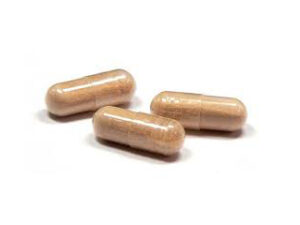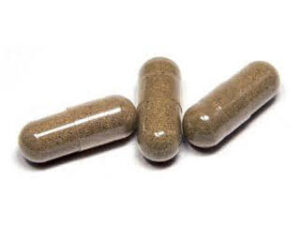

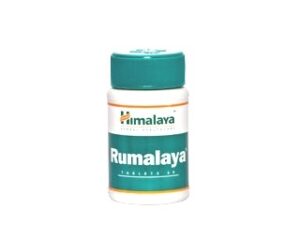

Rumalaya Fort
Rumalaya Fort is an anti-inflammatory herbal medicine commonly used in the UK as a supportive treatment for conditions associated with pain and stiffness, particularly in joints and muscles. It is designed to help manage discomfort related to inflammation and movement-related aches, supporting everyday mobility.
This page explains how Rumalaya Fort works, typical uses, how to take it, key safety information, and practical tips for getting the best results. If you’re unsure whether it’s right for you, speak with a healthcare professional—especially if you have ongoing medical conditions or take other medicines.
Quick product overview
| Category | Information |
|---|---|
| Common type | Anti-inflammatory / pain relief support (herbal) |
| Typical focus | Joint pain, muscular discomfort, stiffness, inflammation-related aches |
| Where used | Home and self-care for mild to moderate symptoms |
| How it may help | Helps reduce inflammation and may relieve pain and stiffness |
| When to use | When symptoms flare or for ongoing supportive care |
| Key safety note | Not suitable for everyone—check ingredient sensitivity and medical history |
What is Rumalaya Fort?
Rumalaya Fort is a traditional herbal medicine formulated to support the relief of discomfort arising from inflammatory and musculoskeletal causes. Many users take it for symptoms such as:
- Joint pain and stiffness (for example, in knees, shoulders, hands or back)
- Muscle soreness and aches related to everyday activity
- Longer-term discomfort where supportive anti-inflammatory care is desired
Availability and exact presentation may vary by brand pack size (for example, capsules, tablets or other forms). Always check the pack label for the precise ingredients and recommended dosing schedule for your specific product.
How Rumalaya Fort works (mechanism of action)
Rumalaya Fort is based on a blend of herbal ingredients. While the detailed mechanism can vary by formulation, herbal anti-inflammatory medicines are generally thought to help by:
- Reducing inflammatory pathways involved in pain and swelling
- Supporting joint comfort by improving local inflammatory balance
- Promoting comfort during movement, helping stiffness feel less restrictive
The overall goal is to provide symptom relief rather than to “cure” underlying conditions. For inflammatory diseases, it may be used as part of a broader approach that includes appropriate medical care, exercise, and lifestyle adjustments.
Pharmacokinetics (what the body does with it)
For many herbal combination products, comprehensive pharmacokinetic data (how the body absorbs, distributes, metabolises, and eliminates each ingredient) may be limited compared with conventional pharmaceuticals. In practice, absorption and effects can vary based on:
- Your individual metabolism and gut function
- The specific formulation and whether it is taken with or without food
- Possible interactions with other medicines or supplements
In general, users typically notice changes in discomfort over days to weeks rather than immediately. Consistent daily use alongside sensible activity and pain-management strategies is often how supportive effects are assessed.
Typical use in the UK
In the UK, Rumalaya Fort is commonly used by adults seeking supportive, non-prescription relief for musculoskeletal and joint-related discomfort. It may be considered when symptoms include:
- Stiffness after rest or in the morning
- Aches that worsen with activity and improve with rest
- General joint discomfort associated with daily wear and tear
- Muscle soreness linked to overuse or minor strain
It is especially suited for people looking for a herbal anti-inflammatory option alongside non-medicine measures such as stretching and activity modification.
When to take it (timing)
Follow the dosing instructions on your product label or the instructions provided by your pharmacy. Timing can influence comfort and adherence. Common approaches include:
- Split dosing (if recommended): helps maintain steadier symptom support through the day
- Consistency: taking at about the same times each day may improve perceived benefit
- During flares: some people start when symptoms increase, then continue for a period to assess effect
Tip: If you forget a dose, take it when you remember unless it is close to the next scheduled dose. Do not take a double dose to make up for a missed one.
Dosing (how much to take)
Dosing varies by pack and strength. For the safest use:
- Check the exact recommended dose on the box or leaflet supplied with your product.
- Use the measuring/capsule instructions exactly as stated.
- If you are taking other medicines, confirm dosing schedule to avoid confusion.
Important: Do not exceed the recommended daily dose. If symptoms do not improve, worsen, or you develop new symptoms, seek medical advice.
Indications (what it’s used for)
Rumalaya Fort is typically indicated as supportive care for the relief of pain and inflammation in musculoskeletal conditions, including:
- Joint discomfort and stiffness
- Back and shoulder aches
- Muscle soreness and strain-related discomfort
- Inflammation-associated aches that affect daily activities
It’s not intended as a replacement for professional assessment for serious or persistent symptoms. If you have red-flag signs such as severe swelling, fever, unexplained weight loss, marked loss of function, or pain that rapidly escalates, consult a healthcare professional promptly.
Food interactions
Food interactions can affect how well herbal ingredients are tolerated and absorbed. In many cases, herbal anti-inflammatory products are taken:
- With food to reduce possible stomach upset,
- Or as directed on the label for best results.
To help minimise side effects:
- Consider taking with a meal if you notice nausea or stomach discomfort.
- Avoid taking with very large meals if it causes reflux for you.
- Stay hydrated and keep to the same timing daily if possible.
If the label specifies “with or after food,” follow that instruction. If it doesn’t specify, taking with a light meal is often a practical option.
Alcohol and medicine interactions
While Rumalaya Fort is a herbal product and may not interact with alcohol in the same way as some conventional drugs, it’s still wise to treat alcohol cautiously:
- Alcohol may worsen inflammation in some people and can contribute to poor sleep, which may aggravate pain perception.
- Alcohol may irritate the stomach, potentially increasing the chance of mild digestive side effects.
- If you take other medicines (especially those for pain, stomach acid, blood pressure, or blood thinning), interactions may become relevant.
Best practice: Limit alcohol while you’re starting Rumalaya Fort, and stop and seek advice if you notice unexpected symptoms such as rash, swelling, dizziness, or severe stomach pain.
Medicine interactions (important considerations)
Herbal medicines can interact with other treatments because ingredients may affect metabolism enzymes, blood clotting factors, or stomach tolerance. The extent of interactions depends on the exact composition of your product.
Talk to a healthcare professional or pharmacist before using Rumalaya Fort if you take:
- Blood thinning medicines (for example, warfarin) or antiplatelet medicines
- Medicines for diabetes or blood pressure
- Other anti-inflammatory or pain relief medicines, including NSAIDs
- Medicines affecting the liver or long-term medication regimens
- Immunosuppressants
If you’re currently using painkillers, it’s usually safest to avoid increasing overall anti-inflammatory exposure without advice.
Safety profile and side effects
Most people tolerate Rumalaya Fort well when taken as directed. However, as with all medicines, side effects can occur.
Common possible side effects
- Mild stomach upset
- Nausea or indigestion
- Loose stool in some individuals
- Headache or mild dizziness (less common)
Seek urgent help if you experience
- Allergic reaction signs such as rash, itching, swelling of the face/lips, or difficulty breathing
- Severe abdominal pain, persistent vomiting, or blood in vomit/stool
- Unexplained bruising, bleeding, or signs of infection
Who should be cautious or avoid use
- Pregnancy and breastfeeding: ask a healthcare professional before use.
- Children and adolescents: use only if specifically permitted by the product label and clinician advice.
- Liver or kidney disease: speak to a healthcare professional first.
- Known allergy to any ingredient in the formula.
- People scheduled for surgery or taking clotting-related medicines should seek advice due to possible effects on inflammatory and bleeding balance.
Stop taking Rumalaya Fort and seek advice if symptoms worsen, you develop new concerning symptoms, or you have an allergic reaction.
Practical use tips for best results
- Give it a fair trial: many people assess benefit over one to several weeks. If you see no improvement after this period (or symptoms worsen), consult a healthcare professional.
- Combine with movement: gentle stretching, mobility exercises, and gradual strengthening often improve joint comfort alongside herbal support.
- Use a consistent routine: take at the same times each day; set reminders if needed.
- Watch your triggers: long periods of inactivity, sudden overuse, poor sleep, and dehydration can aggravate pain.
- Stay mindful of posture: ergonomic support and core strengthening can reduce back and shoulder discomfort.
- Track symptoms: note pain level, stiffness duration, and activity tolerance before and after starting.
Remember: supportive medicines work best alongside lifestyle measures. If you have a diagnosed condition such as osteoarthritis or inflammatory arthritis, follow the management plan provided by your clinician.
Alternative options (if Rumalaya Fort isn’t suitable)
Depending on your symptoms and personal circumstances, you may consider other evidence-based options. Alternatives include:
Non-medicine approaches
- Heat or cold packs for stiffness and soreness
- Physiotherapy, supervised strengthening, and range-of-motion exercises
- Weight management (if relevant) to reduce joint load
- Improving footwear, ergonomics, and activity pacing
Over-the-counter options
- Topical pain relief (gels/creams) for localised joint pain
- Oral painkillers such as paracetamol, where appropriate
- Anti-inflammatory medicines used carefully and in accordance with label guidance
If your pain is persistent, recurrent, or affects your daily function, ask a pharmacist or clinician for personalised advice.
UK market and legal context (what to expect)
In the United Kingdom, herbal and other self-care products are supplied under regulatory frameworks that aim to ensure quality, safety and appropriate labelling. Product availability and marketing claims are governed by rules set by UK authorities.
Key points for customers:
- Look for accurate labelling (ingredients, directions, warnings, and batch/expiry information where applicable).
- Use only as directed and keep out of reach of children.
- If you’re buying online, choose a reputable UK online pharmacy or compliant retailer.
Recent guidance and when to seek medical advice
General self-care guidance in the UK emphasises that persistent pain should be assessed rather than managed indefinitely with over-the-counter products. Seek professional advice if:
- Your symptoms last longer than expected for a flare or remain severe
- You have swelling, redness or warmth in a joint
- Your pain is accompanied by fever or unexplained weight loss
- You experience numbness, weakness, or problems with walking
- You need pain relief continuously or your function is significantly reduced
For people with known joint disease, follow clinician guidance on flare management and ongoing care.
Delivery and availability in the UK
Rumalaya Fort is commonly available via UK online pharmacies and health retailers, subject to stock and supplier availability. Delivery times vary by provider and location. When ordering online, you can typically expect:
- Secure packaging and discreet delivery (where offered)
- Tracking for faster confirmation of delivery (if your provider includes this)
- Multiple pack sizes (depending on stock)
Availability can change. If your preferred pack size is out of stock, many retailers offer restock alerts or alternatives.
Storage and handling
- Store at room temperature, away from direct sunlight.
- Keep the bottle/blister tightly closed.
- Keep out of the sight and reach of children.
- Check the expiry date on the pack and do not use after expiry.
FAQ about Rumalaya Fort
1) How long does it take to work?
Many people notice changes in stiffness or discomfort over several days, but a fuller assessment is often made after one to a few weeks of consistent use. If you see no improvement or your symptoms worsen, seek advice.
2) Can I take Rumalaya Fort with other pain relief medicines?
It may be possible, but it depends on what you take and your health history. If you use NSAIDs, prescription pain medicines, blood thinners, or other long-term treatments, speak to a pharmacist to reduce the risk of unwanted interactions.
3) Should I take it with food?
Follow the directions on your product label. If you experience stomach upset, taking it with a meal or after food often helps. If your label states otherwise, follow the label.
4) Is Rumalaya Fort suitable for everyone?
Not necessarily. Avoid or seek advice before use if you are pregnant or breastfeeding, are under the age specified by the label, have significant liver/kidney problems, or have allergies to ingredients.
5) Can I drink alcohol while taking it?
It’s best to limit alcohol while you’re taking any anti-inflammatory medicine and to watch for stomach irritation or unusual reactions. If you notice adverse effects, avoid alcohol and contact a healthcare professional.
6) What if I miss a dose?
Take it as soon as you remember unless it’s close to the next dose. Do not take a double dose to compensate.
7) Are there any warning signs I should watch for?
Stop using and seek advice if you develop signs of an allergic reaction, severe stomach pain, bleeding/bruising, persistent vomiting, or symptoms that significantly worsen.
8) Is it safe to use long-term?
Supportive products may be used for ongoing symptom management in some cases, but it’s advisable to review use with a pharmacist or clinician if you plan extended use, especially if you have persistent pain or complex medical conditions.
9) What should I do if my joint pain is getting worse?
Worsening pain, swelling, redness, fever, or reduced function should be assessed. Herbal support may not address the underlying cause, and you may need targeted medical review.
10) How do I choose the right alternative if Rumalaya Fort isn’t right for me?
Consider topical treatments, paracetamol, anti-inflammatory medicines where appropriate, or non-medicine options such as physiotherapy and exercise. Your pharmacist can help you choose based on your symptoms and other medicines you take.
Important safety reminder
This information is provided for general guidance and does not replace advice from a healthcare professional. Always read the product packaging for the exact directions, ingredient list, and warnings. If you have any doubts about suitability, interactions, or ongoing use, consult a pharmacist or clinician.