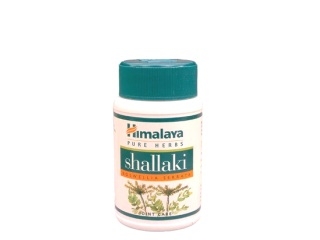
Shallaki (Boswellia serrata) — Patient-Friendly Guide (UK)
Shallaki is a herbal medicine commonly used in the UK to support joint comfort and mobility. It is derived from Boswellia serrata resin (also known as Indian frankincense). Many people use Shallaki as part of a broader approach that includes gentle exercise, weight management and good overall joint care.
This guide explains what Shallaki is, how it may work, how the body handles it, typical uses, dosing considerations, food and alcohol interactions, safety information, practical tips, and alternative options. It also includes useful UK-specific notes about availability and guidance.
Basic product information
- Product name: Shallaki
- Active source: Boswellia serrata resin extract
- Common purpose: Support for joint comfort and mobility (especially in inflammatory conditions)
- Form: Typically available as capsules/tablets depending on the brand and strength
- Where it fits: Often used as a complementary option alongside lifestyle measures
Important: Specific strengths and dosing instructions can differ between brands/products. Always check the label on the particular product you purchase.
How Shallaki may work (mechanism of action)
Shallaki contains compounds (notably boswellic acids) thought to contribute to its traditional and clinical use in inflammatory joint conditions. While the exact mechanisms are complex and may vary by extract standardisation, key actions include:
- Anti-inflammatory activity: Boswellia constituents may help reduce inflammation pathways involved in joint swelling and discomfort.
- Impact on leukocyte trafficking: Some evidence suggests it may influence the movement of inflammatory cells to tissues.
- Support of cartilage-related processes: By modulating inflammatory mediators, it may indirectly support joint function.
What to expect: Unlike painkillers, which act quickly to relieve symptoms, herbal joint products may take time to show noticeable effects.
Pharmacokinetics (how the body handles it)
Pharmacokinetics describes what happens after you take a medicine: absorption, distribution, metabolism and elimination. For Boswellia extracts, data can vary by formulation, extract standardisation, and dose. In general:
- Absorption: Boswellic acids may have limited and variable oral absorption.
- Distribution: Components are believed to distribute into tissues, including areas relevant to inflammation.
- Metabolism: The body metabolises absorbed compounds through normal metabolic processes (details depend on compound form and formulation).
- Elimination: Excretion occurs via metabolic pathways and clearance processes.
Practical takeaway: Because absorption can vary, consistency in dosing and taking the product as directed on your specific label can help you get the most reliable results.
Typical use in the UK
In the UK, Shallaki is commonly used to help support:
- Joint comfort associated with mild inflammatory conditions
- Mobility and everyday activity
- Stiffness that may be influenced by inflammation
Many customers look to Shallaki for longer-term joint support rather than immediate relief. If you have been diagnosed with a joint condition, keep your healthcare plan in mind and do not replace prescribed therapies unless a clinician advises.
Indications (what it’s used for)
“Indication” describes the reason a medicine is used. Depending on the product’s licence and labelling, Shallaki is typically indicated for:
- Relief of joint discomfort linked to inflammatory processes
- Supporting movement where inflammation contributes to symptoms
Always check your specific product’s packaging for the exact indication statement, including any age restrictions or cautions.
Timing: when to take Shallaki
Because different formulations exist, follow your product label. As a general approach:
- Take regularly: Many people take Shallaki once or twice daily depending on strength.
- Consistency matters: Taking it at the same times each day may help.
- Allow time for effect: You may notice improvements gradually over several weeks.
Tip: If your label specifies morning and evening dosing, choose times that fit your routine (e.g., with breakfast and dinner).
Dosing (general guidance)
Doses may differ by strength and formulation. Below is a general guide for patient understanding—use the label for your exact product:
| Product detail | Typical approach (check label) |
|---|---|
| Adults | Often taken once or twice daily depending on the capsule/tablet strength and standardisation. |
| Children & adolescents | May have restrictions. Only use if the product label allows and you have professional advice. |
| Duration | Often assessed after several weeks of consistent use. |
| Missed dose | Take when remembered unless close to the next dose; do not double up. |
Do not exceed the recommended daily dose on the product packaging.
Food interactions: taking with meals
Herbal extracts may be affected by food, especially where absorption varies. In practice:
- Many people tolerate Shallaki best with meals.
- Some may absorb it better with food (particularly if the product is better taken with a meal to reduce stomach upset).
Practical advice: If the label does not specify, taking Shallaki with or after food can help minimise nausea or stomach discomfort. If you have reflux or sensitive digestion, consider taking it after a meal.
Alcohol and medicine interactions
Herbal products can interact with other medicines, and alcohol can sometimes worsen side effects such as stomach irritation or dizziness.
Alcohol
- Moderation is recommended.
- If you notice stomach upset or dizziness, reduce alcohol intake or speak to a pharmacist.
Interactions with other medicines
Possible interactions depend on your overall medication list and health conditions. Boswellia products may have potential to affect pathways relevant to inflammation and metabolism, so it’s sensible to review your medicines if you are taking any of the following categories:
- Anticoagulants/antiplatelet medicines (e.g., warfarin, apixaban, rivaroxaban, clopidogrel): discuss with a healthcare professional before starting any new supplement.
- Anti-inflammatory medicines (e.g., NSAIDs): while many people use combinations safely, it’s important to watch for side effects and follow dosing guidance.
- Immunosuppressants: because inflammatory pathways are involved, seek advice before combining.
- Other herbal products: stacking multiple botanicals increases the chance of side effects and overlapping effects.
Always tell a pharmacist about all medicines and supplements you take, including over-the-counter products.
Safety profile: side effects and who should be cautious
Shallaki is generally well tolerated by many adults when used as directed. However, as with all products, side effects can occur.
Common side effects
- Stomach discomfort (e.g., indigestion, nausea)
- Abdominal discomfort
- Loose stools in some people
Less common but important effects
- Allergic reactions (seek urgent help if you develop swelling of the face/lips, breathing difficulties, or widespread rash)
- Skin rash or itching
Who should seek medical advice before using Shallaki
- Pregnancy or breastfeeding (avoid unless a clinician advises)
- Children and adolescents (age restrictions may apply)
- People with liver disease or a history of abnormal liver function tests—discuss with a clinician
- People taking multiple medicines that may interact (especially blood-thinning or immunomodulating therapies)
Stop and seek advice if you experience severe or persistent side effects.
Practical use tips for best results
To get the most from Shallaki, consider the following:
- Use consistently: Take it at the same times each day.
- Give it time: Many users report gradual benefits; reassess after a few weeks.
- Pair with movement: Gentle range-of-motion exercises and strengthening can improve outcomes for many joint conditions.
- Track symptoms: Note changes in morning stiffness, walking comfort or daily activity levels.
- Check your extract: Standardisation may vary by brand; try to keep to the same product.
- Stay hydrated and eat well: Good hydration and a balanced diet support general joint health.
If you’re unsure: A pharmacist can help you compare product strengths and advise on safe use with your current medicines.
When to seek medical help
Seek prompt medical advice if you have:
- Sudden severe joint pain or swelling
- Fever or feeling unwell with joint symptoms
- Red, hot, very tender joints (possible infection or gout flare)
- Symptoms that worsen quickly or do not improve after a reasonable trial
- Neurological symptoms such as weakness or numbness
Alternative options (what else you can consider)
If you’re exploring joint-support options, there are several alternatives—each with different evidence, benefits and risks. Choices depend on your symptoms, medical history, and current medicines.
Non-medicine and lifestyle measures
- Physiotherapy/exercise programmes for strength and mobility
- Weight management (if relevant) to reduce load on joints
- Heat/cold therapy for symptom control
Other supplement options
- Glucosamine/chondroitin (some people find helpful; evidence varies)
- Omega-3 fatty acids for general anti-inflammatory support
- Curcumin (turmeric extracts) for inflammatory pathways (may interact with blood-thinning medicines)
- Collagen peptides (mixed evidence; some benefit in certain populations)
Medicines (where appropriate)
- Topical or oral pain relief may be considered for symptom control (discuss with a pharmacist/doctor)
- Targeted treatments may be needed for diagnosed inflammatory arthritis conditions
Reminder: Do not combine multiple products without checking possible interactions, particularly if you take anticoagulants, have liver concerns, or are on immunosuppressive treatment.
Market and legal context in the United Kingdom
In the UK, herbal products and supplements may be sold under different regulatory frameworks. Some products are licensed as traditional herbal medicines or as herbal medicinal products depending on their registration/licensing route and claims. Availability can also vary by brand and form.
When you buy Shallaki in the UK, look for:
- Clear product labelling including ingredients, strength, and recommended dosing
- Manufacturer/importer details
- Batch/lot number where applicable
- Appropriate warnings for safety (pregnancy, age restrictions, interactions)
Recent guidance note: UK guidance and regulatory communication continually emphasise the importance of clear labelling, safety monitoring, and caution with interactions—especially for products used alongside other medicines. Always follow the label and check with a pharmacist if you’re on long-term treatment.
Recent guidance and practical considerations
While specific product updates can change, a generally helpful approach consistent with UK safety practice is:
- Review interactions when adding a new herbal product.
- Monitor for side effects during the first days of use.
- Set realistic expectations: herbal joint products often aim to support comfort and function over time.
- Reassess if no benefit: if you notice no change after a trial period, speak to a pharmacist about alternatives or underlying causes.
Delivery and availability in the UK
Online pharmacies in the UK often stock herbal medicines and supplements, subject to availability and the specific product licence/format.
- Availability: May vary by brand and batch.
- Delivery: Most UK deliveries are completed by standard courier services with tracking, depending on the retailer’s service level.
- Cold-chain: Typically not required for herbal tablets/capsules stored at room temperature.
- Storage: Store in a cool, dry place, away from direct sunlight, and keep out of reach of children.
Packaging matters: Keep the original packaging to maintain product information and batch traceability.
FAQ — Frequently asked questions
How long does it take for Shallaki to work?
Some people notice changes within a few weeks, but joint support products often take several weeks of consistent use to reflect any improvement in comfort, stiffness or mobility. If you experience no benefit, discuss options with a pharmacist.
Can I take Shallaki with other joint supplements?
You may be able to, but combining multiple supplements increases the chance of overlapping effects and side effects. If you plan to combine products, check interactions and ask a pharmacist—especially if you take blood-thinning medicines or have liver concerns.
Should I take Shallaki with food?
Many people find it easier on the stomach when taken with or after meals. However, always follow your product label for the recommended way to take it.
Is Shallaki safe for everyone?
Most adults tolerate it well when used as directed, but it may not be suitable for everyone—particularly people who are pregnant/breastfeeding, children/adolescents (if restrictions apply), those with liver disease, or those taking interacting medicines. Review precautions on the label and ask a pharmacist if unsure.
What side effects should I watch for?
Possible effects include indigestion, nausea, abdominal discomfort or loose stools. Stop use and seek prompt medical advice if you develop signs of allergy (e.g., rash, swelling of lips/face, breathing problems) or severe symptoms.
Can I drink alcohol while taking Shallaki?
Moderate alcohol is generally the safest approach. However, alcohol may worsen stomach irritation or increase overall risk of side effects. If you notice discomfort after drinking, reduce intake and consider speaking with a pharmacist.
Does Shallaki replace prescribed treatments for arthritis?
Shallaki is intended as supportive care for many users. If you have a diagnosed condition, do not stop or replace your existing healthcare plan without appropriate advice.
What should I do if I miss a dose?
If you miss a dose, take it when you remember unless it is close to the time of your next dose. Do not take a double dose.
Summary
Shallaki (Boswellia serrata extract) is a herbal joint-support product used by many people in the UK to help improve joint comfort and mobility, especially where inflammation plays a role. Its potential anti-inflammatory actions may support symptom relief over time. As absorption can vary by formulation, consistent dosing and taking it with food may help tolerability and routine adherence.
Always check the specific product label for the exact dose, directions and precautions. If you have ongoing medical conditions or take other medicines, speak to a pharmacist to ensure it’s safe for you. With regular use and appropriate lifestyle support, Shallaki may be a helpful part of a joint-care routine.