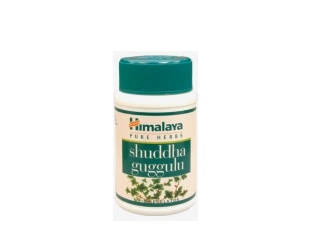

Shuddha Guggulu (Pure Guggul Resin) – Patient-Friendly Guide (UK)
Shuddha Guggulu is a traditional Ayurvedic herbal medicine made from Commiphora mukul resin in a purified form (“shuddha” = purified). In the UK, it is commonly used as a wellness support product, particularly for healthy weight management and joint comfort, and as part of an Ayurvedic approach to lifestyle and metabolic health.
This page explains what Shuddha Guggulu is, what it is used for, how it may work, typical timing and dosing, and important safety considerations for people in the United Kingdom.
Quick Product Overview
- Product name: Shuddha Guggulu (Pure Guggul Resin)
- Common use (traditional): Supports metabolic health, healthy lipid profile, and joint comfort
- Form: Typically tablets, capsules, or powdered resin preparations (varies by brand)
- Active traditional source: Purified Commiphora mukul resin
- Availability in the UK: Sold online as an herbal product; availability depends on brand and regulatory classification
What Is Shuddha Guggulu?
In Ayurveda, guggulu resin is used for its balancing properties. The term Shuddha refers to a purified preparation, produced by processing the raw resin to reduce impurities and improve consistency. Many commercial UK products contain a standardized amount of guggul compounds and may include additional Ayurvedic ingredients depending on the formulation.
Note: Always check the label for the exact ingredients, standardisation (if stated), and the strength per tablet/capsule or per gram (if powdered).
How Might It Work? (Mechanism of Action)
The precise way Shuddha Guggulu acts in the body depends on the specific formulation and individual biology. However, research on guggul resin and its constituents (commonly including guggulsterone isomers and related compounds) suggests several possible mechanisms relevant to its traditional use:
- Support for healthy lipid metabolism: Guggulu compounds are thought to influence pathways involved in cholesterol and lipid handling, potentially affecting bile acids and cholesterol balance.
- Anti-inflammatory and antioxidant effects (potential): Laboratory and preclinical studies have reported anti-inflammatory activity, which may relate to comfort in joints and soft tissues.
- Metabolic support: Some research suggests guggul-related compounds may interact with receptors and enzymes involved in metabolic regulation.
Important: Mechanisms described here are “how it may work” based on available scientific evidence and traditional context. Outcomes can vary, and Shuddha Guggulu is not a substitute for medical care where needed.
Pharmacokinetics (What We Know About Absorption & Processing)
Pharmacokinetics refers to how a substance is absorbed, distributed, metabolised, and excreted. For guggulu resin preparations, detailed human pharmacokinetic data can be limited and may vary by brand and formulation (resin powder vs tablets/capsules, standardisation, excipients).
In general, for many herbal resin-derived products:
- Absorption: Resin constituents are often absorbed after digestion; fat-containing meals may influence absorption.
- Metabolism: Metabolism likely occurs in the liver through enzymatic pathways, though the exact enzymes and rates can vary by compound and formulation.
- Elimination: Excretion can occur via bile and urine; enterohepatic recycling may be relevant for bile-related components.
Practical implication: Because evidence can differ between preparations, start with the labelled dose, monitor how you feel, and discuss with a healthcare professional if you take medicines for lipid conditions or inflammation.
Typical Use in the UK (Traditional Indications)
In traditional Ayurvedic practice, Shuddha Guggulu is used for:
- Healthy lipid profile support (cholesterol and triglyceride-related wellness)
- Joint and mobility comfort (especially when stiffness is a factor)
- Body weight and metabolic wellness alongside diet and exercise
- General inflammatory balance (as part of a broader wellness routine)
Wellness disclaimer: Evidence for specific outcomes can vary. If you have a medical condition such as high cholesterol, arthritis, or thyroid-related issues, seek tailored guidance from a qualified healthcare professional.
Who May Consider Shuddha Guggulu?
People who consider Shuddha Guggulu often do so when they want additional traditional support for:
- Metabolic and lipid-related wellness goals
- Seasonal or lifestyle-related joint discomfort
- A holistic routine that includes nutrition, movement, and stress management
Not suitable for everyone: If you are pregnant, breastfeeding, have liver disease, have hormone/thyroid conditions, or take multiple medicines, check safety considerations carefully (see “Safety Profile”).
Indications & Expected Outcomes
Shuddha Guggulu is commonly used as a complementary product for:
- Support of healthy cholesterol levels as part of a lifestyle approach (diet, exercise, and weight management)
- Comfort in joints during periods of increased stiffness or activity
- Metabolic balance (traditional use)
Time to feel effects: Many people report changes in comfort or general wellness over several weeks; lipid and metabolic changes, if they occur, typically take longer and should be assessed with relevant blood tests where appropriate.
How to Take It: Typical Dosing & Timing
Dosing depends on the product strength and the manufacturer’s standardisation. Always follow the dosing instructions on your product label. The guidance below is a general educational overview.
General adult dosing (typical ranges)
- Tablets/capsules: Often taken in split doses, commonly once or twice daily, depending on strength.
- Powder preparations: Often taken in small measured amounts as directed by the brand.
Common timing approach:
- With meals or after meals is often recommended to improve tolerance and absorption for resin-based products.
- Many users take it morning and evening to support consistent daily use.
Duration
- Traditional routines often consider 6–12 weeks for wellness goals.
- If you are monitoring lipid levels or inflammatory symptoms, reassess using objective measures (e.g., blood tests for cholesterol/triglycerides) with appropriate healthcare input.
Missed dose: Take it when you remember unless it is close to the next dose. Do not double up.
Food Interactions: What to Expect
Because guggulu resin constituents are lipophilic (fat-inclined) and may be influenced by digestion and bile flow, food can affect tolerance and absorption.
General guidance
- Take with food if the label suggests it, especially if you experience mild stomach discomfort when taken on an empty stomach.
- Be consistent: taking it with meals daily helps reduce variability.
- High-fat meals: may increase absorption for some resin-based compounds; this may be beneficial for absorption but can also worsen reflux for sensitive individuals.
Gastrointestinal sensitivity: If you notice nausea, heartburn, or stomach upset, adjust timing to after meals and consider discussing with a clinician if symptoms persist.
Alcohol Interactions
There is limited UK-specific clinical guidance on direct alcohol interactions with Shuddha Guggulu. However, alcohol can affect digestion, liver function, and inflammation pathways.
- Moderation is advised: If you take Shuddha Guggulu, limiting alcohol may be prudent, particularly if you have any liver concerns or take other medicines.
- Monitor symptoms: If you experience abdominal discomfort, fatigue, or unusual bruising/bleeding after combining alcohol and supplements, stop alcohol and seek medical advice.
Practical recommendation: Avoid heavy drinking and keep alcohol intake modest while starting a new herbal product.
Interactions With Other Medicines
Interaction risk depends on your health profile, the exact formulation, and your dose. Shuddha Guggulu may theoretically interact with medicines involved in lipid metabolism, inflammation, and hormone pathways.
Extra caution is recommended if you take:
- Lipid-lowering medicines (e.g., statins, fibrates, bile acid sequestrants) – possible additive effects or altered metabolism.
- Blood-thinning medicines (anticoagulants/antiplatelets) – check risk carefully because herbs can sometimes influence bleeding tendencies (evidence varies by product).
- Thyroid-related medicines or conditions involving thyroid hormones – guggulu is traditionally discussed in hormonal contexts; coordinate with a clinician if you have thyroid disease.
- Anti-inflammatory or pain medicines – monitor tolerance if you notice stomach irritation.
- Diabetes medicines – if you are monitoring glucose, watch for unexpected changes in appetite, energy, or test results.
What to do
- Before starting, consider asking a pharmacist or GP if you are on regular medicines.
- Keep a record of your dose, timing, and any symptoms.
- If you use blood tests (lipids, liver function, thyroid markers), discuss retesting timing with a clinician.
Do not stop prescribed medicines: If you are already taking medicines for cholesterol or thyroid function, do not alter your regimen due to supplement use without professional advice.
Safety Profile & Side Effects
Shuddha Guggulu is generally considered a traditional herbal product. Still, herbal medicines can cause side effects, especially in sensitive individuals or those taking other drugs.
Commonly reported or possible adverse effects
- Digestive upset: nausea, loose stools, stomach discomfort
- Reflux or heartburn in people sensitive to resin-based products
- Headache or mild fatigue in some users
- Skin reactions: rash or itch is uncommon but possible
Serious warning signs (seek medical advice urgently)
- Signs of liver trouble: yellowing of the skin/eyes (jaundice), dark urine, severe abdominal pain, persistent vomiting
- Severe allergic reaction: swelling of face/lips, difficulty breathing, widespread hives
- Unusual bleeding or bruising if you take blood-thinning medicines
Who should avoid or get medical advice first
- Pregnant or breastfeeding (use requires careful medical consideration)
- People with liver disease or abnormal liver tests
- Those with known thyroid disorders or on thyroid medication
- Children (dosing and safety must be assessed by a qualified clinician)
- Anyone with a history of allergy to resin-based herbal products
Practical Use Tips (Getting the Best Experience)
- Start low and assess tolerance: If you are new to guggulu, begin at the labelled dose and watch for digestive effects.
- Consistency matters: take it at the same times daily.
- Hydration: drink adequate water, especially if your regimen includes dietary changes or fibre supplements.
- Track symptoms: note joint comfort, digestion, and any unusual changes in energy or appetite.
- Combine with lifestyle measures: for metabolic and lipid wellness goals, diet and movement are key.
If you miss a dose: resume the next scheduled dose. Avoid doubling.
Alternative Options (If You’re Exploring Other Choices)
If you are considering alternatives to Shuddha Guggulu for joint or metabolic wellness, there are several categories of products and well-supported lifestyle approaches:
Alternative supplements (examples)
- Turmeric/curcumin: widely used for joint comfort (quality varies by brand; consider formulations for absorption).
- Bromelain: sometimes used for soft tissue support.
- Omega-3 (fish oil): may support inflammatory balance for some people.
- Ginger: used for general wellness and digestive support.
- Red yeast rice: some use it for lipid-related goals, but it carries additional considerations and variability in quality.
Lifestyle measures that often provide strong benefit
- Diet: Mediterranean-style eating pattern, adequate fibre, and reducing ultra-processed foods.
- Exercise: regular aerobic activity plus strength training for metabolic health and joint support.
- Sleep and stress: support hormones and inflammatory balance.
Tip: If you are using multiple supplements, consider possible overlaps and interactions, especially if you take medicines for cholesterol, blood thinning, or thyroid function.
Market, Regulatory & Legal Context in the United Kingdom
In the UK, herbal products and supplements may be regulated differently depending on whether they are marketed as:
- Food supplements (often under UK rules aligned with EU legacy frameworks and UK supplement guidance), or
- Medicinal products (which would require a different authorisation pathway), or
- Traditional herbal products (in some cases) with specific requirements.
What this means for you as a customer:
- Labels and online descriptions should not claim to diagnose, treat, or cure specific diseases unless legally authorised as a medicine.
- Look for batch/lot information, ingredient transparency, and clear usage instructions.
- Be cautious of products making unusually strong claims.
Quality considerations: Choose reputable brands that provide ingredient lists, manufacturing standards, and consistency (e.g., batch testing where available).
Recent Guidance & Practical Compliance Notes
Over recent years, UK authorities and public health guidance have continued to emphasise:
- Safe use of supplements alongside prescribed medicines
- Clear labelling (dose, ingredients, warnings)
- Adherence to rules on health claims for non-medicinal products
- Monitoring adverse effects and seeking healthcare advice when needed
Because herbal products can be affected by formulation differences, it’s sensible to follow the label instructions and consult a pharmacist or GP if you have existing medical conditions.
Delivery & Availability in the UK
Shuddha Guggulu is typically available online from supplement retailers and specialist Ayurvedic stores across the UK. Stock levels may vary depending on:
- Seasonal demand
- Brand batch schedules
- Import timing and warehouse dispatch
Delivery expectation: Most reputable UK online pharmacies/supplement retailers offer standard and tracked delivery options. Delivery times may vary by postcode and carrier service.
What to check at checkout:
- Estimated delivery date
- Return policy
- Whether the product is despatched from the UK
- Shipping restrictions (if any)
Storage: Keep in a cool, dry place away from direct sunlight. Keep the container tightly closed.
Dosing Summary (Quick Reference)
| Topic | Typical approach |
|---|---|
| Who can take? | Adults seeking traditional wellness support; check safety warnings if pregnant, breastfeeding, with liver/thyroid issues, or on regular medicines. |
| General dose | Follow the label. Many formulations are taken once or twice daily depending on strength. |
| Timing | Often taken with or after meals for comfort and absorption. |
| Duration | Commonly 6–12 weeks in wellness routines; reassess based on tolerance and goals. |
| Missed dose | Take when remembered unless close to the next dose; don’t double. |
FAQ: Shuddha Guggulu
1) What is Shuddha Guggulu made from?
It is made from Commiphora mukul resin in a purified form. Different brands may use different processing methods and may include standardisation or complementary ingredients depending on the product.
2) When should I take Shuddha Guggulu?
Many people take it with or after meals. This can support comfort and may improve absorption for resin-derived compounds. Follow the dosing instructions on your product label.
3) How long will it take to work?
For wellness goals such as joint comfort, some people notice changes within weeks. For lipid-related goals, meaningful change typically takes longer and should be evaluated with appropriate blood tests if you and your clinician decide to monitor.
4) Can I take it on an empty stomach?
Some individuals may tolerate it, but many prefer after food to reduce the risk of nausea, reflux, or stomach upset. If you’re sensitive, take with meals.
5) Is it safe to drink alcohol while using it?
Moderation is advised. There is limited direct clinical data on alcohol interactions with Shuddha Guggulu. Alcohol can affect digestion and liver health, so it’s wise to keep intake modest—especially when starting a new supplement.
6) Can Shuddha Guggulu interact with my medication?
Possible interactions depend on your medicines. Extra caution is advised if you take lipid-lowering medicines, blood thinners, thyroid medication, diabetes medication, or anti-inflammatory drugs. Speak to a pharmacist or clinician for personalised advice.
7) Who should avoid Shuddha Guggulu?
Avoid or seek professional advice first if you are pregnant, breastfeeding, have liver disease, have thyroid conditions, or are taking multiple regular medicines.
8) What side effects should I watch for?
Possible effects include digestive upset (nausea, loose stools), reflux, headache, or skin reactions. Seek medical help urgently for signs of severe allergy or liver issues (e.g., jaundice, dark urine, severe abdominal pain).
9) How should I store it?
Store in a cool, dry place away from direct sunlight. Keep the container tightly closed and out of reach of children.
10) What if I’m looking for alternatives?
Depending on your goal (joint comfort vs metabolic support), alternatives may include turmeric/curcumin, omega-3, ginger, or other well-known supplements. Lifestyle measures (diet, exercise, weight management, sleep) often make the biggest difference.
Final note: This information is for general guidance and does not replace advice from a healthcare professional. If you have medical conditions or are taking regular medicines, seek personalised guidance to ensure the safest approach.