Testosterone Topical (Skin) – Patient Information (UK)
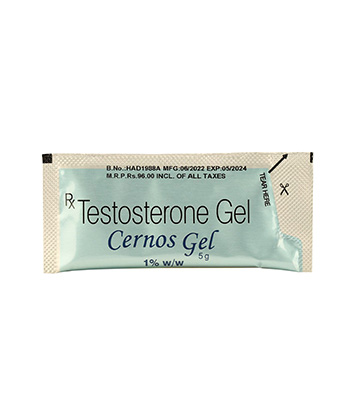
Testosterone topical is a medicine used to treat conditions where the body does not produce enough testosterone. Unlike tablets or injections, topical testosterone is applied directly to the skin, allowing the active hormone to be absorbed through the skin into the bloodstream.
This guide is written for patients in the United Kingdom and explains what the medicine does, how it works, how to use it safely, what to expect, and important precautions.
Basic product information
- Active ingredient: Testosterone (present in a topical formulation such as a gel or solution, depending on the specific brand).
- How it is used: Applied to clean, dry skin (usually on the shoulders/upper arms, depending on the product instructions).
- Common reasons for use: Testosterone replacement in adult men with confirmed testosterone deficiency (hypogonadism) causing symptoms.
- Availability in the UK: Brand-dependent; some formulations may be prescription-only while others follow local regulatory requirements.
- Form: Skin-applied gel/solution (exact form depends on the manufacturer and product).
Important: Always follow the instructions provided with your specific product. Different testosterone topical brands have different strengths and application areas.
How testosterone works (mechanism of action)
Testosterone is the main male sex hormone (androgen). When absorbed into the bloodstream, it supports many normal body functions, including:
- Sexual function: Helps maintain libido and supports erectile function in some men.
- Muscle and strength: Supports muscle mass and improves exercise capacity for many patients.
- Bone health: Helps maintain bone density and reduces bone loss over time.
- Red blood cell production: Stimulates the production of red blood cells (which is why monitoring is needed).
- Energy and mood: Some men experience improvements in fatigue and wellbeing as testosterone levels normalise.
- Sperm production and reproductive function: Testosterone replacement may affect fertility; specialist advice may be needed if pregnancy is a goal.
Topical testosterone provides replacement therapy. It does not “create” testosterone production in the testes; rather, it supplies testosterone to reach normal or near-normal blood levels.
Pharmacokinetics (how the body absorbs and processes it)
Pharmacokinetics can vary by formulation, dose, and skin condition. In general, topical testosterone:
- Absorbs through the skin into the bloodstream.
- Produces more stable levels compared with some short-acting methods, although peaks and troughs can still occur.
- Acts systemically after absorption, affecting testosterone-dependent tissues.
Metabolism & clearance:
- Testosterone is metabolised in the liver and tissues.
- It is converted into other active/inactive metabolites (including estradiol and dihydrotestosterone (DHT)) depending on enzyme activity.
- Metabolites are cleared mainly via the kidneys.
Why monitoring matters: Because levels depend on correct application, your clinician will usually check testosterone blood levels at intervals and adjust the dose to avoid levels that are too low or too high.
Typical use in the UK
Testosterone topical is generally used for testosterone deficiency (hypogonadism) in adult men when:
- Symptoms are present (for example reduced libido, erectile difficulties related to low testosterone, low energy, reduced muscle mass), and
- Low testosterone has been confirmed with blood tests taken at appropriate times.
It is not a “performance enhancer” for people without a medical need and should not be used to treat low testosterone due to reversible causes without proper evaluation.
Indications (when testosterone topical is used)
Indications can vary by product licence and clinical guidance, but in the UK topical testosterone is commonly used for:
- Adult male hypogonadism due to conditions causing impaired testosterone production
- Age-related decline is not usually treated solely by testosterone; decisions are based on symptoms and confirmed biochemical deficiency
Ongoing assessment: Even when started for an appropriate indication, regular follow-up is essential to check response, side effects, and safety parameters (e.g., blood counts, prostate health where relevant, and testosterone levels).
How to take/use testosterone topical (dosing and timing)
Important: The exact dosing schedule depends on your specific brand and strength. Do not switch products without medical advice, as absorption and dosing instructions may differ.
1) Typical dosing approach
- Most topical testosterone products are applied .
- A common starting dose is adjusted based on blood tests and symptom response.
- Your clinician may aim for testosterone concentrations within the normal range for healthy men.
2) Timing and when to apply
Because testosterone levels can vary during the day, many regimens are designed to provide steady coverage. Follow your product leaflet and clinician instructions on:
- Time of day to apply (for example morning or evening, depending on the product and your dosing plan)
- Consistency—try to apply at the same time daily
- Waiting time before washing/swimming—this depends on the product and must be followed
3) Example timing framework (general)
Many patients follow a routine such as applying early in the day, allowing it to dry fully before covering the area with clothing. Always check the product leaflet for the exact drying time and precautions.
| Step | What to do | Why it matters |
|---|---|---|
| Apply to clean, dry skin | Apply to the recommended area only, with hands washed before/after | Improves absorption and reduces transfer risk |
| Allow to dry | Let the gel/solution dry fully before dressing | Reduces transfer to others |
| Cover the area | Wear clothing to cover the application site once dry | Prevents skin-to-skin contact exposure |
| Wash hands | Wash hands thoroughly after application | Prevents accidental exposure to others |
| Plan follow-up blood tests | Attend monitoring appointments as advised | Ensures correct dose and safety |
Food interactions
Because testosterone topical is applied to the skin and absorbed through it, food interactions are not usually expected in the same way as with oral medicines. However:
- Follow any general health advice from your clinician (e.g., balanced diet, weight management).
- If you are taking other medicines alongside testosterone, those medicines may have their own food interactions—check their patient information.
Practical note: Avoid applying topical testosterone immediately after applying lotions or oils to the skin unless your product instructions allow it. Skin product interactions can affect absorption.
Alcohol and medicine interactions
Alcohol: There is no specific direct interaction that applies to all testosterone topical formulations. However, alcohol may:
- Worsen fatigue or mood symptoms
- Affect liver health (relevant because testosterone is metabolised)
- Increase the risk of dehydration and impair overall wellbeing
Other medicines: Testosterone may interact with other treatments, for example:
- Oral anticoagulants (blood thinners): Testosterone can sometimes influence clotting risk. Close monitoring (e.g., INR where relevant) may be needed.
- Corticosteroids: Combined use can affect fluid retention and other effects.
- Medicines affecting bleeding/prostate or hormone pathways: If you take drugs for prostate conditions, fertility, or hormone-related conditions, discuss them with your clinician or pharmacist.
What you should do: Provide your pharmacist/clinician with a full list of medicines, including over-the-counter products, herbal preparations, and supplements. This ensures safe screening for interactions.
Safety profile and important precautions
Like all medicines, testosterone topical can cause side effects. The risk and type of side effects depend on dose, individual health conditions, and how closely your blood levels are monitored.
Common side effects
- Skin reactions at the application site (redness, itching, irritation)
- Headache
- Acne or oily skin
- Fluid retention (may cause swelling)
- Changes in libido (may increase initially)
- Breast tenderness
Serious side effects: seek urgent medical advice
Get medical help promptly if you experience symptoms suggesting serious reactions, such as:
- Signs of allergic reaction: swelling of face/lips, severe rash, breathing difficulties
- Chest pain, sudden shortness of breath, signs of stroke (urgent assessment)
- Severe headache with visual changes
Key long-term safety considerations
- Raised red blood cell count (erythrocytosis): Testosterone can increase haemoglobin/haematocrit. Monitoring helps reduce risk of complications.
- Prostate health: Testosterone can stimulate prostate tissue. Clinicians typically assess prostate-related risks before and during treatment according to UK guidance and local practice.
- Sleep apnoea: Testosterone can worsen sleep apnoea in susceptible individuals; report loud snoring or daytime sleepiness.
- Fluid retention and heart failure risk: Men with heart or kidney problems may require extra monitoring.
- Fertility considerations: Testosterone replacement can suppress sperm production in some men. If fertility is important, speak with a specialist.
- Gynecomastia (breast enlargement): Some men develop breast tenderness or enlargement.
Skin-to-skin transfer risk (very important)
Topical testosterone can be transferred to another person through skin contact. This can be particularly dangerous for:
- Children
- Women (especially pregnant women)
To reduce transfer:
- Apply to the recommended site only and allow it to dry fully.
- Cover the area with clothing after it has dried.
- Wash hands after application.
- Avoid skin-to-skin contact with others on treated areas until the period specified by your product leaflet has passed (commonly several hours, depending on formulation and drying time).
- Do not share towels or clothing that may have touched treated skin.
If transfer occurs, consult a clinician promptly, especially if a child or pregnant partner may have been exposed.
Practical use tips (how to apply safely and effectively)
- Check your skin: Do not apply to broken, irritated, or inflamed skin unless your product instructions allow it.
- Apply correctly: Use the measured dose supplied (e.g., pump or sachet) and apply to the specified area. Do not rub beyond instructions.
- Hand hygiene: Wash hands immediately after use to prevent accidental transfer.
- Clothing matters: Wear a T-shirt or clothing that covers the application area after the product has dried.
- Dry time: Let the gel/solution dry completely before getting dressed.
- Bathing/swimming: Follow the required interval before washing the treated area. Product leaflets typically specify a minimum time.
- Storage: Store at room temperature as directed; keep out of sight and reach of children.
- Missed dose: Apply as advised by your product leaflet. If unsure, contact your pharmacist. Do not double up.
What to expect after starting treatment
Response timing differs by individual and by what symptoms are being treated.
- Libido/energy: Some men notice changes within weeks.
- Muscle strength: Usually improves gradually over months alongside exercise.
- Bone density: Often takes longer (often months to years) and requires ongoing monitoring.
Regular follow-up is important to confirm that testosterone blood levels are in the target range and to check safety parameters.
Alternative options to topical testosterone
Depending on the cause of low testosterone and individual preferences, clinicians may consider other replacement options, such as:
- Injectable testosterone (various dosing intervals)
- Testosterone patches (delivered through the skin)
- Other testosterone formulations used under UK clinical pathways
Which is best? There is no one-size-fits-all option. Factors include convenience, ability to apply consistently, side-effect profile, blood level stability, skin sensitivity, and monitoring access.
Market and legal context in the United Kingdom
In the UK, testosterone preparations are regulated medicines. Availability and prescribing pathways depend on product licence status and clinical guidance. In practice, testosterone replacement therapy should be initiated only when:
- Testosterone deficiency is biochemically confirmed
- Symptoms align with low testosterone
- Risks are reviewed and monitoring plans are established
Healthcare professionals in the UK consider benefits and potential risks, including effects on the prostate, red blood cell count, cardiovascular risk factors, and fertility.
Recent guidance (high level): UK clinical practice generally emphasises confirming diagnosis with blood tests, evaluating contraindications before starting, monitoring testosterone levels and safety parameters during treatment, and using the lowest effective dose to achieve normalisation.
Note: This page provides general patient information and does not replace advice from your clinician.
Delivery, availability, and ordering (UK)
As an online pharmacy, we aim to make ordering straightforward and reliable for patients in the UK.
- Availability: Stock may vary by brand and strength; delivery options depend on what is currently in supply.
- Delivery: We typically deliver to addresses within the UK using tracked services. Dispatch times depend on stock and verification processes.
- Packaging: Medicines are supplied in appropriate packaging to protect contents and provide clear labelling.
- Cold chain: Topical testosterone is generally stored at room temperature; do not expose to excessive heat unless packaging indicates otherwise.
If you’re unsure which product strength or brand matches your prescribed regimen, check the exact name on your label before use and contact your pharmacist if anything differs.
Frequently Asked Questions (FAQ)
1) How long does it take for testosterone topical to work?
Some effects (such as libido or energy) may be noticed within a few weeks. Changes in muscle strength and bone health take longer—often months or more. Your clinician will monitor your response and testosterone levels to guide dose adjustments.
2) Will I feel “different” immediately?
Not always. Testosterone levels and symptom response vary. Some men notice gradual improvement, while others take longer to see benefits.
3) What should I do if I miss a dose?
Follow the missed-dose instructions in your product leaflet. If you are unsure, contact your pharmacist for advice. In general, do not apply extra medicine to make up for a missed dose unless instructed.
4) Can women or children be exposed to my testosterone gel/solution?
Yes—testosterone can transfer through skin contact. To prevent this, cover the application area after it dries, wash hands thoroughly, and avoid skin-to-skin contact on treated areas during the time window specified in the leaflet. Seek advice urgently if an exposure occurs.
5) Can I shower or swim after applying?
Usually you must wait a period after application before bathing or swimming. The required time depends on the formulation. Check your leaflet for exact instructions.
6) Does testosterone topical interact with food?
Food interactions are not typically expected for topical testosterone because absorption is through the skin rather than through the digestive tract. However, other medicines you take may have food interactions.
7) Can I drink alcohol while using testosterone?
Moderate alcohol use may be acceptable for many people, but alcohol can affect overall health and may indirectly worsen fatigue or liver function. If you have liver disease, heart problems, or take interacting medicines, discuss safe alcohol limits with your clinician.
8) Is testosterone topical safe for everyone?
No. Testosterone may not be suitable for people with certain medical conditions (for example certain prostate or breast conditions, and other contraindications). A clinician should review your medical history before starting and throughout treatment.
9) Will testosterone replacement affect fertility?
It can. Testosterone therapy may reduce sperm production and affect fertility in some men. If you are trying to conceive, ask your clinician about options that preserve fertility or involve specialist care.
10) What monitoring will I need?
Monitoring commonly includes blood tests for testosterone levels, blood counts (haemoglobin/haematocrit), and assessments related to prostate health where appropriate. Your clinician will tailor monitoring to your risk factors and response.
11) Can I use moisturisers or sunscreen on the application site?
Some skin products can affect absorption. Follow your leaflet and ask your pharmacist. In general, allow the testosterone to dry fully and avoid applying other products to the treated area unless the instructions specifically allow it.
12) Are there any signs that the dose is too high?
Potential signs include acne, breast tenderness, mood changes, excessive increases in red blood cell count (often detected via blood tests), fluid retention, or symptoms suggesting overly high hormone levels. Report concerns promptly—dose adjustments may be needed.
Key safety checklist (quick reference)
- Apply only to the recommended skin area, using the correct dose.
- Allow to dry fully; cover with clothing.
- Wash hands after application.
- Avoid skin-to-skin contact with children and women on treated areas during the timeframe advised.
- Attend regular monitoring and follow-up appointments.
- Report side effects—especially swelling, severe headaches, breathing difficulties, or signs of allergic reaction.
Remember: If you have questions about your specific brand (gel vs solution), strength, or application area, check the leaflet provided with your medicine or speak with your pharmacist.