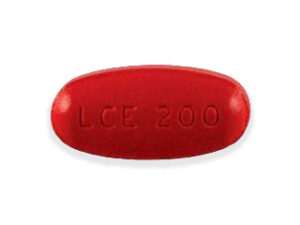
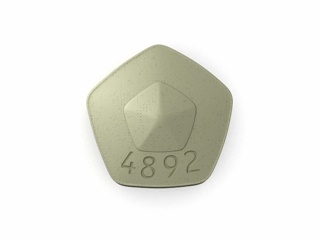


Requip (Ropinirole) — Patient Guide (UK)
Requip is a medicine containing ropinirole, which belongs to a group of medicines called dopamine agonists. It is used to treat certain conditions affecting movement, most commonly Parkinson’s disease and Restless Legs Syndrome (RLS).
This page explains how Requip works, typical uses, how to take it, important safety information, and practical tips for day-to-day use in the United Kingdom.
Basic product information
| Item | Details |
|---|---|
| Active ingredient | Ropinirole |
| Medicine type | Dopamine agonist |
| Common uses | Parkinson’s disease; Restless Legs Syndrome |
| How it’s taken | By mouth (tablets or other available formulations) |
| Typical dosing approach | Start low and increase gradually (titration) |
| Key safety topics | Sleepiness, dizziness, nausea; impulse control issues; hallucinations in some patients |
How Requip works (mechanism of action)
In Parkinson’s disease and RLS, the brain’s dopamine signalling can be disrupted. Ropinirole works by stimulating dopamine receptors, helping to improve movement and reduce uncomfortable sensations associated with RLS.
- Parkinson’s disease: Ropinirole helps reduce symptoms by acting on dopamine receptors, which can improve movement and stiffness.
- Restless Legs Syndrome: It can reduce the urge to move the legs and improve sleep by influencing dopamine pathways involved in sensory discomfort.
Pharmacokinetics (how your body handles ropinirole)
“Pharmacokinetics” describes how a medicine is absorbed, distributed, metabolised, and eliminated. Understanding these processes can help explain timing and interactions.
- Absorption: Ropinirole is absorbed after taking it by mouth. Peak levels generally occur within a few hours (depending on formulation and individual factors).
- Metabolism: It is mainly metabolised by the liver (including enzymes in the CYP family).
- Elimination: Metabolites are removed primarily via the kidneys.
- Half-life: Ropinirole has a duration of action that supports daily dosing, but the exact time course varies by person and formulation.
Because metabolism involves the liver, liver impairment and certain drug combinations can affect ropinirole levels. Your clinician may adjust your dose accordingly.
Typical uses and indications (UK)
In the UK, ropinirole is used for:
- Parkinson’s disease: often used alone in early stages or together with levodopa in later stages to help manage “off” periods and symptoms.
- Restless Legs Syndrome (RLS): treatment for moderate to severe symptoms that affect quality of life and sleep.
The suitability of Requip depends on your symptoms, age, other medicines, medical history, and response to treatment. Iron deficiency (low ferritin) is important in RLS; correcting it may reduce symptoms, sometimes alongside or instead of dopaminergic therapy.
When and how to take Requip (timing)
Correct timing can improve tolerability and effectiveness. Always follow the dose schedule provided by your healthcare professional and the instructions on your medicine packaging.
Parkinson’s disease
- Doses are often spread through the day. The schedule may start low and increase gradually.
- Some patients take it in divided doses; others may take once daily depending on formulation and treatment plan.
Restless Legs Syndrome (RLS)
- Requip is typically taken in the evening, close to bedtime, because symptoms commonly occur at night.
- Taking it at the same time each evening can help keep symptom control steady.
If you miss a dose, do not double up to make up for it. Instead, follow your healthcare professional’s advice or the instructions in the patient information leaflet for your specific product strength and formulation.
Dosing (general guidance for titration and adjustment)
Ropinirole dosing is usually adjusted gradually. This helps reduce common side effects such as dizziness and nausea. Exact doses depend on:
- your condition (Parkinson’s disease vs RLS)
- your age
- how you respond
- how well your liver processes the medicine
- other interacting medicines
Starting and increasing doses
Many regimens involve titration—a gradual increase—until symptoms are controlled. Titration schedules vary by formulation and indication. Your clinician may adjust dose steps and timing.
Stopping or missed doses
Do not stop Requip suddenly without medical advice. Abrupt changes in dopamine agonists can worsen symptoms and may cause withdrawal-like effects in some people.
Special populations
- Elderly patients: may be more sensitive to dizziness, sleepiness, and blood pressure changes, and may require slower titration.
- Renal impairment: may influence dosing depending on severity and product details.
- Liver impairment: may require dose adjustment because ropinirole is metabolised in the liver.
Food interactions (including what to eat)
Food can affect how quickly ropinirole is absorbed.
- Taking ropinirole with food may reduce stomach upset for some people and can slow absorption.
- If your schedule changes (for example, taking the medicine at a different time), it can influence effects or side effects.
To support consistent results, aim to take Requip the same way each day (for example, either always with food or always with similar food timing), unless your healthcare professional instructs otherwise.
Alcohol and medicine interactions
Alcohol
Alcohol may increase side effects such as sleepiness, dizziness, and impaired concentration. Because ropinirole can already cause these effects, combining it with alcohol may increase the risk of accidents.
If you drink alcohol, consider discussing your intake with a healthcare professional, especially if you experience drowsiness.
Other medicines that may interact
Interactions may occur via liver metabolism and through additive effects on the brain or blood pressure. Examples include:
- Antipsychotics (dopamine-blocking medicines) may reduce the effect of ropinirole.
- Certain antibiotics or other medicines that affect liver enzymes may raise or lower ropinirole levels.
- Smoking: smoking may reduce ropinirole levels (your dose may need adjustment if you start or stop smoking).
- Sedatives and other medicines that cause sleepiness may increase drowsiness and fall risk.
This is not an exhaustive list. Tell your healthcare professional and pharmacist about all medicines, including over-the-counter products and herbal remedies.
Safety profile (what to watch for)
Most people tolerate Requip well, especially when started at a low dose and increased gradually. However, some side effects can be serious. Seek medical advice promptly if you have concerning symptoms.
Common side effects
- Nausea
- Dizziness or feeling light-headed
- Sleepiness or tiredness
- Vomiting
- Heartburn or indigestion
- Headache
- Swelling of the legs (less common)
Important risks
- Sudden sleep episodes / excessive sleepiness: Some people may feel unusually sleepy or may fall asleep unexpectedly. If this happens, avoid driving and seek advice.
- Low blood pressure (including when standing): You may feel faint or dizzy, particularly when starting or increasing dose.
- Hallucinations: More likely in older adults or people with Parkinson’s disease, especially with higher doses.
- Impulse control disorders: Some patients may experience urges such as compulsive gambling, increased sexual interest, or binge eating. These changes can occur even at recommended doses. Report them early.
- Augmentation in RLS: With long-term dopaminergic treatment, RLS symptoms may worsen, start earlier in the day, or become more intense (augmentation). This should be discussed promptly with your clinician.
When to get urgent help
Contact urgent medical services or seek urgent advice if you develop symptoms such as:
- severe allergic reaction (swelling of face/lips, difficulty breathing)
- fainting or severe dizziness with injury risk
- severe confusion, agitation, or distressing hallucinations
- behaviour changes that concern you or others
Practical use tips (to make treatment easier)
- Start low and go slow: follow titration exactly. Side effects often improve as your body adapts.
- Take at the same times daily: particularly important for RLS taken at night.
- Stand up carefully: if you feel dizzy, move slowly from lying/sitting to standing.
- Plan for tiredness: be cautious with driving, operating machinery, and activities requiring full alertness, especially at the beginning of treatment or after dose increases.
- Manage nausea: taking with food (when advised) and taking the dose consistently can help some people.
- Keep an eye on RLS patterns: if symptoms shift to earlier times, report it (possible augmentation).
- Know the signs of impulse control changes: share any unusual urges with your healthcare professional quickly.
Alternative options (if Requip isn’t suitable)
The right treatment depends on your diagnosis and personal circumstances. Alternatives include:
For Parkinson’s disease
- Levodopa (often the mainstay for symptom control)
- Other dopamine agonists (choice depends on side effect profile and dosing convenience)
- MAO-B inhibitors or COMT inhibitors (used in combination for specific situations)
- Non-dopaminergic options depending on symptoms (e.g., tremor-dominant disease)
For Restless Legs Syndrome
- Iron supplementation if iron stores are low (a key first step in many cases)
- Other non-dopaminergic medicines used for RLS, depending on local guidance and individual risk
- Optimising sleep and lifestyle (reducing caffeine, improving sleep hygiene, reviewing triggering medicines)
Your pharmacist or clinician can help compare options based on your health profile, previous treatments, and symptom pattern.
Market and legal context in the United Kingdom
Medicines containing ropinirole are regulated in the UK and have approved indications and dosing information based on regulatory assessment. In the UK, medicines are prescribed and supplied under established healthcare pathways, with dispensing handled by registered pharmacies.
Patient safety information, including warnings and side effect descriptions, is provided in the official patient information leaflet and updated when new safety information becomes available. Always refer to the leaflet supplied with your specific product.
Recent guidance (high-level overview)
UK clinical practice increasingly emphasises careful selection and monitoring for dopaminergic therapy—particularly for RLS, where long-term treatment can be associated with augmentation. Clinicians may consider:
- checking iron status and addressing low ferritin
- monitoring symptom timing and intensity over time
- reviewing the balance between benefits and side effects
- assessing risk for sleepiness, hallucinations, and impulse control changes
Guidance may differ by patient group and evolving evidence, so treatment decisions should be individualised.
Delivery and availability (UK)
Availability of Requip can vary by strength, formulation, and local stock levels. Many pharmacies aim to dispatch promptly once an order is confirmed, using tracked delivery options to the UK address.
- Stock and dispatch: dispatch times depend on local inventory and supplier schedules.
- Packaging: medicines are supplied in original packaging with patient information included.
- Delivery tracking: many online pharmacies offer tracking updates.
- Address accuracy: ensure your delivery details are correct to avoid delays.
If a particular strength is temporarily unavailable, the pharmacy may offer an alternative arrangement (for example, ordering in stock or suggesting a suitable substitute only when appropriate).
FAQ
1) What is Requip used for?
Requip (ropinirole) is used for Parkinson’s disease and Restless Legs Syndrome, helping improve symptoms related to dopamine signalling.
2) How quickly will it start working?
Some people notice improvement within days, especially for RLS taken in the evening. For Parkinson’s disease, benefits often develop over weeks as the dose is adjusted. Response varies between individuals and depends on dose and titration speed.
3) Should I take it with food?
Food can influence absorption. Taking with food may help with stomach upset for some people. For best consistency, take it in a similar way each day unless your clinician has advised otherwise.
4) Can I drink alcohol while taking Requip?
Alcohol may increase sleepiness and dizziness. If you choose to drink, do so cautiously and consider how you respond to the medicine. If you feel drowsy, avoid alcohol and seek advice.
5) What should I do if I miss a dose?
Don’t double the dose. Follow the instructions in your product leaflet or ask your pharmacist for advice tailored to your dosing schedule and condition.
6) Is Requip habit-forming?
Requip is not classed in the same way as addictive painkillers, but dopamine agonists can be associated with behavioural side effects such as impulse control changes. If you notice unusual urges, discuss them promptly with your healthcare professional.
7) Does Requip affect driving?
It can cause sleepiness or sudden sleep. If you feel unusually drowsy or have any episodes of falling asleep unexpectedly, avoid driving and seek medical advice.
8) What are the warning signs of augmentation in RLS?
Augmentation may look like symptoms starting earlier in the day, becoming more intense, or spreading to other body parts. Report these changes promptly to your clinician.
9) Can I stop Requip suddenly?
Stopping suddenly is not usually recommended. Speak to a healthcare professional about how to reduce or stop safely.
10) Are there alternatives if I cannot tolerate it?
Yes. Alternatives may include different dopaminergic medicines, non-dopaminergic options, and (for RLS) iron replacement and other therapies. The best choice depends on your symptoms and risk factors.
Important: This information is intended to help you understand Requip. It does not replace advice from a healthcare professional. If you have questions about side effects, interactions, or how to take your medicine, speak to your pharmacist or clinician.