Acetazolamide (UK) — Patient Guide
Acetazolamide is a medicine used for a variety of conditions, most notably for reducing fluid build-up in the body and for preventing altitude sickness. It belongs to a group of medicines that affect an enzyme called carbonic anhydrase. This guide explains how acetazolamide works, how it is used, what to expect, and important safety information for people in the United Kingdom.
| Product summary | Details |
|---|---|
| Generic name | Acetazolamide |
| What it’s used for | Altitude sickness (prevention/treatment), raised eye pressure in selected cases, glaucoma support, and other fluid-related conditions as directed |
| How it works | Reduces carbonic anhydrase activity → changes acid-base balance and reduces fluid production |
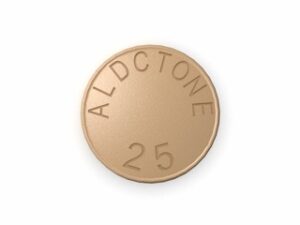
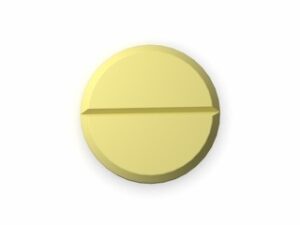
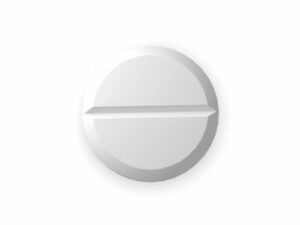
| Common forms | Oral tablets (availability may vary by supplier) |
| Typical timing | Often taken in divided doses; for altitude sickness usually started before ascent |
| Key safety points | Can affect electrolytes (e.g., potassium), cause tingling, increase urination; caution with kidney disease and sulfonamide allergy |
Basic product information
Acetazolamide is a prescription-only medicine in many situations within the UK. Availability and exact brand names can vary by pharmacy. The medicine is typically taken by mouth as tablets.
Because acetazolamide acts on the body’s acid-base and fluid balance, it is important to follow dosing advice closely and to be aware of potential interactions and side effects.
How acetazolamide works (mechanism of action)
Acetazolamide works by inhibiting carbonic anhydrase, an enzyme found in several tissues including the kidney and, to some extent, in the eye. Carbonic anhydrase helps regulate the movement of hydrogen ions and bicarbonate, which influences how the body manages:
- Fluid production (for example, in the eye and kidneys)
- Acid–base balance (blood and urine acidity)
- Electrolytes (such as bicarbonate, sodium, potassium)
By reducing carbonic anhydrase activity, acetazolamide leads to:
- Increased excretion of bicarbonate and other salts in the urine
- Urine becoming more acidic
- Reduced production of certain fluids, which can help in conditions involving increased pressure
- Increased ventilation (breathing more deeply/frequently), which can help prevent and treat altitude-related symptoms
Pharmacokinetics (how the body handles it)
“Pharmacokinetics” describes what happens to a medicine in the body: absorption, distribution, metabolism, and elimination. With acetazolamide:
- Absorption: After oral dosing, acetazolamide is absorbed from the gut and reaches systemic circulation.
- Distribution: It distributes into body tissues and can cross into areas of interest such as ocular tissues.
- Metabolism: It is not extensively metabolised; it is mainly eliminated unchanged.
- Elimination: It is primarily cleared by the kidneys. This is why kidney function is a key safety consideration.
- Half-life: The medication’s effect and dosing schedule depend on how quickly it is cleared, which varies between individuals, particularly with reduced kidney function.
Because acetazolamide is cleared by the kidneys, people with impaired renal function may be more likely to experience unwanted effects. Clinicians may adjust dosing frequency or avoid use depending on kidney function.
Typical uses in the UK
1) Altitude sickness (prevention and treatment)
Acetazolamide is widely used to help prevent symptoms of acute mountain sickness and may be used as part of treatment. It is particularly helpful because it promotes breathing adjustments at higher altitude, which can reduce symptoms.
2) Raised eye pressure and glaucoma support
In some situations, acetazolamide may be used to reduce intraocular pressure. Eye care professionals decide if it is appropriate, based on the patient’s condition and response to other treatments.
3) Other fluid and pressure-related conditions
Depending on clinical circumstances, acetazolamide can be used for other conditions where altering fluid balance and acid-base status is beneficial. Examples can include certain neurological or systemic disorders where a reduction in fluid build-up is considered.
Use should always be aligned with the clinician’s assessment of your condition. This article is for general patient information.
Timing and how to take acetazolamide
General timing
- Follow the dosing schedule provided by your healthcare professional or the instructions that come with your medicine.
- Divided doses are common because acetazolamide’s effects may reduce between doses.
- If you feel tingling or you notice frequent urination, it often becomes more noticeable after each dose.
Altitude sickness: when to start
For prevention of altitude sickness, acetazolamide is typically started before ascent. Many regimens begin the day before reaching altitude and continue during the initial period at altitude.
Your exact plan should be matched to your itinerary, altitude gain, and personal risk factors. If you are unsure, ask a healthcare professional or pharmacist for advice tailored to your trip.
What if you miss a dose?
- If you miss a dose, take it as soon as you remember unless it is close to your next dose.
- Do not take a double dose to make up for a missed tablet.
- If you have missed multiple doses or you feel unwell, seek advice.
Food and drink interactions
Acetazolamide may be taken with or without food in many cases, but food can influence tolerability. Some people find taking it with meals reduces stomach upset.
Food effects to be aware of
- Gastric irritation: If you experience nausea, try taking it with food.
- Hydration matters: Drink fluids as appropriate for your health and the situation (especially when travelling).
- Salt and electrolyte balance: Because acetazolamide affects salt and bicarbonate handling, dietary changes may influence how you feel.
There is no single “must avoid” food list, but it is sensible to maintain a balanced intake, particularly of potassium-containing foods, and to follow professional advice if you are at risk of electrolyte problems.
Alcohol interactions
Moderate alcohol intake may not be directly contraindicated for everyone, but there are important considerations:
- Dehydration risk: Alcohol can contribute to dehydration, while acetazolamide also increases urination in many people.
- Dizziness and tiredness: Both alcohol and acetazolamide may make some people feel light-headed or fatigued.
- Altitude situations: When travelling to altitude, avoiding alcohol is often recommended because symptoms of altitude sickness can be worsened by dehydration and poor sleep.
If you choose to drink alcohol, do so in moderation, stay well hydrated, and stop drinking if you feel unwell. If you have liver disease, a history of alcohol-related illness, or you are taking other medicines that affect the nervous system, seek individual advice.
Interactions with other medicines
Acetazolamide can interact with other drugs, mainly through effects on acid-base balance, urine pH, and electrolyte handling. Always tell your pharmacist about all medicines and supplements you use.
Common interaction themes
- Electrolyte-depleting medicines: Increased risk of low potassium or other electrolyte imbalances.
- Medicines affected by urine pH: Changing urine acidity can alter how some drugs are absorbed or cleared.
- Kidney function: When combined with other medicines that affect the kidneys, risk of adverse effects can increase.
- Sulfonamide-related medicines: If you have had an allergic reaction to sulfonamides (see safety section), this may affect suitability.
Examples of medicines to mention to your pharmacist
- Diuretics (“water tablets”)
- Digoxin (for some heart conditions)
- Lithium
- Oral antidiabetics or insulin (because of possible blood sugar changes in some people)
- Some anticonvulsants (anti-epileptic medicines)
- Medicines that influence potassium levels
- Non-steroidal anti-inflammatory drugs (NSAIDs), particularly if you have kidney risk factors
This is not an exhaustive list. Interaction risk varies based on your health status, doses, and kidney function.
Indications (what acetazolamide is used for)
The term “indication” describes the reason a medicine is used. Acetazolamide is used for:
- Prevention and treatment of acute mountain sickness
- Reduction of raised intraocular pressure in specific eye conditions (as decided by eye specialists)
- Conditions involving fluid and pressure regulation, including some neurological indications where clinicians consider it appropriate
Dosing: common approaches
Dosing depends on the condition being treated, your age, kidney function, and any other medications. Because acetazolamide is used for different indications, dosing is not one-size-fits-all.
Altitude sickness (typical approach)
Many people use acetazolamide for altitude sickness on a schedule that begins before ascent and continues during early time at altitude. Common regimens used in practice involve:
- Starting 1 day before reaching altitude (or as advised)
- Continuing while ascending or during the first 2–3 days at a given height (as advised)
- Dividing doses if the total daily amount is prescribed in more than one tablet
Your exact number of tablets per day and duration should follow your clinician’s or travel medical advice.
Eye pressure/other conditions
For eye conditions, dosing may be different and may involve multiple daily doses. Eye care professionals tailor regimens to minimise side effects while achieving the desired pressure control.
Kidney impairment and older age
- Reduced kidney function can lead to higher acetazolamide levels in the body.
- Dose adjustments or avoiding use may be considered depending on severity of kidney impairment.
If you are older or have kidney problems, ask your pharmacist how your dosing plan may need to be adjusted.
Safety profile: side effects and when to seek help
Common side effects
Many people tolerate acetazolamide reasonably well. Common effects include:
- Tingling or prickling sensations (often in hands, feet, or around the mouth)
- Increased urination
- Frequent urination especially early in treatment
- Nausea, stomach upset, or loss of appetite
- Altered taste (sometimes described as metallic taste)
- Fatigue or feeling light-headed
Less common but important risks
- Electrolyte disturbances such as low potassium or changes in sodium/bicarbonate levels
- Kidney-related issues, particularly in those with existing kidney disease
- Allergic reactions, especially in people with known sulfonamide allergies
- Blood disorders (rare), including changes in blood cell counts
- Severe skin reactions (rare but urgent)
Seek urgent medical advice if you develop
- Signs of an allergic reaction: swelling of face/lips, difficulty breathing, widespread rash
- Severe skin reactions: blistering, peeling skin, mouth sores
- Severe weakness, confusion, or fainting
- Persistent vomiting or inability to drink fluids
- Signs of kidney problems: reduced urination, severe back pain, or swelling
Special caution: sulfonamide allergy
Acetazolamide is related to sulfonamide compounds. If you have previously had an allergy to sulfonamides, discuss this with a healthcare professional before using acetazolamide. Allergic cross-reactions can occur in some people.
Practical use tips
- Plan for the bathroom: Because acetazolamide often increases urination, consider starting it at a time that avoids disrupting sleep.
- Hydrate sensibly: Drink fluids regularly, especially if travelling or exposed to heat.
- Monitor how you feel at altitude: If symptoms worsen (headache, breathlessness, dizziness), seek medical advice and do not rely on acetazolamide alone.
- Be consistent with doses: Taking doses at roughly the same times helps maintain effectiveness.
- Check your medicines list: Review other medicines and supplements with a pharmacist to reduce interaction risk.
- Electrolyte awareness: If you have a history of electrolyte problems, heart rhythm issues, or muscle cramps, ask whether blood tests are needed.
Alternative options
Depending on what acetazolamide is being used for, there may be alternatives. These are not direct substitutes in every case and should be chosen based on your condition, medical history, and travel plans.
Altitude sickness prevention/treatment
- Gradual ascent and acclimatisation strategies are the cornerstone of prevention.
- Some people may use other medications depending on personal risk and availability in the UK, guided by medical advice.
- Pain/fever relief for headache and discomfort may be considered, but it should not replace acclimatisation.
Eye pressure conditions
- There are multiple eye drops and oral options used in glaucoma and raised intraocular pressure.
- Your eye specialist will decide which option is suitable, depending on your eye measurements and tolerance.
If you are considering alternatives, speak to a pharmacist or clinician to compare benefits, side effects, and suitability for your situation.
Market and legal context in the United Kingdom
In the UK, medicines are regulated under the Medicines and Healthcare products Regulatory Agency (MHRA) and are dispensed in line with UK medicines legislation and pharmacy standards. The supply of acetazolamide is subject to healthcare regulations, and whether it can be supplied depends on the specific product, strength, and local supply arrangements.
Patients should ensure they obtain acetazolamide from reputable sources and follow the instructions included with the specific product they receive.
Recent guidance and considerations
Guidance for altitude-related illness and for eye pressure management can evolve based on new evidence and professional recommendations. Key themes typically include:
- Acclimatisation first: recognising that the safest approach includes gradual ascent, rest days, and attention to symptoms.
- Risk stratification: taking into account previous altitude sickness, concurrent medical conditions, and rate of ascent.
- Monitoring and follow-up: seeking medical help if symptoms are severe or not improving.
For eye pressure conditions, follow specialist advice and use medicines exactly as directed, with appropriate monitoring.
Delivery and availability (UK online pharmacy)
Availability of acetazolamide products can vary by strength and supplier. When ordering from an online pharmacy in the UK:
- Check product details such as strength (e.g., mg per tablet) and form (tablet type).
- Allow for processing time before dispatch, particularly if stock is limited.
- Delivery times depend on the pharmacy’s courier options and your postcode.
- Packaging is typically designed to protect tablets and maintain identification/label information.
If you need your medicine urgently (for example, before travel), contact customer support to confirm dispatch times and delivery estimates.
FAQ about acetazolamide
Is acetazolamide the same as a diuretic?
Acetazolamide increases urine output in many people, so it can act like a mild diuretic. However, its key action is carbonic anhydrase inhibition, which affects acid-base balance and fluid handling in specific tissues.
How long before altitude should I start?
Many regimens begin the day before ascending to high altitude, then continue during early acclimatisation. Your exact timing should be based on your itinerary, altitude gain, and personal risk factors.
Will acetazolamide stop altitude sickness completely?
It can reduce the risk and may lessen symptoms, but it does not guarantee prevention. Acclimatisation, pacing, and recognising warning signs are still essential.
What does tingling mean?
Tingling or prickling sensations are a common side effect of acetazolamide. It often relates to changes in acid-base balance and electrolytes. If tingling is severe, persistent, or accompanied by other worrying symptoms, seek medical advice.
Can I take acetazolamide with food?
Yes, many people find it easier on the stomach when taken with meals. If you notice nausea, consider taking it with food (unless your pharmacist advised otherwise).
What if I have kidney disease?
Kidney function is very important for acetazolamide safety because it is cleared by the kidneys. People with impaired kidney function may need dose adjustments or an alternative treatment. Speak to a healthcare professional before starting.
Are there foods or drinks I must avoid?
There are no universal dietary bans, but maintaining hydration and a balanced diet is important. If you have electrolyte concerns (such as low potassium), ask your pharmacist whether you should adjust your diet or monitoring.
Can I drive while taking acetazolamide?
Some people feel tired or light-headed. If you experience dizziness or fatigue, avoid driving or operating machinery until you know how the medicine affects you.
How should I store acetazolamide?
Store according to the instructions on the medicine packaging, typically in a cool, dry place away from direct sunlight. Keep tablets in their original pack to protect them from moisture and to help identify the product.
What should I do if I get a rash?
A mild rash can sometimes occur, but because severe allergic reactions can be rare, you should seek prompt medical advice if a rash is widespread, blistering, or accompanied by breathing difficulty or facial swelling.
When should I contact a pharmacist urgently?
Contact urgent medical services if you have severe allergic symptoms, breathing difficulties, blistering/peeling skin, or severe weakness/confusion. For persistent vomiting, reduced urination, or symptoms that are significantly affecting your ability to drink fluids, seek urgent advice.
Important: This information is for general guidance and does not replace individual advice from a healthcare professional. If you have questions about whether acetazolamide is suitable for you, how to take it for your specific condition, or how it fits with your current medicines, speak to a pharmacist.