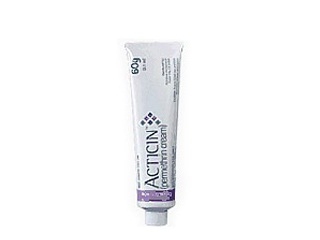

Acticin (Permethrin) – Patient Guide (UK)
Acticin contains permethrin, a medicine used to treat infestations of the skin, most commonly scabies and certain types of lice depending on the preparation. This guide explains how Acticin works, how it is used, what to expect, and practical tips to help you get the best results.
Always follow the instructions provided with your product and any advice from a healthcare professional. If you are unsure which Acticin strength or type you have, check the label or speak to a pharmacist.
1. Basic product information
- Medicine name: Acticin
- Active ingredient: Permethrin
- How it is used: Applied to the skin (for scabies) or as directed for lice, depending on the exact product
- Where it works: On the skin surface and in the upper layers of the skin
- Common conditions treated: Scabies; some lice preparations may also use permethrin (check your specific product)
In the UK, Acticin is a well-established option in the treatment of scabies. It is widely available through pharmacies and other routes, depending on local regulations and availability.
2. How Acticin works (mechanism of action)
Permethrin belongs to a group of medicines called pyrethroids. It works by affecting the nervous system of parasites such as scabies mites and/or lice (depending on the product).
At a cellular level, permethrin alters the way nerve cells handle electrical signals. This disrupts normal nerve function in the parasite, leading to paralysis and death.
- Target: Infesting mites/lice
- Effect: Stops the parasite’s ability to function and reproduce
- Outcome: Infestation is cleared when used correctly and treated contacts are managed
After successful treatment, itching may continue for 2–4 weeks. This can happen because your skin and immune system remain inflamed even after the mites are gone. It does not always mean treatment has failed.
3. Pharmacokinetics (what the body does with permethrin)
When used on the skin as directed, permethrin generally has low absorption into the bloodstream. Most of the medication remains on or near the skin surface and is broken down locally.
- Absorption: Typically minimal when used appropriately
- Distribution: Limited systemic distribution
- Metabolism: Primarily metabolised in the body
- Elimination: Mainly eliminated via normal body processes (e.g., urine)
Because systemic exposure is usually low, permethrin is generally well-tolerated when used correctly. Nevertheless, skin reactions at the application site can occur.
4. Typical use in the UK
Scabies
Acticin (permethrin) is commonly used to treat scabies. Scabies is caused by a microscopic mite that burrows in the skin. It spreads through close, prolonged skin-to-skin contact.
Key point: Treating only the person who has symptoms may not be enough. Close contacts may need treatment at the same time to stop reinfestation.
Lice (depending on product)
Some permethrin-based treatments are used for certain lice infestations. If you are using Acticin for lice, use only the exact product instructions provided for that condition, as directions differ by type of lice and the formulation.
5. When and how to apply (timing and routine)
The exact timing depends on the condition and product strength. For scabies, the most common approach is:
- Apply the cream/lotions as directed, usually over the whole body from the neck down (and sometimes including the head in children, depending on instructions on the product label).
- Leave on for the recommended duration (commonly overnight for many scabies regimens).
- Repeat treatment as advised. In many UK protocols, a second application about 7 days later is used to help eliminate newly hatched mites.
For the best results:
- Apply to clean, dry skin.
- Pay attention to application in folds (e.g., wrists, between fingers, around nails, groin area).
- Wash hands thoroughly after applying.
- Change bedding and clothing as recommended (see practical tips below).
If you are unsure about whether to repeat or how much to apply, check the leaflet for your specific Acticin product or ask your pharmacist.
6. Food interactions
Food interactions are unlikely with permethrin when used on the skin as directed, because the medicine is applied locally and absorption is low.
There are no specific food restrictions usually required for Acticin. If you are taking other medicines for different conditions, follow those medicines’ instructions as normal.
7. Alcohol and medicine interactions
Alcohol: No specific interaction with permethrin is expected when used topically. However, if you feel unwell or have skin irritation, avoiding alcohol may help you maintain comfort during treatment.
Other medicines: There are no widely known clinically significant interactions for topical permethrin. Still, it’s wise to consider:
- Other topical treatments (creams, lotions, steroid creams, disinfectant products): avoid applying new products at the same time unless your healthcare professional advises it.
- Skin conditions (eczema, broken skin): medicines applied to irritated skin may be absorbed more. Use extra caution and follow label directions closely.
Tell a pharmacist about any other medicines you use, including over-the-counter products and treatments for skin conditions.
8. Indications (what Acticin is used for)
Acticin (permethrin) is used for infestations that permethrin targets, including:
- Scabies
- Certain types of lice (only if your specific Acticin product is indicated for lice—check your pack leaflet)
Acticin does not treat fungal infections, bacterial infections, or viral skin conditions. If you are unsure what you have, seek advice from a pharmacist or clinician.
9. Dosing and how much to use
Correct dosing for Acticin depends on the condition, patient age, and the exact product formulation. Follow your product label or leaflet. Below are general, patient-friendly principles commonly used for scabies preparations.
General scabies dosing principles
- Adults and children: Use the amount needed to cover the recommended skin areas thoroughly.
- Whole-body coverage: For many regimens, cover from the neck down (and include head areas for infants/young children if specified).
- Repeat dose: Often a second application after 7 days is used to catch mites that hatch after the first application.
Do not under-apply. Too little product may fail to eliminate mites. Many treatment failures happen because coverage was incomplete.
If you miss a dose
- If you remember soon after the planned time, you may be able to apply it later.
- If the delay is significant, check guidance with a pharmacist, as the best timing can depend on the infestation and regimen.
For personalised advice, consider speaking to a pharmacist, particularly for children, pregnant people, or those with extensive skin involvement.
10. Safety profile (side effects and when to seek help)
Common side effects
Because Acticin is applied to the skin, many effects are local. The most common are:
- Temporary skin irritation (e.g., burning, redness)
- Itching (can continue even after successful treatment)
- Dryness or mild rash
- Tingling sensation in treated areas
Less common, but important
- Allergic reactions (e.g., swelling, severe rash, wheezing). Seek urgent help if these occur.
- Severe local reactions, especially if the skin is extensively broken or infected.
When to contact a healthcare professional promptly
- If you develop a severe or widespread rash after using the product
- If your skin becomes very painful, oozes significantly, or looks infected (worsening redness, heat, pus)
- If symptoms strongly worsen instead of gradually improving
- If you suspect reinfestation despite following instructions, or if there is no improvement after an appropriate timeframe
Special precautions
- Eyes and mucous membranes: Avoid contact with eyes, inside the nose, mouth, and genital mucosa unless the product instructions specifically allow it.
- Broken or very inflamed skin: Use caution; absorption can be higher and irritation more likely.
- Children: Follow age-specific directions on the leaflet.
- Pregnancy and breastfeeding: Permethrin is commonly used for scabies in many settings; follow professional advice and product guidance.
- Atopic eczema (eczema): Skin may be more reactive—consider pharmacist guidance if your eczema is active or widespread.
11. Practical use tips for better results
Success with scabies treatments is influenced by application technique and treating close contacts. The tips below can help reduce the chance of reinfestation or treatment failure.
Application checklist
- Read the leaflet before starting.
- Trim nails if possible (it may reduce transfer between surfaces and improves treatment around nails).
- Wear suitable clothing if applying overnight.
- Apply thoroughly and evenly to covered areas; do not “spot treat” only the itchy spots.
- Wash hands after application (unless your hands are also part of the treated area and instructed otherwise).
- Use a clean towel only if instructed; otherwise allow the treated skin to remain as directed.
Bedding, clothing, and household measures
Practical measures can reduce the risk of mites surviving in the environment. Exact advice may vary, so follow guidance in the patient leaflet or public health recommendations. As general principles:
- Wash recently used clothing and bedding on the recommended hot wash setting if available.
- If washing is not possible, some measures include sealing items in a bag for a period specified by guidance.
- Vacuum furniture and carpets if advised.
- Treat close contacts at the same time to prevent the cycle of reinfestation.
Managing ongoing itch
- Itch can persist after mites are gone (post-scabies itching).
- Speak to a pharmacist about soothing options (e.g., emollients) that are suitable alongside your permethrin treatment.
- Do not restart treatment repeatedly without advice if the symptoms are unchanged but you have completed the recommended regimen.
12. Alternative options
Depending on the condition, age, and severity, clinicians may recommend alternatives to permethrin. In the UK, options often discussed include:
- Other scabies treatments (e.g., different topical scabicides, depending on availability and guidance)
- Oral medicines for certain cases or when topical treatment is difficult (only under professional guidance)
- Adjunctive symptom relief such as antihistamines or topical soothing treatments for itch and inflammation
The best choice depends on factors such as how extensive the infestation is, skin sensitivity, age, pregnancy status, and household circumstances. A pharmacist can help compare the options available in the UK.
13. UK market and legal context (availability and guidance)
In the UK, scabies treatments are widely recognised, and permethrin-based products have been used for many years. Availability may vary by presentation (cream vs. lotion) and by manufacturer, and specific products may be classified differently (for example, pharmacy-only supply vs. other routes) based on UK regulatory requirements.
Public health advice in the UK commonly emphasises:
- Correct application of the full regimen
- Treating close contacts even if they are not yet symptomatic
- Cleaning of bedding and clothing in line with guidance
- Recognising post-treatment itching so people do not confuse it with treatment failure
Where required, updated local guidance from NHS services and relevant public health bodies may influence recommended regimens. Your pharmacist can help ensure you follow the most suitable advice for your situation.
14. Recent guidance (what people commonly need to know)
Guidance for scabies in the UK typically focuses on reducing reinfestation and ensuring the treatment schedule is followed. In practical terms, many pharmacists and NHS resources highlight:
- Repeat treatment after a set interval for the chosen scabicide regimen.
- Close contacts should be managed promptly (household members, sexual contacts, and caregivers).
- Itch persistence after treatment is common; re-treatment should be considered carefully and often with advice.
- Infection control measures for bedding/clothing to support eradication.
If you have already used Acticin and symptoms remain, do not automatically assume failure. Consider speaking with a healthcare professional to confirm the diagnosis and whether retreatment or alternative measures are appropriate.
15. Delivery and availability (UK online pharmacy)
Acticin is commonly available from UK pharmacies and online pharmacy services, depending on stock levels and the specific product type. Delivery options and times can vary by supplier and postcode.
- Availability: Subject to supply and the exact product/strength you order
- Delivery: Typically provided by courier or tracked post within standard UK delivery windows
- Packaging: Usually delivered in secure, plain packaging where applicable
If your order is time-sensitive (e.g., you need to treat close contacts within a specific window), contact customer services to confirm dispatch times.
16. Product overview (quick reference)
| Topic | Summary for Acticin (Permethrin) |
|---|---|
| What it treats | Scabies and certain lice preparations (depending on product) |
| How it works | Pyrethroid that disrupts parasite nerve function |
| How to use | Apply to affected skin areas as directed; often repeat after about 7 days for scabies |
| Food interactions | Not expected due to low topical absorption |
| Alcohol interactions | No specific interaction expected |
| Common side effects | Temporary skin irritation/itching |
| Important reminder | Treat close contacts and follow the full schedule to prevent reinfestation |
17. Frequently Asked Questions (FAQ)
How long will I keep itching after Acticin?
Itching can persist for 2–4 weeks after successful scabies treatment. This is often due to ongoing skin inflammation rather than live mites. If itching is worsening rapidly, new areas are appearing with increasing rash, or you suspect reinfestation, seek advice from a pharmacist or clinician.
Will Acticin kill scabies mites immediately?
Permethrin is designed to kill mites when applied correctly. However, the scabies life cycle means that mites may hatch after the first treatment. This is why many regimens include a repeat application after about 7 days.
Should I treat everyone in my household?
In many cases, yes. Scabies spreads through close contact, and treating close contacts at the same time helps prevent reinfestation. Follow the advice provided with your product or local guidance, and ask a pharmacist if you’re unsure who should be treated.
Can I bathe or shower after applying Acticin?
Typically, you should follow the leaflet on your specific product regarding when to wash off. Many scabies regimens involve leaving it on for a set period (often overnight), then washing off as instructed.
Can I use moisturiser or steroid cream at the same time?
Some people find moisturisers helpful for itch and dryness, but avoid applying multiple treatments at once unless the leaflet or pharmacist advises. If you have eczema or very sensitive skin, ask a pharmacist for advice on which products can be used alongside permethrin.
Is permethrin safe for children?
Permethrin is widely used for scabies in children when applied correctly. Age-specific instructions may apply (for example, which areas to cover). Always follow the leaflet and consider pharmacist guidance, especially for infants or if your child has extensive eczema.
What if I accidentally get Acticin in my eyes?
Rinse with plenty of water immediately and seek medical advice if irritation persists or is severe. If you need help urgently, contact NHS 111.
What if I’m pregnant or breastfeeding?
Permethrin is commonly used in pregnancy and breastfeeding when needed for scabies, but you should follow professional advice and the product leaflet. Speak to a pharmacist if you have any concerns.
When should I seek medical help instead of repeating treatment?
Contact a healthcare professional promptly if you develop severe skin reactions, signs of skin infection, breathing problems, swelling of the face, or if you are not improving despite using the correct regimen and treating contacts.
Does Acticin treat scabies in nails or scalp?
Scabies treatment usually focuses on the skin areas specified in the product leaflet. Scalp involvement may be relevant in children depending on age and guidance. Permethrin may not be intended for nails specifically unless instructed to cover those areas. Follow the leaflet carefully.
Summary
Acticin (permethrin) is a topical medicine used primarily for scabies and some lice infestations (depending on the product). It works by disrupting the parasites’ nervous system. Although side effects are usually mild and local, correct application and treating close contacts are essential to achieve eradication and reduce reinfestation. Many people continue to itch after treatment due to lingering skin inflammation, so allow time and follow guidance before assuming the treatment has failed.