
Ampicillin (Acillin) – Patient-Friendly Guide (UK)
Ampicillin (Acillin) is a penicillin-type antibiotic used to treat certain bacterial infections. This guide explains what it does, how it works in the body, what it’s used for, and important safety and practical information to help you use it correctly.
This page is written for patients in the United Kingdom. Medicines advice can vary depending on your exact infection, medical history, kidney function, and other medicines you take. Always follow the instructions provided by your healthcare professional.
1) Basic product information
| Feature | Details |
|---|---|
| Generic name | Ampicillin |
| Brand name(s) | Acillin (example brand) |
| Medicine type | Antibiotic (penicillin class) |
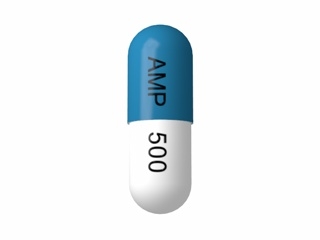
| Forms | Commonly capsules/tablets and also injectable formulations (availability varies) |
| Use | Treats infections caused by susceptible bacteria |
| Key point | Not effective against viruses (e.g., colds/flu) |
2) How Ampicillin works (mechanism of action)
Ampicillin belongs to the beta-lactam group of antibiotics (penicillins). It works by interfering with how bacteria build their cell walls. Without a properly formed cell wall, bacteria become less able to survive and multiply.
- Targets: susceptible bacteria that rely on cell-wall synthesis
- Effect: stops bacterial growth and can lead to bacterial death
- Important: effectiveness depends on the bacteria being susceptible
3) Pharmacokinetics (what the body does to the medicine)
“Pharmacokinetics” describes how a medicine is absorbed, distributed, metabolised, and eliminated. While exact values can vary by person and formulation, the key practical points for ampicillin include:
- Absorption: Ampicillin can be absorbed from the gut; food can affect absorption depending on the formulation.
- Distribution: It distributes into many body tissues and fluids, including sites relevant to some infections.
- Metabolism: A portion is metabolised in the body.
- Elimination: Mostly removed by the kidneys.
- Kidney function matters: If you have reduced kidney function, your prescriber may adjust the dose or schedule.
Because ampicillin is cleared relatively efficiently, doses are often spaced throughout the day to maintain effective antibiotic levels.
4) Typical use in the UK
Ampicillin is used to treat bacterial infections where it is appropriate and where the causative organism is likely to be susceptible. It is not used for viral illnesses and should not be used “just in case.”
In practice, the specific infection types may depend on local guidance, culture results, and antibiotic stewardship decisions. Your healthcare professional will choose the most suitable antibiotic based on your condition and risk factors.
5) Indications (what it may be used for)
Ampicillin has a broad historical role against susceptible bacteria. In the UK, it may be considered for specific infections such as:
- Urinary tract infections (in selected cases where susceptible organisms are expected or confirmed)
- Respiratory tract infections (depending on organism susceptibility and severity)
- Ear, nose, and throat infections (selected cases)
- Skin and soft tissue infections (selected cases)
- Other susceptible bacterial infections as clinically appropriate
Your prescriber may request or use microbiology results (e.g., swabs, urine cultures, blood tests) to confirm the best antibiotic. If symptoms do not improve as expected, reassessment is important.
6) Timing and how to take it
Correct timing helps maintain effective antibiotic levels in your body. Follow the dosing schedule given by your healthcare professional or the instructions on the package label.
- Space doses evenly: try to take doses at regular intervals.
- Complete the course: even if you feel better, continue unless advised otherwise.
- Missed dose: take it when you remember if it’s not close to the next dose; do not double up.
- If vomiting occurs: if you vomit soon after a dose, ask your pharmacist what to do.
If you are using a liquid formulation or reconstituted suspension, measure carefully and use the provided measuring device. Shake well if the product label advises it.
7) Food interactions
Food can affect how much of the medicine is absorbed. Ampicillin can generally be taken with or without food, but this can depend on your specific formulation and local instructions.
- Absorption: food may alter absorption for some antibiotics; if your product label instructs how to take it (e.g., before meals or after meals), follow that advice.
- For a stable routine: taking it at the same times each day helps adherence and effectiveness.
- Follow product instructions: because different brands/forms may have different guidance.
If you experience stomach upset, you may find it easier to take doses with a light meal (unless your label says otherwise). Ask a pharmacist for personalised advice based on your exact product.
8) Alcohol and medicine interactions
Alcohol
In many cases, moderate alcohol is not strictly contraindicated with ampicillin, but alcohol can:
- worsen side effects like nausea, dizziness, or diarrhoea
- impair recovery by affecting sleep and hydration
If you are unwell, it’s often best to avoid alcohol until you feel better. If you plan to drink, discuss with your pharmacist—especially if you have liver disease, are taking other medicines, or have had prior antibiotic-related complications.
Other medicine interactions (important)
Ampicillin can interact with certain medicines. Tell your healthcare professional about all medicines you take, including over-the-counter products and herbal remedies.
- Oral anticoagulants (e.g., warfarin): antibiotics can affect gut bacteria and clotting control, potentially changing INR (clotting test results). Monitoring may be needed.
- Allopurinol: there is an increased risk of rash when taken with some penicillins in certain people.
- Probenecid: may reduce the kidney clearance of penicillins, potentially increasing levels.
- Other antibiotics: combinations are sometimes used, but choices depend on infection type and resistance patterns.
- Oral contraceptives: most guidance indicates that antibiotics like ampicillin do not reliably reduce effectiveness; however, if you have vomiting or severe diarrhoea, effectiveness can be reduced—use extra contraception in that situation.
Do not start, stop, or change doses of other medicines without professional advice.
9) Safety profile: who should be careful?
Allergy and hypersensitivity
The most important safety issue with ampicillin is allergy to penicillin or related antibiotics. If you have ever had an allergic reaction to penicillin-class antibiotics, you should discuss this before using ampicillin again.
- Do not take ampicillin if you’ve had a confirmed penicillin allergy unless advised by a clinician.
- Seek urgent help if you develop signs of a severe allergic reaction such as:
- swelling of the face, lips, or throat
- trouble breathing or wheezing
- severe dizziness or collapse
- rapidly spreading rash with other symptoms
Common side effects
Many people tolerate ampicillin well, but side effects can occur.
- Gastrointestinal upset: nausea, abdominal discomfort
- Diarrhoea (sometimes mild)
- Skin reactions: rash can occur
- Headache (less common)
Serious side effects (get medical advice promptly)
- Severe or persistent diarrhoea, especially with fever or blood/mucus (possible antibiotic-associated colitis)
- Signs of liver problems: yellowing of skin/eyes, dark urine, severe fatigue
- Worsening symptoms or no improvement after a suitable time (your infection may need review)
- Severe skin reactions (e.g., blisters, peeling skin) – urgent assessment required
Special populations
- Kidney impairment: may require dose adjustment due to kidney elimination.
- History of severe allergy: discuss carefully with a clinician.
- Pregnancy and breastfeeding: may be considered depending on benefits and infection severity; professional guidance is important.
- Children: dosing is weight/age dependent; ensure correct measurement.
10) Practical use tips for best results
- Start on time: begin the course when prescribed and keep a simple reminder system (phone alarm, pill organiser).
- Hydration: drink fluids, especially if you experience loose stools.
- Manage diarrhoea carefully: do not take anti-diarrhoea medicines unless a pharmacist advises it, particularly if there is fever or blood.
- Keep track of symptoms: note improvement (or lack of it) and any side effects.
- Finish the course: stopping early can allow infection to return or persist.
- Do not share antibiotics: other people’s infections may be different or caused by different bacteria.
If you miss a dose repeatedly, antibiotic levels may become unreliable. Contact your pharmacist for adherence support.
11) Dosing information (general guidance)
Ampicillin dosing varies widely depending on the infection, age, weight, severity, and kidney function. The best source for your individual dose is the label and your healthcare professional’s instructions.
Below is general information on dosing patterns:
- Adults: dosing schedules are often several times per day.
- Children: dosing is typically weight-based and requires careful calculation.
- Kidney impairment: may require reduced frequency or lower dose.
Important: Never adjust your dose unless a clinician tells you to. If you have kidney problems, be extra careful to follow the exact instructions.
12) What to expect: treatment timing and monitoring
Many bacterial infections begin to improve within a couple of days after starting an effective antibiotic. However, improvement timing varies by infection type.
- Expect some improvement: pain, fever, and general symptoms may start easing.
- If no improvement: contact your healthcare professional for reassessment.
- Get urgent help if you develop severe allergic symptoms, severe breathing difficulties, or worsening illness.
13) Alternative options
Alternatives depend on the infection and the likely or confirmed bacteria. In some situations, clinicians may choose another antibiotic or different treatment strategy, especially when resistance patterns or allergies are factors.
Possible alternatives (examples)
- Other penicillins: depending on bacterial susceptibility
- Cephalosporins (used where appropriate)
- Macrolides (e.g., for certain respiratory infections or penicillin allergy situations)
- Other antibiotic classes tailored to the infection and culture results
Only a healthcare professional can decide which option is suitable for your specific condition. If you have had prior antibiotic reactions, mention them to ensure safe selection.
14) UK market and legal context (what this means for you)
In the UK, antibiotics are regulated medicines. Depending on the product formulation, they may be supplied only under appropriate prescribing arrangements and standard pharmacy regulations. Antibiotic stewardship is emphasised to reduce antibiotic resistance.
- Antibiotic stewardship: antibiotics should be used only when needed and for the right duration.
- Local guidance: NHS and other clinical guidance influence which antibiotics are preferred for certain infections.
- Dispensing standards: medicines must be supplied in line with UK regulatory requirements.
When you order online, your pharmacy provider should handle necessary clinical checks and ensure correct supply and labelling.
15) Recent guidance and stewardship considerations
UK clinical practice continues to emphasise:
- Using antibiotics only when bacterial infection is likely
- Using the narrowest effective antibiotic when possible
- Reviewing treatment if symptoms don’t improve
- Reducing unnecessary antibiotic use to support long-term effectiveness of antibiotics
While ampicillin may be appropriate for certain susceptible infections, your clinician may select other antibiotics more often depending on current local resistance patterns and the infection site.
16) Delivery and availability (UK)
Availability can vary by formulation (e.g., tablets/capsules vs. injections) and by current supply conditions. Online pharmacies in the UK typically provide:
- Home delivery (timing depends on service and stock)
- Clear package labelling including dosing instructions
- Customer support for product and usage queries
If your medicine is not immediately available, some online pharmacies may offer updates on expected dispatch times. Always check the product page for current stock status and delivery estimates.
17) Ampicillin FAQ
Can I take ampicillin if I have a cold or flu?
No. Colds and flu are usually caused by viruses, and ampicillin only works against bacteria. Using antibiotics when they’re not needed can cause side effects and contribute to antibiotic resistance.
How long does it take to start working?
Many people notice some improvement within 48–72 hours, depending on the infection and the bacteria involved. If you feel no better after the expected timeframe, contact your healthcare professional for advice.
What should I do if I miss a dose?
Take it as soon as you remember unless it’s close to your next dose. Do not take a double dose to make up for the missed one. If you are unsure, ask your pharmacist.
Is it safe to take with food?
It depends on the product instructions. In many cases ampicillin can be taken with or without food, but some formulations have specific guidance. Follow your label or pharmacist’s advice to avoid reduced absorption.
Can I drink alcohol while taking ampicillin?
Alcohol may worsen side effects and delay recovery. While it may not be strictly prohibited in all cases, it’s often best to avoid alcohol while you’re unwell. Ask a pharmacist for personalised advice.
Does ampicillin affect the contraceptive pill?
Most antibiotics, including penicillins like ampicillin, are not known to reliably reduce the effectiveness of combined oral contraceptives. However, vomiting or severe diarrhoea can reduce absorption of contraceptive hormones. If that happens, use extra contraception and seek advice.
What if I get diarrhoea?
Mild diarrhoea can occur with antibiotics. If it is severe, persistent, or accompanied by fever or blood/mucus, contact a healthcare professional promptly, as antibiotic-associated colitis can occur and needs appropriate treatment.
Who should avoid ampicillin?
People with a known allergy to penicillin/ampicillin should avoid it unless a clinician has advised a safe alternative approach. If you’ve ever had a serious allergic reaction, speak to your pharmacist or healthcare professional before taking it.
Can ampicillin be used in kidney disease?
It may be used with adjustments. Because ampicillin is cleared by the kidneys, dose or frequency often needs modification in reduced kidney function. Always follow the exact instructions provided for you.
Are there alternatives if I can’t take it?
Yes—depending on the infection and your allergy history, clinicians may choose another antibiotic or alternative therapy. A pharmacist or prescriber can help you select the safest option.
Summary
Ampicillin (Acillin) is a penicillin-class antibiotic used to treat certain bacterial infections. It works by disrupting bacterial cell wall formation. For best results, take it at the right times, follow food and dosing instructions on the product label, and complete the full course. If you develop severe diarrhoea, allergic symptoms, or your condition doesn’t improve, seek medical advice promptly.