Androgel (Testosterone topical) – Patient-friendly guide (UK)
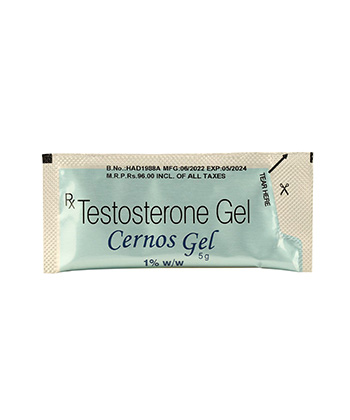
Androgel is a testosterone medicine applied to the skin. It is designed to raise testosterone levels in men who have low testosterone (hypogonadism). This page explains how it works, how it’s used, what to expect, and important safety considerations—written in clear, patient-friendly language for the United Kingdom.
If you have any questions about your personal treatment plan, ask your healthcare professional or pharmacist. Information below is general and may not replace advice for your specific situation.
1. Basic product information
| Category | Details |
|---|---|
| Medicine | Androgel (testosterone topical) |
| Route | Applied to the skin (transdermal) |
| Active ingredient | Testosterone |
| How it is supplied | Gel or solution preparations in measured-dose packs (varies by strength) |
| Main purpose | To treat low testosterone in specific medical situations |
| Typical monitoring | Blood testosterone levels and safety checks (e.g., blood count, prostate-related monitoring as advised) |
2. What is testosterone and why might it be replaced?
Testosterone is a natural hormone mainly produced in the testes (and in smaller amounts by the adrenal glands). It plays a key role in:
- Sexual development and function
- Libido (sex drive)
- Energy levels and well-being
- Muscle mass and strength
- Bone health
- Production of red blood cells
Androgel may be used when a doctor confirms that testosterone is consistently low due to a medical condition causing hypogonadism, and when symptoms fit that diagnosis.
3. Mechanism of action (how it works)
Androgel delivers testosterone through the skin into the bloodstream. Once absorbed, testosterone:
- Improves androgen signalling in the body
- May relieve symptoms related to low testosterone (e.g., low libido, fatigue)
- Supports muscle and bone maintenance (over time)
- Stimulates production of red blood cells (which is why blood counts may be monitored)
After absorption, testosterone can also be converted in tissues to:
- Dihydrotestosterone (DHT) (via 5α-reductase) – important in some androgen effects
- Oestradiol (via aromatase) – contributes to bone and other effects
4. Pharmacokinetics (absorption, distribution, and how levels behave)
Absorption
Testosterone is absorbed through the skin. The amount absorbed depends on factors such as:
- The selected application site
- Skin condition (intact, non-irritated skin generally recommended)
- How the gel is applied (thin, even layer)
- Whether the area is washed soon after application
- Any covering clothing and exposure to sweat or water
Onset and timing of blood levels
Blood testosterone levels typically rise after application and reach a more steady pattern with continued daily use. The aim is to achieve levels within the normal physiological range.
Distribution and metabolism
Testosterone circulates in the blood, partly bound to proteins (including sex hormone-binding globulin and albumin). It is metabolised mainly in the liver and tissues, and metabolites are eliminated largely through the urine.
Elimination
Testosterone has a metabolic clearance that means effects are not permanent; consistent daily use (as directed) is usually needed to maintain levels.
5. Typical use in the UK
Androgel is used to treat male hypogonadism where low testosterone is confirmed by clinical evaluation and laboratory testing, and where symptoms are consistent with androgen deficiency.
It is not intended for use in women, children, or for age-related “general vitality” treatment. It is also not for men with untreated certain prostate or breast conditions, as testosterone can worsen hormone-sensitive diseases.
Common symptoms that may improve (if appropriate)
- Reduced libido
- Erectile dysfunction related to low testosterone (not all causes respond)
- Fatigue and low energy
- Low mood associated with androgen deficiency
- Loss of muscle mass / increased body fat related to hypogonadism
- Reduced bone mineral density over time
6. When and how to apply (timing and practical use tips)
Androgel is typically applied , often in the morning. Your healthcare professional will advise the exact dosing and timing for you. Consistency helps maintain stable testosterone levels.
General timing guidance
- Apply at the same time each day if possible.
- Allow gel to dry fully before dressing.
- Plan around washing, swimming, or showering: follow the instructions on your specific pack.
- Keep the application area covered with clothing once dry to reduce transfer risk.
Where to apply
Androgel is usually applied to the abdomen and/or thighs (depending on the product and dosing regimen). Apply to the areas recommended by the manufacturer and your clinician.
Do not apply to genital skin, broken skin, or areas with irritation unless specifically instructed.
Practical steps for safer, more effective use
- Wash your hands after applying.
- Use the correct dose as directed.
- Apply the gel as instructed: spread evenly; avoid rubbing excessively.
- Let it dry before clothing.
- Do not touch the application site by others until fully dry and adequately covered.
How long does it take to work?
Some effects (like libido or energy) may be noticed within weeks in some people, while other outcomes (such as muscle strength or bone density) require longer periods. Blood tests are used to assess whether your testosterone level is in the target range.
7. Dosing (typical regimens)
Androgel dosing is individual. Your starting dose depends on baseline testosterone, symptoms, and results of blood monitoring. It is important to follow your clinician’s instructions and the specific product instructions you receive.
General dosing principles
- Start low and titrate to achieve target testosterone levels.
- Adjust dose based on measured serum testosterone and symptom response.
- Do not increase the dose yourself if you feel symptoms persist.
Monitoring schedule (typical)
In many UK practices, doctors check testosterone and safety parameters after starting or changing dose. Common safety checks may include:
- Full blood count (especially haemoglobin/haematocrit)
- Prostate-related monitoring where appropriate
- Liver function tests in certain circumstances
- Symptoms and adverse effects assessment
Your exact schedule may differ. Always attend blood tests and clinic reviews.
8. Food interactions
Androgel is applied to the skin, so it is not expected to have the same kinds of direct food-drug interactions as oral testosterone products. However, maintaining your overall health and informing your clinician about all medicines and supplements is essential.
There are no well-known dietary effects that require special restriction specifically for Androgel. If you have liver disease or take multiple medicines, ask your pharmacist whether any interactions apply to you.
9. Alcohol and medicine interactions
Alcohol
Moderate alcohol use is not a typical direct interaction with transdermal testosterone. However, alcohol can affect:
- Sleep and energy levels
- Hormonal balance and sexual function in some individuals
- Liver health (particularly if heavy drinking or liver disease is present)
If you drink heavily or have liver problems, discuss testosterone therapy with your clinician.
Other medicines
Testosterone can interact with some medicines and underlying conditions. Tell your healthcare professional about all medicines you take, including:
- Blood thinners (anticoagulants) – testosterone may influence their effect in some cases; blood tests may be needed.
- Diabetes medicines – testosterone may improve insulin sensitivity; glucose levels may change.
- Corticosteroids – combined use can affect fluid balance and other risks.
- Medicines affecting the liver – while the metabolism route differs, overall liver health matters.
- Opioids – long-term opioid use may contribute to low testosterone.
This list is not exhaustive. If you are unsure whether a medicine interacts with testosterone, ask a pharmacist.
10. Indications (when Androgel is used)
In the UK, testosterone therapy is generally used for men with confirmed hypogonadism due to recognized causes, where symptoms and laboratory results support diagnosis.
Before starting testosterone, clinicians typically consider potential contraindications and evaluate risks, including:
- Prostate health and symptoms of lower urinary tract obstruction
- Known or suspected prostate or breast cancer
- High red blood cell count (erythrocytosis)
- Severe untreated sleep apnoea
- Uncontrolled heart failure or significant cardiovascular risks
- Fertility considerations (testosterone can suppress sperm production)
Your clinician may request baseline tests and discuss the benefits vs. risks in your case.
11. Safety profile and important warnings
Androgel, like other testosterone products, can cause side effects. Many are manageable with correct monitoring and dose adjustment, but some require urgent medical attention.
Common or expected side effects
- Skin reactions at the application site (redness, irritation)
- Acne or oily skin
- Headache
- Increased libido
- Mood changes (e.g., irritability)
- Fluid retention (in some people)
- Changes in erectile function
Changes seen on blood tests
- Higher red blood cell count (haematocrit) which can increase blood thickness in some cases
- Potential changes to cholesterol or other lab values depending on individual factors
Prostate and urinary symptoms
Testosterone can affect prostate tissue. People using testosterone may be monitored for prostate health and symptoms such as:
- Difficulty starting urination
- Weak urine stream
- Frequent urination at night
- New or worsening urinary symptoms
Breast tissue changes
Testosterone can cause breast tenderness or enlargement due to hormonal conversion in the body. Report any persistent changes to your clinician.
Sleep apnoea
Testosterone may worsen untreated sleep apnoea in some people. If you have loud snoring and daytime sleepiness, discuss this with your healthcare professional.
Fertility and testicular size
External testosterone can suppress the body’s own testosterone production and may reduce sperm count. If you are trying to conceive, discuss options—fertility-preserving strategies may be available.
Serious risks—seek urgent advice if
- Signs of a stroke (sudden weakness, facial droop, speech problems)
- Signs of severe allergic reaction (swelling of face/lips, breathing difficulty, widespread rash)
- Chest pain, sudden shortness of breath, or symptoms suggesting a heart or clot problem
- Severe or persistent testicular pain or marked worsening of urinary symptoms
If you are concerned about severe symptoms, contact emergency services or seek urgent medical care.
12. Preventing accidental transfer to others (very important)
One of the key practical safety issues with topical testosterone is skin-to-skin transfer. Testosterone gel can transfer from the application area to another person—particularly children or partners—through direct contact.
How to reduce transfer risk
- Apply to recommended areas only.
- Let the gel dry completely before covering with clothing.
- Wash hands thoroughly after application.
- Cover the application area with clothing once dry.
- Avoid skin contact between the application area and others until the gel has dried and the area is covered.
- In situations of unavoidable direct contact (e.g., close contact with a partner or child), discuss additional precautions with your pharmacist.
What to do if transfer is suspected
If someone else develops signs of testosterone exposure (for example, acne, increased body hair, or changes in sexual development—especially in children), seek medical advice promptly and stop further exposure until discussed.
13. Missed dose and what to do
If you forget a dose, apply it as soon as you remember if it is the same day. If it is close to your next dose, skip the missed dose and continue as normal. Do not apply extra gel to make up for a missed dose.
Follow the instructions in your product leaflet or those given by your healthcare professional.
14. Handling, storage, and disposal
- Store as directed on the pack (typically at room temperature, away from direct heat and sunlight).
- Keep out of sight and reach of children.
- Do not use after the expiry date.
- Empty sachets or pumps should be disposed of safely according to local guidance and pack instructions.
15. Alternative options for testosterone replacement
Androgel is one way to deliver testosterone. Depending on your situation, other options may include:
- Other transdermal options (e.g., testosterone patches or different gel formulations)
- Intramuscular injections (given at intervals; may cause peaks and troughs for some people)
- Long-acting formulations (e.g., injection schedules designed for steadier levels)
- Fertility-preserving treatments for men trying to conceive (not testosterone replacement in the usual sense; requires specialist assessment)
The “best” option depends on your preferences, lifestyle, how consistently you need levels to be in range, skin sensitivity, and monitoring results. Discuss choices with your clinician.
16. UK market and legal context (what to expect)
In the United Kingdom, medicines such as Androgel are regulated and supplied according to UK medicines legislation and pharmacy practice. Testosterone preparations are subject to safety guidance, including appropriate patient selection, monitoring, and prescribing principles.
The NHS and professional bodies emphasise careful diagnosis and risk assessment, because testosterone therapy may not be suitable for everyone. Treatment decisions are based on confirmed hypogonadism and an assessment of benefits and risks.
Recent guidance themes (high-level)
In recent years, UK and international guidance has commonly highlighted:
- Confirming low testosterone with appropriate blood testing (often with repeated measurements)
- Assessing symptoms alongside laboratory findings
- Screening for contraindications (e.g., prostate-related risks)
- Monitoring for erythrocytosis (high red blood cell count)
- Evaluating cardiovascular risk on a case-by-case basis
- Considering fertility impact and alternatives if conception is planned
Your healthcare professional should follow current local clinical pathways and relevant regulatory safety communications.
17. Delivery and availability in the UK
Availability of Androgel can vary by strength and pack size. Many online pharmacies aim to help customers receive medicines reliably across the UK. Delivery times depend on stock status and the courier service selected.
- Check availability on the product page before ordering.
- Allow time for processing if items need to be obtained from suppliers.
- Delivery address accuracy matters—ensure the postcode and name are correct.
If your order is urgent or you need a specific strength, contact customer support to confirm current dispatch times. Some pharmacies may offer standard and express delivery options where available.
18. FAQ (frequently asked questions)
How quickly will Androgel raise my testosterone levels?
Testosterone levels usually rise after application and stabilise with continued daily use. Your clinician may schedule blood tests to confirm your level is in the desired range.
Can I shower or swim after applying Androgel?
You should follow the exact instructions provided with your specific product. In general, you should avoid washing the application area too soon after application and allow the gel to dry completely. Swimming or heavy sweating may affect absorption and transfer risk.
Will my partner or children be affected if they touch the area?
It can be transferred through skin contact before the gel has dried or if the area is uncovered. Wash hands after use, let the gel dry fully, cover the area with clothing, and avoid direct contact until precautions are satisfied.
What should I do if I get gel on another person?
If gel transfers, wash the contacted area promptly with soap and water. Monitor the person for any signs of exposure and seek medical advice if concerned, especially for children.
What if I have skin irritation?
Mild irritation can occur. Stop and seek advice if irritation is severe, persistent, or accompanied by rash/swelling. A clinician may adjust dose, change application sites, or recommend treatment for the skin reaction.
Does Androgel affect fertility?
Testosterone therapy can suppress sperm production in some men. If fertility is a priority, discuss options before starting treatment with your healthcare professional.
Can I drink alcohol while using Androgel?
Moderate alcohol is not typically a direct interaction with transdermal testosterone. However, alcohol can influence overall health and liver function. If you drink heavily or have liver issues, discuss this with your clinician.
Are there any medicines that should not be taken with Androgel?
Some medicines may interact or require extra monitoring (for example, certain blood thinners or diabetes medicines). Always provide a full list of your medicines and supplements to your pharmacist.
Why do I need blood tests while on testosterone?
Monitoring helps confirm testosterone levels are in range and checks for possible side effects, such as changes in red blood cell count and prostate-related parameters when appropriate.
What happens if I stop using Androgel?
Testosterone levels typically fall after stopping, and symptoms may return. Do not stop suddenly without speaking to your clinician, especially if you’ve had significant symptoms or monitoring findings.
Summary
Androgel provides testosterone through the skin to treat men with confirmed hypogonadism. It works by raising testosterone levels into the physiological range, helping address symptoms over time. Because it can transfer to others via skin contact, using correct application technique and covering the area once dry are essential. Regular monitoring supports safe treatment by tracking testosterone levels and potential side effects.