
Champix (Varenicline) – Patient Guide (UK)
Champix is a medicine used to help people stop smoking. Its active ingredient is varenicline. This guide explains how it works, how to use it, what to expect, important safety information, and practical tips for quitting—written for a UK audience in patient-friendly language.
Quick Overview
- Active ingredient: Varenicline
- What it’s for: Helping adults stop smoking (and sometimes reduce smoking on a plan)
- How it works: Targets nicotine receptors in the brain to reduce cravings and withdrawal symptoms
- Common side effects: Nausea, sleep changes, headache (varies by person)
- Typical course length: Usually 12 weeks for full quitting support
What is Champix?
Champix is a prescription medicine containing varenicline. It is designed to help with smoking cessation by affecting nicotine receptors that are involved in craving and reward. Many people find it easier to stop because it can reduce both:
- Cravings for nicotine
- Withdrawal symptoms when you stop smoking
Champix is typically used alongside a support plan (for example, behavioural support, stop-smoking advice, or structured coaching), which can significantly improve the chance of quitting.
Indications: When is Champix used?
In the UK, varenicline (Champix) is used to:
- Help adults stop smoking
- Support a planned quit attempt
Your healthcare team may also discuss continuation or adjustment depending on how you are progressing.
How Champix works (Mechanism of action)
Nicotine in tobacco products binds to nicotinic acetylcholine receptors (particularly the α4β2 subtype) in the brain. This contributes to the rewarding effects of smoking and drives cravings.
Varenicline works by acting on these receptors as a:
- Partial agonist – it stimulates the receptor in a controlled way, helping to ease cravings and withdrawal.
- Antagonist – it blocks nicotine from cigarettes from binding as effectively, which can reduce the satisfaction you may get if you smoke while using it.
This dual action is why some people experience fewer cravings and find quitting more manageable.
Pharmacokinetics: How the body handles varenicline
Understanding how the medicine moves through the body can help you use it correctly.
- Absorption: Varenicline is absorbed after oral dosing. Peak levels generally occur within a few hours.
- Distribution: It reaches the brain where nicotine receptors are located.
- Metabolism: It is largely not extensively metabolised in the liver.
- Elimination: Mostly cleared by the kidneys (urine).
- Half-life: The medicine has a relatively long half-life, supporting twice-daily dosing.
Kidney function matters: Because varenicline is mainly excreted through the kidneys, people with reduced kidney function may need dose adjustments. If you have kidney problems, it’s important to follow the dosing plan recommended for you.
Typical use and treatment plan in the UK
Champix is commonly used in a structured course. Most people aim for a quit date early in treatment. A typical plan is as follows:
- Start low, then increase: Days 1–7 usually involve a lower dose to improve tolerability.
- Quit date: Often set around the end of the first week (approximately Day 8), but follow your specific plan.
- Continue for 12 weeks: The standard course often supports you through the most challenging phase of quitting.
- Additional support if needed: Some patients may be advised to extend treatment or repeat a course depending on progress and clinical guidance.
Supportive counselling, behavioural strategies, and coping plans for triggers (stress, driving, coffee breaks, alcohol, social situations) improve outcomes.
How to take Champix: Dosing and timing
Always follow the exact dosing schedule provided to you. Below is a commonly used starter-to-maintenance approach. Your prescriber/pharmacist will tailor this if needed (for example, if you have kidney impairment).
Common dosing schedule (illustrative)
Week 1 (days 1–7): Lower dose to help reduce side effects (particularly nausea).
- Day 1–3: typically 0.5 mg once daily
- Day 4–7: typically 0.5 mg twice daily
Week 2 onward (maintenance):
- Typically 1 mg twice daily (morning and evening)
How to time doses:
- Try to take doses at roughly the same times each day.
- Many people find it easiest to take a dose after breakfast and another after dinner.
If you miss a dose
- If you miss a dose, take it when you remember
- Do not take two doses at the same time to make up for a missed tablet.
Continue even if you slip
Quitting is often not a straight line. If you smoke while using Champix, it does not automatically mean failure—many people adjust their plan and carry on. Seek advice if you are struggling.
Food interactions: Can you take Champix with meals?
Food generally does not cause major interactions with varenicline. You can usually take Champix with or without food.
If nausea occurs:
- Taking the tablet after food or with a snack may help.
- Sticking to regular meals and drinking water can also make nausea easier to manage.
Always follow the product instructions supplied with your medicine.
Alcohol and smoking: What to know
There is no well-known direct pharmacological interaction between varenicline and alcohol comparable to some other medicines. However, it’s still sensible to consider how alcohol can affect quitting:
- Alcohol may increase the urge to smoke for many people (especially socially).
- Some people experience dizziness or changes in sleep with Champix; alcohol can worsen feelings of impairment.
Practical advice: Keep alcohol moderate while establishing new routines. If you drink, plan around triggers (for example, avoid smoking “by habit” with drinks, and replace it with a non-smoking activity).
Medicine interactions: Important checks
Varenicline has relatively limited metabolism, which can mean fewer drug-drug interactions than some other medicines. That said, interactions can still occur through the way medicines affect your body.
Tell your pharmacist if you take:
- Other medicines for smoking or nicotine replacement products
- Medicines that affect the kidneys (important because varenicline is cleared renally)
- Medicines that influence the brain or mental state
- Any regular prescription or over-the-counter products, including herbal remedies
Nicotine replacement (NRT) used together
In some quit plans, clinicians may recommend or consider the use of nicotine replacement therapy alongside varenicline. Whether this is suitable depends on your individual risk factors and prior treatment history. Don’t combine products unless you have been advised to do so.
If you already use NRT, discuss your plan before starting varenicline.
Safety profile: Who should be careful?
Most people tolerate Champix, but it is important to be aware of potential side effects and when to get help. This section is general information and does not replace individual medical advice.
Common side effects
These are the types of reactions many people report. Severity and likelihood vary:
- Nausea (one of the most common)
- Headache
- Sleep disturbance (including vivid dreams)
- Dizziness
- Constipation or other mild digestive changes
Less common but important effects
- Swelling or rash (possible allergy)
- Mood changes in some people
- Unusual behavioural changes or agitation
When to seek urgent medical help
Contact urgent medical services or seek immediate advice if you experience:
- Signs of a serious allergic reaction (for example, face/lip swelling, breathing difficulties, severe rash)
- Severe or worsening mood changes, agitation, or behaviour that feels out of character
- Symptoms that worry you significantly or rapidly worsen
Mental health considerations
Some reports link varenicline with changes in mood, behaviour, and thinking in certain individuals. If you have a history of mental health conditions, including depression or anxiety, it is particularly important to be supported during treatment. If mood symptoms emerge or worsen, seek advice promptly.
Your clinician may recommend monitoring and adjusting the plan if needed.
Practical tips for using Champix successfully
Champix works best when paired with a clear quitting strategy. Here are practical, everyday tips:
1) Plan your quit day
- Pick a realistic quit date (often early in the course).
- Remove cigarettes, lighters, ashtrays, and smoking cues from your home and car.
- Tell friends and family what you’re doing so they can support you.
2) Prepare for cravings
- Cravings often peak and then fade. Use a “delay and distract” approach.
- Try a short activity swap: brush teeth, drink water, chew sugar-free gum, or take a brisk walk.
- Keep healthy snacks available for “habit” moments (especially after meals).
3) Manage nausea
- Take tablets after food if nausea happens.
- Stay well hydrated and avoid very large, heavy meals.
- If nausea is persistent, seek advice—dose adjustment may be possible under professional guidance.
4) Address triggers
- Alcohol: avoid or reduce it at first, and plan alternatives during social situations.
- Coffee: consider switching brands, adding a non-smoking ritual, or changing the order of your routine.
- Stress: try breathing exercises, a short walk, stretching, or mindfulness apps.
5) If you smoke while on treatment
- Don’t give up automatically. Reflect on what led to it (trigger, situation, timing).
- Reinforce your quit plan—often adjusting routines can help.
- Talk to a healthcare professional if you are finding it very difficult.
Alternative options for stopping smoking (UK)
If varenicline isn’t suitable for you, there are other evidence-based options. Your choice can depend on your preferences, past experiences, and any medical considerations.
1) Nicotine Replacement Therapy (NRT)
- Patches, gum, lozenges, inhalators, or nasal sprays
- Helps by providing nicotine at controlled doses to reduce withdrawal
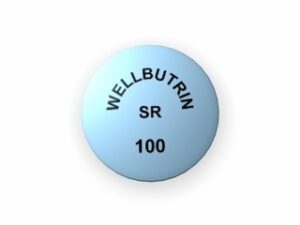
2) Bupropion
- An antidepressant sometimes used for smoking cessation in appropriate patients
- Requires careful assessment for suitability
3) Cytisine (where available)
- Used in some settings for quitting by acting on nicotine receptors
- Availability and regulatory status may vary
4) Behavioural support and stop-smoking services
- Coaching, structured programmes, and support lines can significantly improve success rates
- Support can include managing cravings, relapse prevention, and tailoring strategies
Many people benefit from combining pharmacological support with behavioural support. Discuss what’s right for you.
Market and legal context in the UK
In the United Kingdom, Champix (varenicline) has been used for many years as a smoking-cessation medicine. Availability can vary by prescribing policies and supply routes, and the presence of similar nicotine-cessation therapies may affect how clinicians choose treatments.
UK regulation is handled by the Medicines and Healthcare products Regulatory Agency (MHRA). Medicines are expected to be used according to approved information and current clinical recommendations.
Patient safety updates: Health agencies and professional bodies may publish updates on safety, prescribing advice, and best practice. If you have already started treatment, continue to follow your clinician’s plan and consult them for any relevant updates.
Recent guidance and advice to consider
Guidance for smoking cessation in the UK generally emphasises:
- Combining medication with behavioural support when possible
- Monitoring side effects and adjusting the quit plan if needed
- Considering individual risk factors, including mental health history and kidney function
- Providing clear instructions on quit timing and coping with cravings
If you are unsure about the latest best practice for your situation, ask a pharmacist or clinician for up-to-date information.
Delivery and availability from a UK online pharmacy
Champix may be available through online pharmacy services, depending on stock levels and eligibility checks. Ordering typically involves:
- Choosing the correct product and strength
- Completing relevant screening or eligibility questions as required
- Receiving delivery within the service’s stated timeframes
Delivery expectations: Delivery times and courier options vary by pharmacy provider. Check the listing for estimated dispatch and delivery windows.
Availability: If stock is temporarily unavailable, some online pharmacies offer updates or alternative product options. Always confirm that the medicine and strength are correct.
Storage and handling
- Store at room temperature as directed on the packaging.
- Keep out of sight and reach of children.
- Do not use after the expiry date.
FAQ about Champix (Varenicline)
1) When should I start Champix?
Many people start Champix and then set a quit date within the first week (often around Day 8). Your exact schedule may differ, so follow your provided dosing instructions.
2) Can I smoke while taking Champix?
Ideally, you will stop on your planned quit date. If you smoke despite this, discuss it with your healthcare professional. Some people find that continuing to take varenicline can still help them reduce cravings and improve their next attempt.
3) Does Champix contain nicotine?
No. Champix (varenicline) is not nicotine. It works by acting on nicotine receptors.
4) Will Champix make me feel sick?
Nausea is a common side effect, especially early in treatment. Taking the dose after food can help. If nausea is severe or persistent, seek advice about next steps.
5) How long does treatment usually last?
A standard course is often around 12 weeks for smoking cessation support, though your plan may vary depending on your progress and clinical advice.
6) What if I have kidney problems?
Because varenicline is cleared by the kidneys, you may need dose adjustment. Tell your pharmacist/clinician about any known kidney impairment before starting.
7) Can I drink alcohol while using Champix?
There is no guaranteed “no alcohol” rule, but alcohol can increase smoking urges and may worsen dizziness or sleep disruption. If you drink, do so cautiously and plan around smoking triggers.
8) Are there interactions with other medicines?
Varenicline has fewer metabolism-related interactions than some medicines, but interactions can still occur. Always inform your pharmacist about all medicines and supplements you use.
9) Can I use Champix with nicotine replacement therapy (NRT)?
Sometimes it may be considered, but it should be guided by healthcare advice. Don’t combine products without professional direction.
10) What should I do if I experience mood changes?
If you notice significant mood changes, agitation, or unusual behaviour, stop and seek urgent medical advice. Prompt assessment is important.
Summary
Champix (varenicline) can help you stop smoking by reducing cravings and withdrawal and by partially blocking the effects of nicotine. Success improves when you use it as directed, set a quit plan, anticipate triggers, and access behavioural support.
If you have questions about suitability, dosing, side effects, or interactions—especially if you have kidney problems or a mental health history—speak with a qualified healthcare professional for personalised guidance.