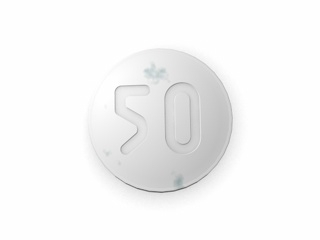


Cytoxan (Cyclophosphamide) – Patient Information (UK)
Cytoxan is a brand name for cyclophosphamide, an anticancer medicine used in a range of malignant and non-malignant conditions. This page explains what Cytoxan is, how it works, how it is given, and what you should know about safety, interactions and day-to-day practicalities for people in the United Kingdom.
This information is designed to be patient-friendly and practical. Your healthcare team will tailor treatment to your specific diagnosis, blood test results, kidney/liver function, and overall health.
Basic product information
| Category | Details |
|---|---|
| Medicine name | Cytoxan (cyclophosphamide) |
| Active ingredient | Cyclophosphamide |
| Common presentation | Oral tablets and intravenous (IV) preparations may be used depending on the regimen |
| Medicine type | Cytotoxic chemotherapy / immunosuppressive (depending on dose and regimen) |
| How it is used | Given in treatment cycles; dosing schedules vary by condition |
| Who prescribes/monitors | Specialist oncology/haematology teams and other relevant specialist services |
How Cytoxan works (mechanism of action)
Cyclophosphamide is a prodrug. After entering the body, it is converted—mainly in the liver—into active compounds that can damage DNA.
The active metabolites interfere with cell growth and division, particularly in rapidly dividing cells. This is why Cytoxan is effective against many cancers.
At certain doses and schedules, cyclophosphamide also has a modulating effect on the immune system, which is why it can be used in some severe immune-mediated diseases. (It may reduce abnormal immune activity by affecting immune cell function and survival.)
Pharmacokinetics: how the medicine moves through the body
The pharmacokinetics (ADME: absorption, distribution, metabolism, excretion) can vary between individuals. Key features include:
- Absorption: Oral cyclophosphamide is absorbed from the gastrointestinal tract.
- Metabolism: Cyclophosphamide is metabolised primarily in the liver by enzymes including CYP pathways.
- Active metabolites: The metabolites responsible for therapeutic and toxic effects circulate in the body and can persist for varying lengths of time depending on dose and regimen.
- Excretion: Metabolites are largely eliminated via the kidneys in urine.
- Variability: Kidney and liver function, concomitant medicines, and patient-specific factors can affect exposure.
Because cyclophosphamide is processed in the body and can affect blood counts and organs, treatment is typically accompanied by regular monitoring (for example, full blood counts and kidney function tests).
Typical uses and indications
Cytoxan is used in a variety of settings. Your diagnosis determines the dose and schedule.
Common cancer-related indications
- Lymphomas (often as part of combination chemotherapy regimens)
- Leukaemias (in combination strategies)
- Multiple myeloma (selected combinations may include cyclophosphamide)
- Breast cancer (in certain protocols)
- Ovarian and other solid tumours (depending on regimen and clinical setting)
Immune-mediated and non-malignant conditions
- Severe autoimmune disease in specialist circumstances
- Vasculitis (for example, certain forms of ANCA-associated or other severe vasculitides)
- Some organ-threatening immune conditions where immunosuppression is required
Not every indication applies to every patient. Treatment plans are based on clinical guidelines and local protocols used by NHS and specialist centres.
How and when Cytoxan is taken (timing and schedule)
Cytoxan regimens are often given in cycles, which means treatment is provided over a period followed by a rest period to allow recovery from side effects such as low blood counts.
Timing depends on the exact regimen, your route of administration (oral vs IV), and whether it is used as chemotherapy or immunosuppression. Common patterns include:
- Oral regimens: You may be instructed to take tablets for a specific number of days within each cycle.
- IV regimens: A healthcare professional may administer it on scheduled days, with premedication and monitoring as appropriate.
- Some schedules are continuous or pulsed: Your clinician will specify the days and dose.
Do not change the timing or skip doses without discussing it with your treatment team. If you miss a dose, contact your healthcare team promptly for advice.
Food interactions and dietary considerations
Food may influence how oral cyclophosphamide is absorbed for some people. Your prescription instructions (and pharmacy advice) will specify whether to take it with or without food.
Practical guidance:
- Follow the exact instructions provided for your specific formulation.
- If you experience nausea, your team may recommend taking the medicine with food or adjusting anti-sickness medicine timing.
- Stay well hydrated, especially if you are at risk of bladder irritation (your clinician may advise additional steps).
Always speak to your clinician or pharmacist before starting dietary supplements, herbal products, or major diet changes, as these can interact with medicines.
Alcohol interactions
Alcohol does not have a single universal interaction with cyclophosphamide for all patients, but it may increase the risk of certain side effects or add strain to the liver, dehydration and fatigue.
- Avoid or minimise alcohol during treatment unless your clinician says it is acceptable.
- Check with your team if you have any existing liver impairment or if you experience significant nausea or fatigue.
Medicine interactions (important)
Cyclophosphamide can interact with other medicines, which may change blood levels, increase toxicity, or reduce effectiveness. This is particularly relevant for medicines that affect liver enzymes or kidney function, and for drugs that alter your blood counts.
Tell your healthcare team about all medicines you take, including:
- Prescription medicines
- Over-the-counter medicines (including pain relief and cold/flu products)
- Herbal products (for example, St John’s wort)
- Supplements
- Vaccines and immune-related therapies
Examples of interaction concerns
- Enzyme inducers or inhibitors: Certain medicines can increase or decrease cyclophosphamide metabolism.
- Other cytotoxic or immunosuppressive medicines: These may add to bone marrow suppression or infection risk.
- Medicines affecting the bladder/urinary tract: Your team may advise supportive steps to reduce bladder irritation risk.
- Medicines that affect blood clotting or bleeding risk: This matters if you develop low platelets.
- Live vaccines: Immunosuppression can make live vaccines unsafe during treatment—seek medical advice before vaccination.
If you are unsure whether something is safe with Cytoxan, ask your specialist team or pharmacist before taking it.
Dosing: what to expect
Dosing is highly individual. Cyclophosphamide doses can be based on body surface area (for many chemotherapy regimens), your diagnosis, and the treatment protocol used by your specialist service.
Typical dose forms include:
- Oral doses given as tablets on specific days within each cycle
- IV doses administered in hospital/day unit according to the regimen
Your clinician will provide a clear schedule, and nurses/pharmacists will review it before each cycle. Dose adjustments may be needed depending on:
- Full blood count results (white blood cells, neutrophils, platelets)
- Kidney function and urine output
- Liver function and overall tolerability
- Previous toxicities and infection history
Important: Do not self-adjust the dose. Any changes should be agreed by your specialist team.
Safety profile: key side effects and risks
Like all cytotoxic medicines, cyclophosphamide can cause side effects. Many are predictable and manageable with monitoring and supportive care.
Common or expected side effects
- Low blood counts (neutropenia, anaemia, low platelets)
- Increased infection risk
- Nausea and sometimes vomiting
- Hair loss (may vary by regimen)
- Fatigue and weakness
- Loss of appetite
- Temporary taste changes (varies)
- Urinary discomfort in some people
Serious but less common risks
- Bladder irritation (and rarely serious bladder injury). Your team may use prevention strategies and encourage hydration.
- Severe infection if white blood cell counts drop significantly.
- Bleeding risk if platelet counts are low.
- Allergic reactions (especially with IV administration).
- Long-term effects: potential effects on fertility and a small increased risk of secondary malignancies (discussed with your specialist before starting treatment).
- Heart and lung effects are uncommon but can occur, particularly at higher cumulative doses or specific regimens.
- Changes to liver or kidney function may occur and are monitored by blood tests.
When to seek urgent help
Contact your treatment team urgently or seek immediate medical advice if you develop:
- Fever or signs of infection (for example, chills, sore throat, burning when passing urine)
- Uncontrolled vomiting or inability to keep fluids down
- Severe breathlessness, chest pain, or sudden swelling
- Blood in urine or severe pain when urinating
- Unusual bruising or bleeding
Practical use tips (making treatment easier)
- Hydration: Follow your clinician’s advice about drinking fluids. Adequate hydration can help reduce urinary side effects.
- Follow anti-sickness plans: If you are given antiemetic medicines, take them as directed—often they work best when started early.
- Blood tests: Attend all scheduled blood tests. These guide dose adjustments and timing of each cycle.
- Infection precautions: Practise good hand hygiene, avoid close contact with people who are unwell, and report fever promptly.
- Oral care: If you get mouth sores, use gentle oral hygiene and ask your team about mouthwashes or treatments.
- Skin and hair care: Use mild products. Hair loss may be predictable; some people find support useful.
- Track side effects: Keep notes on symptoms, timing, and severity to help your team adjust supportive care.
If you are taking oral cyclophosphamide at home, store it according to the label. Keep it out of reach of children and follow safe handling guidance provided with your medicine.
Fertility, pregnancy and contraception (important)
Cyclophosphamide can affect fertility. If you may become pregnant or father a child, you should discuss fertility preservation and reproductive planning with your specialist team before starting treatment.
Your team will also advise on contraception during treatment and for a period afterwards. It is important to follow the specific guidance you are given.
If you become pregnant while receiving treatment, contact your specialist team immediately to discuss next steps.
Alternative options
Whether an alternative is suitable depends on the condition being treated, the stage of disease, prior treatments, and your health background. Options may include:
- Other chemotherapy medicines used in combination regimens (chosen by cancer type and protocol)
- Biological therapies or targeted medicines (where appropriate)
- Different immunosuppressive agents for immune-mediated conditions
- Supportive care modifications and dose adjustments to reduce toxicity
- Radiotherapy or surgery for certain cancers, depending on disease extent
Your oncologist or specialist clinician will explain the rationale for choosing cyclophosphamide versus other approaches in your situation.
UK market and legal context (what it means for patients)
In the UK, medicines like cyclophosphamide are regulated under the Medicines and Healthcare products Regulatory Agency (MHRA) framework, and their use in clinical practice follows national and specialist guidance.
Cyclophosphamide is a high-risk medicine in terms of potential harm if misused, which is why administration and monitoring typically occur within specialist care pathways.
Availability can vary due to supply factors, and specialist centres may sometimes adjust regimens if a formulation is temporarily limited.
Recent guidance and monitoring expectations (UK context)
Guidance for cyclophosphamide use is updated over time based on clinical trial evidence and evolving safety requirements. In day-to-day UK practice, key ongoing themes in monitoring and supportive care include:
- Regular full blood counts to monitor for neutropenia and thrombocytopenia
- Infection prevention and prompt management of fever during periods of low white blood cell counts
- Urinary safety awareness and adherence to supportive measures to reduce bladder irritation risk
- Management of nausea and vomiting using evidence-based antiemetic strategies
- Fertility counselling and reproductive risk discussions
- Ongoing review of drug–drug interactions as medication lists change
Your treatment team will apply the most up-to-date protocol for your diagnosis and local NHS arrangements.
Delivery and availability
Availability of Cytoxan (cyclophosphamide) may depend on the particular strength and formulation used (oral vs IV preparation) and on the prescribing regimen. For some cancer and specialist immunology treatments, medicines are supplied directly through hospital pharmacy services or specialist distribution pathways.
If you are ordering from an online pharmacy:
- Check that the product matches the strength and formulation stated by your healthcare team.
- Confirm how long delivery may take and whether cold-chain handling applies (often not required for standard oral tablets, but this depends on product specifics).
- Ensure someone can receive deliveries safely and that packaging is stored correctly.
Delivery times and stock levels can change. If a medicine is temporarily unavailable, your pharmacy may offer alternatives or a restock notification if permitted by UK regulations.
FAQ: common questions about Cytoxan (cyclophosphamide)
1) What is Cytoxan used for?
Cytoxan (cyclophosphamide) is used in multiple cancer types, often as part of combination chemotherapy, and in selected severe immune-mediated conditions where specialist immunosuppression is needed.
2) How is cyclophosphamide given?
It may be taken as tablets (oral) or administered via the bloodstream (IV), depending on the treatment regimen and your diagnosis. Your care team will specify the schedule.
3) How long does treatment last?
Treatment is typically in cycles, with the total duration varying widely. It depends on response to therapy, tolerability, and your overall medical situation.
4) Will I be able to work or drive?
Some people can continue normal activities, while others feel fatigued or unwell during treatment. Driving should only be undertaken if you feel well enough and any side effects (such as dizziness or severe fatigue) do not affect safe driving.
5) Can I drink alcohol while taking Cytoxan?
It’s usually best to limit alcohol or avoid it unless your clinician confirms it is safe for you. Alcohol may worsen nausea, fatigue and liver strain.
6) What should I do if I miss a dose?
Contact your healthcare team or pharmacist for advice. Do not double up unless specifically instructed.
7) What foods should I avoid?
There are no universal food restrictions for everyone, but you should follow the instructions given for your specific formulation—especially regarding taking it with or without food. Avoid starting supplements or herbal products without medical advice.
8) Does Cytoxan affect fertility?
Cyclophosphamide can affect fertility. If this is relevant to you, discuss fertility preservation options before starting treatment and follow contraception guidance during and after therapy.
9) Is it safe to receive vaccinations during treatment?
Your immune system may be affected by cyclophosphamide. Live vaccines are generally avoided during significant immunosuppression. Ask your specialist team before receiving any vaccination.
10) What are the red-flag symptoms to report urgently?
Seek urgent medical advice if you develop fever, severe infection symptoms, blood in urine, severe pain or burning when urinating, unusual bleeding or bruising, or shortness of breath or chest pain.
Remember: Always follow the instructions provided by your healthcare team and the medication label. If you have questions about side effects, interactions, or your specific dosing schedule, speak to your pharmacist or specialist clinic.