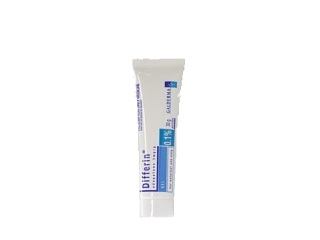

Differin (Adapalene) – Patient-Friendly Guide (UK)
Differin is a medicine containing adapalene, a topical (skin-applied) retinoid used to treat acne. This guide explains how Differin works, how to use it safely, what to expect, and when to speak to a healthcare professional. It’s written for patients across the United Kingdom (UK).
1. Basic product information
| Feature | Details |
|---|---|
| Active ingredient | Adapalene (a topical retinoid) |
| Common forms | Gel or cream formulations (strength may vary by product) |
| How it’s used | Once daily to the skin, usually in the evening |
| Main uses | Acne (including comedonal acne; often used for mild to moderate acne) |
| Key benefits | Helps prevent clogged pores and supports clearer, smoother-looking skin |
Who should consider it? Differin is commonly used by people with acne, especially where blackheads/whiteheads (comedones) and inflammatory spots are present. It is not intended for use on the eyes, lips, or inside the nose.
2. What is adapalene and how does it work?
Adapalene is a topical retinoid. Retinoids are medicines related to vitamin A and help to normalise the skin’s behaviour at the level of the pores.
Mechanism of action (how it treats acne)
- Prevents clogging of pores: Adapalene helps reduce the abnormal shedding of skin cells inside hair follicles, which can lead to comedones (blackheads and whiteheads).
- Reduces inflammation: It has anti-inflammatory effects that may help lessen redness around acne lesions.
- Improves acne turnover over time: By supporting normal cell differentiation, it can gradually improve the appearance of acne.
Important: Acne is complex, and results take time. Early irritation can occur before clear improvement is visible.
3. Typical uses in the UK
Differin is used for the treatment of acne vulgaris. Depending on the exact product and strength, it may be used for:
- Comedonal acne (blackheads/whiteheads)
- Inflammatory acne (red bumps and pimples)
- Mild to moderate acne (often as a standalone or as part of a regimen)
It is designed for skin use and should be used as directed for the treatment plan.
4. How to start: timing and what to expect
When should you apply it?
- Usually once daily in the evening (commonly after cleansing and drying the skin).
- For sensitive skin, some people begin with every other night for the first 2–3 weeks to reduce irritation, then increase to daily as tolerated.
What results can you expect?
Acne improvement from retinoids is gradual:
- First 2–4 weeks: You may notice dryness, peeling, or mild irritation. Acne may look temporarily unchanged.
- 4–8 weeks: Some people start seeing fewer new spots and smoother skin.
- 8–12 weeks (often longer): This is when clearer and more sustained improvement is more likely.
Tip: Consistency matters more than how frequently you apply it. Overuse can worsen irritation without improving results.
5. How Differin is used (dosing guidance)
Use only the amount needed to cover the affected area.
Typical application (general patient guidance)
- Wash your hands before and after applying.
- Cleanse the skin gently and pat dry.
- Apply a thin layer of Differin to the areas affected by acne.
- Avoid the corners of the nose, mouth, eyes, and any broken or sunburnt skin.
“How much is enough?”
A common way to gauge the amount is to use about a pea-sized quantity for the whole face (or as instructed with your specific product). Use more only if a clinician has advised it.
If you miss a dose: Apply it when you remember unless it’s close to the next dose. If it’s near the next dose, skip the missed one—don’t double up.
6. Pharmacokinetics (how the body handles adapalene)
Understanding absorption helps explain why topical medicines often have limited whole-body effects.
- Absorption through skin: Adapalene is applied to the skin and is generally absorbed in small amounts.
- Systemic exposure: Because absorption is limited, systemic (whole-body) levels are typically low.
- Metabolism and elimination: Adapalene is processed in the body and eliminated via normal routes. In many users, clinically significant whole-body effects are uncommon when used correctly.
Note: Absorption may increase if the product is applied to large areas, used more frequently than recommended, or applied to broken/irritated skin.
7. Food interactions
Food interactions: Because Differin is a topical treatment with low systemic absorption, dietary or food interactions are not generally expected.
However, acne can be influenced by overall health and diet. If you notice a specific food clearly worsens your acne, consider discussing this with a healthcare professional.
8. Alcohol and medicine interactions
Alcohol: Differin is applied to the skin, so alcohol is not expected to have a direct interaction with it.
Other medicine interactions
Interactions are mainly relevant to other skincare products and topical treatments rather than oral medicines.
- Other topical retinoids: Avoid combining with additional retinoid products unless advised. This can increase irritation.
- Strong exfoliants: Be cautious with products containing acids (e.g., glycolic acid, salicylic acid), scrubs, or peels. Using them alongside Differin may worsen dryness or burning.
- Benzoyl peroxide: This is commonly used for acne. Some people tolerate it well, but both can be irritating. If you use both, consider spacing them out (e.g., benzoyl peroxide in the morning, Differin at night) and start slowly.
- Antibiotic topicals: Sometimes used alongside Differin in acne regimens under professional guidance.
Oral medicines: Significant interactions are less likely due to low systemic absorption. Still, tell a pharmacist/clinician about any medicines and topical products you use.
9. Safety profile and precautions
Common side effects
Most side effects relate to skin irritation and occur especially in the first weeks.
- Dry skin
- Redness
- Peeling or flaking
- Stinging or burning sensation
- Itching
Less common concerns
- Excessive irritation or worsening rash
- Swelling of the skin (seek advice)
- Severe burning or blistering (stop and seek advice urgently)
When to be extra careful
- Sensitive skin or eczema history: You may need a slower introduction and extra moisturising.
- Sun exposure: Retinoids can increase sensitivity. Use sunscreen and limit sun/UV exposure.
- During hair removal/waxing: Avoid applying immediately after waxing or on recently irritated skin.
- Breaks in the skin: Do not apply to cuts, sores, or actively sunburnt areas.
Special population notes (pregnancy and breastfeeding)
Topical adapalene has limited absorption, but if you are pregnant, planning pregnancy, or breastfeeding, you should seek personalised advice from a healthcare professional before using retinoid products.
10. Practical use tips for better tolerance
The following tips can help you use Differin comfortably and reduce irritation:
Step-by-step routine (example)
- Evening cleanse: Use a gentle, fragrance-free cleanser.
- Dry completely: Let the skin fully dry before applying adapalene (reduces stinging).
- Moisturise strategy: You can apply a moisturiser first (a “buffer”), or moisturiser after Differin (“sandwich method”), depending on your sensitivity.
- Apply thin layer: Spread evenly over acne-prone areas.
- Protect: Use sunscreen during the day.
What to avoid during treatment
- Using harsh cleansers or scrubs
- Applying Differin around eyes, lips, nostrils, or on broken skin
- Skipping sunscreen (sun sensitivity can worsen irritation)
- Applying too much (more product does not equal faster results)
Skincare “do’s”
- Choose non-comedogenic moisturisers and sunscreens
- Use fragrance-free products if you’re prone to irritation
- Keep the routine simple while starting (introduce other actives one at a time)
11. Alternative options for acne (UK)
If Differin isn’t suitable, isn’t tolerated, or doesn’t work as expected, there are several other options commonly used for acne. Availability and appropriateness depend on acne severity and your skin type.
Common alternatives
- Topical benzoyl peroxide: Helps reduce bacteria and inflammation; can be drying.
- Topical salicylic acid (BHA): Helps with clogged pores; may be irritating for some.
- Azelaic acid: Can help with acne and marks; often better tolerated by sensitive skin.
- Topical antibiotics (sometimes combined): Typically used under professional guidance to reduce resistance risk.
- Hormonal treatments: For some patients, particularly where acne is linked to hormones (requires clinician advice).
- Oral therapies: For more severe acne, prescribers may consider oral treatments (not covered here).
Best approach: Many effective acne plans use combination therapy and a gradual build-up to improve tolerance.
12. Market and legal context in the UK
In the UK, acne treatments including topical retinoids are regulated medicines. The exact classification (e.g., whether a product is available over the counter or via a healthcare professional route) can vary by strength and formulation, as well as product listing and supply arrangements.
When choosing a product in an online pharmacy, it’s important to:
- Check the active ingredient, strength, and formulation (gel vs cream).
- Confirm the expiry date and packaging authenticity.
- Follow instructions included with the product.
Advice: If you are unsure whether Differin is suitable for your acne type, a pharmacist can often help you identify appropriate next steps.
13. Recent guidance and practical interpretation
While recommendations vary by patient, UK dermatology and primary care practice generally emphasises:
- Gradual introduction of topical retinoids to reduce irritation.
- Consistent use over several weeks before judging effectiveness.
- Sun protection due to increased risk of irritation.
- Combination strategies for inflammatory acne, often balancing tolerability.
If you experience significant irritation or your acne worsens rapidly, it may be necessary to adjust your routine and reassess suitability.
14. Delivery and availability (UK)
Availability can depend on the specific Differin product (strength and formulation). Typically, online pharmacies in the UK may offer Differin in a range of pack sizes. Delivery timeframes vary by supplier and postcode.
What you can expect when ordering
- Careful packaging: To protect the product during transit.
- Tracking: Many deliveries include tracking updates.
- Secure dispatch: Medicines are usually dispatched according to standard regulated procedures.
Tip: Store the product at room temperature as indicated on the packaging and keep it out of reach of children.
15. Frequently Asked Questions (FAQ)
How long does it take for Differin to work?
Most people notice some improvement after 4–8 weeks, with clearer results often taking 8–12 weeks or longer. Early irritation can occur, which doesn’t always mean it isn’t working.
Can I use Differin every day?
Many people use it once daily (often in the evening). If your skin is sensitive, start with every other night and build up as tolerated.
What if my skin is very dry or burning?
Stop using it temporarily and focus on gentle moisturisation. When you restart, use less often (e.g., every other night), apply a thin layer, and ensure your skin is fully dry before application. If symptoms are severe, contact a pharmacist or healthcare professional.
Can I use moisturiser with Differin?
Yes. Using a moisturiser can improve comfort and reduce irritation. You may try applying moisturiser before and/or after Differin.
Should I wear sunscreen?
Yes. Sun exposure can worsen irritation. Use a broad-spectrum sunscreen (ideally non-comedogenic) and reapply if you’re outdoors.
Can I combine Differin with benzoyl peroxide?
Some people combine them, but both can be drying. If you choose to combine, consider applying them at different times of day and start slowly to assess tolerance.
Does Differin affect my skin sensitivity to the sun?
Topical retinoids can make skin more prone to irritation. Sunscreen and limiting harsh sun/UV exposure help reduce discomfort.
Is Differin safe for all skin types?
Differin can be used by many skin types, but people with eczema or very sensitive skin may experience more irritation. A gradual introduction and moisturiser support are especially important.
Can I shave or use hair removal products while using Differin?
Try to avoid applying Differin immediately after shaving, waxing, or hair removal, as this can increase irritation. Give your skin time to calm down first.
Where should I apply it?
Apply only to acne-prone areas. Avoid eyes, lips, nostrils, corners of the nose, and broken or sunburnt skin.
What should I do if I accidentally get it in my eyes?
Rinse thoroughly with lukewarm water immediately. If irritation persists, seek medical advice.
Summary
Differin (adapalene) is a topical retinoid used to treat acne by helping prevent clogged pores and reducing inflammation. When used correctly—typically once daily in the evening, starting gradually if needed—it can support long-term improvement. Expect gradual changes over several weeks, and protect your skin from irritation and sun exposure with gentle skincare and moisturisation.