
Dolutegravir (DTG) – Patient-Friendly Guide
Dolutegravir is an antiretroviral medicine used in the treatment of HIV (Human Immunodeficiency Virus). It belongs to a class of medicines called integrase strand transfer inhibitors (INSTIs). Many people use dolutegravir as part of a combination regimen, which works to control HIV by reducing the amount of virus in the body.
This guide is written to help you understand how dolutegravir works, how it is typically taken, and what to consider for safe use—particularly with food, alcohol, other medicines, and daily routines in the United Kingdom. Always follow the specific advice given by your healthcare professional and the information in the medication leaflet supplied with your medicine.
1. Basic product information
- Generic name: Dolutegravir
- Medicine type: Antiretroviral (INSTI)
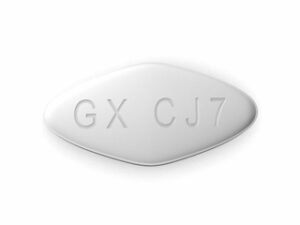
- How it is commonly supplied: Tablets (strengths may vary by product)
- Typical combination: Often used with other HIV medicines (for example, nucleoside reverse transcriptase inhibitors and/or a booster or other agents, depending on the regimen)
- Common uses: HIV treatment in adults and, in some regimens, in children (depending on local guidelines and licensing)
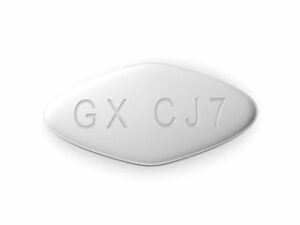
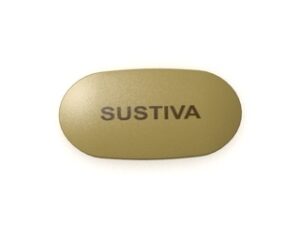
Brand names can vary. Your dispensing label will show your exact product and strength. If you are unsure which preparation you have, check the packaging or ask your pharmacist.
2. Mechanism of action (how dolutegravir works)
Dolutegravir works by blocking an HIV enzyme called integrase. Integrase is essential for HIV to insert its genetic material into the DNA of human cells.
Specifically, dolutegravir inhibits integrase strand transfer, which prevents the virus from successfully completing the integration step. As a result, HIV replication is reduced, helping lower the viral load and allowing immune function to recover or remain stable.
- Result: Reduced HIV viral levels (viral suppression)
- Benefit: Helps reduce the risk of progression of HIV and related illness
- Approach: Used with other antiretroviral medicines to improve effectiveness and reduce the risk of resistance
3. Pharmacokinetics (absorption, distribution, metabolism, elimination)
While individual responses can vary, the following are key general principles about how dolutegravir behaves in the body:
- Absorption: Dolutegravir is absorbed from the gastrointestinal tract after taking a dose.
- Time to effect: It begins working shortly after absorption, but sustained suppression depends on consistent dosing and combination therapy.
- Protein binding: Like many medicines, dolutegravir binds to blood proteins to some extent.
- Metabolism: It is processed in the liver by metabolic pathways that can be affected by interacting medicines.
- Elimination: The body clears dolutegravir primarily through metabolism and excretion of metabolites.
Why this matters: Some drugs (and certain mineral-containing products) can change dolutegravir levels in your body. Too low a level may risk reduced effectiveness; too high a level could increase side effects.
4. Typical use in the UK
Dolutegravir is used as part of combination antiretroviral therapy (cART) for people living with HIV. In the UK, treatment selection is guided by national and specialist guidance, considering factors such as:
- Whether you are starting HIV treatment or switching
- Your viral load and CD4 count
- Any previous HIV medicines and possible drug resistance
- Co-infections (for example hepatitis B/C, tuberculosis)
- Other health conditions (for example kidney or liver problems)
- Potential medicine interactions
Your regimen may be once daily or twice daily depending on your specific treatment plan and combination. Always take dolutegravir exactly as directed for your situation.
5. Indications (when dolutegravir is used)
Dolutegravir is indicated for the treatment of HIV infection as part of combination therapy. The exact approved uses can vary by product formulation, age group, and local regulatory updates.
In practice within the UK, dolutegravir-based regimens are commonly used for:
- New HIV treatment (first-line strategies are selected based on clinical factors)
- Switching treatment where a change is clinically appropriate
- People with resistance concerns (based on resistance testing and specialist review)
If you have questions about whether dolutegravir is right for your type of HIV or previous treatment history, speak with your HIV clinic or pharmacist.
6. Dosing and timing
Dosing depends on your regimen, age, formulation, kidney and liver function (as relevant), and any interacting medicines. The guidance below is general and does not replace personalised instructions.
Typical dosing frequency
- Common approach: Once daily in many adult regimens
- Some situations: Twice daily dosing may be used depending on the combination and clinical circumstances
How to take dolutegravir
- Take at the same time each day to help you remember.
- Swallow whole with water unless your specific product instructions say otherwise.
- Do not stop or change doses without advice—missing doses can lead to loss of viral suppression and increase resistance risk.
Missed dose guidance (general)
If you miss a dose, take it as soon as you remember if it is not near the time of your next dose. If it is close to the next dose, skip the missed dose and continue your schedule. Do not double up unless your clinician or pharmacist tells you to.
If you regularly struggle with missed doses, ask your pharmacist about tools that can help (mobile reminders, pill organisers, or blister packs).
7. Food interactions (what to eat and when)
Food can influence how some antiretrovirals are absorbed. For dolutegravir, food is generally acceptable, but certain details can matter—particularly when minerals are involved.
General practical points:
- You can usually take dolutegravir with or without food, depending on the product and regimen.
- Consistency helps: taking it in a similar way each day may reduce variability in absorption.
- Mineral interactions: products containing antacids or supplements with aluminium, magnesium, calcium, iron, or zinc can reduce absorption if taken at the same time.
Minerals and antacids – key timing
Dolutegravir can bind to minerals in the gut, lowering the amount of medicine absorbed. This is particularly important with:
- Antacids (for indigestion/heartburn)
- Calcium supplements
- Iron supplements
- Magnesium or aluminium-containing products
- Zinc supplements
Ask your pharmacist for exact separation timing for your product and dose. In many dolutegravir regimens, separating dosing by several hours can be required; your leaflet or clinic advice should be followed.
8. Alcohol and medicine interactions
Alcohol
Moderate alcohol intake may be possible for some people, but alcohol can affect adherence, digestion, and overall health. Alcohol can also worsen liver health in people with hepatitis co-infection and may increase side effects such as dizziness or fatigue for some individuals.
If you have hepatitis B or C, liver disease, or a history of heavy alcohol use, discuss alcohol with your HIV clinic. They can provide personalised advice based on your liver function and treatment plan.
Other medicine interactions
Dolutegravir interacts with certain medicines that affect metabolism pathways or contain minerals. It is essential to check any new medication—prescription, over-the-counter, or herbal—with your pharmacist.
Common categories that require extra caution include:
- Antacids and mineral supplements (as above)
- Some anti-epileptic medicines (for example, carbamazepine, phenytoin) which can reduce dolutegravir levels
- Rifampicin (used for tuberculosis) which can affect dolutegravir exposure
- Some antibiotics and other antiviral medicines
- St John’s wort (herbal) may reduce antiretroviral levels
- Medicines that affect kidney function may influence how certain by-products are handled (your clinician will monitor as needed)
Your clinician and pharmacist can provide a tailored list of interactions relevant to your exact regimen.
9. Safety profile (side effects and when to seek help)
Like all medicines, dolutegravir can cause side effects. Many are mild and may improve as your body adjusts. However, some reactions require prompt medical attention.
Common side effects
- Headache
- Nausea or stomach discomfort
- Diarrhoea
- Fatigue
- Sleep disturbances (in some people)
Less common but important risks
- Hypersensitivity reactions: rash, fever, facial swelling, or breathing difficulties (seek urgent help)
- Changes in liver function: more likely if you have underlying liver disease or viral hepatitis
- Immune reconstitution inflammatory syndrome (IRIS): may occur after starting effective HIV treatment (symptoms depend on existing infections)
Seek urgent medical help if you have
- Difficulty breathing, swelling of lips/face, severe rash, or fainting
- Severe or persistent vomiting, severe abdominal pain, or signs of dehydration
- Yellowing of the skin/eyes (jaundice) or dark urine with severe tiredness
Pregnancy and fertility considerations
Dolutegravir has specific considerations in pregnancy, and guidance may evolve with emerging evidence. If you are pregnant, planning pregnancy, or could become pregnant, discuss this promptly with your HIV clinic. They can advise on the most appropriate regimen for your circumstances.
10. Practical use tips (day-to-day guidance)
- Use routines: link your dose to a daily event (e.g., after breakfast) to make it easier to remember.
- Plan for minerals: if you take indigestion tablets, calcium, iron, or zinc, schedule them at different times and tell your pharmacist what products you use.
- Keep medication handy: carry your medicines during travel to avoid missed doses.
- Check labels: many over-the-counter products contain antacids or minerals—read the ingredients list.
- Stay consistent: try not to change the timing with meals day-to-day unless your clinic advises it.
- Watch for side effects: if you feel unwell after starting or switching, contact your clinic rather than stopping abruptly.
11. Alternative options
In HIV care, dolutegravir is one of several integrase inhibitors and many possible antiretroviral options. Alternative medicines may be chosen based on your medical history, resistance testing, co-infections, interaction profile, and preferences.
Other integrase strand transfer inhibitors (INSTIs)
- Bictegravir
- Raltegravir
- Elvitegravir (often requires booster strategies depending on regimen)
Other antiretroviral classes
- NRTIs (nucleoside reverse transcriptase inhibitors)
- NNRTIs (non-nucleoside reverse transcriptase inhibitors)
- Protease inhibitors (sometimes boosted)
Your HIV specialist will choose alternatives when needed due to side effects, drug interactions, resistance, or practical factors such as dosing preferences. If you want to discuss switching, ask for a medication review rather than making changes yourself.
12. Market and legal context in the United Kingdom
Dolutegravir is an established antiretroviral medicine used in UK clinical practice. In the UK, availability and prescribing practices are regulated through recognised medicines governance, including:
- Medicines regulation: medicines are authorised for specific indications and patient groups by the relevant UK authorities.
- HIV care commissioning: HIV treatment is delivered through specialist services, and regimen choices follow clinical guidance.
- Supply and pharmacy processes: NHS and other health services manage access, repeat supply, and monitoring.
Medicines guidance and preferred regimens can change as new evidence emerges, including updates on safety, resistance patterns, and drug–drug interactions. Your healthcare team stays up to date with the latest recommendations.
13. Recent guidance (general overview)
HIV treatment guidance in the UK is updated periodically to reflect new clinical evidence and safety information. Recent years have continued to support integrase inhibitor–based regimens as a cornerstone for many people due to strong efficacy and favourable dosing convenience.
Guidance may include recommendations on:
- Choosing first-line regimens for treatment-naïve people
- Switching strategies for those who are already virally suppressed
- Managing special situations such as co-infections, pregnancy planning, and drug interaction risks
- Monitoring blood tests and adherence support
Because guidance can be updated, always rely on the advice provided by your HIV clinic for your specific case.
14. Delivery and availability (UK online pharmacy information)
Availability can vary by supplier and stock levels. If you are purchasing through an online pharmacy service, delivery times and options depend on your location within the UK and the product form/strength.
- Check stock status shown on the product page.
- Delivery options: standard or express may be offered.
- Packaging: medicines are typically dispatched in secure, discreet packaging.
- Storage on arrival: store tablets according to the leaflet and packaging instructions (often at room temperature, away from moisture and direct heat).
- Contact: if you have urgent supply needs or questions about availability, contact customer support.
For health and safety reasons, it’s important to ensure the right medicine and strength are delivered. Keep the packaging and leaflet for future reference.
15. Drug interactions – quick reference
Interactions are one of the most important safety topics for dolutegravir. The table below summarises common interaction themes. For exact advice, always use your specific leaflet and speak to your pharmacist.
| Potential interacting product | What can happen | Practical action |
|---|---|---|
| Antacids (aluminium/magnesium) | Reduced dolutegravir absorption | Separate doses by the advised interval; check leaflet/pharmacist advice |
| Calcium, iron, zinc supplements | Reduced dolutegravir absorption | Take at different times; discuss your schedule with a pharmacist |
| Rifampicin (TB medicine) | May reduce dolutegravir levels | Special dosing may be required; only adjust under specialist guidance |
| Certain anti-epileptics (e.g., carbamazepine, phenytoin) | May lower dolutegravir exposure | Pharmacist review essential; dose regimen may change |
| Herbal St John’s wort | May reduce antiretroviral levels | Avoid unless your clinician specifically advises otherwise |
16. FAQ
How quickly does dolutegravir work?
Dolutegravir starts working soon after absorption, but the time to achieve an undetectable viral load varies between individuals. Regular viral load monitoring is used to confirm effectiveness.
Can I take dolutegravir with food?
In many cases, dolutegravir can be taken with or without food. However, for best results, follow your personal regimen instructions and keep a consistent routine.
What should I do about indigestion tablets?
Many indigestion tablets contain minerals (such as aluminium or magnesium) that can reduce dolutegravir absorption. You may need to separate the timing. Ask your pharmacist which products you use and when to take them.
Can I drink alcohol while taking dolutegravir?
Light to moderate alcohol may be acceptable for some people, but it can affect adherence and may be unsafe if you have liver disease or hepatitis co-infection. Discuss your situation with your HIV clinic for personalised advice.
What happens if I miss a dose?
Take it as soon as you remember if it is not near your next dose. If it is close, skip the missed dose and continue your schedule. Do not double up unless advised.
Are there long-term safety concerns?
Many people use dolutegravir long term with good tolerability. Your clinician will monitor your health and may carry out regular blood tests. Any new or worrying symptoms should be reported promptly.
Can I take dolutegravir with vitamins?
Some vitamins and supplements contain minerals (iron, calcium, zinc) that can interfere with absorption. Timing separation is often needed. Tell your pharmacist the exact supplement and dose so they can advise you.
What if I start another medicine—do I need to check?
Yes. Drug interactions can occur with prescription medicines, over-the-counter treatments, and herbal products. Always inform your pharmacist about your full medication list.
Do I need special storage?
Store tablets as directed on the packaging and leaflet—typically at room temperature, away from moisture and direct sunlight. Keep medicines out of reach of children.
Summary
Dolutegravir is a widely used HIV medicine from the integrase inhibitor class. It helps control HIV by blocking a key step in viral replication. It is typically taken once or twice daily as part of combination therapy, and its effectiveness depends on taking it consistently and avoiding key interactions—especially with mineral-containing antacids and supplements.
If you have questions about timing with meals, interactions with other medicines, side effects, or switching strategies, your pharmacist and HIV clinic can provide guidance tailored to your regimen.