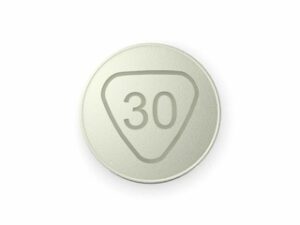


Enclomiphene (Enclomiphene citrate) — Patient-Friendly Guide (UK)
Enclomiphene is a medicine used to treat specific hormone-related conditions, most commonly male hypogonadism when testosterone levels are low and the body can respond by increasing its own hormone production. It works by stimulating the body’s natural hormone pathways rather than directly replacing testosterone.
This guide explains how enclomiphene works, how it is typically taken, what to expect, and practical safety information. It is written for people in the United Kingdom and focuses on patient-friendly understanding. Always follow the advice of a qualified healthcare professional for your individual situation.
Basic product information
- Medicine name: Enclomiphene (enclomiphene citrate)
- Common type: Selective oestrogen receptor modulator (SERM)
- How it is taken: Oral tablets/capsules (strengths vary by product availability)
- Who it’s for: People with hormone-related infertility/low testosterone patterns where stimulation of endogenous testosterone production is appropriate
- Brand names: Availability can vary; your pharmacist will advise the specific brand/manufacturer supplied
- UK availability: Supply and licensed indications may vary; check with your prescriber/pharmacy for your exact product
Note: In the UK, the legal status and prescribing route can vary depending on whether the product is licensed for a particular indication. Your pharmacy can confirm what applies to your treatment.
How enclomiphene works (mechanism of action)
Enclomiphene belongs to the SERM group. It affects how oestrogen receptors in the body respond to oestrogen signals.
In simple terms:
- Enclomiphene blocks oestrogen receptors in key areas of the brain that control reproductive hormones.
- This reduces the “oestrogen feedback” that normally tells the brain to slow down production of gonadotrophins.
- As a result, the brain increases release of LH (luteinising hormone) and FSH (follicle-stimulating hormone).
- LH and FSH stimulate the testes to increase production of testosterone and support spermatogenesis (sperm production), depending on the underlying cause.
Why this matters: Many testosterone replacement options provide testosterone from outside the body, but enclomiphene aims to improve testosterone by helping the body produce it naturally, and it may also support fertility in some men.
Pharmacokinetics (how the body handles it)
Pharmacokinetics describes absorption, distribution, metabolism and excretion.
- Absorption: Taken by mouth; absorption occurs through the digestive tract. Peak levels typically occur within a few hours (exact timing may vary between individuals and formulations).
- Distribution: Enclomiphene is highly protein-bound and distributes into body tissues.
- Metabolism: It is metabolised primarily in the liver.
- Elimination: Excretion occurs through multiple routes, with metabolites leaving the body over time.
- Half-life: Enclomiphene has a long duration in the body compared with many medicines. This means the effect may build gradually and can persist after stopping.
Practical implication: Testosterone and related labs may take time to stabilise, so follow-up blood tests are usually scheduled to monitor response and safety.
Typical use in the UK
In clinical practice, enclomiphene is used to address situations where testosterone is low and the patient may benefit from stimulating natural production. It may be considered in contexts such as:
- Male hypogonadism (particularly where fertility is a consideration)
- Low testosterone with intact pituitary/testicular function
- Assistance with spermatogenesis in selected patients (depending on cause and overall fertility work-up)
Important: The suitability of enclomiphene depends on your medical history, baseline hormone profile, and the cause of low testosterone. If the issue is primary testicular failure or certain pituitary problems, enclomiphene may not be effective.
Indications (what conditions it is intended to treat)
On prescribing labels and in patient information, enclomiphene may be described for indications related to hypogonadism and/or conditions involving reproductive hormone imbalance.
Because UK licensing and product labelling can vary, always rely on the specific information provided by your healthcare professional for your prescribed treatment.
How to take enclomiphene (dosing and timing)
Always follow the regimen provided by your healthcare professional. Doses may be adjusted based on blood tests, symptoms, side effects, and treatment goals.
Typical adult dosing (general information)
Enclomiphene dosing regimens can vary widely depending on the condition being treated, baseline hormone levels, and response over time. In many treatment plans, clinicians use a low-to-moderate starting dose and adjust gradually.
- Start low and adjust: Because lab changes may take time and enclomiphene can remain in the body for a while, dose adjustments are usually based on follow-up results.
- Once daily dosing: Many regimens are once daily; however, your clinician may prescribe a different schedule.
- Regular blood tests: Monitoring often includes testosterone (total and/or free), LH/FSH, oestradiol, and full blood count where appropriate.
When you may start to notice effects
Many people experience early changes in symptoms such as energy or libido within weeks, but the measurable lab response and stable hormone levels may take longer.
- First few weeks: Some symptom improvement may be seen.
- 4–12 weeks: Hormone levels often stabilise during this period with appropriate monitoring.
- Ongoing review: Further adjustment is sometimes needed after longer follow-up.
Missed dose guidance
If you miss a dose, take it when you remember unless it is close to the next dose. In that case, skip the missed dose. Do not take a double dose. Ask your pharmacist or prescriber for advice tailored to your schedule.
Food interactions and dietary considerations
Enclomiphene may be taken with or without food depending on the specific product instructions. Food generally does not drastically change its action for most patients.
Practical tips:
- Choose a consistent routine: Take it at roughly the same time each day.
- Manage gastrointestinal effects: If you experience nausea, some people find taking the medicine with a meal reduces discomfort.
- Do not introduce major supplements without discussion: Some herbal products and endocrine supplements can complicate hormone monitoring.
Alcohol and medicine interactions
Alcohol can affect hormone balance, liver function, mood, and sleep. While there is no single “universal” rule that enclomiphene + alcohol is always dangerous, alcohol can still increase risk.
- Liver considerations: Enclomiphene is metabolised by the liver. If you drink heavily or have liver disease, discuss safety with your clinician.
- Hormone and symptom effects: Alcohol may worsen fatigue, mood changes, libido concerns, and sleep quality—symptoms that enclomiphene aims to improve.
- Interactions with other medicines: Alcohol can interact with other drugs you take (for example, medications affecting mood, blood pressure, or clotting).
General advice: Keep alcohol intake moderate, follow your clinician’s liver-related guidance, and seek advice if you have any history of liver problems.
Safety profile: common, serious, and what to monitor
All medicines have potential side effects. Many people tolerate enclomiphene well, but monitoring is important because it alters hormone signalling.
Common side effects
- Headache
- Nausea or gastrointestinal upset
- Changes in mood (for example, irritability)
- Visual disturbances (report promptly)
- Hot flushes or temperature changes
- Acne or skin changes (hormonal influence)
Hormone-related effects to be aware of
Because enclomiphene can increase oestrogen signalling indirectly through hormone pathway changes, some patients may experience oestrogen-related symptoms, such as:
- Water retention
- Breast tenderness or gynaecomastia (breast tissue enlargement)
- Changes in libido (either improvement or sometimes fluctuation)
Monitoring testosterone and oestradiol levels helps guide management.
Serious side effects (seek urgent medical help)
- Significant visual changes (blurred vision, persistent visual disturbances)
- Severe headache or neurological symptoms
- Allergic reaction: swelling of face/lips, rash with breathing difficulty
- Signs of liver problems: yellowing of skin/eyes, dark urine, severe fatigue, right upper abdominal pain
Who should take extra care
- History of liver disease
- Visual disorders or conditions affecting the eyes
- Thromboembolic risk (risk of blood clots): discuss your risk profile with a clinician, especially if you have a history of clotting problems
- Existing hormone-sensitive conditions where altered hormone signalling could be a concern
Practical use tips for best results
- Keep consistent dosing times: It’s easier to interpret lab results and symptoms.
- Don’t skip monitoring: Testosterone and oestradiol levels guide dosing adjustments and risk management.
- Track symptoms: Use a simple note (sleep, libido, mood, energy) to discuss with your clinician at follow-ups.
- Be aware of “time to effect”: The benefits may not appear immediately; patience and monitoring are key.
- Consider fertility context: If fertility is a goal, ensure semen analysis and broader fertility work-up are appropriately managed.
- Report visual symptoms early: If you notice changes to vision, stop and seek medical advice promptly.
Alternative options
Depending on the underlying cause of low testosterone or fertility goals, alternatives may include:
- Testosterone replacement therapy (TRT) (injections, gels, patches, or pellets depending on local availability)
- Clomiphene (another SERM sometimes used to stimulate testosterone production)
- hCG (human chorionic gonadotrophin) to stimulate testicular testosterone production in selected patients
- Other fertility-directed approaches guided by a specialist (including treatment of underlying pituitary or reproductive tract causes)
- Lifestyle and reversible factors (weight management, sleep, treatment of sleep apnoea, reducing alcohol excess, medication review)
Your clinician can compare benefits and risks based on your hormone profile, fertility objectives, and comorbidities.
Market and legal context in the UK (overview)
In the UK, medicines are regulated by the Medicines and Healthcare products Regulatory Agency (MHRA) and must meet standards for quality, safety, and efficacy. Product licensing and approved indications can vary.
Patient-facing practical considerations include:
- Licensing and indication: Some uses may be within the medicine’s licensed indications; others may occur under specialist clinical frameworks.
- Product supply and formulation: Strengths and brands can differ depending on manufacturer availability.
- Monitoring expectations: Hormone-modifying medicines generally require blood test follow-up and symptom review.
Recent guidance (general theme): Over recent years, UK and international clinical practice has emphasised structured monitoring of hormone levels and side effects when using hormone-modifying SERMs. Where applicable, clinicians also assess cardiovascular risk factors and consider fertility goals as part of treatment planning.
Note: For the most up-to-date UK clinical guidance, consult NHS resources or speak to your healthcare professional, as recommendations can evolve.
Delivery and availability (UK)
Availability of enclomiphene can vary by supplier and whether a product is currently held in stock. Online pharmacies in the UK may:
- Supply licensed medicines where available
- Order in medicines when stock is not immediately available
- Provide standard delivery options depending on the pharmacy’s courier arrangements
What to expect:
- Processing time: Some orders dispatch quickly if the item is in stock; otherwise, dispatch may take longer.
- Delivery window: Many pharmacies offer 1–3 business days, but this may vary.
- Packaging: Medicines are typically supplied in compliant packaging with patient information inside or provided digitally.
If you have questions about stock status, dispatch time, or delivery costs, check the product listing in your pharmacy or contact their customer service.
Frequently asked questions (FAQ)
1) What is enclomiphene used for?
Enclomiphene is used to stimulate the body’s own hormone production—particularly to help increase testosterone in men with appropriate underlying hormone function. It may also support reproductive hormone patterns that can be relevant to fertility goals in selected patients.
2) How long does it take to work?
Some people notice symptom changes within a few weeks, but stable improvements in hormone levels usually require several weeks and are confirmed through blood tests over time.
3) Will enclomiphene increase oestrogen?
Indirectly, it can. Because it changes brain signalling that controls LH/FSH and affects downstream hormone production, oestradiol may rise in some patients. This is why blood monitoring and symptom review are important.
4) Can I take it with food?
In many cases, it can be taken with or without food. If you experience nausea, taking it with a meal may help. Always follow the specific instructions on your medicine label.
5) What about alcohol?
Moderate alcohol is generally safer than heavy drinking. However, alcohol can affect liver function and worsen fatigue, mood, and sleep. If you have liver problems or drink heavily, discuss alcohol limits with a healthcare professional.
6) Are there any serious warning signs?
Yes. Seek urgent medical advice for significant or persistent visual disturbances, symptoms of an allergic reaction, severe headache with neurological symptoms, or signs of liver issues (such as yellowing of skin/eyes).
7) What blood tests are usually monitored?
Clinicians commonly monitor hormones such as testosterone and oestradiol, along with other reproductive hormones (for example LH/FSH) and safety markers depending on your health status.
8) Can enclomiphene affect fertility?
In selected patients, enclomiphene may help support sperm production because it stimulates the body’s own reproductive hormone pathways. Fertility depends heavily on the underlying cause, so a specialist assessment may be needed.
9) How do I manage side effects?
Report side effects early, especially visual or mood changes. Your clinician may adjust dosing or investigate other causes. Do not stop treatment without medical advice unless you experience serious symptoms.
10) What are the alternatives?
Alternatives may include testosterone replacement therapy, clomiphene (another SERM), hCG-based regimens, and fertility-directed treatments. The best choice depends on your goals and medical assessment.
Summary
Enclomiphene is a SERM that helps increase testosterone production by modulating oestrogen receptor signalling in the brain. Because it influences the body’s hormone pathway, benefits may take time and monitoring is essential. If you experience symptoms such as visual changes, severe headaches, or signs of liver problems, seek medical help promptly.
If you are considering or already taking enclomiphene, speak with a healthcare professional for personalised advice on dosing, monitoring, interactions (including alcohol), and whether it is the right option for your specific condition.
Quick reference table
| Topic | What patients typically need to know |
|---|---|
| Medicine type | Selective oestrogen receptor modulator (SERM) |
| How it works | Blocks oestrogen feedback in the brain → increases LH/FSH → stimulates natural testosterone production |
| Typical use | Male hypogonadism / low testosterone where endogenous stimulation is appropriate (selected patients) |
| Timing | Effects may begin within weeks; stable lab changes often take several weeks with monitoring |
| Food | Often taken with or without food; consistency helps. Take with meals if nausea occurs |
| Alcohol | Moderate intake is generally preferred; heavy drinking may increase risk (especially liver-related) |
| Key safety points | Monitor hormones; report visual changes, severe headache, allergic reaction, or liver symptoms urgently |
| Monitoring | Commonly includes testosterone/oestradiol and other relevant hormones and safety markers as advised |
Disclaimer: This information is intended for general educational purposes and does not replace advice from a healthcare professional. Individual suitability, dose, and monitoring schedules depend on your personal health situation.