
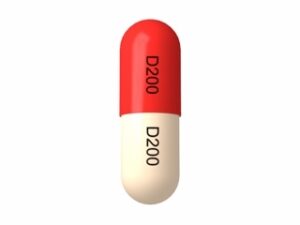

Femara (Letrozole) – Patient-Friendly Information (UK)
Femara contains letrozole, a medicine used to treat certain types of hormone-sensitive breast cancer in postmenopausal women. It works by lowering oestrogen levels in the body, which can help slow or stop the growth of some cancers that depend on oestrogen.
This guide explains how Femara works, how it is typically taken, what to expect, important safety information, interactions, and practical tips for daily use. It also includes UK-specific context such as availability and recent guidance themes.
Quick Product Summary
- Active ingredient: Letrozole
- Brand name: Femara
- Medicinal form: Tablets (commonly 2.5 mg)
- Therapeutic group: Aromatase inhibitor (hormone therapy)
- Who it is commonly used for (UK): Postmenopausal women with hormone receptor-positive breast cancer
- How it is taken: Once daily oral tablets
What Is Femara Used For?
Femara is used to treat oestrogen receptor (ER)–positive and/or hormone receptor–positive breast cancer. Depending on the situation, it may be given:
- Adjuvant treatment: After surgery (and other treatments) to reduce the risk of recurrence.
- Neoadjuvant treatment: Before surgery in some cases to help shrink the cancer.
- Advanced or metastatic disease: To slow progression and help control symptoms.
- Extended adjuvant therapy: For selected patients who have completed initial treatment to further lower recurrence risk.
Your clinical team will decide the most appropriate plan based on tumour characteristics, past treatments, menopausal status, and overall health.
How Femara Works (Mechanism of Action)
Letrozole is an aromatase inhibitor. Aromatase is an enzyme that helps produce oestrogen in the body, especially after menopause (when the ovaries stop producing most oestrogen).
Femara reduces oestrogen production by blocking aromatase, which can deprive hormone-sensitive cancer cells of the oestrogen they may need to grow.
Pharmacokinetics (How the Body Handles Letrozole)
Pharmacokinetics describes how a medicine is absorbed, distributed, metabolised, and removed from the body. The main points for letrozole are:
- Absorption: Letrozole is absorbed after oral dosing.
- Peak levels: Blood levels typically reach their highest point within a few hours.
- Distribution: It circulates in the bloodstream and reaches tissues where it can affect hormone levels.
- Metabolism: Letrozole is metabolised mainly in the liver.
- Elimination: It is cleared from the body through metabolic pathways and excretion products.
- Half-life: The medicine remains active for long enough to support once-daily dosing in most patients.
If you have liver problems or other health concerns, your clinician may monitor you more closely.
When and How to Take Femara
Typical timing
Femara is usually taken as a once-daily tablet. Many people choose a consistent time of day (for example, morning or evening) to help remember doses.
How to take it
- Swallow the tablet with water.
- Try to take it at roughly the same time each day.
- You can generally take it with or without food (see “Food interactions” below for details).
If you miss a dose
If you miss a dose, follow the advice provided by your healthcare professional or the medicine’s instructions. In general, it is usually better not to double up to make up for a missed tablet. If you are unsure, contact your pharmacist for guidance.
Food Interactions
Letrozole can generally be taken with or without food. Food is not expected to substantially change its overall effectiveness for most patients.
However, if you notice stomach upset when taking it on an empty stomach, you may find it easier to take your tablet after a meal. Always discuss any persistent side effects with your healthcare team.
Alcohol and Medicine Interactions
Alcohol
There is no universal requirement to avoid alcohol completely when taking letrozole, but alcohol can worsen side effects such as tiredness, dizziness, mood changes, and sleep disturbance in some people.
If you drink alcohol, consider discussing safe limits with your clinician—especially if you have liver issues or are taking other medicines.
Interactions with other medicines
Letrozole’s metabolism involves liver enzymes. Some medicines may affect enzyme activity and therefore influence letrozole levels. Tell your pharmacist or healthcare team about all medicines you take, including over-the-counter products and herbal supplements.
In particular, it is important to mention:
- Other cancer therapies or hormone therapies
- Medicines for epilepsy (some can affect liver enzymes)
- Medicines for infections (certain antibiotics/antifungals may interact)
- Herbal remedies (for example, St John’s wort can affect liver metabolism)
- Medicines affecting the liver or known liver disease
Your healthcare team can check for interactions and advise on safe combinations.
Dosing (Usual Adult Dose)
The usual adult dose of Femara for breast cancer is commonly:
| Indication (typical) | Common dose | Frequency | Notes |
|---|---|---|---|
| Breast cancer treatment (ER+/hormone receptor–positive) | 2.5 mg | Once daily | Duration depends on your treatment plan and response |
Duration varies. Some patients take Femara for months or years depending on whether it is adjuvant, extended adjuvant, neoadjuvant, or for advanced disease. Follow the schedule your healthcare team recommends.
If you have kidney or liver impairment, dosing may still be the same in many cases, but your clinician may monitor you more closely—especially if liver function is reduced.
Safety Profile: Common and Important Side Effects
Like all medicines, Femara can cause side effects. Many are manageable, but some require prompt medical attention. The list below is a patient-friendly overview, not a complete list of every possible reaction.
Common side effects
- Hot flushes
- Joint or muscle aches (arthralgia/myalgia)
- Fatigue
- Headache
- Nausea or indigestion
- Swelling (fluid retention can occur in some patients)
- Skin changes (such as rash in some cases)
- Vaginal dryness or changes in genital comfort
- Mood changes (including low mood or anxiety in some patients)
Bone health and fracture risk
Reducing oestrogen can affect bone density. Over time, aromatase inhibitors like letrozole may contribute to osteoporosis and increased fracture risk. Bone monitoring is often part of ongoing care.
- You may be offered a bone density scan (DEXA) depending on your risk factors.
- Your clinician may recommend calcium and vitamin D, lifestyle measures, or bone-protecting medicines.
Rare but serious side effects (seek urgent medical help)
- Signs of a serious allergic reaction such as swelling of the face/lips, breathing difficulty, or widespread rash
- Severe or persistent liver problems such as yellowing of the skin/eyes (jaundice) or severe upper abdominal pain
- Chest pain, sudden breathlessness, or neurological symptoms (these can have many causes, but should be assessed promptly)
Important safety considerations
- Menopausal status: Femara is typically used in postmenopausal women. If you are not clearly postmenopausal, your prescriber will consider appropriate options.
- Pregnancy and breastfeeding: This medicine can harm an unborn baby. It is not intended for use during pregnancy or breastfeeding.
- Drug history: Inform your healthcare team if you have previously taken hormone therapies or have had bone fractures.
- Monitoring: Regular follow-up may include symptom review and blood tests when appropriate.
Practical Use Tips (Daily Living)
Many people find it easier to stay consistent with treatment when they plan for side effects early. The tips below are general and should be adapted to your circumstances.
Managing joint and muscle aches
- Gentle regular activity (such as walking or stretching) can help stiffness.
- Warm baths or heat packs may ease aching joints.
- Discuss pain control options with your pharmacist or clinician if symptoms are persistent.
- Report significant worsening early—sometimes adjustments to supportive care can help.
Bone protection
- Consider weight-bearing exercise (as advised by your care team).
- Aim for adequate calcium and vitamin D intake (food and/or supplements as advised).
- Avoid smoking and limit excess alcohol, both of which can affect bone health.
- Keep scheduled bone density and monitoring appointments.
Hot flushes and sleep
- Keep rooms cool; use fans or layered clothing.
- Limit triggers such as caffeine or spicy foods if you notice they worsen symptoms.
- If sleep becomes difficult, discuss strategies or treatments with your clinician.
Vaginal dryness and comfort
- Non-hormonal moisturisers and lubricants may help.
- Discuss symptoms with your care team—there are practical options available.
Remembering your dose
- Use a phone alarm or pill organiser.
- If you travel, plan how you will take your tablet at the same time each day.
- Keep track of refills so you do not run out.
Alternative Options
Depending on your specific cancer characteristics and previous treatments, clinicians may consider alternative hormone therapies. Options can include:
- Other aromatase inhibitors such as anastrozole or exemestane
- Selective oestrogen receptor modulators such as tamoxifen (in some settings)
- Other systemic cancer treatments (e.g., chemotherapy, targeted agents) depending on stage and tumour biology
Switching within the same class (or to a different class) may be considered if side effects are difficult to manage or if the treatment plan changes. Always talk to your clinician before making any changes.
UK Market and Legal Context (What to Know)
In the United Kingdom, Femara (letrozole) is an established medicine used in routine oncology practice. Availability can vary by strength, pack size, and pharmacy supply. Over time, some brands may be supplied alongside generics, depending on market conditions and procurement.
Medicines are supplied according to UK regulatory and pharmacy requirements. Your pharmacy team will provide guidance on correct use, including how to store tablets and what to do if you have questions about side effects or interactions.
Recent guidance themes in the UK
While recommendations are individualised, recent UK oncology practice commonly emphasises:
- Personalised hormone therapy based on tumour receptor status and patient factors
- Bone health assessment (osteoporosis/fracture prevention) during aromatase inhibitor therapy
- Managing side effects early to improve adherence and quality of life
- Regular follow-up to monitor treatment response and tolerability
Your clinician may also consider guidance from major UK health bodies and specialist cancer services, alongside local protocols.
Delivery and Availability (Online Pharmacy)
As an online pharmacy customer in the UK, you can typically expect:
- Stock availability checks before dispatch
- Secure packaging to protect tablets during transit
- Tracking options where available
- Clear delivery times shown at checkout
If a specific pack size or strength is temporarily unavailable, your pharmacy may:
- Offer an alternative pack size of the same strength, or
- Suggest another option if clinically appropriate.
How to Store Femara
- Store at room temperature, away from excessive heat and moisture.
- Keep tablets in their original packaging.
- Keep out of the sight and reach of children.
- Check the expiry date on the pack and do not use after expiry.
FAQ About Femara (Letrozole)
1) Is Femara only for postmenopausal women?
Femara is used mainly in postmenopausal women for hormone receptor–positive breast cancer. Menopausal status is an important factor when choosing endocrine therapy, so your prescriber will confirm the most appropriate treatment plan.
2) Can I take Femara with food?
Yes. Femara is generally taken with or without food. If food helps you tolerate it better, taking it after a meal can be comfortable.
3) Will Femara cure breast cancer?
Femara is intended as a treatment to reduce risk, slow progression, or control disease depending on the stage of cancer and the overall treatment plan. Your clinician can explain what outcome is expected for your particular situation.
4) How soon will it start working?
Hormone levels can change relatively quickly after starting therapy. Whether and when you notice improvement depends on the goal of treatment (for example, adjuvant risk reduction vs treatment of advanced disease). Ongoing monitoring and follow-up will guide assessment.
5) What if I get joint pain?
Joint and muscle aches are common. If symptoms are mild, supportive measures such as gentle activity and heat may help. If pain is persistent, worsening, or affecting daily life, contact your healthcare team for advice—there may be supportive options or considerations for your overall regimen.
6) Does Femara affect bone density?
It can. Aromatase inhibitors reduce oestrogen and may increase fracture risk over time. Bone health monitoring and preventive strategies are commonly discussed as part of treatment.
7) Are there any herbal or “natural” products I should avoid?
Some supplements can interact with medicines or affect liver metabolism. Inform your pharmacist about any herbal products or supplements you use, including those bought without a prescription.
8) Can I drink alcohol?
Moderate alcohol may be acceptable for many people, but alcohol can worsen tiredness, sleep, and mood. If you have liver disease or experience side effects, discuss safe limits with your clinician.
9) What should I do if I miss a dose?
Check your medicine instructions or ask your pharmacist for guidance. In general, you should not double up to compensate. The safest approach depends on how long ago the dose was missed.
10) What signs mean I should seek medical help urgently?
Seek urgent medical attention if you suspect a serious allergic reaction (e.g., swelling, trouble breathing), develop severe or persistent symptoms such as jaundice, or experience new severe chest pain or neurological symptoms.
Final Notes
Femara (letrozole) is a widely used endocrine therapy for hormone receptor–positive breast cancer. It works by lowering oestrogen and is typically taken once daily over a course of time determined by your care plan.
If you have questions about how to take your tablets, manage side effects, or check for interactions with other medicines, speak to your pharmacist or healthcare team. They can tailor advice to your medical history and treatment goals.