


Fluoxetine (SSRIs) – Patient-Friendly Guide for UK Customers
Fluoxetine is a medicine from the SSRI (selective serotonin reuptake inhibitor) family, widely used to treat depression and several other mental health conditions. This page explains how fluoxetine works, how it is used in practice, key safety points, and what to consider regarding food, alcohol, and other medicines—tailored for customers in the United Kingdom.
Important: Always follow the advice provided with your medicine. If you have questions about suitability or interactions, speak to a qualified healthcare professional or pharmacist.
Basic Product Information
- Generic name: Fluoxetine
- Medicine type: SSRI antidepressant
- Common brand examples (may vary by supplier): Prozac® (in some markets), plus various generic versions
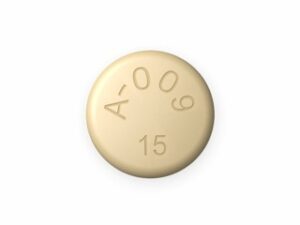
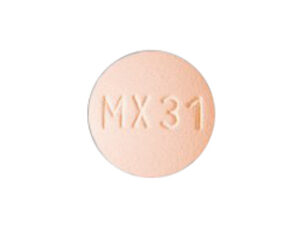
- Available strengths: Common tablet strengths include 10 mg, 20 mg, and sometimes 40 mg; also available in some regions as capsules or liquid formulations (availability varies by pharmacy)
- How it is taken: Usually once daily by mouth
Brand availability and exact presentation can vary across UK pharmacies. Your product label will confirm the formulation and strength you receive.
How Fluoxetine Works (Mechanism of Action)
Fluoxetine increases the activity of serotonin in the brain. Serotonin is a chemical messenger involved in mood, anxiety, sleep, appetite, and emotional regulation.
More specifically:
- Fluoxetine inhibits the reuptake of serotonin (it blocks the serotonin transporter responsible for removing serotonin from synapses).
- This can lead to improved communication between nerve cells over time.
- The full therapeutic effect typically develops after repeated dosing, not immediately.
Because of its long-lasting action, fluoxetine tends to remain in the body for a considerable time compared with some other SSRIs.
Pharmacokinetics: How the Body Handles Fluoxetine
Understanding how long fluoxetine lasts can help explain why it often has a smoother transition when starting or stopping (though this still requires care).
- Absorption: Fluoxetine is absorbed after oral dosing. Food generally does not significantly reduce overall effectiveness.
- Peak levels: Levels typically peak within a few to eight hours (depending on formulation and individual factors).
- Metabolism: The liver metabolises fluoxetine. Its active metabolite norfluoxetine contributes to long-lasting effects.
- Elimination: Fluoxetine and norfluoxetine have long half-lives. This means the medicine stays in the body for weeks after stopping.
- Implications: This can reduce the risk of sudden “withdrawal-like” effects for some people, but it also means interactions and side effects can persist longer if they occur.
Clinical takeaway: If fluoxetine is used for months and stopped, washout periods for interactions with other medicines may need to be longer than with shorter-acting SSRIs.
Typical Uses in the UK
Fluoxetine is used to treat several mental health conditions. The exact choice of treatment depends on your symptoms, medical history, age, and how you respond to therapy.
Common indications include:
- Depression (major depressive episodes)
- Obsessive-compulsive disorder (OCD)
- Bulimia nervosa (in some cases as an adjunct to psychological treatment)
- Panic disorder
- Sometimes: In children and adolescents for specific diagnoses under specialist care (e.g., OCD or depression, depending on local guidance and eligibility)
Not every indication applies to every age group or every person. Your local UK prescribing guidance and product information will define eligibility.
When to Take Fluoxetine (Timing & Routine)
Most people take fluoxetine . Many choose a consistent time each day to maintain steady levels.
Morning or evening?
- If it makes you feel more alert or mildly energised, consider taking it in the morning.
- If it causes drowsiness (less common for some people), your pharmacist/clinician may suggest taking it in the evening.
What if you miss a dose?
- Take it as soon as you remember unless it is close to the next dose.
- If it’s nearly time for the next dose, skip the missed dose.
- Do not double up.
If you are unsure, ask your pharmacist for advice specific to your dosing schedule.
Food Interactions
Fluoxetine can generally be taken with or without food.
- Food: No major interaction is expected for most people.
- Consistency: Keep your routine stable; sudden large changes in diet are unlikely to meaningfully affect fluoxetine levels, but good routine supports adherence.
Practical tip: Choose the time that best helps you remember the dose—your consistency matters more than whether you take it with a meal.
Alcohol and Medicine Interactions
Alcohol
It’s generally advised to avoid or minimise alcohol while taking fluoxetine.
- Alcohol can worsen mood symptoms and sleep quality.
- It may increase side effects such as dizziness, drowsiness, or impaired concentration.
- Both alcohol and mood symptoms can influence treatment outcomes.
Major medicine interactions
Fluoxetine can interact with other medicines by affecting liver enzymes and serotonin levels. Some combinations can be dangerous.
Seek urgent advice if you have taken an interacting medicine and develop symptoms such as severe agitation, fever, sweating, confusion, muscle stiffness, or diarrhoea.
Key interaction groups include:
- MAO inhibitors (and related medicines): Risk of serotonin syndrome. Combination is usually avoided.
- Other serotonergic medicines: Examples include triptans (for migraine), linezolid (an antibiotic), tramadol (pain), St John’s wort, and some medicines for nausea or mental health. Risk of serotonin syndrome may increase.
- Thioridazine: May increase risk of heart rhythm problems; this combination is typically avoided.
- Drugs affecting bleeding: Non-steroidal anti-inflammatory drugs (NSAIDs), aspirin (if used long-term), and anticoagulants/antiplatelets can increase bleeding risk.
- Antiarrhythmics and other QT-prolonging medicines: Because of potential effects on heart rhythm, your pharmacist may screen for interactions.
- Medicines metabolised by CYP2D6: Fluoxetine can inhibit CYP2D6, potentially increasing levels of certain medicines (for example, some antipsychotics, beta-blockers, or certain antidepressants).
Herbal and over-the-counter products
- St John’s wort can increase serotonergic effects and is often best avoided.
- Some cold/flu products may contain ingredients that could affect serotonin or sedation—check with your pharmacist.
Always inform your pharmacist or prescriber about all medicines you take, including OTC products and supplements.
Dosing: Usual Starting and Maintenance Approaches
Dosing is individual and depends on the condition being treated, your age, and your response to treatment. The information below is general and helps you understand common dosing patterns; follow your product label and healthcare advice for exact instructions.
Adults
- Depression: Often started at a lower dose and increased gradually based on response and tolerability.
- OCD: Typically requires higher doses than depression and may be titrated slowly.
- Panic disorder: Often starts low to reduce early side effects, then increases gradually.
- Bulimia nervosa: Dosing schedules vary, but a structured plan is used alongside psychological therapy.
Children and adolescents
Some uses in younger age groups are defined for specific diagnoses and involve careful monitoring. Dosing must be guided by specialist advice and age-appropriate guidance.
Adjustments
- Start low, go slow: Gradual dose increases can reduce side effects like early nausea or anxiety.
- Long adjustment period: Symptom improvement can take weeks, and dosing may be adjusted over time.
- Stopping: Dose reduction should be guided to minimise problems, even though fluoxetine’s long half-life may smooth withdrawal for some people.
Never change your dose without professional advice.
How Long Until It Works (Timing of Benefits)
Fluoxetine is not usually an “instant relief” medicine. People often notice:
- First changes: Some improvements in sleep, appetite, or anxiety may appear within 1–2 weeks for certain people.
- Mood improvement: Often takes several weeks.
- OCD and complex symptoms: Can take longer (sometimes several months) for full benefits.
Practical patience: If symptoms feel unchanged early on, it may still be too soon to judge effectiveness. Talk to your prescriber before stopping.
Safety Profile: Common and Serious Side Effects
Like all medicines, fluoxetine can cause side effects. Many are mild and improve over time, but some require urgent medical attention.
Common side effects
- Nausea or upset stomach
- Headache
- Sleep changes (insomnia or sleepiness)
- Tremor or nervousness
- Sweating
- Reduced appetite
- Sexual side effects (for example, reduced libido or delayed orgasm)
- Fatigue
Less common but important risks
- Mania or hypomania (more likely in people with bipolar disorder). Watch for unusual energy, decreased need for sleep, racing thoughts, or risky behaviour.
- Suicidal thoughts and worsening mood in some people, especially early in treatment or when doses change (particularly in younger age groups). Immediate help is essential if you notice this.
- Serotonin syndrome (rare, but serious), especially with interacting serotonergic medicines.
- Bleeding risk, particularly if combined with NSAIDs, aspirin, or anticoagulants.
- Low sodium (hyponatraemia), which may occur more often in older people or those taking certain diuretics.
- Eye symptoms (rare). Sudden eye pain, blurred vision, or swelling may require urgent review.
When to seek urgent medical help
Get urgent medical advice (NHS 111 or emergency services) if you experience:
- Symptoms of serotonin syndrome: high fever, severe agitation, confusion, muscle stiffness, heavy sweating, diarrhoea
- Signs of severe allergic reaction: swelling of face/lips, breathing difficulties
- Potential mania: extreme energy, no sleep, impulsive decisions
- Uncontrolled bleeding or black/tarry stools
Practical Use Tips (Daily Living Guidance)
- Give it time: SSRIs often need weeks to show clear benefit.
- Track progress: Consider noting sleep, appetite, mood, and anxiety levels daily or weekly.
- Expect early side effects: Nausea or restlessness can happen at the start. If mild, they often settle—if severe or persistent, seek advice.
- Don’t stop suddenly: Stopping abruptly can cause problems. Ask your healthcare professional about how to reduce gradually.
- Be careful with driving: If you feel dizzy or unsteady, avoid driving until you know how you respond.
- Ask about sexual side effects: These can occur and are treatable—discuss options rather than suffering silently.
- Carry a medication list: If you see other clinicians or go to urgent care, a list of medicines and doses helps prevent dangerous interactions.
Alternative Options
There are several alternatives to fluoxetine, depending on the diagnosis, symptom pattern, age group, and previous response. Your pharmacist or clinician may consider:
Other SSRIs
- Sertraline
- Citalopram
- Escitalopram
Other antidepressant classes
- Venlafaxine (SNRI)
- Duloxetine (SNRI)
- Mirtazapine
- Amitriptyline (tricyclic antidepressant; used in selected circumstances)
Non-medicine options
- Psychological therapies such as CBT are especially helpful for depression and anxiety.
- Lifestyle measures (sleep routine, regular activity, stress reduction) can support recovery.
Your best alternative depends on your specific symptoms, medical history, and how you have reacted to medicines before.
UK Market and Legal Context (What to Expect in the United Kingdom)
In the UK, antidepressants are regulated medicines. Fluoxetine is available via UK pharmacy supply processes in line with Medicines and Healthcare products Regulatory Agency (MHRA) rules and updated healthcare governance.
For customers, this typically means:
- Medicines must be supplied appropriately through registered channels.
- Pharmacists may perform safety checks such as age eligibility, interaction screening, and suitability considerations.
- Product information leaflets (PIL) provide essential details on how to use the specific product you receive.
Because fluoxetine affects serotonin and interacts with many medications, UK pharmacy supply often includes careful assessment of compatibility with your current medicine list.
Recent Guidance and Monitoring Themes
Across the UK, mental health care guidance increasingly emphasises:
- Individualised treatment (matching medicine choice and dose to the diagnosis and patient profile)
- Careful monitoring at the start and after dose changes, especially for younger people
- Clear plans for ongoing review (checking response, tolerability, adherence, and side effects)
- Supporting psychological therapies alongside medicines where appropriate
Guidelines also underline the importance of warning patients and families about early symptom changes and what to do if they occur.
Delivery, Availability, and Ordering (UK)
Availability varies by strength and formulation (tablets, capsules, or liquid). In most UK pharmacies:
- Common strengths are usually easier to source.
- Special formulations may be subject to supply and can take longer.
- Delivery times depend on stock status and local courier service arrangements.
When ordering online, you should expect confirmation details on:
- Stock status
- Estimated delivery window
- Packaging and product identification
- Customer support options if there are issues with your order
If you need help choosing a strength or formulation, contact the pharmacy team before placing an order.
FAQ: Fluoxetine (UK)
1) What is fluoxetine used for?
Fluoxetine is used for conditions such as depression and obsessive-compulsive disorder (OCD), and it may be used for other specific diagnoses depending on age and clinical assessment.
2) How quickly does fluoxetine start working?
Some people notice early changes within 1–2 weeks, but meaningful symptom improvement often takes several weeks. OCD can take longer.
3) Can I take fluoxetine with food?
Yes. Fluoxetine can usually be taken with or without food. Choose a routine you can stick to.
4) Can I drink alcohol while taking fluoxetine?
It’s best to avoid or minimise alcohol. Alcohol can worsen mood, sleep, and side effects.
5) What should I do if I miss a dose?
Take it when you remember unless it is close to the next dose. Do not take a double dose. If unsure, ask your pharmacist.
6) Are there important drug interactions?
Yes. Fluoxetine interacts with other serotonergic medicines and can affect medicines processed by the liver. Tell your pharmacist about all prescription medicines, OTC products, and supplements.
7) What side effects are most common?
Nausea, headache, sleep changes, sweating, tremor/nervousness, reduced appetite, fatigue, and sexual side effects are among the more common effects.
8) What are the warning signs of serious side effects?
Seek urgent medical help for possible serotonin syndrome (e.g., fever, confusion, severe agitation), severe allergic reactions, signs of mania, or unusual bleeding.
9) Can fluoxetine cause withdrawal symptoms?
Because fluoxetine and its metabolite last a long time in the body, stopping may feel smoother than with some other SSRIs for some people. However, dose changes should still be managed carefully to reduce risk of symptoms.
10) Is fluoxetine suitable for everyone?
No. Suitability depends on diagnosis, age, medical history (including bipolar disorder, bleeding disorders, liver disease), and current medicines. Your pharmacist can screen for key risks.
Summary
Fluoxetine is an SSRI antidepressant commonly used in the UK for depression and other mental health conditions such as OCD. It works by increasing serotonin activity and has a long-lasting effect due to its metabolism and active metabolite. Benefits typically develop over weeks, and early side effects may occur as your body adjusts. While food interactions are usually minimal, it’s important to avoid alcohol where possible and to be careful with interacting medicines—particularly other serotonergic drugs.
If you are starting fluoxetine, you may find it helpful to set a routine, monitor early changes, and contact a healthcare professional promptly if you notice worrying symptoms.
| Category | What to know |
|---|---|
| Medicine type | SSRI antidepressant |
| Typical dosing pattern | Once daily (timing may be morning or evening depending on tolerability) |
| Onset of benefit | Often weeks; earlier changes may occur for some symptoms |
| Food interaction | Usually can be taken with or without food |
| Alcohol | Minimise/avoid due to potential mood and side-effect worsening |
| Key interaction concerns | MAO inhibitors, other serotonergic medicines, QT-prolonging drugs, bleeding-risk medicines, and CYP2D6-related interactions |
| Safety focus | Monitor mood changes, watch for mania or serotonin syndrome, and report unusual bleeding |