
Hair Loss Cream (UK) — Patient-Friendly Guide
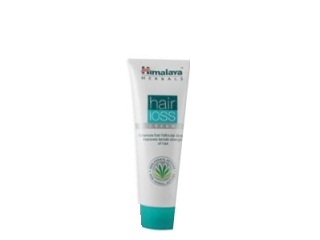
Hair Loss Cream is a topical treatment designed to help manage thinning hair and hair loss. When used correctly and consistently, it may support healthier-looking hair growth by targeting specific processes involved in hair thinning. This guide explains what the product is, how it works, how to use it safely, and what to expect.
Important: Hair loss can have many causes, including genetics, hormonal changes, stress, nutritional deficiencies, scalp conditions, and certain medicines. If you are unsure why you’re experiencing hair loss—or if it is sudden, patchy, or accompanied by scalp symptoms—consider speaking to a healthcare professional.
Quick Product Overview
| Category | Topical cream for hair thinning |
|---|---|
| How it’s applied | Applied to the scalp/affected areas in a prescribed amount |
| Typical timeframe to see results | Often several months of regular use |
| Most common use pattern | Once or twice daily (follow your product instructions) |
| Special instructions | Wash hands after use; apply to dry scalp; avoid irritated skin |
| UK availability | Typically available via online pharmacies |
What Hair Loss Cream is Used For
Hair Loss Cream is intended for people experiencing thinning hair and male or female pattern hair loss (also known as androgenetic alopecia). The cream aims to support the scalp environment so hair may grow thicker and look fuller over time.
It may also be used as a supportive option for early stages of hair thinning, where there is ongoing gradual loss of hair density.
- Indications (general): thinning hair associated with pattern hair loss
- Not ideal for: sudden patchy loss, extensive scalp inflammation, or hair loss clearly linked to an acute event without medical review
How it Works: Mechanism of Action
The exact mechanism depends on the active ingredient(s) in your specific Hair Loss Cream. In many hair-loss creams, the action focuses on stimulating growth signals in hair follicles and improving the hair growth cycle.
In patient-friendly terms, topical hair loss therapies commonly work by:
- Prolonging the growth phase (anagen) of hair follicles
- Encouraging follicle activity so hairs may start growing again
- Supporting thicker regrowth in some users over time
- Reducing the miniaturisation effect seen in pattern hair loss (where hairs become finer and shorter)
Because hair cycles are slow, results usually take patience. Early shedding can occur in some people as the hair cycle changes—this does not automatically mean the treatment is failing.
Pharmacokinetics (How the Body Handles the Cream)
Pharmacokinetics describes absorption, distribution, metabolism, and elimination. For topical hair loss creams, only a small amount usually enters the bloodstream when used as directed.
- Absorption: Most of the medicine acts locally on the scalp. Systemic absorption is generally limited, especially when applied to intact scalp skin.
- Distribution: Any absorbed fraction can circulate in the body and may reach other tissues.
- Metabolism: Absorbed medicine may be metabolised in the body.
- Elimination: The medicine and its metabolites are typically cleared via normal bodily processes (often including kidney-related elimination).
People using higher amounts than recommended, applying to inflamed/broken scalp, or using additional occlusive dressings may absorb more than intended. Always follow your product instructions.
Typical Use and Timing
Hair Loss Cream is usually applied as a topical treatment to the scalp/affected areas. Consistency is essential—hair growth occurs gradually.
When to apply
- Apply at the same times each day to build a routine.
- Choose times when you can keep the scalp undisturbed for a short period after application.
How soon you may notice changes
- Early signs: Some people notice reduced shedding or improved hair feel within weeks.
- Visible growth: Commonly assessed after 3–6 months of regular use.
- Best assessment: Many users evaluate progress at 6–12 months.
Tip: Take photos of the same area under similar lighting every 4–8 weeks. This can help you track changes more accurately than memory alone.
Dosing: How Much to Use
Follow the dosing instructions included with your product. Dosing can vary by formulation strength and brand, so avoid “guessing.”
General dosing principles (commonly used patterns)
- Use a measured amount as directed (for example, using a supplied applicator or measuring device if provided).
- Apply to scalp areas showing thinning, not just around hairline areas randomly.
- Do not exceed the recommended total daily dose.
Example schedules (illustrative only)
- Once daily in some formulations/strengths
- Twice daily in other formulations/strengths
If you miss a dose, apply it when you remember unless it is close to the next scheduled dose. Do not apply double amounts to “catch up.”
Practical Use Tips (Step-by-Step)
Correct application helps maximise contact with the scalp and reduces irritation.
- Prepare: Ensure the scalp is clean and dry (unless your product instructions say otherwise).
- Part the hair: Use your fingers or a comb to part hair so the cream reaches the scalp in thinning areas.
- Apply the measured amount: Spread gently over the target areas. Avoid applying unnecessarily to surrounding intact skin.
- Wash hands: Clean your hands thoroughly after application.
- Avoid contact: Try not to touch the treated area for a short period after applying.
- Let it dry: Follow product guidance on how long to wait before styling hair.
- Do not wash immediately: Avoid shampooing soon after application unless the label advises otherwise.
What to avoid
- Applying on broken skin, open wounds, or severely irritated scalp
- Using with heavy occlusive dressings unless advised
- Applying in combination with many other scalp products at the same time (unless you know they are compatible)
Food Interactions
Because Hair Loss Cream is applied to the scalp, food interactions are usually unlikely. The medicine primarily acts locally, and systemic exposure is generally low when used as directed.
However, if you experience side effects that could suggest systemic effects (for example, dizziness, palpitations, or unusual swelling), contact a healthcare professional. In that case, review your overall medication and supplement list.
Alcohol and Medicine Interactions
Alcohol
There is typically no direct alcohol interaction expected from topical hair loss creams when used correctly. That said, alcohol may contribute to dehydration or worsen certain side effects (such as dizziness) in susceptible individuals.
- If you notice dizziness, light-headedness, headache, or flushing after applying the cream and drinking alcohol, avoid combining them and seek advice.
Other medicines (medicine interactions)
Systemic absorption is usually limited, but interactions can still occur in certain circumstances. Inform a healthcare professional or pharmacist about:
- Any prescription medicines and over-the-counter products you take
- Blood pressure medicines (some people may need special caution)
- Any medicine that affects cardiovascular function
- Any scalp treatments you use regularly
Particularly if you have heart-related conditions or take medicines that influence blood pressure, ask a pharmacist whether Hair Loss Cream is appropriate for you and whether any extra monitoring is needed.
Safety Profile and Side Effects
Most people tolerate Hair Loss Cream well, but side effects can occur. This section summarises typical potential reactions and what to do.
Common scalp-related effects
- Itching or irritation
- Dryness or flaking
- Redness
- Burning or tingling sensation (especially if applied to irritated skin)
Temporary shedding
Some users experience increased shedding during early weeks. This can be part of the hair-cycle change. Usually, shedding improves with continued use, but if shedding is severe or persistent, stop and seek advice.
Less common systemic effects (seek medical advice if severe)
- Palpitations or fast heartbeat
- Dizziness or faint feeling
- Chest discomfort
- Unexplained swelling (for example, feet/ankles)
Emergency help: If you develop severe chest pain, shortness of breath, fainting, or signs of an allergic reaction (swelling of face/lips, difficulty breathing, widespread rash), seek urgent medical assistance.
Who should be extra cautious
- People with a history of cardiovascular problems
- People with low or unstable blood pressure
- People using multiple topical products on the scalp
- Anyone with a very sensitive scalp or existing dermatitis
When to Stop Using and Get Advice
Stop using Hair Loss Cream and consult a healthcare professional or pharmacist if you:
- Experience significant scalp inflammation, severe burning, or blistering
- Have allergic symptoms such as swelling, hives, or breathing difficulties
- Notice concerning systemic symptoms (such as chest pain, fainting, or marked palpitations)
- Do not see any improvement after a reasonable trial period (often 6–12 months) and want to reassess the cause of hair loss
Alternative Options for Hair Thinning (UK)
If Hair Loss Cream isn’t suitable or doesn’t produce satisfactory results, there are several alternatives. The best option depends on the cause of hair loss, your preferences, and suitability.
Other topical treatments
- Different formulations or strengths of topical hair growth treatments
- Scalp-targeted products that address inflammation or seborrhoeic dermatitis (if present)
Non-topical options
- Medicines prescribed by clinicians for androgenetic alopecia
- Low-level laser therapy (where appropriate)
- Hair transplant surgery for selected cases
Lifestyle and supportive steps
- Check iron, vitamin D, thyroid function, and protein intake if hair loss is unusual or sudden
- Gentle hair care to reduce breakage (as distinct from follicle-driven hair loss)
- Manage stress and sleep, as they can influence overall hair health
Note: If you suspect you may have nutritional deficiencies or a scalp condition, addressing the underlying cause can be as important as stimulating growth.
Market and Legal Context (United Kingdom)
In the UK, hair loss products sold online must comply with relevant consumer and medicines regulations. Depending on the active ingredient and strength, products may be classified as cosmetics, medicines, or pharmacy-only products. Availability and advice may vary accordingly.
- Online pharmacy sales: Many hair loss treatments are available through UK-registered online pharmacies.
- Safety checks: Pharmacies may require questionnaires to confirm suitability and reduce risk.
- Clear labelling: Approved products include instructions for safe use, potential side effects, and warnings.
Recent guidance (general): UK guidance and healthcare information commonly emphasises that pattern hair loss treatments should be used consistently for several months, that scalp irritation should be monitored, and that sudden or patchy hair loss warrants clinical assessment.
Delivery and Availability in the UK
Hair Loss Cream is typically available for home delivery across the United Kingdom via online pharmacies. Delivery options can include standard and express shipping, depending on the supplier and your location.
- Dispatch: Most orders are dispatched within 24–72 hours (timing depends on stock and cut-off times).
- Delivery: Delivery times often range from 1–5 working days, depending on service choice.
- Tracking: Many orders include tracking updates.
- Packaging: Items are generally sent in plain packaging for privacy.
If you have time-sensitive needs (for example, starting a treatment plan), place your order early and check the estimated delivery window at checkout.
FAQ: Hair Loss Cream
1) How long does it take to see results?
Results vary, but many people evaluate progress after 3–6 months. Visible improvement is often assessed at 6–12 months. Consistent daily use is key.
2) Can I use Hair Loss Cream if my scalp is sensitive?
You can, but be cautious. Apply only to the recommended scalp areas and avoid damaged or very inflamed skin. If irritation occurs, reduce frequency if allowed by the product instructions or seek advice from a pharmacist.
3) Will I shed more hair at the start?
Some users experience temporary increased shedding early in treatment as the hair growth cycle changes. If shedding becomes severe, or if you develop scalp pain or worsening inflammation, stop and seek advice.
4) Should I wash my hair right after applying?
Usually, you should avoid shampooing immediately after application. Follow the timing instructions on the product label. Let the cream dry fully and keep the scalp untreated for the recommended period.
5) Is it safe to use with hair dye or styling products?
It depends on the product and timing. Avoid applying harsh chemicals directly onto the treated scalp soon after cream use, and allow the cream to dry completely. If you use other scalp treatments (medicated shampoos, exfoliants, or anti-dandruff products), consider spacing them out to reduce irritation.
6) Can I use it if I’m pregnant or breastfeeding?
Suitability in pregnancy and breastfeeding can depend on the specific active ingredient and your individual risk factors. It’s important to ask a healthcare professional or pharmacist before using any hair loss treatment in these circumstances.
7) What should I do if I miss a dose?
Apply it when you remember unless it is close to the next scheduled dose. Do not double the amount to compensate.
8) Are there any food interactions?
Food interactions are generally unlikely because the treatment is applied to the scalp. Still, if you have side effects, review your overall health and medication list.
9) Can I drink alcohol while using Hair Loss Cream?
There is usually no direct interaction expected. However, if you notice dizziness or other side effects after drinking alcohol, avoid the combination and seek advice.
10) What if I have sudden or patchy hair loss?
Sudden, patchy, or rapidly worsening hair loss can have causes that differ from pattern hair loss. It’s best to seek medical advice to identify the underlying reason.
11) How should I store the cream?
Store at room temperature and keep the product away from direct heat and sunlight. Close the cap firmly after each use, and follow any storage instructions on the label.
Summary
Hair Loss Cream is a topical option intended to support healthier-looking hair growth in people experiencing pattern hair loss. By working locally on the scalp, it may help improve the hair growth cycle and support thicker regrowth over time. Results typically take several months, so consistent use and correct application matter.
If you experience significant scalp irritation, signs of allergy, or concerning systemic symptoms, stop using the product and seek advice promptly. For the best outcome, use the cream as directed, give it time, and reassess if your hair loss pattern is unusual or persistent.