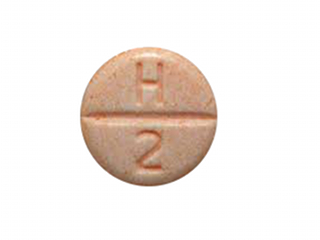


Hydrochlorothiazide (HCTZ) – Patient Information (UK)
Hydrochlorothiazide is a medicine commonly used to help control fluid balance and lower blood pressure. It belongs to a group of medicines called thiazide diuretics (“water tablets”). In everyday terms, it helps your kidneys remove extra salt and water from the body, which can reduce swelling (fluid retention) and improve blood pressure.
This guide is designed to be easy to understand and helpful for people considering or already using hydrochlorothiazide. Always follow the instructions given with your medicine and ask a healthcare professional if you have questions.
Key product information
| Item | Details |
|---|---|
| Generic name | Hydrochlorothiazide (HCTZ) |
| Medicinal type | Thiazide diuretic (“water tablet”) |
| Main uses | High blood pressure; fluid retention (oedema) in selected cases |
| Common strengths | Frequently available in tablet strengths (varies by product) |
| How it is taken | By mouth (tablets/capsules depending on brand) |
| Typical dosing frequency | Often once daily (sometimes split dosing depending on clinical need) |
| Onset | Diuretic effect may start within a few hours; blood pressure effects build over time |
How hydrochlorothiazide works (mechanism of action)
Hydrochlorothiazide reduces how much salt (sodium) is reabsorbed by the kidneys. Specifically, it acts on a part of the kidney called the distal convoluted tubule, where it blocks the transporter responsible for sodium and chloride reabsorption.
As a result:
- More sodium and water are passed into urine (increased urination).
- Over time, lowering salt and fluid volume can help reduce blood pressure.
- It may also contribute to changes in blood vessel tone that support long-term blood pressure control.
Important: By increasing urine output, hydrochlorothiazide can also affect levels of potassium and other electrolytes (minerals) in the blood.
Pharmacokinetics (how the body handles the medicine)
Pharmacokinetics describes what happens to a medicine in the body: absorption, distribution, metabolism, and elimination.
- Absorption: Hydrochlorothiazide is absorbed from the stomach/intestine after taking it by mouth. Food can influence the speed and extent of absorption, though many people still take it once daily without problems.
- Distribution: It distributes into body tissues, with effects mainly mediated through the kidneys.
- Metabolism: It is not extensively metabolised. Most of what you take leaves the body unchanged.
- Elimination: It is primarily excreted by the kidneys into urine. Kidney function therefore strongly influences how long it lasts.
- Half-life: The time it takes for the level in the blood to fall by half can be several hours, with effects persisting longer than the initial diuretic phase.
If you have reduced kidney function, your healthcare team may adjust your monitoring and, in some circumstances, the suitability of thiazides.
What is hydrochlorothiazide used for? (typical uses & indications)
Hydrochlorothiazide is used for conditions where reducing fluid volume and/or lowering blood pressure is helpful.
Common indications
- Hypertension (high blood pressure): Helps reduce blood pressure and cardiovascular risk in appropriate patients.
- Oedema (fluid retention): Sometimes used when fluid retention occurs, such as in selected heart-related or other causes (use depends on the clinical diagnosis).
Combination therapy
Hydrochlorothiazide is also frequently used as part of combination treatments for blood pressure, often alongside medicines that act differently (for example, ACE inhibitors or angiotensin receptor blockers). Combination products may reduce the number of tablets taken.
When and how to take hydrochlorothiazide (timing)
General timing guidance: Hydrochlorothiazide can increase urine output. To reduce disruption at night, many people are advised to take it in the morning.
- Typical schedule: Often once daily.
- If your prescriber recommends twice-daily dosing: try to avoid late-evening doses to prevent night-time urination.
- Try to take it at the same time each day for steadier effect.
What if you miss a dose? Follow the instructions provided with your medicine or advice from your pharmacist/doctor. In many cases, a missed dose is taken when remembered unless it is close to the next dose. Do not double up unless instructed.
Do not stop suddenly without medical advice—blood pressure can rise again when diuretics are stopped.
Food interactions
Hydrochlorothiazide can generally be taken with or without food. However, a few practical points can help:
- Consistency: Taking it the same way each day (with or without food) can help you track how you feel.
- Electrolytes: Because hydrochlorothiazide may lower potassium, people should avoid making major dietary changes without guidance. If you are advised to include foods rich in potassium, do so as recommended and do not take potassium supplements unless directed.
- Salt intake: A very salty diet can make it harder for blood pressure to be controlled. A balanced low-salt approach is often recommended for hypertension.
For most people, food does not cause significant interactions, but individual circumstances (for example, kidney disease or other medicines) can change the advice.
Alcohol and medicine interactions
Alcohol
Alcohol can increase the risk of dizziness or light-headedness, particularly when you start hydrochlorothiazide or increase the dose. It may also contribute to dehydration. To minimise side effects:
- Keep alcohol intake moderate.
- Rise slowly from sitting or lying positions.
- If you feel faint, avoid alcohol and speak to a healthcare professional.
Other medicine interactions (important)
Hydrochlorothiazide can interact with other medicines, sometimes by changing electrolyte levels or blood pressure effects.
Please seek advice before starting or stopping any medicines, including over-the-counter products and herbal remedies.
- Non-steroidal anti-inflammatory drugs (NSAIDs) (e.g., ibuprofen, naproxen): can reduce the effect of diuretics and increase the risk of kidney problems in vulnerable people.
- Lithium: thiazides can raise lithium levels and increase toxicity risk.
- Digoxin: low potassium or magnesium can increase the risk of digoxin-related rhythm problems.
- Medicines that lower potassium (some steroids, certain laxatives in excess): may increase risk of hypokalaemia.
- Medicines that affect sodium or dehydration risk: dehydration can make side effects more likely.
- Diabetes medicines: thiazides may slightly raise blood sugar in some people, requiring monitoring.
- Other blood pressure medicines: combined effects can increase the likelihood of dizziness or low blood pressure, especially when starting.
- Gout medicines: hydrochlorothiazide can increase uric acid levels; this may affect gout control.
Herbal and supplement interactions: Products containing licorice root and some supplements may affect potassium levels or blood pressure. Check with a pharmacist if you use supplements regularly.
Dosing (typical dosing approach in the UK)
Hydrochlorothiazide dosing depends on the condition being treated, your age, kidney function, and how you respond. The following is general information to help understanding; your actual dose should be the one provided with your medicine.
- Hypertension: often started at a low dose and adjusted based on blood pressure readings and side effects.
- Oedema: dosing may differ and may involve additional monitoring to avoid excessive fluid loss.
Monitoring is important: blood pressure and blood tests (particularly electrolytes such as sodium and potassium, and kidney function such as creatinine/eGFR) are typically monitored. Monitoring schedules vary by individual risk factors and local practice.
Do not change the dose on your own. If you feel your blood pressure is too low (e.g., dizziness) or too high (e.g., severe headaches with very high readings), seek advice promptly.
Safety profile and side effects
Like all medicines, hydrochlorothiazide can cause side effects. Many people tolerate it well, but certain effects require attention.
Common or expected effects
- Increased urination (often most noticeable soon after starting)
- Mild dizziness, especially when standing up quickly
- Headache or feeling light-headed
- Muscle cramps or weakness (may relate to electrolyte changes)
Electrolyte changes to be aware of
Hydrochlorothiazide can lower potassium and sodium and may affect magnesium. It can also raise uric acid and sometimes affect glucose and cholesterol levels.
- Low potassium (hypokalaemia): may cause muscle weakness, cramps, tingling, or an irregular heartbeat.
- Low sodium (hyponatraemia): may cause headache, nausea, confusion, or severe fatigue.
- High uric acid: can trigger or worsen gout in susceptible people.
- Changes in blood sugar: may slightly increase glucose, particularly in people with diabetes.
Less common but serious side effects (seek urgent advice)
- Severe allergic reaction (swelling of face/lips, difficulty breathing)
- Fainting or severe dizziness
- Signs of dehydration (very low urine output, marked weakness, rapid heartbeat)
- Severe muscle pain/weakness or heart rhythm symptoms (palpitations, feeling “fluttering”)
- Persistent vomiting or worsening confusion
Who needs extra caution?
Extra monitoring may be needed if you have:
- Kidney impairment
- History of electrolyte imbalance
- Diabetes
- History of gout
- Heart rhythm problems
- Are elderly or prone to dizziness on standing
Practical use tips (making treatment safer and easier)
- Take it earlier in the day: morning dosing helps reduce disruption due to increased urination.
- Stay hydrated: drink water as normal for your situation, unless you have been advised to restrict fluids for another condition.
- Be mindful of dizziness: stand up slowly, especially after sleeping or sitting.
- Know your symptoms: report palpitations, severe weakness, or cramps that don’t resolve.
- Regular monitoring: keep appointments for blood tests and blood pressure checks.
- Maintain a sensible salt intake: reducing excess salt supports blood pressure control.
- Review all medicines: including painkillers (NSAIDs) and herbal supplements.
- During hot weather or illness: if you are vomiting, have diarrhoea, or are unable to drink normally, contact a healthcare professional. Dehydration can increase the risk of complications.
Alternative options
Depending on the reason you are taking hydrochlorothiazide, alternative treatments may include:
Alternative diuretics
- Chlortalidone (a related thiazide-like diuretic)
- Indapamide (a thiazide-like diuretic)
- Loop diuretics (e.g., furosemide) for certain fluid overload situations
Non-diuretic blood pressure medicines
- ACE inhibitors
- Angiotensin II receptor blockers (ARBs)
- Calcium channel blockers
- Beta-blockers (for selected patients)
Your best option depends on your overall health, kidney function, electrolyte levels, and other medications. A clinician will consider the balance of benefits and side effects.
UK market and legal context (what to expect)
In the United Kingdom, hydrochlorothiazide is widely used for hypertension and fluid retention. Medicines are regulated by the Medicines and Healthcare products Regulatory Agency (MHRA) and follow specific rules on classification, supply, and patient information.
Availability may vary between brands and presentations, and supply arrangements can differ between online and high-street pharmacies. The pharmacy service will typically provide:
- Clear product information and dosing instructions
- Safety advice and signs to watch for
- Guidance on how and when to take the medicine
- Support if you have questions about interactions or side effects
Note: Always check the exact product leaflet or label for your specific preparation, as ingredients and strength may differ between brands.
Recent guidance and monitoring (UK practice overview)
In the UK, management of hypertension typically focuses on evidence-based risk reduction, and diuretics remain a well-established option for many patients. Clinical practice often involves:
- Regular blood pressure checks (home and/or clinic readings)
- Blood tests to monitor kidney function and electrolytes, especially after starting therapy or changing dose
- Reviewing cardiovascular risk factors such as smoking, cholesterol, and diabetes control
Because hydrochlorothiazide can influence electrolytes and metabolic parameters, monitoring is a core part of safe use. Your healthcare team may tailor the frequency of tests based on your personal risk profile.
Delivery and availability (online pharmacy in the UK)
Hydrochlorothiazide is commonly available in the UK in tablet form and may be supplied under different brand names or as generic hydrochlorothiazide, depending on the pharmacy.
When ordering online, typical delivery features include:
- Secure packaging to protect tablets and labels
- Tracking and confirmation for most deliveries
- Customer support if you need help with product details
- Availability checks to reduce delays
Delivery times and postage cost depend on the pharmacy’s service model and your location. The website you order from will usually show estimated delivery windows at checkout.
FAQ – Frequently asked questions
1) How long does hydrochlorothiazide take to work?
The diuretic (increased urination) effect may begin within a few hours of taking a dose. Blood pressure improvement may be noticeable over days, with full benefit developing over longer periods. Continue taking it as directed even if you feel unchanged at first.
2) Will hydrochlorothiazide make me urinate more?
Yes. It is designed to increase urine output. Taking it in the morning can help reduce disruption at night.
3) Can I take hydrochlorothiazide with food?
In most cases, yes—hydrochlorothiazide can be taken with or without food. If it upsets your stomach, taking it with a light meal may help. Keep a consistent routine.
4) What blood tests might I need?
Your clinician may check electrolytes (especially sodium and potassium) and kidney function (e.g., creatinine/eGFR). The timing depends on your starting dose, health status, and risk factors.
5) Is hydrochlorothiazide safe for everyone?
It may not be suitable for everyone. Extra caution is often needed if you have kidney disease, gout, diabetes, heart rhythm problems, or a history of electrolyte imbalance. Your healthcare team will assess suitability and monitoring needs.
6) Can hydrochlorothiazide affect potassium?
Yes. It can lower potassium. Do not start potassium supplements unless advised. If you get muscle cramps, weakness, or palpitations, seek advice.
7) What should I do if I feel dizzy after starting?
Dizziness can be related to lowered blood pressure or dehydration. Move slowly, avoid alcohol, and contact a healthcare professional if symptoms are persistent, severe, or associated with fainting.
8) Does hydrochlorothiazide interact with painkillers like ibuprofen?
NSAIDs such as ibuprofen can reduce diuretic effect and may affect kidney function in some people. If you need regular pain relief, speak to a pharmacist about safer options.
9) Can hydrochlorothiazide be used long-term?
Many people use it long-term for blood pressure control, with ongoing monitoring. Do not stop suddenly—discuss changes with a healthcare professional.
10) Are there lifestyle changes that help hydrochlorothiazide work better?
Yes. A balanced low-salt diet, regular activity as appropriate, maintaining a healthy weight, limiting alcohol, and stopping smoking can all improve blood pressure control. Your healthcare team can help tailor advice.
Always read the patient information leaflet provided with your specific product, and ask a pharmacist if you have questions about taking hydrochlorothiazide safely alongside your other medicines.