
Jentadueto XR (Linagliptin and Metformin Hydrochloride) — Patient Information (UK)
Jentadueto XR is a once-daily medicine used to treat type 2 diabetes. It contains two active ingredients: linagliptin and metformin hydrochloride, provided in an extended-release (XR) formulation. This means the medicine is released gradually over time to help control blood sugar levels.
This page explains how Jentadueto XR works, how it’s usually taken, important safety information, and practical tips for everyday use in the United Kingdom.
Quick facts
- Brand name: Jentadueto XR
- Active ingredients: Linagliptin + Metformin hydrochloride
- Type: Extended-release (XR) tablets
- Used for: Type 2 diabetes (improves blood glucose)
- Typical frequency: Once daily with food
- Strengths: Available as combinations of linagliptin and metformin XR (commonly specified on the pack)
What is Jentadueto XR?
Jentadueto XR is a combination of:
- Linagliptin (a DPP-4 inhibitor): helps increase insulin when glucose is high.
- Metformin (a biguanide): helps reduce glucose production by the liver and improves insulin sensitivity.
The “XR” in the name indicates that the metformin component is formulated to release more slowly, which may help reduce stomach upset for some people compared with immediate-release metformin.
How it works (mechanism of action)
Jentadueto XR targets blood sugar in two complementary ways:
Linagliptin (DPP-4 inhibition)
- In type 2 diabetes, the body may not regulate blood sugar effectively.
- Linagliptin blocks DPP-4, an enzyme that breaks down incretin hormones (including GLP-1 and GIP).
- Incretin hormones help stimulate insulin release after meals and reduce glucagon (a hormone that raises blood sugar) when glucose is high.
- Because this effect is glucose-dependent, the risk of hypoglycaemia (low blood sugar) with linagliptin alone is generally lower than with medicines that directly force insulin release.
Metformin (biguanide effect)
- Metformin lowers blood glucose by:
- Decreasing glucose production in the liver.
- Improving insulin sensitivity in muscle and other tissues.
- Reducing intestinal glucose absorption to a small extent.
- Metformin may also help modestly with weight neutrality or mild weight loss in some people.
Pharmacokinetics (how the body handles the medicine)
Pharmacokinetics describes absorption, distribution, metabolism, and elimination of a medicine. The exact values can vary between individuals. Below is a patient-friendly summary.
Linagliptin
- Absorption: Absorbed after oral intake.
- Distribution: Extensively distributed throughout the body.
- Metabolism/Excretion: Mainly cleared via bile and the liver (with a portion eliminated in urine).
- Kidney considerations: Linagliptin is often preferred in people with kidney impairment because dosing adjustments may be less affected by renal function compared with some other DPP-4 inhibitors.
Metformin XR
- Absorption: Metformin XR is absorbed more gradually than immediate-release metformin.
- Peak effect: Blood levels rise and peak later than with immediate-release formulations.
- Elimination: Metformin is primarily eliminated unchanged by the kidneys.
- Kidney considerations: Because elimination depends on kidney function, your clinician will consider kidney tests (e.g., eGFR) before starting and during treatment.
Typical use in the UK
Jentadueto XR is used to manage type 2 diabetes when blood sugar is not adequately controlled. It may be prescribed as:
- Monotherapy in certain circumstances (when metformin is appropriate), or
- Combination therapy alongside other glucose-lowering medicines, such as insulin or other oral treatments.
Your exact plan depends on your current treatment, test results (HbA1c, fasting glucose), kidney function, and other health factors.
Indications (who it’s for)
In the UK, Jentadueto XR is indicated for the treatment of type 2 diabetes mellitus to improve glycaemic control in adults, typically in combination with diet and exercise. It is aimed at lowering blood sugar levels and reducing the risk of long-term complications associated with diabetes.
Dosing and timing
Dosing depends on your previous diabetes medicines, kidney function, and how well you tolerate metformin. The tablet strength and linagliptin/metformin ratio will be chosen by your healthcare professional.
How to take it
- Usually once daily, taken with food.
- Swallow tablets whole with water. Do not crush, split, or chew unless your product information specifically says you can.
- If you miss a dose, take it when you remember unless it’s close to the time of the next dose—avoid doubling up.
When to take it (practical timing)
Many people find it easiest to take Jentadueto XR with their main meal of the day (often evening meal), or with breakfast if that suits their routine. Taking it with food can reduce stomach-related side effects from metformin.
Tip: Try to take it at the same time each day. If you feel nausea or bloating, taking it with a fuller meal may help.
Food interactions and eating habits
Jentadueto XR should be taken with food. Food may improve tolerance and helps reduce gastrointestinal side effects.
What to watch for
- High alcohol intake: may increase the risk of a serious complication involving lactic acid (see “Alcohol interactions” below).
- Very low-calorie diets: may increase risk of side effects and nutritional imbalance.
- Consistent carbohydrate intake: helps reduce swings in blood sugar levels.
Diet and lifestyle
- Continue with dietary advice and regular physical activity recommended by your healthcare team.
- Monitor blood sugar as advised.
- Keep an eye on weight and symptoms of high or low blood sugar.
Alcohol and medicine interactions
Alcohol interactions
Alcohol can increase the risk of lactic acidosis in people taking metformin, particularly if taken in large amounts or on an empty stomach. Lactic acidosis is rare but serious and requires urgent medical attention.
- Avoid binge drinking.
- Be cautious if you drink regularly or have liver problems.
- If you are unwell, dehydrated, or have vomiting/diarrhoea, avoid alcohol and seek advice.
Common medicine interactions
Interactions depend on your full list of medicines, including over-the-counter products and supplements. The most important categories related to Jentadueto XR include:
- Medicines affecting kidney function: because metformin is cleared by the kidneys. Examples include some medicines that can reduce kidney perfusion (e.g., certain blood pressure medications during dehydration).
- Contrast agents used for imaging (iodinated contrast): may increase the risk of kidney-related complications. Your clinician may advise temporarily stopping metformin around the time of the scan in certain circumstances.
- Other diabetes medicines: risk of low blood sugar may increase when Jentadueto XR is used with insulin or a sulfonylurea. (Linagliptin itself has a lower hypoglycaemia risk, but combination therapy can change overall risk.)
- Diuretics and dehydration risk: dehydration can worsen kidney function and raise metformin-related risks.
Always tell your pharmacist or clinician about: all medicines you take, including herbal remedies and “natural” products.
Safety profile
Like all medicines, Jentadueto XR can cause side effects. Many are mild and improve over time, but some effects require urgent medical attention.
Common side effects
- Gastrointestinal symptoms such as nausea, vomiting, diarrhoea, stomach pain, indigestion, or loss of appetite (metformin-related).
- Changes in taste (sometimes reported with metformin).
Less common but important side effects
- Hypoglycaemia (low blood sugar) mainly when used with insulin or sulfonylureas.
- Allergic reactions (rare): swelling, rash, or difficulty breathing.
- Pancreatitis (rare but serious): persistent severe abdominal pain that may radiate to the back.
Very serious risks (seek urgent help)
These are rare, but it’s important to know the warning signs.
- Lactic acidosis (metformin-associated): unusual tiredness, muscle pain, trouble breathing, severe abdominal pain, dizziness, or feeling very cold. This is an emergency.
- Severe dehydration: especially if you become very unwell (e.g., persistent vomiting/diarrhoea). Dehydration increases risk of kidney-related complications and lactic acidosis.
Who needs extra caution?
- People with significant kidney impairment (metformin clearance depends on kidney function).
- People with conditions that may predispose to dehydration.
- People with serious liver disease or heavy alcohol use.
- Older adults, particularly when kidney function may be reduced.
Practical use tips (getting the best results)
Start-up and settling in
- Take the tablet with food and at the same time each day.
- If you’re sensitive to metformin, taking it with a larger meal may help.
- It may take a few days to a couple of weeks to settle into treatment for some gastrointestinal effects.
Adherence matters
- Use a daily reminder (phone alarm, blister pack, or pill organiser).
- If you repeatedly miss doses, glucose control can worsen and risk of complications may increase.
Hydration and “sick day” approach
During illness—especially with vomiting, diarrhoea, fever, or poor intake—your body may become dehydrated. Ask your healthcare team for advice about whether you should continue metformin during such times.
- Maintain fluid intake if you are able.
- Seek prompt advice if you are unable to keep fluids down.
Monitoring
- HbA1c is usually checked every few months to assess long-term control.
- Kidney function (e.g., eGFR) should be monitored as advised.
- Vitamin B12: long-term metformin can reduce B12 levels in some people; clinicians may monitor B12 and supplement if needed.
- If you are at risk of low blood sugar (for example, using insulin), you may be advised to monitor capillary blood glucose.
Alternative options (UK treatment pathways)
Diabetes care is individual. Depending on your needs, your clinician may choose alternative medicines or combinations. Options commonly considered in the UK include:
| Option type | Examples (not exhaustive) | What it may be used for |
|---|---|---|
| Metformin alternatives / add-ons | Other metformin formulations (immediate-release), or other oral agents | If XR is not suitable or tolerance is an issue |
| DPP-4 inhibitors | Sitagliptin, saxagliptin, linagliptin (different brands) | To support incretin-based glucose control |
| SGLT2 inhibitors | Empagliflozin, dapagliflozin, canagliflozin (varies by suitability) | Often when weight loss and cardio-renal considerations are relevant |
| GLP-1 receptor agonists | Semaglutide, liraglutide, dulaglutide (depending on eligibility) | When weight loss and glucose lowering are needed, often injectable |
| Insulin | Basal or other insulin regimens | When higher glucose control is needed or during certain clinical situations |
| Sulfonylureas | Gliclazide, glimepiride | Lower glucose but with a higher risk of hypoglycaemia |
Your best option depends on your HbA1c, weight goals, kidney function, heart history, side effect profile, and cost/access within the NHS and private settings.
Market and legal context in the United Kingdom
Medicines are regulated in the UK by the Medicines and Healthcare products Regulatory Agency (MHRA) and authorised for use based on evidence of quality, safety, and effectiveness. Jentadueto XR is an established branded product containing an authorised combination of linagliptin and metformin XR.
In diabetes care, treatment decisions in the UK often follow guidance from: NICE (National Institute for Health and Care Excellence) and updates from diabetes specialist bodies. Local NHS prescribing can also reflect formularies and individual patient factors.
Access to medicines may differ between NHS and private channels. Availability can also be influenced by supply and pharmacy stock levels.
Recent guidance and updates (how guidance may affect you)
Diabetes guidance in the UK continues to evolve, especially around choosing medicines that offer benefits beyond glucose control and around ensuring safety in people with kidney disease or cardiovascular risk. While the exact recommendations can change between updates, common themes include:
- Individualised selection based on kidney function and cardiovascular risk.
- Close attention to hypoglycaemia risk when combining therapies.
- Appropriate monitoring for metformin-related issues (including kidney function and B12 levels).
- Consideration of “person-centred” goals: side effects, weight, convenience, and preferences.
If you’re unsure how your current treatment fits into evolving UK recommendations, ask your healthcare team to explain the reasoning for your chosen regimen.
Delivery and availability (online pharmacy considerations)
Availability of Jentadueto XR may vary by pharmacy and strength. In the UK, most online pharmacies provide:
- Secure packaging for medication delivery.
- Delivery tracking where available.
- Stock checks before dispatch.
Delivery times depend on location and courier service. If a particular strength is temporarily unavailable, some pharmacies may contact you with alternatives (e.g., different strengths) that match your prescribed regimen, subject to eligibility and pharmacy policy.
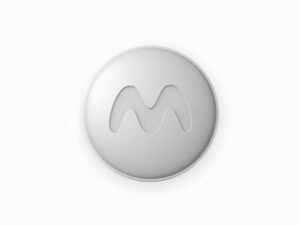
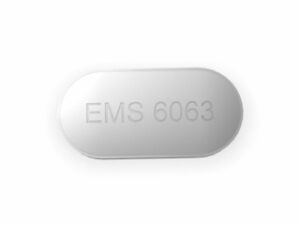
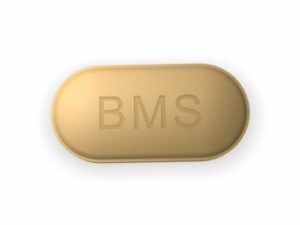
Always check the product packaging on arrival and ensure the tablet strength matches what you expect.
FAQ — Jentadueto XR
1) What is Jentadueto XR used for?
It is used to help control blood sugar in adults with type 2 diabetes, along with diet and exercise.
2) How do I take Jentadueto XR?
Usually once daily and with food. Swallow the tablet whole with water. Taking it regularly at the same time each day can help.
3) What should I do if I miss a dose?
If you miss a dose, take it when you remember unless it is almost time for your next dose. Do not take a double dose to make up for the missed tablet.
4) Can I drink alcohol while taking Jentadueto XR?
It’s safest to limit alcohol. Heavy or binge drinking increases the risk of lactic acidosis associated with the metformin component. Avoid alcohol on an empty stomach and seek advice if you are unwell.
5) Will Jentadueto XR cause hypos (low blood sugar)?
Linagliptin on its own has a lower risk of hypoglycaemia. However, if Jentadueto XR is used with insulin or a sulfonylurea, the overall risk of low blood sugar may increase. If you have symptoms such as sweating, shaking, confusion, or dizziness, check your blood sugar if you can and contact your clinician.
6) What side effects are common?
Commonly, people experience gastrointestinal symptoms such as nausea, diarrhoea, or stomach discomfort, particularly during the first weeks. Taking the tablet with food often helps.
7) What are the warning signs of lactic acidosis?
Lactic acidosis is rare but serious. Seek urgent medical advice if you develop unusual tiredness, muscle pain, trouble breathing, severe abdominal pain, dizziness, or a feeling of being very cold—especially if you’re unwell or dehydrated.
8) Can I take it during illness?
If you are vomiting, have diarrhoea, have fever, or are eating and drinking very poorly, dehydration can occur. Ask your healthcare team for “sick day” advice about continuing metformin-containing medicines during illness.
9) Does it interact with other medicines?
Potential interactions depend on your specific medicines. Tell your pharmacist about all prescription medicines, over-the-counter products, and supplements—particularly medicines that may affect kidneys or dehydration risk, and other diabetes medicines.
10) Is Jentadueto XR suitable for kidney problems?
Kidney function strongly affects metformin use because metformin is cleared by the kidneys. Your clinician may assess kidney function before and during treatment and may recommend dose adjustments or alternative options depending on your eGFR.
Important note
This information is intended to help you understand Jentadueto XR in everyday terms. It does not replace advice from your healthcare professional. If you have questions about your specific dose, side effects, or how to manage your diabetes safely, contact your clinician or pharmacist.