

Loxitane (Loxapine) – Patient Information (UK)
Loxitane contains loxapine, an antipsychotic medicine used to help manage certain mental health conditions. This guide explains how it works, how it’s typically taken, important safety information, and what to expect when starting or changing treatment.
This information is designed to be patient-friendly and UK-focused. Always follow the instructions provided with your medicine and contact a healthcare professional if you have questions.
Basic product information
- Medicine name: Loxitane (loxapine)
- Group: Antipsychotic (typical/“first-generation”)
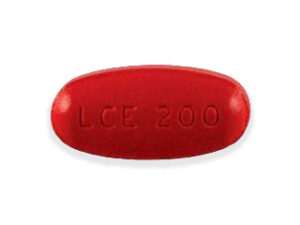
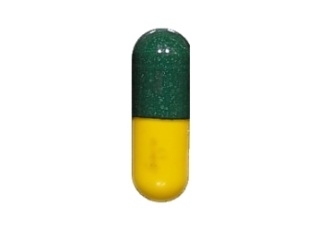
- Common forms: Tablets (strengths may vary by product presentation)
- Who it’s for: Adults and, in some cases, adolescents/older children depending on local guidance and prescriber assessment
- Where it’s used: Mental health conditions such as schizophrenia (and related psychotic disorders), and sometimes other situations based on clinical judgement
How Loxitane works (mechanism of action)
Loxapine helps reduce symptoms of psychosis and certain agitation by affecting neurotransmitters in the brain. The main actions include:
- Dopamine (D2) receptor blockade: Dopamine pathways are involved in psychotic symptoms. Blocking D2 receptors can reduce hallucinations, delusions, and disorganised thinking.
- Serotonin receptor effects (indirect/secondary): Like many antipsychotics, loxapine can influence serotonin signalling, which may contribute to symptom control and side effects.
- Other receptor interactions: Loxapine also has effects on other receptors (for example, those linked with sleep, movement, and autonomic functions), which contributes to both therapeutic and unwanted effects.
Antipsychotics work over time. Some benefits may appear early, but full effect can take longer, depending on the condition, dose, and individual response.
Pharmacokinetics (how the body handles it)
Pharmacokinetics describes how the medicine is absorbed, distributed, metabolised, and eliminated.
- Absorption: Loxapine is absorbed after oral dosing. Absorption may vary between individuals.
- Metabolism: It is metabolised mainly by liver enzymes. This means liver function and certain drug interactions may affect levels in the body.
- Elimination: Metabolites and drug residues are eliminated primarily via the body’s normal clearance pathways (including urine).
- Time to effect: Some symptom improvement may occur in days to weeks, but stabilisation often takes longer.
Because metabolism and tolerance vary, dose changes are usually made gradually and carefully under clinical supervision.
Typical uses (indications) in the UK
Loxitane (loxapine) may be used for:
- Schizophrenia and other psychotic disorders, to help reduce positive symptoms (e.g., hallucinations, delusions) and improve overall stability.
- Other severe behavioural or psychiatric conditions where an antipsychotic is considered appropriate by a clinician. The exact use depends on individual circumstances and local practice.
Your healthcare professional will decide whether loxapine is suitable based on your symptoms, past treatment response, and your personal risk factors.
How and when to take Loxitane (timing)
Take Loxitane exactly as advised. Your regimen may be once daily or split into multiple doses depending on the prescription and tolerability.
General timing tips
- Try to take it at the same times each day to maintain stable drug levels.
- If the dose is split: space doses evenly across the day where possible.
- Expect adjustment period: early side effects such as sleepiness or restlessness may settle over time.
What to do if you miss a dose
- Take the missed dose as soon as you remember.
- If it’s close to the time for the next dose, skip the missed dose and return to your schedule.
- Do not double the dose to catch up.
- If you’re unsure, ask a pharmacist or healthcare professional.
Dose information (typical dosing approach)
Dosing must be individual. Factors include age, symptom severity, previous antipsychotic exposure, and sensitivity to side effects.
In general practice, loxapine is started at a low-to-moderate dose and adjusted gradually to achieve symptom control while minimising adverse effects.
| Situation | Typical dosing approach (general information) | Notes |
|---|---|---|
| Starting treatment | Begin with a dose designed to reduce side-effect risk | Gradual increases are common if tolerated |
| Titration/adjustment | Small stepwise dose changes based on response | Clinicians monitor for movement-related and metabolic effects |
| Maintenance | Use the lowest effective dose | Review regularly to confirm ongoing benefit |
| Older adults or medically frail people | Often lower doses and slower titration | Higher sensitivity to side effects may occur |
Important: Do not change your dose without medical advice. If you experience troubling side effects or worsening symptoms, speak to a healthcare professional promptly.
Food interactions
Loxitane can generally be taken with or without food. However, food effects may influence comfort and stomach tolerance for some people.
- Take consistently: If it suits you better with meals, take it the same way each day.
- Gastrointestinal effects: If you experience nausea or indigestion, taking with food may help.
If you have dietary restrictions or follow a specialist plan, ask your pharmacist whether any specific foods or supplements may affect your treatment.
Alcohol and medicine interactions
Alcohol
It’s generally recommended to avoid alcohol while taking loxapine. Alcohol can increase side effects such as:
- drowsiness and sedation
- poor concentration and slowed reaction time
- dizziness, falls, and impaired coordination
If you choose to drink, keep it minimal and talk to a healthcare professional for personal advice.
Common medicine interaction themes
Loxapine can interact with other medicines, sometimes by increasing sedation or affecting heart rhythm. Tell your pharmacist or doctor about everything you take, including over-the-counter products and herbal remedies.
- Medicines that cause sedation (for example, sleeping tablets, some antihistamines, strong pain medicines): may increase drowsiness.
- Other antipsychotics or dopamine-blocking medicines: may increase risk of movement-related side effects.
- Medicines that affect heart rhythm: may increase risk of rhythm changes in susceptible people.
- Drugs that affect liver enzymes (some antibiotics, antifungals, antiviral medicines, antidepressants, and other agents): may change loxapine levels.
- Antiparkinson medicines (such as levodopa): may affect symptom balance in Parkinson’s disease or tremor-related conditions.
Always check with a pharmacist before starting new medicines, including cold remedies and sleep aids.
Safety profile and important precautions
Like all antipsychotics, loxapine can cause side effects. Not everyone gets them, and the risk can vary based on dose, treatment duration, and individual health factors.
Common side effects
- Sleepiness or tiredness
- Dizziness (especially when standing)
- Dry mouth
- Constipation
- Blurred vision
- Weight gain (varies by individual)
Movement-related side effects (important)
Antipsychotics can cause movement disorders in some people. These can be early and may require dose adjustment or specific treatment.
- Akathisia: inner restlessness, difficulty sitting still
- Parkinsonism: stiffness, tremor, slowed movement
- Dystonia: muscle spasms, sometimes involving the neck or jaw
Seek medical advice promptly if you develop severe restlessness, painful muscle spasms, or new stiffness/tremor.
Serious but less common risks
- Neuroleptic Malignant Syndrome (NMS): rare, life-threatening reaction. Symptoms may include high fever, muscle rigidity, confusion, and autonomic instability.
- Tardive dyskinesia: potentially persistent abnormal movements (often after longer exposure). Regular reviews help identify early signs.
- Heart rhythm changes: some antipsychotics can affect the QT interval. Risk may be higher with certain heart conditions or when combined with other QT-prolonging medicines.
- Raised prolactin: may affect sexual function, menstruation, or cause breast-related effects in some people.
- Blood sugar and lipid changes: weight gain and metabolic effects may occur.
- Seizures: risk may be increased in susceptible individuals or at higher doses.
When to get urgent help
Contact emergency services or seek urgent medical attention if you experience:
- high fever and severe muscle stiffness
- fainting, severe palpitations, chest pain, or signs of stroke
- uncontrolled movements that rapidly worsen
- confusion or severe drowsiness that is unusual for you
Practical use tips (how to manage day-to-day)
Reduce dizziness and falls
- Stand up slowly from sitting or lying down.
- Be cautious when driving or operating machinery until you know how you respond.
- If you feel light-headed, sit down and rest.
Manage dry mouth and constipation
- Use sugar-free lozenges or frequent sips of water for dry mouth.
- Stay hydrated and maintain fibre in your diet.
- If constipation becomes persistent, ask a pharmacist about suitable options.
Watch your weight and metabolic health
- Consider regular checks for weight, blood sugar, and cholesterol as advised by your clinician.
- Choose a balanced diet and include regular physical activity where safe.
Notice movement symptoms early
- If you develop tremor, stiffness, or new restlessness, tell your healthcare professional soon—early action can help.
- Don’t stop suddenly without advice; discuss with a clinician first.
Adherence matters
Missing doses can lead to symptom return or fluctuations in side effects. If daily routines make dosing difficult, ask a pharmacist about strategies (pill boxes, reminders, consistent mealtimes).
Alternative options (if loxapine isn’t suitable)
There are multiple treatment options for psychosis and related conditions. Alternatives depend on your specific diagnosis, symptom pattern, past response, side effects, and personal health factors.
- Other antipsychotic medicines (both first-generation and second-generation) with different side-effect profiles.
- Psychosocial interventions (for example, structured psychological therapies and support programs) alongside medication.
- Long-acting injectable antipsychotics for people who prefer less frequent dosing or have adherence challenges.
A pharmacist or clinician can help compare options based on what matters most to you (sedation, weight gain, movement side effects, heart risks, and convenience).
Market & legal context (UK)
Medicines are regulated in the UK by the Medicines and Healthcare products Regulatory Agency (MHRA). Antipsychotic medicines such as loxapine must be supplied in line with UK medicines regulations.
Availability can vary depending on formulation, manufacturer supply, and pharmacy stock. If Loxitane is temporarily unavailable, your pharmacy may advise on comparable alternatives or ordering options.
Recent guidance (UK overview)
In the UK, clinical care for psychosis commonly follows evidence-based guidance from bodies such as the National Institute for Health and Care Excellence (NICE) and associated formularies. These typically emphasise:
- using the most suitable antipsychotic and reviewing response regularly
- monitoring for side effects (movement disorders, metabolic changes, cardiovascular risk)
- integrating medication with psychological and social support
Your local service may also follow additional local protocols.
Delivery and availability (online pharmacy information)
Availability of Loxitane may vary by strength and formulation. Many UK online pharmacies can:
- check real-time stock availability
- offer ordering if currently out of stock (lead times vary)
- deliver to eligible UK addresses, including standard and express options depending on the service
Delivery times can depend on the location of the pharmacy, courier schedules, and supplier dispatch times. If an item is not immediately available, your pharmacy will typically inform you of expected dispatch dates.
Ensure someone is available to receive your delivery when required and store medicines according to the instructions on the packaging.
FAQ
1) Is Loxitane the same as loxapine?
Yes. Loxitane is the brand name; the active ingredient is loxapine.
2) How long does it take to work?
Some improvement may be noticed early, but for many people symptom control takes weeks. If you’re concerned about progress, speak to a healthcare professional rather than adjusting dose yourself.
3) Can I take Loxitane with food?
Usually, yes. You may take it with or without food. If it upsets your stomach, taking it with meals may improve comfort.
4) Can I drink alcohol while taking Loxitane?
It’s generally best to avoid alcohol because it can increase sedation, dizziness, and impaired coordination. Ask a pharmacist for advice tailored to you.
5) What side effects should I watch for most closely?
Be alert for movement-related symptoms (restlessness, stiffness, tremor, muscle spasms), severe drowsiness, fainting, palpitations, and signs of serious reactions such as NMS. Contact urgent care if you have severe or rapidly worsening symptoms.
6) Will Loxitane make me gain weight?
Weight change can happen with antipsychotics. Not everyone gains weight, and the amount varies. Monitoring weight and metabolic health is recommended as advised by your clinician.
7) Can I drive or use machinery?
If Loxitane makes you sleepy or dizzy, avoid driving and machinery until you know how you respond. When starting or increasing a dose, extra caution is important.
8) Are there any interactions with common medicines?
Yes. Medicines that increase sedation, affect heart rhythm, or influence liver enzymes may interact. Always inform your pharmacist about all medicines and supplements you take.
9) What if I miss a dose?
Take it when you remember unless it’s close to the next dose. Don’t double up. If unsure, ask a pharmacist.
10) What can I do for constipation or dry mouth?
Hydration, fibre, and gentle activity can help. For dry mouth, sugar-free lozenges or water sips may help. If symptoms persist, ask a pharmacist about suitable options.
Always seek professional advice if you have worsening symptoms, troubling side effects, or questions about how to take your medicine safely.