
Molnunat (Molnupiravir) — Patient-Friendly Guide (UK)
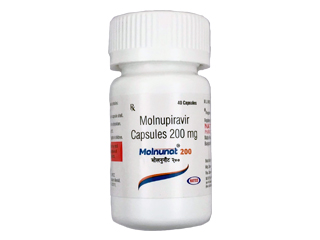
Molnunat is a prescription antiviral medicine that contains molnupiravir. It is used to treat certain adults with COVID-19 who are at higher risk of becoming seriously unwell. This guide explains how it works, when it’s used, how to take it safely, and practical tips to help you get the best outcome.
In the United Kingdom, access to medicines like Molnunat is guided by national clinical recommendations and eligibility criteria. Always follow the instructions provided for your specific situation.
Quick Facts
- Medicine: Molnunat (molnupiravir)
- What it does: Reduces the ability of the virus to multiply
- Who it’s for: Adults with mild to moderate COVID-19 at higher risk of complications
- Typical timing: Start as soon as possible, ideally within 5 days of symptom onset
- Course length: Usually 5 days
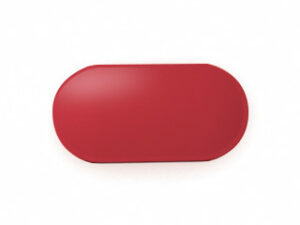
- Common form: Tablets
Basic Product Information
Molnunat contains molnupiravir, an antiviral medicine designed to interfere with the replication of SARS-CoV-2 (the virus that causes COVID-19).
Brand name: Molnunat
Active ingredient: Molnupiravir
Medicinal type: Antiviral (oral)
Your specific tablet strength and how many tablets you need per dose will be stated in your medicine instructions.
How Molnunat Works (Mechanism of Action)
Molnupiravir is a “nucleoside” analogue—meaning it resembles building blocks the virus needs to copy itself.
After being taken by mouth, molnupiravir is converted in the body into an active form. This active form can be incorporated into the viral genetic material during replication.
The result is errors in the virus’s genetic copying. These errors accumulate, making it harder for the virus to multiply effectively. In simple terms: Molnunat aims to reduce viral load and limit disease progression when started early.
Pharmacokinetics: What Happens in the Body
“Pharmacokinetics” describes how the body absorbs, processes, and eliminates a medicine.
- Absorption: Molnupiravir is taken orally and converted within the body to its active metabolites.
- Activation: Metabolic conversion produces active forms that act on viral replication.
- Distribution: Active metabolites are present where viral replication occurs.
- Elimination: The drug and metabolites are cleared primarily through normal metabolic pathways and excretion.
For a patient, the most important practical message is: start early and complete the full course as directed, because antiviral effectiveness is linked to timing.
Typical Use in the UK
Molnunat is used for the treatment of COVID-19 in certain adults who are at higher risk of becoming seriously ill. It is generally considered when:
- You have mild to moderate COVID-19 symptoms.
- You are considered high risk for progression.
- Treatment can begin as soon as possible after symptom onset.
Eligibility and ordering pathways in the UK depend on current clinical and commissioning guidance, along with clinical assessment by healthcare professionals.
When to Take Molnunat (Timing and Duration)
Timing is critical. Molnunat is intended to be most effective when started early in the course of infection.
- Start: Ideally within 5 days of symptom onset.
- Course: Typically taken for 5 days total.
If you miss a dose, do not double up. Take the next dose at the usual time and follow the instructions supplied with your medicine.
How to Take It
Take Molnunat by mouth exactly as directed. Swallow the tablets whole with water unless your instructions say otherwise.
- Try to take doses at similar times each day.
- Complete the 5-day course even if you start to feel better.
- Do not stop early unless advised by a healthcare professional.
If you have difficulty swallowing tablets, speak with a clinician or pharmacist for advice appropriate to your situation.
Food Interactions: Can You Take Molnunat With Meals?
Molnupiravir can generally be taken with or without food. However, individual instructions may vary based on your tablet formulation and your clinician’s advice.
For patient practicality:
- If food reduces stomach upset for you, you may take it with a meal.
- Choose a routine that helps you remember, and try to stay consistent across the course.
If you are uncertain, ask your pharmacist what they recommend for your specific supply of Molnunat.
Alcohol and Medicine Interactions
Alcohol
There is no specific “hard rule” that every person must completely avoid alcohol when taking molnupiravir, but alcohol can worsen dehydration, affect recovery, and may increase risk of side effects such as nausea or dizziness.
For the 5-day course, it’s generally sensible to avoid or minimise alcohol, especially if you feel unwell.
Other medicines
Molnunat is not well-known for extensive drug-drug interactions, but interactions can still occur depending on your other treatments and health status.
Before starting, make sure your pharmacist or prescriber has a full list of:
- All medicines (including over-the-counter products)
- Herbal remedies and supplements
- Recent vaccines, if relevant
- Any kidney or liver conditions
If you use medicines that affect blood clotting, diabetes, or immune function, still check individually. Your healthcare team can confirm whether any timing adjustments or monitoring are needed.
Indications: Who Molnunat Is Intended For
Molnunat is indicated for treatment of COVID-19 in adults who have mild to moderate illness and are at higher risk of severe outcomes.
Whether you qualify depends on clinical criteria and local guidance. In practice, eligibility often relates to factors such as age, underlying health conditions, and risk of deterioration.
Dosing (Typical Adult Regimen)
The common adult course for molnupiravir is:
- Duration: 5 days
- Frequency: Often described as twice daily (every 12 hours)
Important: Always follow the exact dose on your medicine label or the instructions provided with your supply. Tablet strengths may vary between products.
If you have kidney or liver impairment, your healthcare team may advise whether molnupiravir is appropriate and whether any adjustments or precautions apply.
Safety Profile and Possible Side Effects
Like all medicines, Molnunat can cause side effects. Many people experience none or only mild effects, but it’s important to know what to watch for.
Common side effects
- Nausea
- Diarrhoea
- Dizziness
- Headache
- Fatigue
Less common but important reactions
Seek urgent medical advice if you develop signs of a serious allergic reaction, such as:
- Swelling of the face, lips, tongue, or throat
- Difficulty breathing or severe wheezing
- Severe rash or blistering
Special safety considerations
- Pregnancy and breastfeeding: Because antiviral treatments can involve careful risk-benefit decisions, discuss pregnancy status or plans promptly with a healthcare professional. Guidance may include contraception recommendations during treatment and for a period after.
- Fertility-related precautions: If you can become pregnant or can father a child, clinicians may advise on contraception measures during and after treatment.
- Underlying illness: If you have severe illness, immunocompromise, or complex co-morbidities, extra monitoring may be needed.
If you feel significantly worse, develop new symptoms, or you are worried at any time during treatment, contact a healthcare professional.
Practical Use Tips (How to Make Treatment Easier)
- Set reminders: If you’re taking doses twice daily, use phone alarms to help you stay on schedule.
- Keep a medication tracker: Tick off each dose as you take it.
- Hydrate: Drink fluids regularly to support recovery and reduce risk of dehydration if you have diarrhoea.
- Monitor symptoms: Note changes in breathing, fever, and overall condition.
- Don’t skip the course: Completing all days helps ensure the medicine has the intended effect.
- Keep isolation guidance: Continue to follow public health advice to reduce transmission to others.
If you vomit soon after taking a dose, tell your pharmacist—whether you need to repeat the dose can depend on how soon the vomiting occurred.
Alternative Options for COVID-19 Treatment (UK Context)
Treatment choices for COVID-19 can vary based on eligibility, timing, severity, and availability. Depending on your situation, clinicians may consider other antiviral or supportive options.
Alternatives that may be discussed in the UK (depending on availability and guidance) include:
- Ritonavir-boosted nirmatrelvir (commonly referred to as nirmatrelvir/ritonavir), for some patients where drug interactions and eligibility permit.
- Intravenous antivirals in specific circumstances.
- Supportive care such as oxygen if needed, fever control, hydration, and symptom management.
- Preventive approaches such as vaccination and risk-reduction strategies.
Your healthcare team can advise which option is most appropriate based on your medicines, health status, and how early treatment can start.
Recent Guidance and Decision-Making in the UK
Clinical recommendations for COVID-19 treatment can change as evidence and circulating variants evolve. In the UK, decisions are commonly guided by up-to-date advice from national health authorities and clinical guidance for primary and secondary care.
Key themes you’ll often see in current guidance include:
- Early treatment: Antivirals are most effective when started promptly.
- Risk stratification: Treatment is typically prioritised for those at higher risk of severe disease.
- Individual suitability: Drug interactions, kidney/liver function, and patient factors influence selection.
If you’re unsure why a particular option is recommended for you, your clinician or pharmacist can explain the reasoning.
Delivery and Availability (United Kingdom)
Molnunat availability may vary depending on current demand, stock levels, and commissioning or prescribing pathways in the UK. Many online pharmacy services operate with rapid processing and delivery options for eligible patients.
When you order through a legitimate online pharmacy, you should expect:
- Order processing: Confirmation of eligibility and safe supply checks.
- Time sensitivity: Because the medicine works best when started quickly, pharmacies may prioritise faster dispatch where possible.
- Delivery times: Courier schedules can vary by region and service level.
If you have urgent symptoms or are approaching the 5-day window from symptom onset, contact the pharmacy support team promptly.
Market and Legal Context (UK)
In the UK, medicines like Molnunat are regulated under the Medicines and Healthcare products Regulatory Agency (MHRA) framework and are supplied in line with national healthcare policies. Availability may depend on ongoing approvals, clinical criteria, and guidance from health services.
Online pharmacies must follow UK regulations for safe supply, identity checks, and appropriate handling of patient information. Always use a UK-registered pharmacy and ensure you receive information about dosing, side effects, and storage.
Storage and Handling
- Store tablets: Follow the storage instructions on the packaging (often “store below 25°C” or similar guidance).
- Keep out of reach: Keep out of sight and reach of children.
- Original packaging: Keep tablets in the original container until used.
- Do not use after expiry: Check the expiry date on the carton.
FAQ: Molnunat (Molnupiravir)
1) How soon should I start Molnunat?
Aim to start as soon as possible after symptoms begin. Treatment is typically most effective when started within 5 days of symptom onset.
2) How do I take Molnunat each day?
The usual course involves taking doses twice daily across 5 days. Follow your label or instructions precisely for your tablet strength and dosing schedule.
3) Can I take Molnunat with food?
Many people can take molnupiravir with or without food. If food makes it easier for you to tolerate the medicine, that can be a practical approach—just try to keep your routine consistent.
4) What if I miss a dose?
Take the next dose at the usual time. Do not take a double dose to make up for the missed one. If you’re unsure, ask your pharmacist.
5) Can I drink alcohol while taking Molnunat?
It’s usually best to avoid or minimise alcohol during the course, since alcohol can worsen dehydration and make side effects such as nausea or dizziness more likely.
6) Are there interactions with other medicines?
Interactions can occur with some medications. Provide a complete list of all medicines and supplements to your pharmacist so they can check suitability for you.
7) Who should not take Molnunat?
Suitability depends on your clinical situation and guidance. People who are pregnant or planning pregnancy, those who are breastfeeding, and those with complex medical conditions should discuss the risk-benefit considerations with healthcare professionals.
8) What side effects should I expect?
Common side effects may include nausea, diarrhoea, dizziness, headache, and fatigue. Contact urgent medical services if you suspect a serious allergic reaction.
9) Will Molnunat cure COVID-19 completely?
Molnunat is designed to reduce the risk of severe disease by helping limit viral replication when started early. Recovery still depends on many factors, including your immune system and overall health.
10) What should I do if my symptoms worsen?
If you develop severe breathing difficulties, chest pain, confusion, bluish lips, or you feel significantly worse, seek urgent medical help immediately. Antivirals are an important part of treatment but do not replace emergency care.
Summary
Molnunat (molnupiravir) is an oral antiviral used in adults with COVID-19 who are at higher risk of severe illness. Its goal is to reduce viral replication and help prevent progression when treatment begins early—ideally within 5 days of symptom onset. Take it for the full 5-day course as directed, consider practical timing reminders, and consult a healthcare professional if you have concerns about interactions, side effects, pregnancy, or worsening symptoms.