

Nortriptyline Hydrochloride (Nortriptyline) — Patient Information (UK)
Nortriptyline is a medicine belonging to the tricyclic antidepressant (TCA) group. In the UK, it is used for a range of conditions, including depression and certain types of nerve-related pain. It may also be prescribed for conditions such as chronic pain syndromes and migraine prevention, depending on your individual circumstances.
This guide explains how nortriptyline works, how it is taken, important safety information, and how to use it practically. It is designed to be patient-friendly and suitable for an online pharmacy website.
Basic product information
- Medicinal name: Nortriptyline (often as Nortriptyline Hydrochloride)
- Drug class: Tricyclic antidepressant (TCA)
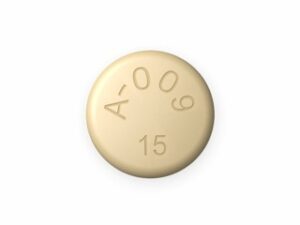
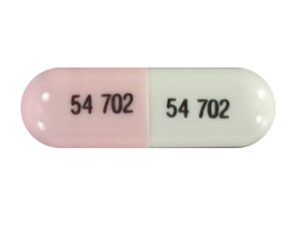
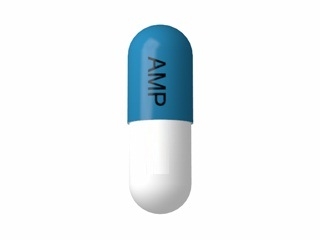
- Common forms: Tablets or capsules (brand/generic products may vary by supplier)
- How it works: Affects chemical messengers in the brain, including serotonin and noradrenaline
- Availability in the UK: Typically available via pharmacies under NHS/private care arrangements, depending on the product
Note: Brand names and tablet strengths can differ. Always check the exact strength and instructions on your medicine label.
How nortriptyline works (mechanism of action)
Nortriptyline helps by changing the levels and activity of neurotransmitters (brain chemical messengers). The most relevant actions include:
- Inhibition of reuptake of noradrenaline (and to a lesser extent serotonin), increasing their availability in nerve synapses.
- Anticholinergic effects (blocks certain receptors), which can contribute to side effects such as dry mouth and constipation.
- Effects on pain pathways, which is one reason it may be used in nerve-related pain and chronic pain conditions.
The result is improved regulation of mood and/or reduced sensitivity along pain pathways, depending on what it is being used to treat.
Pharmacokinetics: how your body handles nortriptyline
Understanding pharmacokinetics can help you know why dosing schedules matter.
- Absorption: Nortriptyline is absorbed after oral dosing. Food can influence the speed of absorption for some medicines, though overall absorption may be less affected than with some other drugs.
- Distribution: It distributes throughout body tissues, including the brain.
- Metabolism: Primarily metabolised by the liver (notably via the CYP450 enzyme system, including CYP2D6).
- Half-life: Nortriptyline has an elimination half-life long enough that once-daily dosing is commonly used in practice.
- Excretion: Metabolites are eliminated through the urine and other routes.
Clinical implication: Because it can build up gradually, effects on mood or pain often take days to weeks to become clearly noticeable. Doses may be adjusted slowly.
What it’s used for in the UK (indications)
Nortriptyline may be used for several conditions. The exact indication depends on your diagnosis, medical history, and how you respond to treatment.
- Depression (especially when other treatments are not suitable)
- Neuropathic/nerve pain (e.g., pain due to nerve irritation or injury)
- Chronic pain syndromes in selected patients
- Prevention of migraine or other headache disorders (where appropriate)
- Other specialist uses in line with local UK prescribing practice
Important: Nortriptyline is not a painkiller that works instantly. For nerve-related pain and chronic symptoms, benefit often develops gradually as your nervous system adapts.
When and how to take nortriptyline (timing and dosing)
Always follow the dosing instructions provided with your specific product and clinician guidance. The general principles below help explain typical use patterns.
Typical timing
- Once daily is common, especially if taken in the evening, because it can cause drowsiness in some people.
- If side effects are prominent (e.g., sleepiness), taking it at night may help.
- If it causes insomnia in some people, your prescriber may advise a different time.
Typical dosing approach
Dosing is individual. A common strategy is to start at a lower dose and gradually increase to reduce side effects while improving tolerability.
Example dosing ranges (illustrative):
- Low starting doses are often used initially.
- Maintenance doses depend on the condition and response.
- Higher doses may be used in certain circumstances under careful supervision.
Do not adjust your dose suddenly without medical advice. If your symptoms worsen or you experience troublesome side effects, contact a healthcare professional promptly.
How to take tablets
- Swallow with water.
- Try to take it at the same time each day.
- If you miss a dose, take it when you remember unless it is close to the next dose. Do not double up.
Tip: Setting a daily reminder can help you maintain consistent timing, which supports steady medicine levels.
Food interactions and effects of meals
Nortriptyline can generally be taken with or without food. However, food may affect how quickly some medicines reach peak levels.
- If you feel stomach discomfort: taking it with food may help.
- If you are sensitive to drowsiness: taking it at night may be more suitable than morning dosing.
Practical approach: Keep the routine consistent—either always with food or always without—unless your prescriber advises otherwise.
Alcohol and medicine interactions
Alcohol
It is generally recommended to avoid alcohol or keep it very limited while taking nortriptyline.
- Alcohol can increase drowsiness and dizziness.
- It can also worsen mood and sleep quality.
Medicines that can interact with nortriptyline
Nortriptyline has important interaction potential. Always tell a healthcare professional about all medicines, including over-the-counter products and herbal remedies.
Common interaction themes include:
- Other medicines that affect serotonin (risk of serotonin-related side effects when combined)
- Medicines that affect heart rhythm (some medicines can increase the risk of rhythm problems, especially when combined)
- Medicines that inhibit CYP2D6 (may increase nortriptyline levels and side effects)
- Medicines that cause sedation (can increase drowsiness)
Examples of medicines to mention to your pharmacist/clinician (not exhaustive):
- Other antidepressants
- Pain medicines (including some stronger opioid or sedating combinations)
- Some cough/cold preparations that contain ingredients affecting the nervous system
- Antipsychotics
- Antiarrhythmics or medicines that can affect ECG intervals
- Some antibiotics and antifungals (through liver enzyme pathways)
Never start or stop interacting medicines without checking first.
Safety profile: common and serious side effects
Most people taking nortriptyline experience at least one side effect, particularly early in treatment. Many become less troublesome with time.
Common side effects
- Dry mouth
- Constipation
- Blurred vision
- Drowsiness or fatigue
- Dizziness, especially when standing up quickly
- Increased sweating
- Weight change (some people gain weight)
- Tremor or mild shakiness in some cases
- Urinary retention (difficulty passing urine), particularly in those with prostate issues
Less common but important side effects
- Heart rhythm changes (TCAs can affect cardiac conduction in susceptible patients)
- Low sodium (hyponatraemia), especially in older adults or those on certain medications
- Mania/hypomania in people with bipolar disorder
- Increased eye pressure in people prone to narrow-angle glaucoma
- Sexual dysfunction (may occur with antidepressants)
Seek urgent medical advice
Contact urgent healthcare services if you experience:
- Severe chest pain, fainting, or palpitations with feeling unwell
- Signs of an allergic reaction (swelling of face/lips, breathing difficulty, widespread rash)
- Confusion, severe agitation, fever, or muscle stiffness (especially if combined with other serotonergic medicines)
- Thoughts of self-harm or significant worsening of mood, particularly early in treatment or after dose changes
Overdose warning: Tricyclic antidepressants can be dangerous in overdose. Keep your medicine securely stored and never share it with others.
Who should take extra care?
Discuss your individual risk with a clinician or pharmacist if you have any of the following:
- Heart conditions, history of heart rhythm problems, or abnormal ECG
- Previous stroke or significant cardiovascular disease
- Glaucoma (especially narrow-angle)
- Prostate enlargement or difficulty urinating
- Seizure disorders or epilepsy
- Liver disease (may affect metabolism)
- Bipolar disorder or history of mania
- Older age and frailty (increased sensitivity to side effects)
These factors do not necessarily rule out nortriptyline, but they may influence dosing and monitoring.
Practical use tips (how to make treatment easier)
Managing common side effects
- Dry mouth: sip water regularly, chew sugar-free gum, and consider saliva substitutes if available.
- Constipation: increase fibre and fluid intake; gentle laxatives may be used if advised by a pharmacist.
- Drowsiness: take it in the evening and avoid driving until you know how it affects you.
- Postural dizziness: stand up slowly from sitting/lying positions.
- Sleep changes: maintain consistent bedtime routines; timing adjustments may be needed.
Building time to effect
It’s common to feel side effects early and symptom improvement later. A typical pattern is:
- First days to 1–2 weeks: side effects may be noticeable; sleepiness can occur.
- Several weeks: mood, pain, or headache frequency may begin to improve.
Do not assume the medicine is ineffective if you don’t feel full benefit quickly.
Driving and operating machinery
Nortriptyline can cause drowsiness and blurred vision. Avoid driving or operating machinery if you feel sleepy, dizzy, or unfocused—especially when starting or after dose changes.
Stopping nortriptyline
When discontinuing, it’s often important to taper rather than stop suddenly to reduce withdrawal symptoms and to avoid symptom rebound. Your clinician or pharmacist can advise a safe plan for your situation.
Dosing guidance and missed doses
Because individual regimens vary, always refer to your label. The information below is general.
Starting dose
- Typically starts low to improve tolerability.
- Dose may increase gradually based on response and side effects.
When taking multiple doses
- Some people may be prescribed once daily; others may take divided doses. Follow your specific instructions.
Missed dose
- If you miss a dose, take it when you remember if it’s not close to the next dose.
- If it is near the next dose, skip the missed dose.
- Do not double to make up for a missed dose.
If you accidentally take more
Contact urgent medical help or a poison information service immediately if you suspect an overdose, even if you feel relatively well.
Recent UK guidance and monitoring considerations
In the UK, nortriptyline use aligns with broader principles for antidepressants and medicines for chronic pain. While local protocols vary, common themes include:
- Careful assessment of cardiovascular risk (especially in people with heart disease or at higher risk of rhythm problems).
- Slow dose titration to improve tolerability.
- Ongoing review of benefit versus side effects, particularly during the first weeks.
- Consideration of interactions with other medications metabolised through liver pathways or affecting the nervous system.
Safety note: If your healthcare professional considers it appropriate, monitoring such as blood tests (e.g., sodium in selected patients) or an ECG may be recommended.
Alternative options
If nortriptyline is not suitable or not effective, there may be alternatives depending on your condition.
For depression
- Other antidepressants such as SSRIs or SNRIs (choice depends on your medical history and tolerability)
- Psychological therapies (e.g., talking therapies) often combined with medication for best outcomes
For nerve pain / neuropathic pain
- Other medicines used for neuropathic pain such as gabapentinoids (where appropriate)
- Other antidepressants with pain-modulating effects
- Non-medicine approaches including physiotherapy, exercise programmes, and pain management strategies
For migraine prevention
- Other preventive migraine treatments may include specific prescription options chosen based on your history and risk factors.
Your pharmacist or prescriber can advise on which alternatives are most appropriate for you.
Market and legal context for the UK
In the UK, medicines are regulated and supplied under UK medicines legislation and pharmacy standards. Nortriptyline products are supplied through authorised channels, with appropriate checks to support safe use. Pharmacies may require information to ensure the medicine is suitable, including allergy history, other medicines you take, and relevant health conditions.
Availability: In general, nortriptyline is available through UK pharmacies in appropriate formulations and strengths. Stock availability can vary by product and supplier. An online pharmacy may offer delivery subject to eligibility and local service availability.
Delivery and availability (what to expect)
When you order nortriptyline through a UK online pharmacy service, delivery and availability can depend on:
- Formulation and strength (tablets/capsules and dose)
- Brand vs generic availability
- Stock levels at the supplier
- Your delivery address and local service coverage
Typical steps:
- You place an order for the exact product/strength required.
- The pharmacy confirms suitability and compliance checks.
- Your medicine is dispatched according to the selected delivery option and service terms.
Storage on arrival: Keep the medicine in its original packaging, protect from excessive heat and moisture, and store out of sight and reach of children.
FAQ — Frequently asked questions
How long does nortriptyline take to work?
For depression and many chronic pain conditions, noticeable improvement often takes 2–6 weeks, sometimes longer. Side effects may begin earlier, while benefit develops gradually.
Is nortriptyline sedating?
It can be. Many people feel drowsy, especially early in treatment. Taking it in the evening is common if sedation occurs. Avoid driving until you know how you respond.
Can I take nortriptyline with food?
Often yes. If it upsets your stomach, taking it with food may help. Keep a consistent routine unless advised otherwise.
Can I drink alcohol while taking it?
It’s generally advisable to avoid alcohol or keep it to a minimum, as alcohol can increase drowsiness and may worsen mood and sleep.
What should I do if I miss a dose?
Take it when you remember unless it is close to the next dose. If it’s near the next dose, skip the missed dose. Do not double up.
What are the most common side effects?
Common side effects include dry mouth, constipation, blurred vision, dizziness, and drowsiness.
Are there serious side effects I should watch for?
Yes. Seek urgent help if you experience severe palpitations, fainting, chest pain, signs of an allergic reaction, or severe agitation/confusion—especially if combined with other interacting medicines.
Can I stop nortriptyline suddenly?
Stopping suddenly is usually not recommended. If you want to stop, ask a healthcare professional for advice on tapering to reduce withdrawal symptoms and relapse risk.
Does nortriptyline interact with other medicines?
Yes. It can interact with antidepressants, sedating medicines, medicines affecting heart rhythm, and medicines that change liver metabolism. Always check with a pharmacist before starting new products.
Is nortriptyline suitable for everyone?
Not always. Extra caution is needed for people with heart rhythm issues, glaucoma, urinary problems (e.g., prostate enlargement), seizure disorders, liver disease, and those with bipolar disorder. Your clinician will consider your health history.
Where can I find reliable UK safety information?
Your pharmacist can explain your specific product and safety concerns. UK medicine safety information may also be provided via official NHS and medicines regulation sources.
Summary
Nortriptyline (nortriptyline hydrochloride) is a tricyclic antidepressant used in the UK for conditions such as depression and certain nerve-related pain disorders. It works by affecting neurotransmitters and pain pathways, but it may take weeks to reach full benefit. Side effects—such as dry mouth, constipation, and drowsiness—are relatively common, especially early on. For safety, it’s important to consider interactions (including alcohol), take it consistently at the recommended time, and seek advice if you experience worrying symptoms.
If you have questions about how to take your medicine safely or about potential interactions with your current treatment, speak to a pharmacist for guidance.