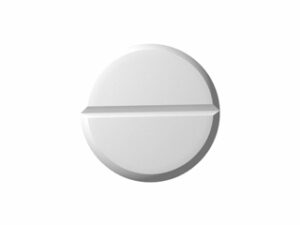

Provera (Medroxyprogesterone Acetate) — Patient Information (UK)
Provera is a medicine containing medroxyprogesterone acetate (MPA), a man-made form of the hormone progesterone. It is used for a variety of hormone-related conditions affecting the menstrual cycle and the reproductive system, and in some cases for related disorders where progesterone therapy is helpful.
This guide is designed to be patient-friendly and to help you understand how Provera works, what it’s used for, how it’s typically taken, and what to watch for. Always follow the advice given by your healthcare professional and read the patient information leaflet (PIL) supplied with your medicine.
Quick overview
| Product | Provera |
|---|---|
| Active ingredient | Medroxyprogesterone acetate (MPA) |
| Hormone type | Progestogen (synthetic progesterone) |
| Common forms | Tablets (strengths vary by product/pack) |
| Typical areas of use | Menstrual problems; endometrial protection (when appropriate); hormone-related conditions |
| How it works | Helps control the effects of oestrogen on the uterine lining; supports hormone balance |
How Provera works (mechanism of action)
Provera is a progestogen. Progesterone (and progesterone-like medicines) helps regulate the uterine lining (endometrium) and the menstrual cycle.
- Protects the endometrium: When the endometrium is exposed to oestrogen without adequate progesterone, it can become thicker than intended. Provera helps counterbalance oestrogen by stabilising and transforming the uterine lining.
- Regulates bleeding: By influencing hormone receptors and the endometrium, Provera may help bring about withdrawal bleeding when used in a cyclic way.
- Inhibits certain hormone signals: Progestogens can affect release of hormones from the brain and ovaries that drive the cycle, which can help in certain conditions.
Pharmacokinetics: how the body absorbs, uses, and clears it
After taking Provera by mouth, the active ingredient medroxyprogesterone acetate is absorbed and distributed throughout the body. The exact speed and extent of absorption can vary between individuals.
- Absorption: Taken orally, MPA is absorbed into the bloodstream.
- Distribution: It binds partly to plasma proteins and acts on hormone receptors in target tissues.
- Metabolism: The liver metabolises medroxyprogesterone acetate.
- Elimination: Metabolites are cleared primarily through urine, with some excretion via other routes.
- Half-life (general concept): Medroxyprogesterone acetate has a relatively long-acting profile, meaning it can remain detectable for a time after dosing.
What this means for you: If you miss a dose or stop treatment early, hormone effects may continue for some time depending on your dose and your body’s processing of the medicine. This is one reason you should not change your regimen without medical guidance.
Typical uses of Provera
Provera may be used for several hormone-related conditions. The exact indication and schedule depend on your situation.
- Abnormal uterine bleeding (for example, where bleeding is due to hormonal imbalance and other causes have been assessed)
- Amenorrhoea or irregular absence of periods (after other causes have been considered)
- Endometrial protection in specific hormone therapy contexts (for example, when an oestrogen is used and progesterone is needed to reduce endometrial overgrowth risk)
- Off-label or specialist uses may exist in particular circumstances depending on clinical judgement and local protocols
Important: Not all causes of bleeding or missed periods are hormonally driven. If you have unexpected vaginal bleeding, severe pelvic pain, or bleeding after menopause, seek medical advice promptly.
When Provera starts to work (timing)
How quickly Provera helps depends on the reason it has been prescribed and your baseline hormone state.
- Bleeding-related effects: If Provera is used to trigger “withdrawal bleeding,” it often leads to bleeding several days after finishing a course, though the timing can vary.
- Cycle regulation: For menstrual regulation, effects may be seen over one or more cycles.
- Endometrial effects: Stabilising the uterine lining can occur over time with ongoing dosing, particularly when used as part of a longer regimen.
If you do not get the expected effect, do not simply increase or alter the dose—speak to your healthcare professional so they can review the cause and confirm the regimen.
Dosing: how Provera is commonly taken
Provera dosing varies widely based on the indication, the dose strength available, and whether it’s being used continuously or cyclically. Your clinician will provide instructions tailored to you.
General dosing principles (do not self-adjust):
- Cyclical use: Often taken for a set number of days per cycle, followed by a break, to produce a predictable bleeding pattern.
- Continuous use: In some situations, progestogen may be taken daily without planned breaks.
- Adherence matters: Taking the medicine regularly at the prescribed times helps maintain stable hormone levels.
If you miss a dose: Follow the instructions in your PIL for missed doses. If you are unsure, contact a pharmacist or your prescriber. Many hormone regimens require consistency, and your response may depend on whether you are using a cyclic or daily schedule.
Food interactions
Provera can usually be taken with or without food. Food is not typically known to significantly reduce its effectiveness.
- To reduce stomach upset, you may choose to take it with a meal or snack.
- Try to take it at the same time each day if you are using a daily regimen.
If your stomach feels unsettled, speak to a pharmacist for practical tips specific to your formulation.
Alcohol and medicine interactions
There is no universal rule that occasional alcohol automatically makes Provera unsafe. However, alcohol can affect hormones indirectly and may worsen side effects such as:
- Dizziness or light-headedness
- Headache
- Nausea or stomach discomfort
- Fatigue
Practical advice:
- If you drink alcohol, consider keeping it moderate and see how your body responds.
- Avoid binge drinking, especially if you experience side effects.
- Seek medical advice if you have a liver condition, heavy alcohol use, or if you notice symptoms that concern you.
Always check interactions for other medicines you take concurrently. Hormonal medicines can interact with other drugs, and this may be particularly important if you take:
- Enzyme-inducing medicines (some anti-epileptics, certain antibiotics like rifampicin, and some herbal products such as St John’s wort)
- Medicines affecting blood clot risk (depending on your overall treatment)
- Anticoagulants or medicines that affect coagulation (your clinician will advise)
Do not start or stop any interacting medicines without professional advice.
Safety profile: important warnings and side effects
As with all medicines, Provera can cause side effects. Many people experience none or only mild effects. Your healthcare professional will weigh the benefits against the risks based on your medical history.
Common side effects
- Nausea
- Headache
- Breast tenderness
- Changes in bleeding pattern (spotting, irregular bleeding, or absence of bleeding depending on schedule)
- Fluid retention or weight changes
- Changes in mood
- Vaginal discharge (occasionally)
Serious risks (seek urgent medical attention)
Progestogens may be associated with increased risk of certain conditions in particular circumstances. You should contact medical help urgently if you experience symptoms that could indicate serious complications.
- Signs of a blood clot (for example, swelling or pain in one leg, sudden shortness of breath, chest pain, coughing blood)
- Severe headache or neurological symptoms (weakness, trouble speaking, visual changes)
- Jaundice (yellowing of the skin/eyes), dark urine, or severe abdominal pain
- Heavy or persistent abnormal bleeding or bleeding with dizziness/faintness
Who should be extra careful
Discuss your suitability carefully with a healthcare professional if you have any of the following:
- Liver disease or abnormal liver function
- A history of blood clots or strong risk factors for clotting
- Unexplained vaginal bleeding
- Known or suspected hormone-sensitive cancer
- Severe migraine or migraine with aura (your clinician will advise)
- Any current pregnancy or suspected pregnancy
Pregnancy and breastfeeding: If you are pregnant, planning pregnancy, or breastfeeding, ask a healthcare professional before using Provera. Hormonal medicines may not be appropriate depending on indication and stage of pregnancy.
Practical use tips
- Take at the same time daily (if on a daily regimen) to maintain steadier hormone levels.
- Use reminders: phone alarms, blister pack calendars, or pill organisers.
- Track bleeding: if using for bleeding irregularities, keep notes of spotting/bleeding days.
- Manage side effects: hydration, a balanced diet, and adequate rest may help common effects like headaches or fatigue.
- Don’t share your medicine: Provera is intended for your specific condition and schedule.
- Follow monitoring advice: some indications require review appointments or additional tests (for example, to assess bleeding causes or endometrial health).
Alternative options
Depending on why you’re taking Provera, there may be alternative treatments. Your healthcare professional can discuss what’s best for your diagnosis, risk factors, and preferences.
Possible alternatives (by general category)
- Other progestogens: Different progesterone-like medicines may be used for menstrual control or endometrial protection.
- Combined hormonal options: In some cases, combined therapies may be considered (depending on risk factors such as clotting history).
- Levonorgestrel intrauterine system (IUS): Often used for heavy menstrual bleeding and endometrial protection in appropriate patients.
- Non-hormonal approaches: For some bleeding issues, options such as tranexamic acid or NSAIDs may be considered, but suitability depends on the cause of bleeding.
- Cause-specific treatment: If bleeding is due to fibroids, polyps, infection, thyroid disorders, or other conditions, the best plan may focus on treating that underlying problem.
Note: The most appropriate alternative differs widely between individuals. Always confirm options with your clinician.
UK market and legal context (overview)
In the United Kingdom, medicines are regulated to ensure quality, safety, and appropriate use. Provera (medroxyprogesterone acetate) is an established medicine that has been prescribed for decades for hormone-related conditions.
- Medicines regulation: The UK medicines framework includes assessment by medicines regulators and ongoing safety monitoring through pharmacovigilance.
- Professional oversight: Hormone therapies often require clinical assessment due to potential benefits and risks, and the need to exclude serious underlying causes of abnormal bleeding.
- Pharmacy supply: Online pharmacies in the UK typically support access to medicines in line with regulatory and safety requirements, including identification of the correct product and appropriate patient information.
Safety note: If you experience new or worsening symptoms, or if bleeding patterns change significantly, consult a healthcare professional promptly.
Recent guidance and safety updates (how to stay informed)
Clinical guidance for hormone medicines can evolve as new evidence emerges, including information about cardiovascular or thromboembolic risk, suitability criteria, and monitoring practices for abnormal uterine bleeding.
- Follow the latest patient information from the pack you receive.
- Ask your pharmacist if you have questions about risk factors specific to you.
- Seek review if your bleeding does not improve as expected or persists.
Because recommendations may vary by indication and patient profile, individualised advice is important.
Delivery and availability (UK online pharmacy)
Availability and pack sizes can vary. When purchasing online in the UK, you can generally expect:
- Product verification: The correct medicine strength and form is supplied for your order.
- Delivery timelines: Dispatch and delivery times depend on the chosen service and your location within the UK.
- Discreet packaging: Deliveries are commonly packaged to protect privacy.
- Storage advice: Provera tablets are typically stored at room temperature in a dry place away from direct heat and moisture (follow the PIL for specifics).
If you require urgent treatment or have limited supplies, check the site’s estimated delivery options and contact customer support for guidance.
Frequently asked questions (FAQ)
1. What is Provera used for?
Provera (medroxyprogesterone acetate) is used to treat certain hormone-related conditions, including abnormal uterine bleeding and amenorrhoea, and for endometrial protection in specific treatment regimens. The exact use depends on your diagnosis.
2. How do I take Provera?
Take Provera exactly as directed by your healthcare professional. Dosing may be cyclical or continuous depending on the condition being treated.
3. When will I get my period?
If you’re taking Provera in cycles to induce a withdrawal bleed, bleeding may occur after you stop the course. The timing can vary. Keep track of your bleeding and discuss unexpected patterns with your clinician.
4. Can I take Provera with food?
Yes. Provera is usually taken with or without food. Taking it with a meal may help if you feel nauseous.
5. Can I drink alcohol while taking Provera?
Moderate alcohol use is not always strictly prohibited, but alcohol can worsen side effects such as headaches, nausea, or dizziness. If you notice side effects, consider reducing alcohol and speak to a pharmacist.
6. What medicines might interact with Provera?
Interactions can occur with medicines that affect liver enzymes or blood clot risk, and with some long-term medicines. Tell your pharmacist about all medicines, including over-the-counter products and herbal supplements.
7. What side effects are common?
Common side effects may include headache, nausea, breast tenderness, and changes in bleeding. Fluid retention and mood changes can also occur.
8. When should I seek urgent help?
Seek urgent medical advice if you develop symptoms that could indicate a blood clot (such as chest pain, sudden breathlessness, or painful swelling in one leg), severe neurological symptoms, jaundice, or heavy/persistent bleeding with feeling unwell.
9. Is Provera safe for everyone?
No. Your suitability depends on your medical history, including risk factors for blood clots, liver health, history of hormone-sensitive conditions, and the reason you’re taking it. Always discuss your personal risk factors with a healthcare professional.
10. What if I miss a dose?
Check the patient information leaflet for missed-dose guidance. If you are unsure, contact a pharmacist. Missing doses can affect bleeding patterns and hormone balance.
Key takeaways
- Provera contains medroxyprogesterone acetate, a progestogen used to manage hormone-related conditions.
- It works largely by stabilising and regulating the uterine lining and influencing cycle hormones.
- Dosing varies by indication; take it exactly as directed.
- Be alert to potential serious symptoms (especially clot-related or liver-related signs).
- If bleeding patterns change unexpectedly or you feel unwell, get medical advice promptly.
Always refer to your pack’s patient information leaflet for full details, including side effects, contraindications, and instructions specific to your dose and regimen.