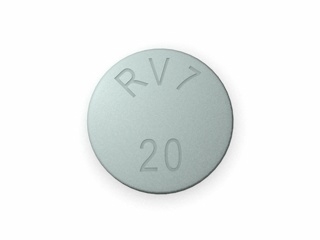


Revatio (Sildenafil Citrate) – Patient Information (UK)
Revatio is a medicine containing sildenafil citrate. It is used to treat certain types of pulmonary arterial hypertension (PAH)—a condition where the blood vessels in the lungs become narrow, leading to increased pressure in the lung arteries. By improving blood flow through the lungs, Revatio can help reduce symptoms and improve exercise capacity.
This guide is written in a patient-friendly way to help you understand what Revatio does, how it works, how to take it safely, and what to expect in everyday life in the United Kingdom.
Quick overview
- Medicine: Revatio (sildenafil citrate)
- Use: Pulmonary arterial hypertension (PAH)
- How it works: Helps relax blood vessels in the lungs by increasing nitric oxide signalling
- Typical form: Tablets (strength varies by product)
- How often: Usually taken multiple times daily for PAH (see dosing section)
- Key cautions: Avoid nitrates and riociguat; be careful with potent blood-pressure-lowering medicines and certain drug interactions
What is pulmonary arterial hypertension (PAH)?
In PAH, the small arteries in the lungs become constricted and remodel over time. This makes it harder for blood to flow through the lungs, increasing pressure. The heart then has to work harder, which can lead to symptoms such as breathlessness, fatigue, dizziness, and reduced ability to exercise.
Revatio targets the blood vessel changes that drive PAH symptoms.
Indications: what Revatio is used for in the UK
Revatio (sildenafil citrate) is used for the treatment of:
- Pulmonary arterial hypertension (PAH) in adults to improve exercise capacity and help slow clinical worsening.
Important: Revatio is a specific medicine used for PAH and may not be suitable for other conditions. Always use your medicine exactly as directed for your diagnosis.
How Revatio works (mechanism of action)
Revatio contains sildenafil, which belongs to a group called phosphodiesterase type 5 (PDE5) inhibitors.
Normally, the body uses a chemical pathway to relax blood vessels. Nitric oxide (NO) increases cGMP in the smooth muscle of blood vessels, which helps them relax.
Sildenafil works by:
- Blocking PDE5, the enzyme that breaks down cGMP
- Allowing more cGMP to remain active
- Promoting relaxation of pulmonary (lung) blood vessels
As a result, pulmonary vascular resistance can decrease, helping improve blood flow in the lungs and easing PAH symptoms.
Pharmacokinetics (how the body handles Revatio)
Pharmacokinetics describes what happens to a medicine after you take it—absorption, distribution, metabolism, and elimination.
Absorption
- Sildenafil is absorbed after oral dosing.
- Peak (maximum) blood levels typically occur within about 1–2 hours.
Distribution
- Sildenafil is highly bound to plasma proteins.
- It distributes throughout the body; therapeutic effects relate mainly to the pulmonary circulation.
Metabolism
- Sildenafil is mainly metabolised by liver enzymes, particularly CYP3A4.
- This is a key reason why interactions with certain medicines can significantly increase or decrease sildenafil levels.
Elimination
- Metabolites are eliminated mainly in faeces and urine.
- The “half-life” (time for blood level to reduce by half) is roughly 3–5 hours, though individual differences occur.
Typical use and timing
For PAH, Revatio is generally taken as an ongoing medicine to maintain benefits. Consistency is important because the effects rely on sustained dosing.
Timing tips:
- Try to take doses at roughly the same times each day.
- If you miss a dose, refer to your medicines advice for what to do (commonly, do not double up).
- Use reminders (phone alarm, blister pack schedule) to avoid missed doses.
Dosing: how much and how often
Dose depends on your condition, overall health, other medicines, and how you respond. Your clinician will set the correct dose for PAH.
General information (education only):
- Revatio for PAH is typically taken in multiple daily doses to maintain effect, rather than once daily.
- Doses may be adjusted based on tolerability (e.g., side effects like headache or low blood pressure) and risk factors.
Do not change your dose without medical advice. If you feel the medicine is not working or side effects are troublesome, seek advice rather than altering your schedule yourself.
Food interactions (can you take it with meals?)
Sildenafil can be taken with or without food for most people. However, heavy meals—especially those high in fat—may delay absorption in some cases, which can affect how quickly you feel the effect.
- If you notice timing changes (e.g., symptoms worsen before your next dose or you feel effects are delayed), consider taking it at a consistent relation to meals.
- If you experience stomach upset, take it with a small snack (unless your clinician has advised otherwise).
Alcohol and medicine interactions
Alcohol
Alcohol can lower blood pressure and may worsen side effects such as dizziness, headache, flushing, or light-headedness. In people with PAH or those taking other medicines that influence blood pressure, this can be more noticeable.
- Use caution: avoid heavy drinking.
- If you feel dizzy or faint after drinking, stop alcohol and seek advice promptly.
Major medicine interactions (very important)
Certain medicines can interact with sildenafil because they affect blood levels or blood pressure. Some interactions are considered high-risk.
| Medicine class / example | Why it matters | What to do |
|---|---|---|
| Nitrates (e.g., glyceryl trinitrate) used for chest pain | Can cause a dangerous fall in blood pressure when combined with sildenafil | Avoid combination unless your clinician specifically advises otherwise as part of a specialist plan |
| Riociguat (for pulmonary hypertension) | May significantly increase risk of low blood pressure | Generally avoid together |
| Strong CYP3A4 inhibitors (e.g., some antifungals and HIV medicines such as ritonavir, and certain antibiotics like clarithromycin) | May raise sildenafil levels, increasing side effects (e.g., headache, dizziness, low BP) | Tell your clinician/pharmacist—dose adjustment may be needed |
| Alpha-blockers (e.g., for prostate symptoms or blood pressure) | Combined effect may increase risk of dizziness or fainting from low blood pressure | Extra monitoring may be needed, especially when starting or changing dose |
| Blood pressure-lowering medicines | Additive effects may lower blood pressure further | Discuss your full list of medicines; do not stop medicines without advice |
| Inducers of CYP3A4 (e.g., rifampicin) | May reduce sildenafil levels, making it less effective | May require monitoring and/or dose adjustment |
Always inform your healthcare professional about all medicines you take, including:
- Prescription medicines
- Over-the-counter products
- Herbal supplements (especially those affecting liver enzymes)
Safety profile: side effects and who should be extra cautious
Like all medicines, Revatio can cause side effects. Not everyone will experience them. Many side effects are mild and may lessen as your body adjusts.
Common side effects
- Headache
- Flushing (warmth/redness of skin)
- Indigestion or stomach discomfort
- Dizziness
- Blocked or runny nose
Less common but important side effects
- Low blood pressure symptoms (light-headedness, feeling faint)
- Visual disturbances (e.g., blurred vision, changes in colour perception)
- Rash or hypersensitivity reactions
Seek urgent medical help if you experience
- Chest pain or severe shortness of breath that is new or worsening
- Fainting or severe dizziness
- Sudden vision loss or sudden hearing loss
- Allergic reaction signs (swelling of face/lips, difficulty breathing)
Who needs extra caution
Discuss with your clinician before using Revatio if you have:
- Significant heart or blood pressure problems
- Severe liver impairment (metabolism may be reduced)
- Severe kidney impairment
- A history of non-arteritic anterior ischaemic optic neuropathy (NAION)
- Any condition where low blood pressure would be particularly dangerous
Practical use tips (day-to-day guidance)
- Keep a routine: setting alarms can reduce missed doses, which is important for chronic PAH management.
- Monitor symptoms: track breathlessness, fatigue, dizziness, and exercise tolerance. Report changes to your healthcare team.
- Check for low blood pressure symptoms: if you stand up and feel faint, rise slowly and seek advice.
- Headache management: mild headaches are common. Ensure adequate hydration and discuss suitable pain relief with your pharmacist (avoid adding new interacting medicines).
- Be cautious with driving: if you feel dizzy, do not drive or operate machinery until you feel steady.
- Keep medicine accessible: travel with enough tablets for your trip and store them as directed on the packaging.
Alternative options for PAH (discuss with your specialist)
PAH treatment is tailored to the individual and may involve one or more medicines from different classes. Depending on severity and response, alternatives may include:
- Other PDE5 inhibitors (same family—examples vary by country and indication)
- Endothelin receptor antagonists
- Prostacyclin pathway treatments (including prostacyclin analogues or receptor agonists)
- Soluble guanylate cyclase stimulators (note: interaction cautions apply with sildenafil)
- Combination therapy under specialist supervision
Important: switching between medicines is not just a “like-for-like” change. Each option has its own dosing schedule, monitoring needs, and interactions.
UK market and legal context (what this means for you)
In the United Kingdom, medicines are regulated and supplied under pharmacy and licensing rules. Revatio (sildenafil citrate) for PAH is an established medicine used within specialist care pathways. Supply may involve prescription processes depending on the product’s classification and local arrangements.
In all cases:
- Only buy medicines from reputable sources
- Check that the product label matches your prescribed details
- Be cautious of counterfeit products and unlicensed online listings
If you are unsure about authenticity or suitability, ask a qualified healthcare professional or your pharmacist.
Recent guidance and monitoring considerations in PAH
PAH management guidelines in the UK and Europe emphasise:
- Specialist diagnosis and confirmation (to distinguish PAH from other causes of pulmonary hypertension)
- Regular follow-up to assess symptoms, exercise capacity, and clinical response
- Monitoring for drug interactions and side effects
- Consideration of functional class (how limited you are by symptoms) and treatment escalation when needed
Because Revatio can interact with other medicines and affect blood pressure, your healthcare team may review your medication list regularly and adjust therapy if necessary.
Delivery and availability (UK online pharmacy)
Availability and delivery times vary by supplier, stock status, and the address in the UK. In general, reputable online pharmacies aim to:
- Confirm product details before dispatch
- Pack medicines securely to protect tablets from damage
- Provide tracking or delivery updates where available
Delivery expectations:
- Standard delivery timelines can vary by region.
- Cold-chain shipping is usually not required for sildenafil tablets unless specifically indicated on packaging.
- Always store tablets in a dry place at room temperature, away from heat and moisture.
If you need urgent supply for continuity of PAH treatment, contact customer support as early as possible so they can advise on dispatch options.
FAQ: Revatio (sildenafil citrate) – patient questions
1) What is Revatio used for?
Revatio is used to treat pulmonary arterial hypertension (PAH) to improve exercise capacity and slow clinical worsening in appropriate patients.
2) How fast does Revatio work?
Some people notice effects over time as pulmonary blood flow improves. Blood levels rise within about 1–2 hours after a dose, but overall improvement in PAH symptoms usually develops with consistent ongoing use.
3) Can I take Revatio with food?
Yes, it can be taken with or without food for most people. Very heavy or high-fat meals may slow absorption in some cases, so taking it at a consistent time can help.
4) Can I drink alcohol while taking Revatio?
You should be cautious. Alcohol can lower blood pressure and may worsen dizziness or faintness. Avoid heavy drinking and stop alcohol if you feel unwell.
5) Why must I avoid nitrates?
Nitrates and sildenafil can cause a dangerous drop in blood pressure when taken together. This combination is considered high risk.
6) What about other medicines—can I take over-the-counter products?
Some OTC medicines (including certain cough/cold products and supplements) may interact indirectly. Provide your full medicine list to your pharmacist before adding anything new.
7) What if I miss a dose?
If you miss a dose, follow the instructions given by your healthcare professional or the patient information leaflet. In general, do not double up to make up for a missed dose.
8) Can Revatio cause vision changes?
Visual disturbances are a known potential side effect of PDE5 inhibitors. Seek urgent medical advice if vision loss is sudden or severe, or if you experience sudden hearing loss.
9) Are there any driving or work safety concerns?
If Revatio makes you dizzy or light-headed, avoid driving or operating machinery until you feel normal again.
10) Who should not take Revatio?
Revatio may be unsuitable for some people—particularly where dangerous interactions are present (for example with nitrates or riociguat) or in certain medical conditions. Your clinician will assess suitability based on your history.
Summary
Revatio (sildenafil citrate) is an established treatment for pulmonary arterial hypertension. It helps relax blood vessels in the lungs by enhancing nitric oxide–cGMP signalling through inhibition of PDE5. Because sildenafil is metabolised by liver enzymes and affects blood pressure, it can interact with other medicines—especially nitrates and riociguat. Consistent dosing, awareness of side effects, and careful consideration of alcohol and drug interactions are key to safe use.
If you have questions about your treatment plan, side effects, or medicine interactions, speak to a qualified healthcare professional or pharmacist.