Samsca (Tolvaptan) – Patient Guide (UK)
Samsca is a prescription medicine used to treat certain types of low sodium levels in the blood (hyponatraemia). This page explains how it works, when it’s used, how it is typically taken, and the safety points you should understand. It is written for patients and carers in the United Kingdom, with UK-focused considerations.
Important: Always follow the advice provided by your healthcare professional. Your dose may differ from general information below. Samsca is usually started and monitored closely because it can change sodium levels and affect fluid balance.
Quick Facts
- Medicine: Samsca
- Active ingredient: Tolvaptan
- What it helps: Certain cases of hyponatraemia (low sodium)
- How it works: Helps the body excrete free water (water without salt)
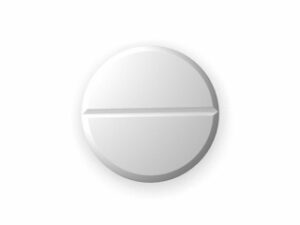
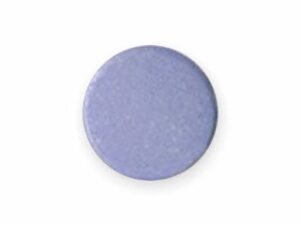
- Common form: Tablets
- Typical dosing: Once daily at first; dose may be adjusted based on blood tests
Basic Product Information
| Feature | Details |
|---|---|
| Brand name | Samsca |
| Generic name | Tolvaptan |
| Medicine type | Aquaretic (V2-receptor antagonist) |
| Available strengths | Typically supplied as 15 mg and/or 30 mg tablets (strengths may vary by supplier/stock) |
| Route | Oral (by mouth) |
| Key monitoring | Blood sodium levels, fluid balance, and liver safety in appropriate patients |
How Samsca Works (Mechanism of Action)
Samsca contains tolvaptan, which blocks the action of vasopressin (also called antidiuretic hormone, ADH) at the V2 receptors in the kidney.
Normally, ADH helps your body retain water. When ADH levels are high, the kidneys reabsorb more water, which can dilute the sodium in your blood.
- By blocking V2 receptors, tolvaptan reduces water reabsorption.
- This leads to excretion of “free water” (water without sodium and other salts).
- As free water is removed, the concentration of sodium in the blood rises (improves hyponatraemia).
This is why Samsca is sometimes described as an aquaretic: it affects water balance more than salt balance.
Pharmacokinetics (What the Body Does to the Medicine)
Understanding how the medicine behaves in the body can help explain why monitoring matters.
- Absorption: After oral intake, tolvaptan is absorbed from the gastrointestinal tract.
- Onset of effect: It can begin to influence urine output fairly soon after dosing, with sodium changes typically monitored over the first days.
- Distribution: Tolvaptan is distributed throughout the body and binds substantially to proteins.
- Metabolism: It is primarily metabolised in the liver (involves drug-metabolising enzymes).
- Elimination: Metabolites and drug-related products leave the body mainly via the bile/feces and to a lesser extent via urine.
Why this matters: Because tolvaptan is processed by the liver and acts on kidney water handling, certain liver or kidney conditions may change how it should be used, or require extra monitoring.
What Samsca Is Used For (Indications)
Samsca is used for the treatment of clinically significant euvolaemic or hypervolaemic hyponatraemia—that is, low sodium levels where the body’s total fluid volume is normal or increased.
It is considered particularly when hyponatraemia is symptomatic or when other measures have not worked sufficiently.
Common clinical contexts include:
- Syndrome of inappropriate antidiuretic hormone secretion (SIADH) in selected cases
- Hyponatraemia associated with certain patients with heart failure (e.g., when low sodium persists)
- Hyponatraemia with fluid overload conditions, as assessed by clinicians
Note: The exact suitability of Samsca depends on your diagnosis, your sodium level, your symptoms, and your overall fluid and electrolyte status.
Typical Dosing (General Information)
Only your healthcare professional can determine the correct dose for you. In practice, dosing is usually guided by blood tests of sodium and overall clinical status.
Typical starting approach (common pattern):
- Initial dose: Often started at a lower dose once daily.
- Titration: The dose may be increased if sodium response is inadequate and safety checks allow.
- Maximum dose: There are dose limits set by the medicine’s product information.
- Duration: Usually for the period needed to correct sodium safely, with review of ongoing need.
How to take Samsca:
- Take the tablet(s) by mouth with water.
- Follow your monitoring plan for blood tests—especially early after starting.
- If you miss a dose, do not take an extra dose unless your prescriber tells you to. Ask your healthcare team for advice.
Safety note about sodium correction: Too rapid correction of sodium can be dangerous. This is why frequent monitoring is central to safe use.
Timing: When to Take It
Samsca is generally taken once daily. Many patients are advised to take it at a time that fits monitoring and daily routines, often in the morning to align with fluid and urine changes during waking hours.
- Take it at about the same time each day.
- Be prepared for increased urination after starting or when dose is adjusted.
- If you are told to follow a fluid plan, do so consistently.
Food Interactions (Including What to Eat/Drink)
Tolvaptan’s effect can be influenced by fluid and food intake, especially the balance of water.
- Food: Take tablets as directed. In many cases, administration with or without food may be possible, but your prescriber or pharmacist may recommend a specific approach for you.
- Hydration: Because the medicine increases free-water excretion, your healthcare team may adjust your fluid intake to prevent dehydration and to control sodium correction.
- Grapefruit and certain juices: Some medicines have interactions with grapefruit products due to enzyme effects. If you are unsure, avoid grapefruit and ask your pharmacist.
Practical takeaway: Keep your drinks and meal patterns consistent unless your healthcare team tells you otherwise.
Alcohol and Other Medicine Interactions
Alcohol
Alcohol can affect hydration status and may also influence how you feel (dizziness, tiredness). Because Samsca changes fluid balance, it’s often safest to:
- Avoid alcohol or keep it to small amounts unless your healthcare professional approves.
- Be cautious if you feel dehydrated or unwell.
- If alcohol causes vomiting or reduced intake, inform your healthcare team—this can affect electrolytes.
Drug Interactions
Tell your doctor or pharmacist about all medicines you use, including over-the-counter products and herbal supplements.
Some medicines may affect tolvaptan levels or influence sodium/fluid balance, for example:
- Strong enzyme inhibitors/inducers (medicines that alter liver enzymes can change tolvaptan exposure)
- Diuretics (especially other water or loop diuretics) that also affect urine output and electrolytes
- Medicines affecting electrolyte balance such as those used in heart failure or conditions affecting the kidney
- Hypertonic saline or other hyponatraemia treatments used alongside Samsca require careful coordination
Always check before starting new products, including cold/flu remedies that might include diuretics, sedatives, or substances that affect fluid intake.
Indications and Clinical Use: What to Expect
Samsca is not generally used for mild, temporary, or asymptomatic low sodium levels. It is typically reserved for clinically significant cases where a controlled rise in sodium is needed.
Your care team may consider Samsca when:
- Hyponatraemia has persisted despite initial measures
- There are symptoms related to low sodium
- Fluid restriction alone is insufficient or not feasible
- There is a need to manage specific types of hyponatraemia (euvolaemic/hypervolaemic)
Monitoring is essential: After starting, you may need blood tests more frequently to ensure sodium corrects safely and dehydration does not occur.
Practical Use Tips (Patient-Friendly)
- Plan for frequent urination: Especially during the first days. Keep toilets accessible and consider timing your activities.
- Follow your fluid plan carefully: Your clinician may prescribe a fluid restriction or a tailored drinking strategy. Do not change it without advice.
- Check for dehydration: Watch for dry mouth, excessive thirst, dizziness when standing, or reduced urine output later in the course.
- Keep appointments for blood tests: Sodium control is central to safe therapy.
- Know warning symptoms: Seek urgent advice if you develop severe headache, confusion, worsening drowsiness, seizures, or severe weakness.
- Record symptoms and intake: If you can, track how much you drink and how you feel, then share with your healthcare team.
- Use consistent daily routines: Large changes in drinking patterns can affect sodium correction.
Safety Profile
Like all medicines, Samsca can cause side effects. Not everyone will experience them. Some reactions are related to its effect on water balance and sodium levels.
Commonly reported effects
- Increased urination (expected)
- Thirst
- Dry mouth
- Dizziness or light-headedness
- Headache
Potential serious risks
- Overcorrection of sodium: If sodium rises too quickly, it can lead to serious neurological complications. This is why monitoring is so important.
- Dehydration: Too much free-water loss can reduce circulating volume. Follow fluid guidance and report symptoms.
- Liver safety concerns: Tolvaptan has been associated with liver enzyme elevations in some patients. Your healthcare team may consider liver blood tests and will advise on suitability and duration.
- Urine concentration changes: Some people may experience changes in thirst and hydration needs.
When to seek urgent help
Contact emergency services or your local urgent care if you have:
- New or worsening confusion, severe drowsiness, fainting, or seizures
- Severe dehydration signs (e.g., inability to keep fluids down, marked dizziness, very little urine)
- Yellowing of the skin/eyes, dark urine, or severe persistent upper abdominal pain (possible liver-related symptoms)
Contraindications and When Extra Caution Is Needed
There are situations where Samsca may not be suitable, or may require enhanced monitoring. Your clinician will evaluate your individual risk factors.
Extra caution is generally needed in people with:
- Significant liver impairment
- Very low sodium levels with high risk of rapid correction or complications
- Conditions that affect fluid balance, such as severe dehydration or uncontrolled fluid losses
- Situations where increased urination could cause complications
Always inform your healthcare team of your medical history, recent symptoms, and relevant lab results.
Alternative Options
Treatment for hyponatraemia depends on the cause (e.g., SIADH, heart failure, medication effects, adrenal or thyroid issues). Alternatives may include:
Non-medicine measures
- Fluid restriction (often first-line for certain causes)
- Treating the underlying cause (for example, reviewing medicines that can cause hyponatraemia)
- Managing contributing conditions such as heart failure or hormonal deficiencies
Other medicines
- Hypertonic saline for severe symptomatic cases under close supervision
- Other treatments used in SIADH (choice depends on local guidance and patient factors)
- Urea in some cases (used to help increase solute excretion)
Your clinician will choose the most appropriate option based on symptoms, sodium level, cause of hyponatraemia, and your overall health.
UK Market/Legal Context and Availability
In the UK, medicines are supplied under the Medicines and Healthcare products Regulatory Agency (MHRA) regulatory framework and with instructions aligned to official product information. Samsca is used in accordance with clinical guidance and licensed indications.
Availability can vary over time due to supply and prescribing practices. If Samsca is temporarily unavailable from one supplier, pharmacies may source from alternative channels where appropriate and permitted.
Note on availability on online pharmacy listings: Stock levels may change. If you need a reliable supply for monitored therapy, consider discussing delivery timing with your pharmacy.
Recent Guidance and Clinical Monitoring Considerations
Hyponatraemia management is a well-recognised area of clinical safety. Across many healthcare systems, key principles remain consistent:
- Identify the cause of hyponatraemia where possible
- Correct sodium safely, avoiding overly rapid rises
- Monitor sodium frequently during initiation or dose changes
- Review concurrent medicines that may worsen hyponatraemia
- Assess liver safety where relevant, given tolvaptan’s liver risk profile
Your healthcare professional may follow local hospital protocols and national best practice when deciding on initiation, monitoring frequency, and duration.
Delivery and Availability (Online Pharmacy)
When purchasing medicines online, delivery depends on:
- Your location within the UK
- Daily cut-off times for dispatch
- Whether the pharmacy currently has stock
- Special ordering needs (if not routinely held)
What to consider:
- Ensure someone can receive delivery if required by your pharmacy.
- Check packaging and expiry details on arrival.
- Use the medicine as instructed and do not store in hot conditions or direct sunlight.
If you need ongoing therapy with regular blood tests, plan ahead for delivery timing so you don’t miss doses.
FAQ: Common Questions About Samsca (Tolvaptan)
1) What is Samsca used for?
Samsca (tolvaptan) is used to treat certain clinically significant cases of hyponatraemia, especially euvolaemic or hypervolaemic hyponatraemia, under medical supervision.
2) How quickly does it work?
It begins influencing urine output and water balance soon after dosing. Sodium levels are typically monitored closely, particularly in the first days, to confirm the response and ensure sodium does not rise too quickly.
3) Will I pee more?
Yes. Increased urination is expected because tolvaptan increases free-water excretion. Plan your day accordingly, especially after starting or changing dose.
4) Should I drink more water?
Follow your clinician’s specific instructions. Because the medicine increases free-water loss, your healthcare team may tailor fluid guidance to prevent dehydration and unsafe sodium correction. Don’t change your intake dramatically without advice.
5) Can I drink alcohol while taking Samsca?
It’s often best to avoid or limit alcohol, as it can affect hydration and overall wellbeing. Ask your healthcare professional if you have specific questions based on your medical condition and medicines.
6) Are there food interactions?
Follow the dosing instructions given to you. Keep your fluid and drink habits consistent. If you plan to use grapefruit or grapefruit juice, or if your diet changes significantly, ask your pharmacist for advice.
7) What side effects should I watch for?
Common effects include increased urination, thirst, and dizziness. Seek urgent help if you experience confusion, severe drowsiness, seizures, signs of dehydration, or symptoms that could suggest liver problems (such as yellowing skin/eyes).
8) Will Samsca cure the cause of hyponatraemia?
Samsca helps correct the sodium level by adjusting water handling. However, treating the underlying cause of hyponatraemia is also important. Your doctor may investigate and manage contributing conditions (e.g., SIADH, heart failure, medication effects).
9) How long will I need to take it?
Duration varies depending on your sodium response, underlying condition, and safety monitoring. Your clinician will review your blood tests and overall clinical status.
10) What happens if I miss a dose?
If you miss a dose, do not double up unless advised by your healthcare professional. Contact your pharmacy or care team for guidance.
Summary
Samsca (tolvaptan) is a V2-receptor antagonist that helps treat certain significant cases of hyponatraemia by increasing the excretion of free water. Because safe sodium correction depends on careful monitoring, the most important practical points are to follow your fluid plan, attend blood test appointments, and watch for dehydration or neurological warning signs.
If you would like, you can also share your specific questions (for example, about timing, fluid restriction, or other medicines you take) so your healthcare team can tailor advice to you.