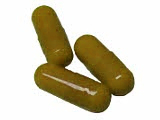
Amalaki (Ayurvedic Herbal Medicine) – UK Product Information
Amalaki is a traditional herbal product made from Phyllanthus emblica (also known as Indian gooseberry). In Ayurveda, Amalaki has a long history of use for general wellness, including support for digestion, antioxidant protection, and immune system balance. In the UK, Amalaki is commonly available as capsules, tablets, powders, or extracts depending on the brand.
This page explains what Amalaki is, how it may work in the body, typical uses, dosing guidance, safety considerations, and practical tips for getting the best out of your product. Always check your specific label and talk to a healthcare professional if you have questions, especially if you are pregnant, breastfeeding, managing a long-term condition, or taking other medicines.
Basic Product Information
| Category | Details |
|---|---|
| Common name | Amalaki / Indian gooseberry |
| Source herb | Phyllanthus emblica |
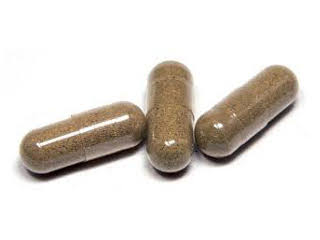
| Typical forms | Capsules, tablets, powder, extracts, sometimes combination formulas |
| Key traditional uses | Antioxidant support, digestion comfort, immune balance |
| Who it may suit | Adults seeking general herbal wellness support (depending on product and personal circumstances) |
| Availability (UK) | Often available via online retailers; may be classed as a food supplement or herbal medicine depending on product registration/claims |
Important: The exact ingredient strength and recommended dose can vary significantly between brands and product types (powder vs extract). Always follow the directions on your specific label.
How Amalaki May Work (Mechanism of Action)
Amalaki contains naturally occurring compounds, most notably vitamin C and polyphenols (including tannins and flavonoids). While traditional use is broad, modern understanding focuses on a few key potential actions:
- Antioxidant activity: Polyphenols and vitamin C may help neutralise free radicals, which are involved in oxidative stress. Oxidative stress is associated with ageing and general tissue wear over time.
- Support for healthy digestion: Many traditional formulations emphasise digestive comfort. The fruit’s naturally occurring tannins and polyphenol content may influence the way the digestive system responds to meals in some people.
- Immune system balance (indirect support): Antioxidant nutrients and immune-relevant pathways may contribute to normal immune function. This is not the same as treating an infection.
- Potential metabolic support: Some studies on Amalaki extracts suggest possible effects on lipid and glucose metabolism markers. Results can be variable and depend on extract type and dose.
Note: For herbal products, evidence can be mixed across formulations. The effect you feel may depend on the standardisation of the extract and your baseline health.
Pharmacokinetics (What Happens After You Take It)
“Pharmacokinetics” describes how the body absorbs, distributes, metabolises, and excretes a substance. For Amalaki, detailed PK data are limited and vary by product form. In general:
- Absorption: Polyphenols and vitamin C can be absorbed to varying degrees in the gastrointestinal tract. Absorption may be improved when taken with food, depending on the product formulation.
- Metabolism: Many polyphenols are metabolised in the gut and liver into smaller compounds that may circulate in the body and act at cellular levels.
- Bioavailability variability: Bioavailability can differ widely between powders, whole fruit extracts, and standardised extracts due to differences in the concentration of active constituents and how they’re processed.
- Elimination: Metabolites are eventually cleared mainly through normal excretion routes (including urine and bile).
Because formulations vary, you should use the dosing and timing information from your product label and consider any interactions (see later sections).
Typical Use in the UK
In the UK, Amalaki is most commonly used as a general wellness supplement. Depending on the brand and product format, it may be marketed for:
- Antioxidant support as part of a healthy lifestyle
- Digestive comfort and everyday gastrointestinal well-being
- Supporting normal immune function (without treating disease)
- General nutritional support, particularly where vitamin C-containing extracts are used
Indications note: Many UK products are regulated as food supplements and therefore cannot legally claim to prevent, treat, or cure disease. Where products are regulated differently (e.g., as herbal medicines), claims must match the approved category. Always check your product’s label for the exact permitted wording.
Indications & What Amalaki Can (and Can’t) Do
Amalaki is traditionally used to support wellness, and some individuals use it to complement lifestyle approaches such as balanced diet, hydration, and adequate sleep. However, it’s not a substitute for medical evaluation or treatment where needed.
- May support: antioxidant status, digestive comfort, normal immune function (in line with permitted supplement/medicine claims).
- Not intended to: cure infections, treat chronic disease, or replace prescribed therapy for conditions such as diabetes, autoimmune disorders, or immune suppression.
- Seek professional advice: if you have persistent symptoms (e.g., ongoing digestive pain, blood in stool, unexplained weight loss, recurrent infections), or if you’re considering use alongside other active treatments.
Dosing: How Much to Take
Dose depends on the product type and strength. Common approaches include:
- Capsules/tablets: typically taken once or twice daily, often with water, following the label.
- Powder: mixed with water, juice, or taken as directed by the manufacturer (some prefer taking with food for comfort).
- Extracts: usually standardised; dosing is typically lower in volume but higher in potency, again according to label directions.
General guidance:
- Start at the lowest effective label dose for the first few days if you have a sensitive stomach.
- Many people take it as a daily routine rather than as a one-off remedy.
- If you are taking multiple supplements, avoid doubling up on similar ingredients (e.g., vitamin C or polyphenol blends).
Do not exceed the maximum amount stated on the product label.
Timing: Best Time to Take Amalaki
Timing can affect comfort and how you stick to the routine. There isn’t a single universal “best time” because products differ, but these patterns are common:
- With or after meals: Often preferred if Amalaki causes mild stomach sensitivity or if you’re aiming for digestive comfort.
- Morning: Some choose morning to fit daily routines and support antioxidant intake earlier in the day.
- Evening: Others take it in the evening—especially if it feels gentler when paired with dinner.
- Split dosing: If the label recommends twice daily, taking one dose with breakfast and one with dinner can reduce gastrointestinal discomfort.
Practical suggestion: Keep your timing consistent for 2–4 weeks to better judge how your body responds.
Food Interactions
Amalaki is generally well-tolerated, but food can influence how you absorb and tolerate it.
- With food: Many users find Amalaki more comfortable when taken with meals. The tannin and polyphenol content may be better tolerated with food for some people.
- Grapefruit and citrus extremes: While grapefruit is a common concern for many medicines, it is not specifically a known universal issue for Amalaki. Still, if your product contains strong extract blends, it’s wise to avoid unusual “extreme” combinations and monitor how you feel.
- High-tannin meals: If you eat large amounts of very tannin-rich foods (e.g., large quantities of black tea), you may find your digestion feels different. This is individual.
Dietary balance matters: If you’re using Amalaki for digestive comfort, aim for overall gut-friendly habits (regular meals, adequate fibre, hydration).
Alcohol and Medicine Interactions
Alcohol
There is no universal rule that Amalaki must be avoided with alcohol. However:
- Digestive comfort: Alcohol can irritate the stomach lining in some people. If Amalaki is being used for digestion, take note of any increase in acidity or stomach discomfort after drinking.
- Hydration and routine: Alcohol can affect hydration and sleep, which indirectly affect how supplements feel.
Best practice: If you drink alcohol, consider taking Amalaki on non-drinking days during the first couple of weeks to judge tolerance.
Interactions with medicines
Herbal supplements can interact with prescription medicines through absorption, metabolism, or effects on the digestive system. For Amalaki specifically, robust interaction data are limited, and the risk depends on the product strength and your other treatments.
Extra caution is recommended if you take:
- Blood glucose medicines (e.g., for diabetes): some evidence suggests possible metabolic effects; monitor blood sugar changes.
- Blood thinning medicines (anticoagulants/antiplatelets): polyphenols and plant compounds can sometimes affect platelet function or metabolism, though the clinical significance for Amalaki varies by product.
- Immunosuppressant or immune-modulating medicines: supplements affecting immune balance should be discussed with a healthcare professional.
- Medicines that depend on specific stomach pH or absorption: if you have reflux, gastritis, or take medicines affecting stomach acid, choose timing carefully.
Tell your clinician/pharmacist about all supplements you use, particularly if you are on long-term medication or have a medical condition.
Safety Profile
Amalaki is widely used as a traditional wellness herb, and most people tolerate it well when taken at label doses. However, safety depends on the product and your individual health.
Common possible side effects
- Mild gastrointestinal symptoms: bloating, nausea, loose stools, or stomach discomfort (more likely if you take it on an empty stomach or if the dose is high).
- Headache or restlessness: reported occasionally; usually resolves with dose adjustment.
Who should be extra careful
- Pregnancy and breastfeeding: discuss with a qualified professional before use, as safety data for specific extracts during pregnancy/lactation are limited.
- Children: only use if the product is explicitly designed for children and label instructions are followed.
- People with digestive disorders: if you have ulcer disease, severe reflux, or inflammatory bowel conditions, consider medical advice.
- Allergy: stop use if you experience itching, swelling, wheezing, or rash.
- Kidney or liver conditions: seek professional advice before starting.
When to stop and seek advice
- Severe or persistent stomach pain
- Blood in stool, black/tarry stools, or vomiting blood
- Signs of allergy (swelling of face/lips, difficulty breathing, widespread rash)
- Worsening symptoms or no improvement over a reasonable trial period
Stop immediately and seek urgent medical help if you develop symptoms of a serious allergic reaction.
Practical Use Tips (How to Get the Best Results)
- Choose a reliable product: Prefer brands that provide clear standardisation (for extracts) and full ingredient lists.
- Start low, go slow: Begin with the label’s recommended starting dose (or a lower dose if you are sensitive), then adjust after 7–14 days if needed.
- Stay consistent: Use daily if your goal is wellness support. Many effects are gradual.
- Hydration helps digestion: If you take powder forms, mix thoroughly and drink enough water.
- Keep a simple log: Note any changes in digestion, energy, or tolerance. This helps you decide whether to continue.
- Avoid “stacking” similar actives: If you already take vitamin C or polyphenol-rich supplements, you may exceed comfortable intake levels.
How long to try: Many people trial supplements for 2–4 weeks to assess tolerance and perceived benefits, then continue long-term only if it suits you.
Alternative Options
If you’re considering Amalaki but want to explore other options, alternatives depend on your main goal (antioxidants, digestion, or immune support):
For antioxidant support
- Vitamin C (natural or buffered): Useful if your primary interest is vitamin C intake.
- Other polyphenol sources: Such as green tea extract, grape seed, or curcumin-containing products (each with its own considerations).
- Multivitamin/mineral blends: Consider if diet is inconsistent, but avoid duplicating vitamin C.
For digestion comfort
- Probiotics: May support gut balance depending on strain and dose.
- Ginger supplements: Often used for nausea and digestive comfort.
- Peppermint oil (where appropriate): Some people find it helps with gut spasms.
For immune wellness
- Vitamin D: Particularly relevant for those with low sun exposure (best guided by clinician advice).
- Zinc: Commonly used during seasonal periods, but avoid excessive intake.
- Elderberry products: Popular for seasonal wellness; product quality and evidence can vary.
Tip: If you choose an alternative, consider the most similar active component to avoid overlapping effects and potential side effects.
Market and Legal Context for the UK
In the United Kingdom, herbal and natural products may fall under different regulatory frameworks. Many Amalaki products are sold as food supplements, which are regulated to ensure they meet food safety and labelling requirements, including permitted health/nutrition claims. Some products may be regulated as herbal medicinal products if they meet specific criteria and have appropriate authorisation.
- Labelling: Products should clearly state ingredients, recommended daily amount, and safety-related information.
- Claims: Food supplements cannot make claims to prevent, treat, or cure disease. Any permitted claims must be authorised and worded appropriately.
- Quality: Reputable brands typically follow good manufacturing practice and provide transparent sourcing.
Recent guidance (general UK focus): UK regulators and professional bodies continue to emphasise consumer safety, truthful labelling, and clear communication about what supplements can and cannot do. Always check that your product description matches the permitted use and follow the label dose.
Delivery and Availability in the UK
Amalaki products are widely available online in the UK in various formats. At checkout, availability depends on the specific brand, batch, and form (capsule, powder, extract). Typical delivery options may include:
- Standard delivery: often 2–5 working days (varies by retailer and region)
- Express delivery: sometimes next-day or 1–2 working days where offered
- Packaging: usually protective to prevent moisture damage, particularly for powders
Storage: Keep capsules/tablets in a cool, dry place away from sunlight. Powders should be tightly sealed to reduce moisture exposure. Always check the best-before date on the label.
FAQ About Amalaki
1) What is Amalaki made from?
Amalaki is made from Phyllanthus emblica (Indian gooseberry). Products may use whole fruit powder, dried fruit, or standardised extracts.
2) How quickly will I feel any effects?
It varies. Some people notice changes in digestive comfort within days, while antioxidant or immune-support goals typically take longer. A trial of 2–4 weeks is common to assess tolerance and routine fit.
3) Can I take Amalaki every day?
Many people use it as a daily wellness supplement, but only if it suits you and you follow the label dose. If you develop side effects, reduce the dose or stop and seek advice.
4) Should I take it with food?
For many users, taking Amalaki with or after meals improves comfort. If your stomach feels sensitive, start with meal timing and consider split dosing if the label allows.
5) Is Amalaki safe with other supplements?
Often it is, but be careful about duplication—especially vitamin C and polyphenol blends. If you’re taking many supplements, consider discussing with a pharmacist.
6) Can I drink alcohol while taking Amalaki?
There is no universal prohibition, but alcohol can affect digestion and may worsen any stomach irritation. Use caution and monitor how you feel.
7) Does Amalaki interact with medicines?
Possible interactions can’t be ruled out because herbal products contain multiple compounds and formulations vary. Extra caution is recommended if you take diabetes medicines, blood thinners, immune-modulating medicines, or medications affected by stomach absorption. Speak to a healthcare professional if you’re unsure.
8) Who should avoid Amalaki?
Pregnant or breastfeeding people, children, and those with significant medical conditions should seek personalised advice before use. Stop and seek medical help for allergic reactions or severe symptoms.
9) Which form is best: powder, capsules, or extract?
“Best” depends on your preference, tolerance, and dosing accuracy. Extracts can be more standardised, while powder may be closer to traditional usage. Choose based on clarity of dosing and quality of the product.
10) What if I miss a dose?
Take it when you remember unless it’s close to the next dose. Do not take a double dose to make up for a missed one.
Disclaimer: This information is for general guidance and does not replace advice from a healthcare professional. If you have a medical condition, are taking regular medication, or are unsure about suitability, consult a pharmacist or clinician before use.