Spironolactone (UK) – Patient-Friendly Guide
Spironolactone is a prescription medicine widely used in the UK to treat conditions where the body is retaining too much salt and water, or where hormones such as aldosterone and androgens are playing a role. It belongs to a group of medicines called potassium-sparing diuretics.
This guide explains what spironolactone does, how it works in the body, what it is used for, how it is usually taken, key safety points (especially regarding potassium), important interactions, and practical tips for daily use. It also includes information relevant to the UK market and patient FAQs.
Basic product information
- Medicine name: Spironolactone
- Class: Potassium-sparing diuretic; aldosterone antagonist; anti-androgen
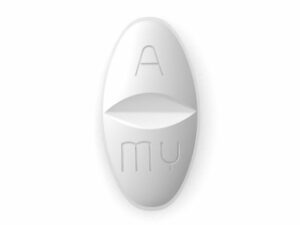
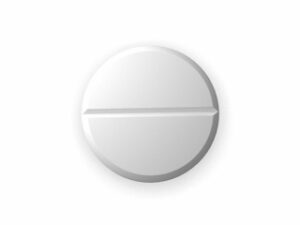
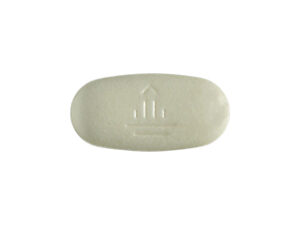
- Common forms: Tablets (strengths vary by product)
- Also used for: Certain hormone-related skin conditions (under medical supervision)
- Who may use it: Adults for heart/kidney-related fluid management, and selected hormonal indications
In the UK, spironolactone is available as different branded and generic products. Your pharmacist can confirm the exact strength and brand you are supplied.
How spironolactone works (mechanism of action)
Spironolactone works mainly by blocking the effects of aldosterone, a hormone that helps regulate salt and water balance. Aldosterone acts in the kidneys to increase the excretion of potassium and the retention of sodium and water.
- Aldosterone blockade: Spironolactone reduces sodium and water retention, helping relieve fluid build-up.
- Potassium-sparing effect: Because it blocks aldosterone, it tends to reduce potassium loss, which can raise blood potassium levels.
- Anti-androgen effects: In some tissues, spironolactone can reduce the action of androgens (male-type hormones). This is why it may help with certain hormone-related skin problems.
Pharmacokinetics: what happens in the body
“Pharmacokinetics” describes how the medicine is absorbed, distributed, broken down, and eliminated. Spironolactone is metabolised in the liver and has active metabolites that contribute to its overall effect.
- Absorption: Taken by mouth; absorption can be affected by individual factors and the specific product.
- Metabolism: Metabolised in the liver to active forms (including canrenone).
- Onset: Diuretic effects typically develop within hours, but full benefits may take several days.
- Duration: Ongoing effects may continue beyond the immediate dose due to active metabolites.
- Elimination: Excreted mainly via urine, with metabolism contributing to clearance.
Your clinician may monitor kidney function and electrolytes (especially potassium) during treatment, particularly when starting or adjusting the dose.
Typical uses in the UK
Spironolactone is used for several indications. The exact reason you are taking it will depend on your medical history and blood test results.
Common medical indications
- Heart failure: Especially in certain types of heart failure, to help reduce fluid overload and support treatment of cardiac function.
- Oedema (fluid retention): Where fluid build-up is linked to hormonal mechanisms affecting salt balance.
- Hypertension (high blood pressure): In selected patients, sometimes in combination with other medicines.
- Conditions involving excess aldosterone: Under specialist care, for example in specific diagnostic or treatment pathways.
- Hormonally driven acne or excess oiliness (where appropriate): In some patients, it may be used for moderate acne linked to androgen activity.
For hormone-related skin conditions, prescribers typically consider the individual’s overall health, other medications, and appropriate safety monitoring.
When to take spironolactone (timing and routine)
Many people take spironolactone or depending on the prescribed regimen. The best timing is individual—your prescriber’s instructions and your pharmacist’s advice should always take priority.
Practical timing tips
- Morning is often preferred: Because it can increase urination for some people, taking it earlier in the day may reduce disruption at night.
- Consistency helps: Try to take it around the same time each day.
- If you split the dose: Separate doses evenly (for example morning and evening) as advised.
- Do not double up: If you miss a dose, follow the “missed dose” advice provided by your healthcare professional or the leaflet for your product.
Food and interactions with meals
Spironolactone may be taken with or without food in many cases. Some patients find it easier on the stomach when taken with food. If your leaflet advises a specific approach, follow that.
General food considerations
- Normal diet is usually fine: Unless you have been advised to restrict potassium.
- Avoid sudden “high-potassium” changes: Do not dramatically increase potassium-rich foods without medical advice.
- Salt substitutes: Many salt substitutes contain potassium. These can be risky if your potassium is already high. Check labels carefully and ask your pharmacist if unsure.
Alcohol interactions
There is no single universal “must avoid” rule for alcohol with spironolactone, but alcohol can:
- Increase dizziness or light-headedness by affecting blood pressure.
- Dehydrate you, which may affect how you feel and how your kidneys handle fluids—particularly important if you have heart or kidney issues.
- Worsen side effects such as headache, fatigue, or low blood pressure (especially at higher alcohol intake).
If you plan to drink alcohol, consider starting with smaller amounts and monitor how you feel. If you experience dizziness, faintness, or palpitations, avoid further alcohol and contact your healthcare professional.
Medicine interactions: what to watch
Spironolactone can interact with other medicines, particularly those that affect potassium or kidney function, or those that influence blood pressure.
High-priority interaction categories
- Potassium supplements or potassium-containing salt substitutes: May significantly raise potassium levels.
- Other medicines that increase potassium: Examples can include certain kidney-protective drugs such as ACE inhibitors/ARBs and other agents depending on your regimen. Your pharmacist can check your full list.
- NSAIDs (painkillers like ibuprofen, naproxen): Can affect kidney function and fluid balance in some people, potentially increasing risk when combined with diuretics and blood pressure medicines.
- Lithium: Interaction risk; blood levels may rise leading to toxicity. Monitoring may be needed.
- Digoxin: Levels can be influenced by potassium changes; potassium abnormalities may increase the risk of irregular heart rhythms.
- Medicines affecting blood pressure: Using spironolactone with other blood pressure-lowering medicines can increase the risk of low blood pressure, dizziness, or fainting.
- Other diuretics: Combining may change fluid and electrolyte balance; monitoring is important.
Always tell your healthcare professional about all medicines you take, including over-the-counter products, herbal supplements, and vitamins—especially those that mention potassium.
Dosing: how spironolactone is usually prescribed
Dosing varies by indication, age, kidney function, and blood potassium levels. Your exact dose should follow your healthcare professional’s instructions. The information below is a general overview.
General dosing principles
- Start low, adjust carefully: Many regimens begin at a lower dose and may increase based on monitoring.
- Potassium and kidney checks: Blood tests guide whether the dose is safe for you.
- Heart failure and oedema: Dosing is often adjusted gradually according to response and labs.
- Hormone-related acne: Doses used in practice can differ from cardiovascular indications; clinicians consider safety, pregnancy risk, and side effects.
If you have been given a specific schedule (e.g., 25 mg once daily), follow it exactly. Do not change the dose yourself.
Safety profile: side effects and when to seek help
Like all medicines, spironolactone can cause side effects. Many people tolerate it well, but because it can raise potassium and affect fluid balance, monitoring is important—especially in people with kidney problems or those taking interacting medicines.
Common or expected side effects
- Increased urination (more noticeable at the start or after dose changes)
- Dizziness or feeling light-headed, particularly when standing up
- Headache
- Fatigue
- Stomach upset (sometimes nausea)
Important risks (seek urgent advice)
Contact urgent medical services or seek urgent advice if you develop symptoms that may suggest dangerously high potassium (hyperkalaemia) or serious heart rhythm problems, such as:
- Severe muscle weakness or paralysis
- Palpitations, irregular heartbeat, or fainting
- Chest pain or sudden shortness of breath
Hormone-related effects (anti-androgen properties)
- Breast tenderness or enlargement
- Changes in menstrual cycle (if relevant)
- Reduced libido or sexual side effects in some people
If you experience bothersome hormone-related symptoms, discuss them with your healthcare professional rather than stopping suddenly. Sometimes dose adjustments are possible.
Who needs extra caution
- People with kidney impairment or reduced kidney function
- Those with high baseline potassium
- Older adults (higher risk of electrolyte imbalance)
- People taking interacting medicines that affect potassium or kidney function (as described above)
- Pregnancy planning or pregnancy (safety depends on the situation and indication)
Practical use tips (how to take spironolactone safely)
- Attend blood test appointments: If you are monitored for kidney function and potassium, do not miss these checks.
- Know your “potassium risk”: Ask your clinician or pharmacist if you should limit potassium-rich foods or avoid salt substitutes.
- Check your label for potassium content: Some effervescent tablets, sports products, and “low-salt” products contain potassium.
- Stand up slowly: Dizziness is more likely when blood pressure drops. Take your time when getting up.
- Be cautious with dehydration: Hot weather, vomiting, diarrhoea, or poor fluid intake can affect kidney function. Seek advice if you become unwell.
- Track side effects: If you notice new symptoms after starting, keep note and discuss promptly.
Alternative options (depending on your condition)
“Alternative” depends on why you are taking spironolactone—heart failure, fluid retention, blood pressure, or hormone-related acne. Your healthcare professional can recommend the most suitable option for your needs. Possible alternatives may include:
For fluid retention and blood pressure
- Other diuretics: Such as loop diuretics or thiazide-type diuretics (risk profile differs, including potassium effects).
- Blood pressure medicines: ACE inhibitors, ARBs, calcium channel blockers, beta-blockers, depending on the individual.
For hormone-related skin concerns
- Topical acne treatments: Such as retinoids or benzoyl peroxide-based options.
- Antibiotics for acne: Used in selected cases under clinical supervision.
- Other hormonal therapies: Depending on suitability and safety factors.
Never switch medicines without medical advice, particularly because diuretics and hormone-modulating drugs can affect electrolytes and blood pressure.
Market and legal context in the United Kingdom
In the UK, spironolactone is a regulated medicine. It is generally supplied as a prescription medicine, with the exact requirements depending on the product and the patient’s clinical situation.
UK healthcare and pharmacy services follow safety frameworks including medicine labelling, patient counselling, and guidance on monitoring. Pharmacists can provide advice about side effects, interactions, and how to take your medicine correctly.
If you have questions about access, availability, or how your pharmacy will supply it, you can ask your pharmacist or review the patient information leaflet that comes with your product.
Recent guidance and monitoring focus (UK-relevant)
While local clinical practice can vary, current UK practice generally emphasizes:
- Electrolyte monitoring: Regular blood tests for potassium and kidney function, especially after starting or increasing the dose.
- Medication reviews: Checking for interactions with ACE inhibitors/ARBs, NSAIDs, potassium supplements, and other medicines that affect potassium.
- Risk reduction for vulnerable groups: Extra caution in people with chronic kidney disease, the elderly, or those with comorbidities.
- Adherence to patient counselling: Understanding symptoms of high potassium and low blood pressure.
Your prescriber may set a monitoring schedule tailored to your condition and lab results.
Delivery and availability (online pharmacy information)
Availability of spironolactone can vary by strength and brand. In the UK, online pharmacies typically source medicines from regulated supply chains. Delivery options, timeframes, and costs vary by provider.
- Check stock: Your website should display current availability for each strength.
- Delivery times: Often depend on standard vs express services and local logistics.
- Cold chain: Spironolactone tablets do not usually require cold storage.
- Packaging: Medicines are typically supplied in labelled packaging to protect privacy and provide patient information.
If you need delivery by a specific date, contact customer services to confirm the options available.
FAQ
1) How long does spironolactone take to work?
Diuretic (fluid-related) effects can begin within hours, but full benefit may take several days—especially for conditions where fluid balance and hormones need time to settle. For hormone-related skin issues, improvements (if they occur) usually take longer.
2) Will spironolactone make me pee more?
Some people notice increased urination, particularly after starting or when the dose is increased. If this disrupts sleep, taking your dose earlier in the day may help (follow your prescribed schedule).
3) Can I take spironolactone with other blood pressure medicines?
It is common to use spironolactone alongside other blood pressure-lowering therapies. However, the combination can increase the risk of dizziness or low blood pressure and may require monitoring. Always confirm combinations with your pharmacist or prescriber.
4) What foods should I avoid?
You may be advised to avoid or limit potassium-rich salt substitutes (often containing potassium chloride). Whether you need to restrict foods depends on your blood test results. Ask your clinician or pharmacist for personalised advice.
5) Are there symptoms of high potassium I should watch for?
High potassium can sometimes be asymptomatic, but warning signs may include muscle weakness, abnormal heartbeats, or fainting. If you feel unwell with palpitations, severe weakness, or chest symptoms, seek urgent medical advice.
6) Can I drink alcohol while taking spironolactone?
Alcohol may increase dizziness or dehydration in some people. If you choose to drink, keep intake moderate and pay attention to how you feel. If you get light-headedness or feel unwell, avoid further alcohol and speak to a healthcare professional.
7) What if I miss a dose?
The correct approach depends on your dosing schedule and how soon you remember. Check the patient information leaflet or ask your pharmacist. In general, do not take a double dose to make up for a missed tablet.
8) Can I take ibuprofen or other painkillers?
NSAIDs such as ibuprofen may affect kidney function and fluid balance when used with diuretics and blood pressure medicines. Ask your pharmacist about the safest pain relief option for you, especially if you have kidney issues or take other interacting medicines.
9) Who should not take spironolactone or who needs extra monitoring?
People with significant kidney impairment, those with high potassium, and individuals taking interacting medicines often need extra caution and closer monitoring. Your healthcare professional will assess suitability based on your medical history and blood tests.
10) What are the common side effects?
Common effects include increased urination, dizziness, headache, and fatigue. Hormone-related side effects can also occur (for example breast tenderness or menstrual changes). Report bothersome symptoms to your healthcare professional.
Key takeaways
- Spironolactone helps manage fluid retention by blocking aldosterone and is potassium-sparing.
- Monitoring of kidney function and potassium is important, especially after dose changes and in higher-risk patients.
- Be careful with potassium supplements, salt substitutes, NSAIDs, and other interacting medicines.
- Taking it earlier in the day may reduce night-time bathroom trips.
- Seek urgent help if you experience symptoms that could indicate serious rhythm problems or dangerously high potassium.