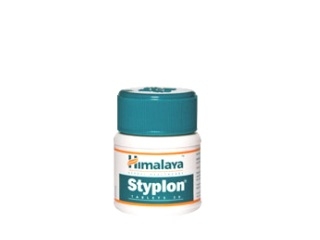


Styplon (Loperamide) – Patient Information Guide (UK)
Styplon is an anti-diarrhoeal medicine used to help control diarrhoea. It contains loperamide, which works by slowing down gut movement so that your bowel can absorb more water and you can pass fewer stools.
This page is designed to be patient-friendly and helpful if you are considering or already using Styplon. It covers what the medicine does, how to take it, safety information, common interactions, and practical tips.
Quick facts about Styplon
- Active ingredient: Loperamide
- What it’s for: Symptomatic relief of acute diarrhoea
- How it works: Slows intestinal transit to reduce stool frequency
- Typical effects: Often begins within hours
- Important note: Do not use to treat diarrhoea caused by infections with fever or blood in the stool without medical advice
What is Styplon?
Styplon is an anti-diarrhoeal medicine. It helps manage diarrhoea by making the bowel move more slowly, allowing the body to absorb water and salts more effectively.
In the UK, loperamide medicines are commonly used for short-term relief of diarrhoea in adults and older children (age limits depend on the specific product strength and formulation).
Mechanism of action
Loperamide acts on the opioid (mu) receptors in the gut wall. By doing so, it:
- reduces intestinal motility (slows movement of the bowel)
- increases transit time, allowing more water and electrolytes to be absorbed
- can decrease stool frequency and improve consistency
Key point: Styplon treats the symptoms (diarrhoea frequency/urgency) but does not remove the underlying cause of diarrhoea (for example, an infection).
Pharmacokinetics (how the body handles it)
Understanding pharmacokinetics can help explain why loperamide mainly acts in the gut.
- Absorption: Loperamide is absorbed from the intestine after oral dosing, but absorption is variable.
- Distribution: It works primarily in the gastrointestinal tract.
- Metabolism: Loperamide is extensively metabolised in the liver.
- Excretion: Mainly excreted via the faeces (and some through the urine).
- Onset of action: Many people notice improvement within a few hours.
Why this matters: Because loperamide is metabolised and exerts its effect in the gut, correct dosing is important. Taking too much can increase the risk of serious side effects.
Typical use of Styplon
Styplon is used for short-term relief of:
- Acute diarrhoea in adults and older children where appropriate
- diarrhoea that needs symptom control while other causes settle
It is also sometimes used in certain situations of chronic diarrhoea under clinical guidance. However, for self-care, the focus is usually on acute diarrhoea.
Essential: If diarrhoea is severe or associated with warning signs (see “When not to use” and “Seek urgent help”), get medical advice promptly.
Indications (what it is used for)
In general terms, loperamide is indicated for:
- Symptomatic control of acute diarrhoea
- Some forms of chronic diarrhoea where appropriate (typically with healthcare supervision)
Exact indications can depend on the product presentation and strength. Always check the leaflet supplied with your specific Styplon pack.
When you may need to avoid Styplon
Do not use Styplon to treat diarrhoea if any of the following apply:
- Blood in the stool or black/tarry stools
- High fever (or feeling very unwell)
- Suspected dysentery (diarrhoea with blood and fever)
- Severe abdominal pain or swollen abdomen
- Suspected antibiotic-associated diarrhoea or diarrhoea after antibiotics (especially if severe)
- Known inflammatory bowel disease flare (unless advised by a clinician)
- Infections where slowing the gut could be harmful
If you are unsure, check with a pharmacist or healthcare professional.
Dosing and timing (general UK self-care guidance)
Dosing depends on the specific Styplon formulation and strength. Always follow the dosing instructions on the pack or patient leaflet. The information below is typical for loperamide products in the UK, but you should treat it as guidance only.
| Group | Typical starting dose | Maximum daily dose | Maximum treatment duration (self-care) |
|---|---|---|---|
| Adults | Usually 4 mg first, then 2 mg after each loose stool | Often up to 16 mg per day (varies by product) | Up to 2 days for acute diarrhoea unless advised |
| Older children | Dose depends on age/weight and product form | Product-specific limits apply | Short-term only; follow pack instructions |
Timing:
- Take doses as directed, ideally after a loose stool.
- Leave sufficient time between doses as instructed on the pack.
- Do not exceed the stated daily maximum.
If diarrhoea does not improve: If symptoms do not improve within 48 hours (or sooner if you worsen), stop using Styplon and seek advice.
How to take Styplon (practical steps)
- Swallow with water if tablets/capsules are used.
- Follow the leaflet for exact dosing intervals.
- Consider hydration first: drink water or oral rehydration solutions, especially if diarrhoea is ongoing.
In many cases, hydration and rehydration salts are more important than medication alone.
Food interactions
Loperamide can generally be taken with or without food. However, diarrhoea and appetite changes are common, so practical considerations apply:
- If you feel nauseated, take it with a small amount of food or after a snack if that suits you.
- Continue to drink fluids regularly.
- If diarrhoea is severe, focus on rehydration first; medication may be secondary.
Absorption note: Food usually does not significantly change the overall effect, but individual absorption can vary. Stick to the instructions in your pack and monitor your response.
Alcohol interactions
In general, avoid drinking alcohol when you have diarrhoea. Alcohol can:
- worsen dehydration
- irritate the gut in some people
- make it harder to judge how ill you are
There is no universal “absolute” rule that a small amount of alcohol will always cause harm with loperamide, but because diarrhoea already increases health risks, the safest choice is to minimise or avoid alcohol while symptoms continue.
Medicine interactions (important)
Some medicines can change how loperamide is metabolised or can add risks when combined—particularly at higher doses.
Talk to a pharmacist before using Styplon if you take:
- Medicines that inhibit CYP3A4 or P-glycoprotein (can increase loperamide levels)
- Other opioids or opioid-like medicines
- Medicines that affect heart rhythm or electrolyte balance
- Electrolyte-altering medicines (e.g., certain diuretics) if you are dehydrated
Why interactions matter: Too much loperamide can rarely affect the nervous system and, at very high levels, may affect heart rhythm. Combining interacting medicines increases the risk.
If you are taking other medicines regularly, it can help to provide your pharmacist with a list so they can check for interactions.
Safety profile
Most people can use loperamide safely for short periods when they have uncomplicated diarrhoea. However, like all medicines, Styplon may cause side effects.
Common side effects
- Constipation or reduced bowel movements
- Wind (bloating or flatulence)
- Abdominal cramps or discomfort
- Nausea
- Dry mouth (in some people)
Serious side effects (seek urgent advice)
Stop taking Styplon and seek urgent medical help if you experience:
- Severe or worsening abdominal pain
- Swollen abdomen or inability to pass stools/gas
- Allergic reaction such as rash, swelling, or breathing difficulty
- Symptoms of dehydration (e.g., dizziness, fainting, very little urine)
- In rare cases after overdose or misuse: unusual drowsiness, confusion, or breathing problems
Overdose risk
Do not exceed the recommended dose. Overdose can lead to serious problems, including effects on the heart and central nervous system. If too much has been taken, contact NHS services or a clinician immediately.
Who should take extra care?
- People with liver disease (loperamide is metabolised in the liver)
- People with ulcerative colitis or Crohn’s disease (only if advised)
- Older adults who may be more vulnerable to dehydration or complications
- Children (age limits apply; follow the specific product instructions strictly)
If you have any chronic medical conditions, it is sensible to ask a pharmacist for tailored guidance.
Guidance on duration of use
For most acute diarrhoea in adults, loperamide is intended for short-term relief—commonly no longer than 48 hours without medical advice.
Continuing beyond this may:
- mask worsening symptoms
- delay diagnosis of the underlying cause
- increase risk of constipation or complications
Practical use tips for best results
- Start early if appropriate: Taking loperamide soon after diarrhoea begins can help control stool frequency.
- Prioritise rehydration: Use oral rehydration salts (ORS) if diarrhoea is significant. Sip regularly, especially if you’re losing fluids.
- Monitor “red flags”: If fever, blood in stool, severe pain, or dehydration appears, stop and seek advice.
- Keep within daily limits: Track doses to avoid accidental overuse.
- Don’t combine with multiple anti-diarrhoeals: Avoid taking other diarrhoea-stopping medicines at the same time unless advised.
Alternative options for diarrhoea relief
Depending on the cause and severity, alternatives may be more appropriate than an anti-motility medicine like loperamide.
Non-medicinal steps
- Oral rehydration salts (ORS): Helps replace water and electrolytes
- Fluids: Water, clear soups, and electrolyte drinks
- Light foods: Simple foods may be easier to tolerate (e.g., toast, rice, bananas)
Other pharmacy options
- Rehydration products (ORS) – often the most important treatment
- Probiotics may help some people with certain diarrhoea types (evidence varies by cause)
- Adsorbents (where available) may reduce stool frequency in some situations
Antibiotics are not routinely needed for most acute diarrhoea and depend on suspected cause. If you have red flags or severe illness, seek medical advice for appropriate testing and treatment.
Market and legal context in the United Kingdom
In the UK, medicines containing loperamide are widely used and are sold in various formulations. Access may be through pharmacy supply or other routes depending on product strength, formulation, and local regulations.
For any loperamide product, the patient leaflet and the UK Medicines and Healthcare products Regulatory Agency (MHRA) product information guide the legal and safety requirements, including:
- approved indications
- contraindications and warnings
- maximum doses
- age-related guidance
Always follow the instructions provided with the specific Styplon pack you purchase.
Recent guidance and public health advice (UK)
UK guidance for diarrhoea consistently emphasises:
- Hydration first—especially for children, older adults, and people with chronic illnesses
- Recognition of red flags such as fever, blood in stool, severe pain, dehydration, or symptoms lasting too long
- Short-term use of anti-diarrhoeal medicines where appropriate
- When to seek assessment—particularly if diarrhoea is severe, persistent, or has concerning features
If your symptoms don’t improve quickly, it’s important not to rely solely on symptom control.
Delivery and availability in the UK
Styplon may be available from online pharmacies across the UK subject to product licensing, stock availability, and local regulations. Availability can vary by:
- formulation (capsules/tablets/liquid)
- strength and pack size
- age restrictions and supply rules
Typical delivery expectations:
- Most online pharmacies offer standard and express options.
- Delivery time depends on location and courier services.
- Some medicines may require identity or eligibility checks at checkout.
Once you order, you should receive order confirmation and tracking information if available.
FAQ about Styplon (Loperamide)
1) How quickly does Styplon work?
Many people notice improvement within a few hours after taking loperamide. If you do not see any improvement within about 48 hours for acute diarrhoea, stop and seek advice.
2) Can I take Styplon if I have diarrhoea with fever or blood?
No. Diarrhoea with blood and/or fever can indicate dysentery or a serious infection. Using loperamide to slow the gut may be inappropriate. Seek urgent advice.
3) Should I keep drinking fluids?
Yes. Hydration is one of the most important steps. Consider oral rehydration salts if stools are frequent or you feel weak.
4) Can I take Styplon with food?
Generally, yes. You can take it with or without food. If food helps you tolerate the medicine better, it can be taken after a light snack.
5) Is it safe to drink alcohol while using Styplon?
It’s safest to avoid or limit alcohol during diarrhoea. Alcohol can worsen dehydration and may irritate the digestive system.
6) What if I accidentally take more than the recommended dose?
Do not exceed the daily maximum. If you believe you have taken too much, contact urgent medical help or NHS advice promptly.
7) Can I use Styplon for children?
Some loperamide products are suitable only for older children, depending on the product and dosing instructions. Always follow the age and dose guidance on the pack and ask a pharmacist if unsure.
8) Can I take Styplon if I’m pregnant or breastfeeding?
If you are pregnant, trying to conceive, or breastfeeding, check with a pharmacist or clinician before use. They can weigh benefits and risks for your specific situation.
9) What are signs I should stop and get medical help?
Stop and seek help urgently if you develop: severe/worsening abdominal pain, swollen abdomen, blood in stool, high fever, dehydration, or symptoms that do not improve within the expected time.
10) What can I do if Styplon causes constipation?
Constipation can happen because loperamide slows gut movement. Reduce further dosing and focus on hydration and fibre as tolerated. If constipation becomes severe or you have abdominal pain or distension, seek advice.
References and additional help
If you have questions about whether Styplon is appropriate for you, a UK pharmacist can help. For urgent health concerns, consider contacting NHS services or seeking in-person medical care.
Always read the patient leaflet supplied with your Styplon pack for complete information on dosing, contraindications, and side effects.