Trazodone Hydrochloride (Trazodone) — Patient Information (UK)
Trazodone hydrochloride is a medicine used mainly for mood and sleep-related conditions. It works in the brain to improve symptoms such as depressed mood and to help restore more normal sleep patterns. This page is designed to be patient-friendly and to explain how trazodone works, how it is typically used, what to expect, and what to watch for.
Basic product information
| Item | Details |
|---|---|
| Generic name | Trazodone hydrochloride |
| Common brand examples | May vary by manufacturer (check your packaging/label) |
| Medicine type | Antidepressant with sedating properties at lower doses |
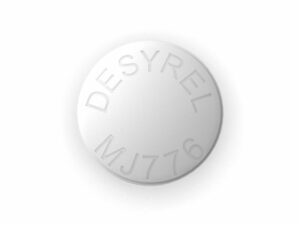
| How it is taken | Tablets (formulation and dosing frequency may vary) |
| Availability in the UK | Availability can vary by strength/formulation and local supply |
How trazodone works (mechanism of action)
Trazodone is often described as a serotonin modulator. Unlike some antidepressants that strongly block serotonin reuptake transporters, trazodone primarily acts by affecting serotonin receptors and related pathways in the brain.
- Serotonin (5-HT) receptor activity: Trazodone acts as an antagonist at certain serotonin receptors (notably 5-HT2) and as a serotonin reuptake inhibitor to a lesser extent.
- Antidepressant and calming effects: The receptor profile contributes to improvements in mood and anxiety symptoms for some people.
- Sedating effects: Many people notice that trazodone can feel calming or “sleep-inducing,” especially when taken at night or at lower doses.
Individual responses vary. Some people may feel sleep benefits sooner, while mood improvements can take longer to develop.
Pharmacokinetics (how the body processes it)
“Pharmacokinetics” describes what happens to a medicine after you take it—how it is absorbed, distributed, metabolised, and eliminated.
- Absorption: Trazodone is absorbed after oral administration. The speed and extent of absorption can depend on the formulation and whether it is taken with food.
- Metabolism: Trazodone is metabolised mainly in the liver by enzymes including CYP3A4. This is important for drug–drug interactions.
- Half-life: The medicine is cleared over time; residual effects can persist, which is one reason daytime drowsiness can occur in some people.
- Elimination: Metabolites are removed mainly via the kidneys.
If you have liver or kidney problems, your prescriber/pharmacist may adjust your approach and monitor you more closely.
Typical uses in the UK
Trazodone is used for conditions where symptoms overlap between mood and sleep, such as:
- Depression (particularly when sleep disturbance is also present, depending on local practice and patient needs)
- Insomnia related to mood symptoms (where a calming/soothing effect is desirable)
- Other off-label uses may be considered by clinicians in selected circumstances, depending on evidence and individual factors. Your healthcare professional will guide you on suitability.
Guidance and approved indications can differ by country and formulation. Always follow the information provided with your specific product and the advice of your healthcare team.
When to take trazodone (timing)
Trazodone is commonly taken in the evening or just before bedtime to make use of its calming effects. Your exact timing and dose should match the plan given to you.
- Start low / go slow (common practice): Many people begin with a lower dose to reduce side effects like drowsiness.
- Consistency matters: Taking your dose at the same time each day can help you notice predictable effects on sleep and mood.
- If you feel too sleepy: Consider taking it earlier in the evening (only if your clinician advises it) or discuss dose adjustment.
If you miss a dose, do not take extra to “catch up.” Instead, follow the advice on your medicine label or speak to a pharmacist for guidance.
Food interactions and what to expect
Food can influence how quickly a medicine is absorbed. With trazodone, taking it with or without food may affect how quickly you feel effects. General tips:
- First days: If you’re sensitive to drowsiness, you may find it useful to take it after a light meal rather than on a totally empty stomach—discuss with your pharmacist if unsure.
- Stable routine: Try to keep your food routine similar from day to day so your body can adjust predictably.
There are no “forbidden” foods for most people, but it’s still wise to avoid large changes in meal timing while you’re adjusting.
Alcohol and medicine interactions
Alcohol
Avoid alcohol while taking trazodone unless your clinician has specifically said it is safe for you. Alcohol can intensify side effects such as:
- sleepiness and reduced alertness
- impaired coordination
- increased dizziness or risk of falls
- potential effects on mood and mental health
Other medicines (important interactions)
Trazodone can interact with other medicines, particularly those that affect serotonin levels, liver enzymes, or heart rhythm. Speak to a pharmacist before starting new medicines, including:
- Other antidepressants (especially those affecting serotonin)
- MAO inhibitors (a specific interaction risk category)
- Medicines that increase serotonin (e.g., certain migraine treatments, some pain medicines like tramadol, and some cough/cold medicines)
- CYP3A4 inhibitors (may increase trazodone levels), such as some antifungals and certain antibiotics
- Blood pressure medicines (may increase dizziness or faintness in some people)
- Medicines that affect heart rhythm or cause QT prolongation
- Sedatives (including benzodiazepines, some sleep medicines, and strong antihistamines)
If you take multiple medications, it helps to keep an up-to-date list and show it to your pharmacist. They can check for interaction risks.
Indications (what it may be used for)
In the UK, trazodone is generally used for depression—particularly when sleep is affected—and may also be used for insomnia related to mood, depending on your clinical assessment and the product’s licensed use.
Your healthcare team will consider:
- your diagnosis and symptom pattern (mood, anxiety, sleep)
- other health conditions (especially liver problems and heart rhythm history)
- current medicines and potential interactions
- risk factors such as previous adverse drug reactions
Dosing: what is typical?
Dosing depends on your condition, age, formulation, and how sensitive you are to side effects. Always follow the dose written on your label. Below is general information to help you understand typical approaches.
- Depression and sleep disturbance: Treatment often starts with a lower dose at night, then may be increased gradually if needed and tolerated.
- Older adults: Clinicians often start at lower doses because drowsiness, falls, and blood pressure changes may be more likely.
- Adjustments over time: It may take days to weeks to notice benefits. Doses should not be changed abruptly without medical advice.
If you are unsure how much to take or when to take it, check the label first. If anything is unclear, ask your pharmacist.
Safety profile: common and serious side effects
Like all medicines, trazodone can cause side effects. Many are mild and may improve after the first days. However, some require urgent medical attention.
Common side effects
- Drowsiness, sleepiness, or “grogginess”
- Dizziness, especially when standing up
- Dry mouth
- Nausea or stomach discomfort
- Headache
- Fatigue
Less common but important effects
- Low blood pressure and fainting (orthostatic hypotension)
- Changes in heart rhythm in susceptible individuals
- Sexual side effects (may occur with some antidepressants)
- Confusion or increased falls risk, especially in older adults
Seek urgent help if you have
- Signs of serotonin syndrome (which can include agitation, confusion, sweating, fever, shaking, diarrhoea, or muscle stiffness), particularly if taking other serotonergic medicines
- Severe allergic reaction (swelling of face/lips, breathing difficulties, widespread rash)
- Fainting, severe dizziness, or chest pain
- Unusual bleeding or bruising if you are also on medicines that affect bleeding
- Persistent painful erection (priapism), which requires urgent medical attention
Practical use tips (to make treatment safer and easier)
- Be cautious the first week: Avoid driving, cycling, or operating machinery until you know how trazodone affects you.
- Rise slowly: If you feel dizzy, stand up slowly from a chair or bed to reduce the risk of light-headedness.
- Keep a simple symptom record: Note sleep quality, daytime drowsiness, mood, and any side effects. This helps you and your healthcare team adjust the plan.
- Don’t stop suddenly: Stopping abruptly may lead to withdrawal-like symptoms in some people. If you want to discontinue, ask your pharmacist/clinician about a gradual reduction plan.
- Use one medication list: Keep a list of all medicines (including over-the-counter products and herbal remedies like St John’s wort).
If trazodone upsets your sleep pattern (for example, if it makes you too sleepy earlier in the evening), speak to a healthcare professional about adjusting timing or dose.
Alternative options (depending on your needs)
The best alternative depends on whether the main aim is mood improvement, anxiety reduction, sleep support, or a combination. Below are common categories of options discussed in UK practice.
- Other antidepressants (your clinician may suggest alternatives depending on symptoms and side-effect tolerance)
- Sleep-focused approaches such as sleep hygiene and cognitive behavioural therapy for insomnia (CBT-I)
- Non-drug strategies for sleep and wellbeing, including regular activity, reducing caffeine late in the day, and consistent wake times
- Short-term sleep medicines may be considered in some cases, but they have their own risks and should be used carefully
Your pharmacist can help compare options at a practical level (for example, side effects, interactions, and suitability), while your healthcare professional decides what fits your health profile.
Market and legal context in the United Kingdom
In the UK, medicines are regulated by the Medicines and Healthcare products Regulatory Agency (MHRA). Medicines also fall under prescribing and supply controls depending on their licensing status and classification. Local pharmacy practice and availability can change over time due to supply, formulation, and regulatory updates.
For patient safety, pharmacies may ask for specific information to confirm you are eligible to receive the product and to check for potential interaction risks. If you are unsure about your eligibility, ask before placing an order.
Recent guidance and clinical considerations (UK)
Clinical recommendations for depression and insomnia typically emphasise:
- Individualised assessment of symptoms and risk factors
- Psychological therapies (such as CBT) as first-line options for many forms of insomnia and many mild to moderate mental health conditions
- Medication review after a period of stability, to ensure ongoing benefit and safety
- Serotonin-syndrome awareness and careful review of interacting medicines
- Vigilance for drowsiness and falls, especially in older adults
Guidance may evolve as new evidence becomes available. If you have questions about how current guidance applies to you, speak to a pharmacist or clinician.
Delivery and availability (online pharmacy information)
Availability of trazodone can vary by strength and formulation. If an item is temporarily unavailable, many UK pharmacies may:
- offer an alternative strength/formulation (only if appropriate)
- notify you of expected restock times
- ask for confirmation before substituting products, where permitted
When ordering online, you can usually expect:
- secure packaging to protect tablets
- delivery tracking (depending on service level)
- delivery times that depend on your postcode area and courier schedules
If you need your medicine urgently, contact the pharmacy before ordering so they can advise realistic delivery options.
Storage and handling
- Store at room temperature as directed on the packaging.
- Keep in the original container to protect tablets and help identify the product.
- Keep out of sight and reach of children.
- Do not use after the expiry date.
FAQ (Frequently Asked Questions)
1) How long does it take for trazodone to work?
Some people notice improved sleep within the first days, while mood-related benefits can take longer—often several weeks. Response varies between individuals.
2) Will trazodone make me drowsy the next day?
It can. Drowsiness is one of the more common effects, particularly when starting or increasing dose. If you feel “hungover” or overly sleepy, discuss dose timing or adjustment with a healthcare professional.
3) Can I drive after taking it?
Avoid driving or operating machinery until you know how trazodone affects you. The first days are especially important. If you experience dizziness or slowed reaction time, do not drive.
4) What should I do if I miss a dose?
Check the instructions on your label. In general, if it’s near your usual bedtime, you may take it as directed. Otherwise, skip the missed dose—do not double up. Ask a pharmacist if you’re unsure.
5) Is it safe to take with food?
Many people can take trazodone with or without food. If you find it upsets your stomach or affects absorption, keep a consistent routine (for example, after a light meal) and consult a pharmacist.
6) Can I drink alcohol while taking trazodone?
It is generally advised to avoid alcohol because it can increase drowsiness and impair judgement, and may worsen mood-related effects.
7) What are the biggest interaction risks?
The main concerns include medicines that:
- increase serotonin (risk of serotonin syndrome)
- increase trazodone blood levels via CYP3A4 inhibition
- cause sedation
- affect heart rhythm (in susceptible people)
Always tell your pharmacist about all medicines and supplements you use.
8) Can I stop trazodone suddenly?
Do not stop abruptly without advice. Some people experience withdrawal-like symptoms or a return of symptoms. A gradual reduction plan is often safer.
9) Is trazodone habit-forming?
Trazodone is not typically classed as a classic “addictive” medicine in the way some sedatives are, but it can still affect your sleep and wellbeing. If you have concerns about dependence, speak to a pharmacist.
10) Who should take extra care with trazodone?
Extra caution may be needed if you have: liver problems, a history of heart rhythm issues, low blood pressure, a history of falls, or if you take multiple sedating or serotonergic medicines. Your pharmacist can advise on suitability and monitoring.
Important: This information is for general guidance. If you have questions about your own symptoms, side effects, or interactions, speak to a qualified healthcare professional or pharmacist.