
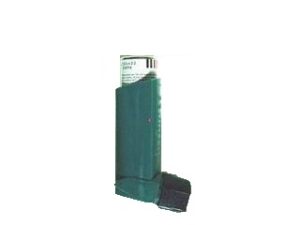
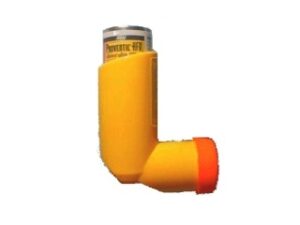
Ventolin Inhaler (Salbutamol) – Patient Information
Ventolin Inhaler contains salbutamol, a fast-acting medicine used to relieve symptoms of breathlessness, wheeze and chest tightness caused by reversible airways problems. This guide explains how Ventolin works, how to use it safely and effectively, what to expect, and important safety information for people in the United Kingdom.
Quick overview
- Medicine: Ventolin Inhaler
- Active ingredient: Salbutamol
- How it works: Relaxes airway muscles to open the airways quickly
- When it’s used: For rapid relief during asthma or COPD symptoms
- Onset: Often within minutes
- Typical effect lasts: Several hours (varies by person)
What is Ventolin Inhaler?
Ventolin Inhaler is a blue reliever inhaler that delivers salbutamol directly into the lungs. It belongs to a group of medicines called short-acting beta2-agonists (SABAs).
It is designed to help you feel better quickly when your airways tighten—such as during an asthma flare or sudden increase in COPD symptoms.
How it works (mechanism of action)
Salbutamol works mainly by stimulating beta2-receptors on the smooth muscle lining the airways. This leads to:
- Relaxation of airway smooth muscle (bronchodilation)
- Improved airflow, reducing wheeze and breathlessness
- Less airway resistance, making breathing easier
Ventolin helps to relieve symptoms. It does not treat the underlying inflammation that causes asthma. If you have asthma, you may also need an inhaled corticosteroid (preventer) or other long-term treatment.
Indications: when Ventolin Inhaler is used
Ventolin Inhaler may be used for:
- Asthma – relief of symptoms such as wheeze, chest tightness and shortness of breath
- COPD (chronic obstructive pulmonary disease) – relief of sudden breathlessness
- Reversible bronchospasm – when the airways tighten and respond to bronchodilator treatment
Your clinician may advise Ventolin as a reliever in a written asthma or COPD plan. If your symptoms are not improving, or you are needing it more often, seek medical advice promptly.
Typical onset and timing
Ventolin inhalers are fast-acting. After using a dose:
- Onset of action: often within 5 minutes
- Peak effect: typically within 30–60 minutes
- Duration: commonly around 4–6 hours (individual variation is common)
If you feel no improvement after proper use, or you need reliever doses very frequently, do not keep repeating without advice—your condition may be worsening and you may need a different treatment approach.
Pharmacokinetics (how the body handles salbutamol)
Pharmacokinetics describe how a drug moves through the body after use. With inhaled salbutamol, most of the medication acts locally in the lungs, with some swallowed after inhalation.
- Absorption: Delivered into the airways; some portion may be swallowed and absorbed from the gut.
- Distribution: Salbutamol can circulate in the bloodstream and reach target tissues.
- Metabolism: Mostly metabolised in the liver.
- Elimination: Primarily excreted through the kidneys.
Because inhaled salbutamol acts quickly and at relatively low systemic doses compared with tablets, side effects are usually mild and time-limited when the inhaler is used correctly. However, frequent use can increase the likelihood of side effects.
Dose and administration (how to take Ventolin Inhaler)
The exact dose depends on age, diagnosis, severity, and your individual plan. Below are typical dosing patterns for adults, adolescents and children.
Typical dosing guidance (general information)
| Group | Typical reliever dose (per use) | How often (general) |
|---|---|---|
| Adults and adolescents | Usually 1–2 inhalations when symptoms start | May be repeated after several minutes if needed; frequency depends on symptoms and treatment plan |
| Children | Usually 1 inhalation initially (sometimes 2, depending on the plan) | May be repeated if needed; dosing should follow guidance for the child’s age and condition |
Practical step-by-step use
Correct technique is essential for the medicine to reach the lungs. Follow these steps:
- Remove the cap and check the mouthpiece for cleanliness.
- Shake the inhaler (if your device design requires it; most Ventolin pressurised inhalers do).
- Breathe out fully away from the mouthpiece.
- Seal your lips around the mouthpiece.
- Start to breathe in slowly and deeply.
- Press the canister once to release one dose.
- Continue breathing in slowly and deeply for about 3–5 seconds.
- Hold your breath for 10 seconds (or as long as comfortable), then breathe out slowly.
- If a second puff is prescribed, wait about 30–60 seconds before repeating.
If you struggle with coordination between pressing and inhaling, a spacer can significantly improve delivery to the lungs. Many people in the UK are advised to use a spacer—especially children or anyone who finds coordination difficult.
How to know whether you’re using it correctly
- Effective symptom relief: breathing should feel easier within minutes
- Less reliance over time: using a reliever frequently can be a sign control is poor
- Technique checks: if you’re unsure, ask a pharmacist, asthma nurse or healthcare professional to watch your technique
Safety profile: important warnings and side effects
Most people tolerate salbutamol well when used as directed. However, like all medicines, it can cause side effects. Some effects are more likely with higher doses or frequent use.
Common side effects
- Tremor (shakiness), often in the hands
- Headache
- Palpitations (awareness of heartbeat)
- Feeling restless or anxious
- Muscle cramps
Less common but serious side effects – seek urgent help
Contact emergency services or seek immediate medical attention if you experience:
- Severe or rapidly worsening breathing
- Chest pain or severe palpitations
- Fainting
- Allergic reaction (swelling of lips/face, rash, wheezing)
- Signs of low potassium (can occur with high doses): unusual weakness, muscle cramps, abnormal heartbeats
When to get advice promptly
- You need your reliever much more often than usual
- Symptoms are not improving after repeated correct doses
- You wake at night due to symptoms
- Your reliever is not lasting as long as usual
Food interactions
Food interactions are generally not a major concern with inhaled salbutamol because absorption is primarily local in the lungs. If a portion is swallowed, it is still unlikely to create clinically important food-related interactions.
However, if you have stomach upset or are taking multiple medications, it’s still sensible to mention this to a pharmacist. For most people, no specific dietary restrictions are required.
Alcohol and medicine interactions
Alcohol
Moderate alcohol intake is not known to directly interact with salbutamol inhalers in a typical way. That said, alcohol can sometimes worsen asthma/COPD symptoms or affect breathing pattern. If you notice your symptoms worsen after drinking, consider limiting alcohol and seek advice.
Other medicines
Some medicines can affect how safe or effective salbutamol is, or can increase the risk of side effects—especially effects on the heart rhythm or potassium levels.
Examples of medicine interactions to be aware of:
- Beta-blockers (including some eye drops for glaucoma) can reduce bronchodilator effect
- Diuretics (“water tablets”) may increase risk of low potassium, especially with high salbutamol doses
- Systemic corticosteroids (tablets) and other asthma/COPD medicines can influence potassium balance
- Other medicines affecting heart rhythm or potassium levels may increase the risk of palpitations or rhythm changes
- Antidepressants (particularly older MAOIs) or other sympathomimetic medicines may theoretically increase cardiovascular effects in some situations
Always check with a pharmacist if you’re taking any regular medicines, including over-the-counter products. If you have underlying heart conditions or an irregular heartbeat history, ask for tailored advice.
How Ventolin fits into asthma/COPD management
Ventolin is typically a reliever. In asthma, it treats the symptoms but does not address airway inflammation by itself. For best long-term control, many people need a preventer inhaler (such as inhaled corticosteroids) as part of a personalised plan.
A key sign of poor control is needing reliever treatment too frequently. If you find yourself reaching for Ventolin more than usual, it may indicate that your underlying condition needs review.
Practical use tips (to get the most from your inhaler)
- Use a spacer if advised: improves lung delivery and can reduce throat deposition and side effects.
- Check your inhaler technique regularly: technique can drift over time.
- Keep a diary if symptoms change: noting triggers and reliever use can help clinicians adjust therapy.
- Know your triggers: common triggers include smoke, allergens, cold air, exercise, respiratory infections and stress.
- Check expiry date and store correctly: keep at room temperature and follow the package instructions.
- Don’t stop preventers: if you’re prescribed one, continue it unless told otherwise.
Dose monitoring and when to reassess
If reliever inhalations are required very frequently, it may suggest that asthma/COPD is not controlled. In asthma, this can precede a significant flare. Seek advice promptly if you notice any of the following:
- You’re using Ventolin more often than before
- Your symptoms are waking you at night
- You’re limiting activities due to breathlessness
- You’re experiencing increasing wheeze or chest tightness
Missed dose
Ventolin is used as needed for symptoms. If you meant to use it during a flare but missed a dose, use it when you next need symptom relief—provided you follow your personal dosing guidance.
Overuse risks (why correct use matters)
Using more than recommended can increase the risk of side effects such as tremor, palpitations and low potassium. Overuse may also mask worsening asthma/COPD that needs further treatment.
If your reliever use is not providing adequate relief, or you feel worse despite treatment, seek medical advice urgently.
Special populations
Children
Children may require spacers and close technique supervision to ensure effective dosing. If a child frequently needs a reliever, the overall asthma or respiratory plan should be reviewed.
Pregnancy and breastfeeding
Salbutamol inhalers are widely used when necessary. If you are pregnant, trying to conceive or breastfeeding, discuss your treatment with a healthcare professional to ensure benefits and risks are appropriately balanced.
Older adults
Many older adults can use salbutamol inhalers safely, but sensitivity to side effects (such as palpitations or tremor) may be greater in some individuals—particularly if there are heart rhythm or cardiovascular conditions.
Alternative options (reliever medicines and add-on treatments)
Depending on the condition and severity, other medicines may be used in addition to or instead of salbutamol. Options can include:
- Other short-acting bronchodilators (for example, other SABA inhalers)
- Short-acting anticholinergics (more commonly used in some COPD and flare management plans)
- Long-acting reliever/maintenance strategies for certain asthma plans (may include combinations such as LABA with ICS, depending on guidance)
- Preventer inhalers (inhaled corticosteroids) to reduce inflammation and reduce need for relievers
Your clinician or pharmacist can explain what alternatives are suitable for your specific diagnosis and current symptom control.
United Kingdom market, legal and guidance context
In the UK, Ventolin Inhaler (salbutamol) is commonly used and is available through pharmacies and other healthcare routes. Supply and sale are governed by UK medicines regulations, including rules around how medicines are classified and provided.
NHS and professional guidance generally emphasise:
- Using relievers correctly for rapid symptom relief
- Ensuring preventive treatment is in place for asthma, where appropriate
- Reviewing treatment when reliever use increases, because frequent reliever use can indicate poor control
- Considering appropriate inhaler technique support (including spacers) to maximise benefit and reduce risk
Recent emphasis across respiratory care has also focused on improving inhaler technique, structured asthma reviews, and making sure patients have action plans that are understood and updated.
Delivery and availability (UK)
Ventolin Inhaler may be available from online and high-street pharmacies in the UK, subject to stock, regulations and individual eligibility checks required by law.
- Availability: common, but stock can vary by strength/pack size
- Delivery: typically delivered within the timeframe shown at checkout
- Packaging: medicines are dispatched in protective packaging to reduce damage in transit
- Storage: follow the instructions on the pack once received
If you have an urgent need for a reliever, check delivery cut-off times shown at the point of order and consider contacting a local pharmacy.
Safety checklist before use
Before using Ventolin, consider:
- You know the inhaler’s correct technique (and have a spacer if advised)
- You’re not taking medicines that could significantly interact without advice
- You can recognise when symptoms are worsening and need urgent assessment
- Your preventer plan (for asthma) is still in place if you’ve been prescribed one
FAQ
1. How fast does Ventolin Inhaler work?
Many people feel improvement within a few minutes. Peak effect is often within about 30–60 minutes, and relief may last several hours depending on the individual and the severity of symptoms.
2. Can I use Ventolin every day?
Ventolin is intended for symptom relief. Needing it regularly can be a sign that your asthma/COPD is not well controlled. If you find you need it often, it’s important to get your treatment reviewed so you can reduce symptoms more effectively.
3. What should I do if my symptoms don’t improve?
If you’ve used Ventolin correctly and your breathing does not improve, or you feel worse, seek medical advice urgently. Worsening asthma can become serious quickly, and you may need assessment and alternative treatment.
4. Do I need to use Ventolin with a spacer?
A spacer is often recommended, particularly for children or anyone who struggles with coordinating inhalation with actuation. A pharmacist or clinician can advise whether a spacer is suitable for you and how to use it correctly.
5. Can Ventolin be used with other inhalers?
In many asthma and COPD regimens, people use multiple inhalers. Follow your treatment plan and ask your pharmacist about the correct order and technique (including whether to separate doses and how to clean devices).
6. Are there any food interactions?
Food interactions are not usually a concern with inhaled salbutamol. If you experience side effects or unusual symptoms, discuss them with a pharmacist.
7. Can I drink alcohol while using Ventolin?
Moderate alcohol intake is not typically known to directly interact with salbutamol inhalers. However, alcohol can affect breathing for some people. If you notice worsening symptoms after alcohol, reduce intake and seek advice.
8. What are the most common side effects?
The most common side effects include tremor, headache, palpitations and a feeling of restlessness. These often settle as the medicine wears off, especially when used correctly and not excessively.
9. Is Ventolin safe for children?
Ventolin is used in children for appropriate symptom relief. Technique is crucial, and a spacer may be recommended. If a child needs reliever frequently or symptoms are escalating, the care plan should be reviewed promptly.
10. What should I do if I used too many puffs?
Using too many puffs increases the risk of side effects such as tremor and palpitations and can affect blood potassium levels. If you or your child has taken more than advised or feel unwell, contact a healthcare professional or emergency services for urgent advice.
Summary
Ventolin Inhaler (salbutamol) is a fast-acting bronchodilator used to relieve symptoms of reversible airway conditions such as asthma and COPD. It works by relaxing airway muscles, helping you breathe more comfortably. To get the best results, use correct inhaler technique (often with a spacer), monitor symptom control, and seek medical advice if reliever use is increasing or symptoms aren’t improving.