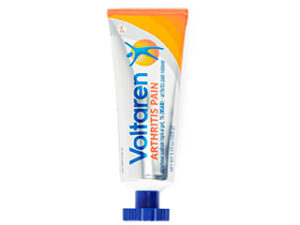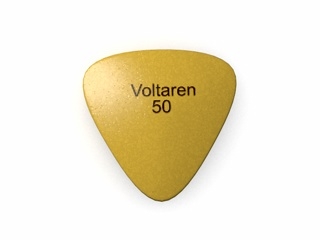
Voltaren (Diclofenac) — Pain Relief Medicine (UK)
Voltaren is a well-known brand of medicines containing diclofenac, a non-steroidal anti-inflammatory drug (NSAID) used to relieve pain and inflammation. In the UK, Voltaren is available in different formulations (for example gels, emulsions, and tablets/capsules depending on strength and availability). The right product and dose depend on the condition being treated, your age, and your medical history.
This guide is designed to be patient-friendly and practical, helping you understand how Voltaren works, how to use it safely, and what to watch for—especially with respect to interactions and side effects. Always follow the instructions on your specific pack or the advice of a healthcare professional.
Quick overview
- Active ingredient: Diclofenac
- Drug type: NSAID (anti-inflammatory painkiller)
- Common forms (UK): Topical gels/emulsions; oral forms may be available depending on strength
- Helps with: Pain and inflammation from muscles, joints, sprains, strains and arthritis-related aches
- Important safety note: NSAIDs can increase risk of stomach irritation/ulcers and may affect the heart and circulation in some people
How Voltaren works (mechanism of action)
Diclofenac works by blocking enzymes called cyclo-oxygenase (COX-1 and COX-2). These enzymes help your body produce prostaglandins, chemical messengers that contribute to:
- Pain (by sensitising nerves)
- Inflammation (swelling and redness)
- Fever (in some cases)
By reducing prostaglandins, Voltaren can ease pain and help inflamed areas feel better. Topical products deliver diclofenac mainly to the local area, which may reduce (though not always eliminate) whole-body exposure compared with some oral forms.
Pharmacokinetics (how diclofenac moves through the body)
“Pharmacokinetics” describes what the body does to the medicine—absorption, distribution, metabolism, and elimination. Exact values vary by formulation.
Topical diclofenac (e.g., Voltaren gel)
- Absorption: Diclofenac is absorbed through the skin to varying degrees. Most activity is local.
- Systemic exposure: Lower than many oral NSAIDs, but absorption can still occur—especially with frequent use, application to large areas, broken skin, or long-term use.
- Metabolism and elimination: Diclofenac is metabolised (processed) in the liver and cleared mainly by the kidneys.
Oral diclofenac (if using tablets/capsules)
- Absorption: Generally absorbed through the gastrointestinal tract.
- Protein binding: Diclofenac binds to blood proteins.
- Metabolism: Predominantly hepatic (in the liver), producing metabolites that are then excreted.
- Elimination: Mainly via the kidneys; some clearance occurs through bile and faeces.
If you have liver or kidney disease, you may need extra caution. Your product label or a healthcare professional can advise on suitability and monitoring.
Typical uses (indications) in the UK
Voltaren is used for pain and inflammation associated with a range of conditions. The specific approved use depends on the formulation and strength you purchase.
Common indications
- Musculoskeletal pain: sprains, strains, and sports injuries (muscle and joint aches)
- Arthritis symptoms: osteoarthritis pain (for some products/strengths and local prescribing rules)
- Localized joint pain: such as knee, hand, elbow or shoulder discomfort where topical treatment is appropriate
- Inflammatory flares: temporary increases in pain from chronic joint issues
If you’re unsure whether Voltaren matches your symptoms, consider speaking to a pharmacist. Many online pharmacies also include symptom checkers or product selectors to help match products to common conditions.
When and how to take/use Voltaren (timing and administration)
Use timing depends on whether you are using a topical product or an oral product. Always follow the directions on your specific packaging, as different strengths and formulations have different dosing schedules.
Topical use (gel/emulsion): practical timing
- Typical frequency: Often applied up to four times daily depending on the product strength and pack guidance.
- Consistency: Regular use can provide more predictable symptom relief than sporadic applications.
- After applying: Wash your hands unless the hands are the treated area. Wait until the area is dry before covering with clothing.
Oral use (tablets/capsules): typical timing
- Follow pack instructions: Dosing frequency varies by strength and formulation.
- Aim for the lowest effective dose: Use the smallest dose that controls symptoms.
- Short-term approach: For many conditions, NSAIDs are used for short periods unless your clinician advises otherwise.
Food interactions (what to know about meals)
Food can affect tolerance for many NSAID tablets by reducing stomach irritation. However, it depends on the formulation.
Topical Voltaren
- Generally: Because systemic absorption is lower, food interactions are usually not a major concern.
- Still: If you are using other NSAIDs or have an ulcer history, you should be cautious overall (see safety section).
Oral diclofenac
- Taking with food: Many people find oral diclofenac is better tolerated when taken with food or milk, particularly if it upsets the stomach.
- Do not combine unnecessarily: Avoid taking multiple NSAIDs at once.
If your product is enteric-coated or modified release, do not crush or open unless the pack instructs otherwise.
Alcohol and medicine interactions
Alcohol can increase the risk of stomach irritation and bleeding with NSAIDs and may worsen dizziness or side effects. Even moderate alcohol can be relevant in sensitive individuals.
Alcohol
- Recommendation: Try to limit alcohol while using diclofenac.
- Higher risk groups: If you have a history of ulcers/bleeding, heavy alcohol use, or take blood thinners, avoid alcohol unless advised.
Other medicines commonly involved in interactions
Diclofenac can interact with medicines affecting the stomach, kidneys, blood clotting, and blood pressure. The exact risk depends on your dose and formulation.
- Other NSAIDs (e.g., ibuprofen, naproxen, aspirin used as a painkiller): increased risk of stomach and bleeding effects.
- Anticoagulants (e.g., warfarin) and antiplatelets (e.g., clopidogrel): increased bleeding risk.
- Corticosteroids (e.g., prednisolone): higher risk of stomach ulceration/bleeding.
- SSRIs/SNRIs (e.g., sertraline, fluoxetine, venlafaxine): may raise bleeding risk in combination with NSAIDs.
- ACE inhibitors / ARBs (e.g., ramipril, lisinopril, losartan, valsartan) and diuretics (e.g., furosemide): may affect kidney function in some people, especially with dehydration.
- Lithium and methotrexate: diclofenac can increase their levels, raising toxicity risk.
- Diabetes medicines: NSAIDs may alter blood sugar control in some cases.
If you’re taking regular medicines, it’s a good idea to check interaction information with a pharmacist or use your prescription details when discussing OTC options.
Dosing guidance (for common scenarios)
Dosing depends strongly on the product strength and formulation. The following outlines common patterns but does not replace the pack instructions for your specific product.
General principles
- Use the lowest effective dose for the shortest time needed.
- Do not use on broken skin.
- Avoid duplicate NSAID use (for example, don’t take diclofenac and ibuprofen together for the same pain).
- Stop and seek help if you develop serious side effects (see safety).
Topical dosing (typical)
- Adults: Apply a thin layer to the affected area and gently rub in. Frequency is usually up to four times daily, depending on the specific product strength and pack guidance.
- Duration: Use for a limited period unless a clinician advises ongoing treatment. If symptoms do not improve, reassess.
Oral dosing (typical)
- Adults: Oral diclofenac doses vary widely by formulation (immediate release vs modified release) and product strength. Always follow the pack and consider age/comorbidities.
- Older adults: Often need extra caution due to increased risk of side effects.
If you tell us which Voltaren product you have (e.g., gel strength or tablet strength) and what you’re treating, we can help you interpret the pack dosing directions more clearly.
Safety profile: who should be careful and what to watch for
Like all NSAIDs, diclofenac can cause side effects. Most people tolerate topical diclofenac well when used correctly, but risks still exist— particularly with oral forms or when using topical products over large areas or for long periods.
Common side effects (often mild)
- Topical: skin irritation, redness, itching or a rash at the application site
- Oral (if used): indigestion, stomach pain, nausea
Serious side effects (seek urgent advice)
Stop using diclofenac and get urgent medical help if you experience:
- Signs of an allergic reaction: wheezing, swelling of the face/lips, severe rash or hives
- Symptoms of stomach bleeding: vomiting blood, black/tarry stools, blood in stools
- Chest pain, sudden shortness of breath, weakness on one side (possible serious cardiovascular event)
- Severe abdominal pain or persistent indigestion that worsens
- Yellowing of the skin/eyes (jaundice) or dark urine (possible liver problems)
- Reduced urination or swelling (possible kidney issues)
Who should take extra care (UK context)
You should discuss NSAID use with a pharmacist/clinician if any of the following apply:
- History of stomach ulcers or GI bleeding
- Known heart disease, history of stroke, or high cardiovascular risk
- Known kidney problems or dehydration
- Asthma that worsens with NSAIDs
- Use of blood-thinning medicines or multiple medicines that increase bleeding risk
- Liver disease or previous liver enzyme problems
- Pregnancy: NSAIDs are generally not recommended, particularly later in pregnancy
If you are pregnant, trying to conceive, breastfeeding, or planning a pregnancy, check with a healthcare professional for advice.
Practical use tips for safer, better results
- Apply to clean, dry skin and rub in gently.
- Use the amount recommended—more medicine does not necessarily mean better relief.
- Avoid heat sources (such as heating pads or hot water bottles) over the area unless the pack advises, as this can increase absorption and irritation.
- Do not cover with occlusive dressings unless directed.
- Wash hands after use (unless treating the hands) to avoid accidental contact with eyes and mouth.
- Stop if skin reaction occurs: If irritation becomes severe or you develop a rash, discontinue and seek advice.
- Keep track of improvement: If pain isn’t improving after the recommended period, reassess your condition rather than just continuing.
- Combine with non-drug strategies: gentle movement, rest from aggravating activity, cold/heat therapy (where suitable) and physiotherapy can complement treatment.
Alternative options to Voltaren (diclofenac)
Pain relief options depend on the cause of your pain (inflammation, muscle strain, arthritis, nerve pain, etc.). In the UK, commonly used alternatives may include:
Other NSAID options
- Ibuprofen (often available in gels and tablets)
- Naproxen
- Topical ketoprofen (where available/appropriate)
Non-NSAID pain relief
- Paracetamol (for pain relief; does not provide anti-inflammatory effect)
- Topical counter-irritants (e.g., menthol-based rubs)
- Other topical options depending on availability and local guidance
Physiotherapy and supportive measures
- Exercise therapy and strengthening plans
- Activity modification and pacing
- Warm compresses for stiffness or cold packs for acute injuries
If your pain is persistent, severe, recurrent, or associated with swelling, fever, injury, or loss of function, it may need assessment. A pharmacist can also help you decide what’s appropriate to try first.
Voltaren in the UK: market and legal context
In the UK, medicines are regulated under the Medicines and Healthcare products Regulatory Agency (MHRA) and must follow prescribing and supply rules. Whether a particular Voltaren product is available over the counter or via a different route depends on its formulation, strength, and licensing status at the time of sale.
For topical diclofenac products, safety information and warnings are provided in line with UK medicines regulations. NHS guidance generally highlights cautious use of NSAIDs—especially in people with ulcer history, cardiovascular disease, kidney problems or those taking interacting medicines.
“Recent guidance” can vary as new safety communications are issued. When using an NSAID, it’s wise to:
- Check the current pack leaflet for your product’s warnings and eligibility.
- Follow the “lowest effective dose” and “shortest duration” principle.
- Be especially cautious if you have risk factors mentioned above.
If you have concerns about whether diclofenac is suitable for you, ask a pharmacist—especially if you’re using multiple medicines.
Delivery and availability in the UK
Voltaren products are typically widely available across the UK through pharmacies and online pharmacy suppliers, subject to stock and formulation. Delivery times vary by provider and location.
- Availability: Depends on the specific product and strength (topical gels are commonly stocked).
- Packaging: Products should arrive in sealed packaging with an intact leaflet (where applicable).
- Temperature: Store according to the pack instructions (often at room temperature, away from heat and sunlight).
- Delivery options: Standard and express delivery may be available depending on the retailer.
If you need delivery by a particular date (for example, ahead of a trip or upcoming event), select an appropriate delivery method at checkout.
Frequently Asked Questions (FAQ)
1) Is Voltaren the same as ibuprofen?
No. Voltaren contains diclofenac, while ibuprofen contains a different NSAID. Both reduce inflammation and pain, but they are not identical and have different dosing and risk profiles.
2) Can I use Voltaren gel on an injury from sport?
Diclofenac gel can help with localized muscle or joint pain such as strains and sprains, provided the skin is intact and you use it as directed. If there is a serious injury (significant swelling, deformity, inability to bear weight, or worsening symptoms), seek medical advice.
3) How long does Voltaren take to work?
Many people notice improvement within days, but the timing varies by condition and how regularly you apply/use the medicine. If your pain does not improve after the recommended period on your pack, consider reassessing your approach.
4) Can I apply Voltaren over a large area?
Follow your product’s directions. Using too much or over too large an area can increase absorption and the risk of side effects. Avoid applying to broken skin and do not exceed the recommended frequency.
5) Can I take paracetamol with Voltaren?
Paracetamol is often used alongside NSAIDs for additional pain relief, because it works differently and does not share the same anti-inflammatory mechanism. However, always follow dosage instructions on each product, and check with a pharmacist if you have liver disease or take other medications containing paracetamol.
6) Can I use Voltaren with other NSAID tablets?
Generally, you should avoid taking multiple NSAIDs at the same time (for example diclofenac with ibuprofen or naproxen) because it can increase the risk of stomach bleeding and other side effects.
7) What should I avoid while using diclofenac?
Consider avoiding:
- Extra NSAIDs (unless a clinician advises)
- Excess alcohol
- Applying to damaged skin or using under occlusive dressings
- Heating over the treated area (unless the pack advises)
8) Does Voltaren gel affect driving or alertness?
Topical diclofenac is less likely than oral NSAIDs to affect alertness. However, individual responses vary. If you feel dizzy or unwell after using any medicine, avoid driving or operating machinery.
9) What if I miss an application?
Apply when you remember, unless it’s close to the next dose. Do not apply double the amount. Resume your normal schedule.
10) Who should not use Voltaren?
People with certain conditions or risk factors may need to avoid diclofenac or use it only with professional advice—especially if you have had NSAID-triggered asthma, stomach ulcers/bleeding, significant heart disease, kidney problems, liver disease, or if you are pregnant. Always read the pack leaflet and consult a pharmacist if unsure.
Summary
Voltaren (diclofenac) can be an effective option for pain and inflammation from muscular and joint conditions. When used correctly—at the right dose, for the right duration, and with awareness of interactions—it can provide meaningful relief. If you have risk factors such as a history of ulcers, heart or kidney disease, or you take medicines that affect blood clotting, take extra care and seek advice from a pharmacist.
For the safest results, choose the specific Voltaren product that matches your symptoms and follow the directions on the pack. If symptoms persist, worsen, or you’re unsure whether diclofenac is appropriate, reassess promptly.
Voltaren safety and use checklist (quick reference)
| Topic | Key point | What to do |
|---|---|---|
| Correct use | Follow your product’s directions on dose and frequency | Use the lowest effective amount |
| Skin care (topical) | Do not apply to broken skin or use with occlusive dressings | Apply to intact skin and let it dry |
| Food (oral) | May be better tolerated with food | Follow pack guidance; take with meals if advised |
| Alcohol | Can increase stomach and bleeding risk | Limit alcohol during treatment |
| Drug interactions | NSAID combinations can increase risks (bleeding, kidneys, stomach) | Check with a pharmacist if you take anticoagulants, steroids, SSRIs/SNRIs, or ACE inhibitors/diuretics |
| Stop signs | Allergic reaction or bleeding symptoms need urgent help | Seek urgent medical advice |
| Unclear improvement | No improvement may indicate the wrong treatment or a different condition | Stop and reassess if symptoms persist |