Xeloda (Capecitabine) – Patient-Friendly Guide (UK)
Xeloda is a brand name for capecitabine, an anticancer medicine taken as tablets. This guide explains what Xeloda is, how it works, how it is usually taken, and what to watch for to support safer use. It is written for people in the United Kingdom and aims to be clear and practical.
Always follow the schedule and advice given by your oncology team. Individual dosing and monitoring differ depending on your diagnosis, treatment plan, other medicines, kidney function, and blood test results.
Basic product information
- Medicine name: Xeloda
- Active ingredient: Capecitabine
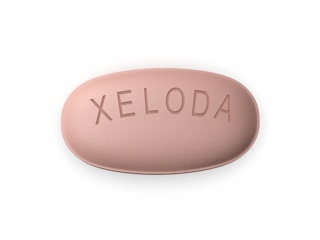
- Medicinal form: Film-coated tablets
- Common tablet strengths (may vary): 150 mg and 500 mg
- Therapeutic class: Antimetabolite chemotherapy (pyrimidine analogue prodrug)
- Manufacturer/marketing authorisation (UK): Xeloda is authorised in the UK; availability can vary by supply
In the UK, Xeloda is typically prescribed and dispensed through community pharmacies or hospital pharmacy services, depending on the pathway used.
How Xeloda works (mechanism of action)
Capecitabine is designed to act mainly in tumour tissue. It is a prodrug, meaning it becomes active after several steps inside the body.
Step-by-step activation:
- Absorption: Capecitabine is absorbed from the gut into the bloodstream.
- Conversion in tissues: Enzymes in the liver convert it to 5’-deoxy-5-fluorocytidine (5’-DFCR).
- Activation to active drug: Further conversion leads to 5-fluorouracil (5-FU), which then acts in rapidly dividing cells.
What it does to cancer cells:
- Blocks DNA/RNA building blocks: It interferes with nucleotide synthesis needed for cell growth.
- Disrupts tumour cell replication: Rapidly dividing cancer cells are particularly sensitive.
Although Xeloda targets cancer cells, it can also affect healthy fast-growing tissues (such as the lining of the mouth and gut), which is why side effects are possible.
Pharmacokinetics (how the body handles capecitabine)
“Pharmacokinetics” describes absorption, distribution, metabolism, and excretion. In general, for capecitabine:
- Absorption: Capecitabine is absorbed after oral dosing; taking it as directed (with water and timing) helps maintain consistent exposure.
- Distribution: It is distributed through the bloodstream and reaches tissues where conversion to active metabolites occurs.
- Metabolism: It undergoes stepwise enzymatic conversion—primarily in the liver and tumour tissue—toward 5-FU.
- Elimination: Metabolites are eliminated mostly via the kidneys. This is why kidney function matters.
Clinical implication: People with reduced kidney function may have higher exposure and increased risk of side effects. Dose adjustments and closer monitoring are often required.
Typical uses in cancer treatment (UK)
Xeloda (capecitabine) is used to treat certain cancers, either alone or in combination with other medicines. The exact indication depends on your diagnosis and stage.
Common indications include:
- Breast cancer: Often as part of combination regimens (e.g., with other agents depending on the clinical context).
- Colorectal cancer: Including locally advanced or metastatic disease, and in adjuvant settings in selected circumstances.
- Gastric (stomach) or gastro-oesophageal junction cancers: In combination regimens in selected patients.
Your oncology team will confirm whether Xeloda is being used in the adjuvant (after surgery), neoadjuvant (before surgery), metastatic, or another setting.
Timing and how to take Xeloda
Treatment schedules with Xeloda are commonly cyclical. The most typical form is a daily dosing plan with a rest period, but schedules vary by regimen.
General practical guidance:
- Swallow whole: Tablets should be swallowed with water and not crushed or chewed.
- Take at the same times each day: Consistent timing helps maintain drug levels.
- Follow the “days on / days off” plan: Your cycle dates may be, for example, 14 days on treatment followed by 7 days off, but your regimen may differ.
Missed doses: If you miss a dose, your clinical team may advise skipping it rather than doubling. Because exact instructions depend on your cycle and regimen, follow the guidance you were given.
Food interactions (what to eat and when)
Food can affect how capecitabine is absorbed and therefore how much medicine enters the bloodstream. For this reason, timing with meals is important.
Typical instruction used in practice:
- Take Xeloda after food: Many regimens recommend taking doses within about 30 minutes after a meal.
Eating close to your dosing time can reduce the risk of variability in absorption. If you have difficulty eating, ask your oncology team or pharmacist for specific guidance.
Alcohol and medicine interactions
Alcohol
There is no single rule that fits every person, because alcohol tolerance varies and your overall health matters. However, alcohol may worsen certain side effects (such as nausea, diarrhoea, fatigue) and can affect hydration.
- Consider limiting or avoiding alcohol during treatment.
- If you choose to drink, do so cautiously and discuss it with your team, especially if you have liver issues.
Other medicine interactions
Capecitabine can interact with other medicines, changing effectiveness and/or increasing side-effect risk. Tell your healthcare team about all medicines you take, including:
- Over-the-counter medicines (including ibuprofen, paracetamol, cough/cold products)
- Herbal products and supplements
- Vitamins and minerals
- Anticoagulants (blood thinners)
Particular attention:
- Warfarin and other anticoagulants: Capecitabine may increase bleeding risk in some people. Frequent clotting monitoring may be needed.
- Phenytoin: May have altered levels; monitoring may be required.
- Folinic acid (leucovorin) and other chemotherapy agents: Used intentionally in some regimens and can change toxicity.
- Allopurinol and some antivirals/antibiotics: May affect metabolism or side effects—seek professional advice.
If you are unsure whether a product interacts, ask a pharmacist. It is better to check than to assume.
Dosing and treatment schedules
The dose of Xeloda is based on body surface area (BSA), which is calculated from height and weight, and adjusted for factors such as kidney function and prior tolerance.
How dosing is commonly described:
- Dose is usually expressed as mg per square metre (mg/m²).
- Tablets are often given as divided daily doses (morning and evening).
- Dose may be modified (reduced) or temporarily stopped if certain side effects occur.
Important: Do not change your dose yourself. If your blood counts are low or side effects are significant, your oncology team may adjust treatment for safety.
Typical indications, regimens, and what to expect
Different cancers have different treatment combinations. Some regimens include Xeloda with other agents such as oxaliplatin or targeted therapies. Your exact plan will be individualised.
What is consistent across regimens:
- Regular monitoring: Blood tests to check white blood cells, neutrophils, platelets, liver enzymes, and kidney function.
- Side-effect management: Early treatment of diarrhoea, mouth ulcers, and hand-foot syndrome can reduce severity.
- Cycle-based dosing: Treatment is typically given in cycles to allow recovery.
Safety profile – common and serious side effects
Like all medicines, Xeloda can cause side effects. Many are manageable, especially with early recognition and prompt action. If you are concerned about any symptom, contact your clinical team.
Common side effects (may include):
- Diarrhoea (sometimes early and/or severe in some cases)
- Nausea and reduced appetite
- Vomiting
- Mouth sores (stomatitis)
- Fatigue and weakness
- Hand-foot syndrome (palmar-plantar erythrodysaesthesia): redness, swelling, pain, or peeling on palms/soles
- Skin reactions
- Low blood cell counts (e.g., neutropenia or thrombocytopenia), depending on regimen and monitoring
- Abnormal liver function tests
- Dehydration if diarrhoea/vomiting occur
Serious or urgent warning signs:
- Severe diarrhoea, diarrhoea with dizziness, or signs of dehydration (very dry mouth, reduced urine).
- Fever (e.g., temperature ≥ 38°C) or signs of infection—seek urgent medical advice.
- Severe hand-foot syndrome (trouble walking, blistering, skin breakdown).
- Shortness of breath, chest pain, or severe allergic-type symptoms (swelling, rash, wheezing).
- Persistent or severe vomiting preventing fluid intake.
Your clinical team will provide emergency contact details and guidance on when to stop treatment and seek advice. Follow it closely.
Practical tips for safer use at home
1) Hand-foot syndrome prevention
- Keep hands and feet moisturised with a plain emollient (as advised by your team).
- Avoid friction: minimise heavy manual work and prolonged pressure on palms/soles.
- Avoid heat exposure: hot baths/showers and heated pads may worsen symptoms.
- Wear comfortable, well-fitting shoes; consider soft insoles if recommended.
2) Diarrhoea management
- Start treatment early if prescribed anti-diarrhoea medication is available.
- Focus on hydration (water, oral rehydration solutions) and maintain salt balance.
- Avoid triggers that worsen bowel symptoms (very fatty/spicy foods, alcohol).
3) Mouth care
- Use a gentle toothbrush and avoid alcohol-containing mouthwash if it stings.
- Maintain good oral hygiene; report mouth ulcers early.
4) Blood test and monitoring discipline
- Attend all blood tests and appointments.
- Report symptoms before your next cycle rather than waiting.
5) Tablet handling and infection control
- Wash hands after handling tablets.
- If someone else helps you take the tablets, ensure they also wash hands.
- Keep tablets out of sight and reach of children.
When your dose may be adjusted
Dose adjustments are a normal part of safe oncology care. Your oncology team may reduce the dose or delay the next cycle if you experience:
- Significant diarrhoea or vomiting
- Moderate to severe hand-foot syndrome
- Severe mouth sores
- Low blood counts (neutropenia, thrombocytopenia)
- Kidney impairment or dehydration
Never resume at the same dose without the team’s instruction. Stopping or restarting incorrectly can increase risk.
Alternative options (depending on cancer type)
“Alternative options” vary widely by cancer diagnosis, stage, and molecular features. If Xeloda is not suitable, oncologists may consider:
- Other fluoropyrimidines (e.g., 5-fluorouracil-based regimens)
- Oral or IV chemotherapy alternatives used in similar settings
- Targeted therapies and immunotherapies (for selected tumours with specific biomarkers)
- Combination regimens tailored to tumour characteristics and prior treatments
Discuss options with your oncology team. They can explain why Xeloda may be chosen for your specific situation and what other pathways might offer comparable benefits.
Market and legal context in the United Kingdom
In the UK, Xeloda (capecitabine) is an authorised medicine under medicines regulation frameworks and is supplied through NHS and private pathways. Cancer treatments require careful prescribing, dispensing, and monitoring in line with clinical guidance.
UK healthcare context:
- Cancer treatment decisions are supported by national and regional guidance, including evidence from major clinical trials and consensus recommendations.
- Medicines are typically dispensed through regulated channels with appropriate counselling and safety checks.
- Monitoring requirements (blood tests, dose adjustments, toxicity management) are integral to safe use.
Because policies and supply patterns can change, availability may fluctuate. If you need Xeloda urgently, contact the pharmacy or dispensing service to confirm stock status.
Recent guidance and evolving practice (what’s commonly emphasised)
While exact “recent guidance” can differ by cancer type and individual protocols, common, up-to-date practice themes in capecitabine care include:
- Early toxicity recognition: Prompt reporting of diarrhoea, fever, and hand-foot symptoms to prevent complications.
- Use of dose modifications: Treating side effects quickly through dose delays or reductions rather than pushing through severe toxicity.
- Hydration and supportive care: Preventing dehydration and managing gastrointestinal symptoms quickly.
- Individualised safety: More careful dosing and monitoring for older adults and those with kidney impairment.
Your local oncology team will follow current clinical pathways and safety recommendations for your regimen.
Delivery and availability (UK)
Availability of cancer medicines can vary based on manufacturer supply, pharmacy stock levels, and distribution schedules. Online pharmacy services in the UK typically:
- Confirm stock availability before dispatch
- Use secure packaging suitable for medicines
- Arrange delivery options that fit medicine handling and privacy requirements
- Include information about storage and how to use the product
What you can do: If you are approaching your next cycle date, order or request supply early to avoid delays. If you have a specific tablet strength requirement (150 mg vs 500 mg), ensure your order matches your regimen.
Storage and handling
- Store at room temperature unless your product label says otherwise.
- Keep in the original packaging to protect from moisture and light.
- Keep out of the sight and reach of children.
- Check the pack for expiry date; do not use after expiry.
If you notice tablets look damaged or unusual, do not take them—contact your pharmacy for advice.
Frequently asked questions (FAQ)
1) What is Xeloda used for?
Xeloda (capecitabine) is used for certain cancers, often colorectal and breast cancer, and sometimes other gastrointestinal cancers, depending on the treatment plan. Your oncology team will explain the exact purpose in your case (e.g., adjuvant or metastatic therapy).
2) How does capecitabine differ from 5-fluorouracil (5-FU)?
Capecitabine is an oral prodrug that is converted in the body to 5-FU. 5-FU is active immediately and is given by injection/infusion. Choice depends on regimen, convenience, expected benefit, and safety considerations.
3) How many tablets should I take?
The number of tablets depends on your calculated dose (often based on body surface area) and your specific tablet strengths. Only follow the dosing schedule supplied by your care team or dispensing instructions.
4) Should I take Xeloda with food?
In most capecitabine regimens, doses are taken after food (often within about 30 minutes after a meal). Confirm your exact timing instructions with your oncology team or pharmacist.
5) What should I do if I vomit after taking a dose?
Do not take an extra dose unless you have been specifically instructed to do so. Contact your oncology team or pharmacist for tailored advice, especially if vomiting prevents keeping fluids down.
6) Can I drink alcohol while taking Xeloda?
Alcohol may worsen side effects like nausea, diarrhoea, and dehydration. Many patients are advised to limit or avoid alcohol during treatment. Discuss your situation with your clinical team, particularly if you have liver problems or frequent gastrointestinal symptoms.
7) What is hand-foot syndrome and how can I manage it?
Hand-foot syndrome is a common side effect of capecitabine. It can cause redness, swelling, pain, or peeling on palms and soles. Early moisturising, avoiding friction/heat, wearing comfortable shoes, and reporting symptoms promptly can help reduce severity.
8) What if I develop diarrhoea?
Diarrhoea should be treated promptly. Use any anti-diarrhoea medicines your care team has prescribed and focus on hydration. Seek urgent advice if diarrhoea is severe, persistent, or associated with fever or dehydration.
9) Does Xeloda affect fertility or pregnancy?
Many anticancer medicines can affect fertility and can be harmful to an unborn baby. If you may become pregnant, are trying to conceive, or have concerns about fertility, speak to your clinical team for individual advice.
10) Who should not take Xeloda?
Suitability depends on your medical history, kidney function, other medications, and cancer type. Your oncology team will assess whether Xeloda is appropriate and adjust dose or supportive care as needed.
Quick-reference summary
| Topic | Key points |
|---|---|
| Medicine | Xeloda (capecitabine) – oral anticancer tablets |
| How it works | Prodrug converted to 5-FU; interferes with DNA/RNA synthesis in cancer cells |
| Timing with food | Often taken after food (commonly within ~30 minutes after a meal) |
| Monitoring | Regular blood tests; review kidney function and manage toxicity early |
| Common side effects | Diarrhoea, nausea, fatigue, mouth sores, hand-foot syndrome |
| Urgent symptoms | Fever, severe diarrhoea, severe hand-foot syndrome, signs of dehydration or infection |
| Alcohol | Limit/avoid if possible; may worsen GI side effects and dehydration |
| Drug interactions | Special care with anticoagulants (e.g., warfarin) and other interacting medicines |
Important note: This information is for education and planning. It cannot replace personalised advice. If you have symptoms that worry you, contact your oncology team or urgent healthcare services promptly.