
Xenical (Orlistat) — Patient Information (UK)
Xenical is a weight-management medicine that contains orlistat. It works mainly in the digestive system to help reduce the amount of dietary fat absorbed from food. This can support gradual weight loss when combined with a calorie-controlled diet and regular physical activity.
This guide is written for patients in the United Kingdom and explains how Xenical works, how to take it, important safety information, and what to expect.
Basic product information
- Active ingredient: Orlistat
- Brand name: Xenical
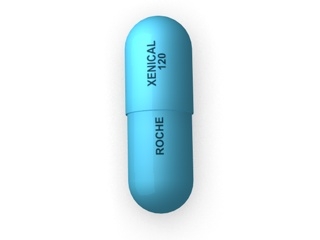
- Medicinal form: Capsules
- Strength (common): 120 mg capsules
- How it acts: Gastrointestinal lipase inhibitor
- Where it works: Mainly in the stomach and small intestine
- Typical setting: Use as part of a structured weight-loss approach
Note: Always check the package for your exact strength and directions from your dispenser or pharmacist.
How Xenical works (mechanism of action)
Orlistat blocks digestive enzymes called lipases (primarily the enzymes that break down dietary triglyceride fats). When lipases are inhibited, less fat from the meal is digested and absorbed.
As a result, a portion of the dietary fat passes through the digestive tract and is excreted. Xenical therefore mainly provides a fat-absorption reduction effect rather than directly suppressing appetite.
- Targets: Enzymes involved in breaking down fats
- Effect: Less dietary fat absorbed
- Outcome: Helps reduce overall calorie intake from fat
Pharmacokinetics (what the body does to it)
Orlistat is designed to act locally in the gut and has limited systemic absorption.
| Topic | What to know |
|---|---|
| Absorption | Only a small fraction is absorbed into the bloodstream. |
| Distribution | Because absorption is low, systemic exposure is limited. |
| Metabolism | Orlistat is largely metabolised within the gut and minimally absorbed. |
| Elimination | Most of the drug and its related components are eliminated in the faeces. |
| Half-life | Systemic half-life is not usually a major consideration due to minimal absorption. |
Practical takeaway: Since Xenical mainly acts in the gastrointestinal tract, many of the most noticeable effects are related to digestion and stool changes (especially if meals contain more fat than expected).
Typical use and who may benefit
Xenical is used to support weight management in adults with excess weight. It is intended to be used alongside:
- a reduced-calorie diet
- regular exercise
- behaviour and lifestyle changes
It is often considered when body weight is high enough that a structured plan could be beneficial (including people at risk due to weight-related health factors).
Important: If you have any medical conditions or take regular medicines, discuss your overall plan with a healthcare professional, especially regarding nutrition and interactions.
Indications (why it’s used)
Orlistat is indicated for:
- Weight loss support in people with excess body weight
- Weight management to help reduce the risk of regaining weight after weight loss (as part of an overall plan)
Clinical guidance in the UK often emphasises a stepwise approach to obesity management, where medicines (including orlistat products) are considered alongside lifestyle measures. Eligibility and monitoring depend on individual circumstances and current national/clinical recommendations.
Dosing and timing
Typical adult dosing: 120 mg by mouth, three times daily.
How to take it:
- Take one capsule
that contains fat. - Main meals usually mean breakfast, lunch, and dinner (or equivalent meals).
- If a meal is
, you can generally skip the dose for that meal—but follow the instructions on your product label or advice from your pharmacist.
Meal timing guidance:
- Take the capsule
the meal. - Try to keep a consistent routine to maximise the fat-blocking effect.
What to expect over time: Weight loss is usually gradual. Many people find that results are best when dietary fat is reduced and meal patterns are consistent.
Food interactions (diet guidance for best results)
Xenical’s effect depends on dietary fat intake. For best results:
- Keep fat intake moderate or low, especially at main meals.
- Distribute fats across meals rather than having very fatty meals.
- Focus on a balanced, calorie-controlled diet rich in vegetables, lean proteins, and whole foods.
Why this matters: When orlistat blocks fat digestion, undigested fat may lead to gastrointestinal side effects (such as oily stools). Reducing fat intake often improves tolerability.
Common meal patterns that help
- Choose grilled, baked, steamed foods instead of fried options.
- Limit creamy sauces, pastry, and high-fat snacks.
- Check labels for fat grams.
- Include fibre (e.g., vegetables, oats, pulses) to support digestive comfort.
Alcohol interactions
There is no widely expected direct “dangerous” interaction between orlistat and alcohol for most people. However, alcohol can affect weight-management efforts and may worsen digestive symptoms.
- Moderation is advised. Alcohol adds calories and can make dietary control more difficult.
- Some individuals may experience more gastrointestinal discomfort after alcohol, particularly if the meal is high in fat.
- If you notice nausea, diarrhoea, or stomach discomfort, reduce alcohol further and consider discussing it with a pharmacist.
Seek urgent help if you experience severe abdominal pain, persistent vomiting, blood in stools, or signs of dehydration.
Medicine interactions (important)
Because Xenical works in the gut, it can affect the absorption of certain medicines and nutrients. Some interactions are particularly relevant due to the involvement of fat digestion and vitamin uptake.
Fat-soluble vitamin levels (A, D, E, K)
Orlistat can reduce the absorption of fat-soluble vitamins. This may matter if you do not eat a balanced diet.
- Consider discussing a multivitamin or supplement with a pharmacist.
- Take supplements at a suitable time away from Xenical to reduce the chance of reduced absorption (follow your pharmacist’s guidance or product instructions).
Medicines that may be affected
Some medicines require careful timing or monitoring when taken with orlistat. Examples commonly discussed include:
- Levothyroxine (thyroid hormone) — may require separation in timing.
- Warfarin — monitoring may be needed (INR changes have been reported with fat absorption changes).
- Cyclosporin — may have reduced absorption.
- Amiodarone and certain other drugs with narrow therapeutic ranges — absorption may be influenced.
- Oral contraceptives: if severe diarrhoea occurs, absorption may be impaired. The practical advice is to use additional contraception during diarrhoea/vomiting—follow local guidance and discuss with a pharmacist.
- Diabetes medicines (especially insulin or sulfonylureas): if weight reduces or diet changes, you may need monitoring for glucose levels to avoid hypoglycaemia.
Always tell your pharmacist about all medicines and supplements you take, including herbal products, so they can check for potential interaction and timing advice.
Safety profile and side effects
Xenical’s most common effects relate to its action on fat digestion. Side effects often improve when meals are lower in fat and when you take the medicine correctly with meals.
Common side effects
- Oily spotting or changes in stool
- Fatty or oily stools (steatorrhoea)
- Increased frequency of bowel movements
- Urgency to pass stool
- Gas with oily discharge
- Abdominal discomfort
- Diarrhoea
Less common but important effects
- Rectal discomfort or irritation
- Headache
- Urinary tract symptoms (occasionally reported)
When to seek urgent medical help
Stop taking Xenical and get medical advice urgently if you experience:
- severe or persistent stomach pain
- signs of allergic reaction (swelling of face/lips, difficulty breathing, rash)
- blood in stools or black/tarry stools
- severe dehydration (dizziness, very dry mouth, fainting)
- symptoms of liver problems (for example, yellowing of eyes/skin, dark urine, persistent nausea)
Practical use tips for better results
- Take it with meals: If you take it without eating, the benefit may be reduced and side effects may become more unpredictable.
- Reduce dietary fat: This is the single most effective way to improve tolerability and outcomes.
- Use portion control: Even healthy foods can be high in fat (e.g., nuts, cheese, oils).
- Stay hydrated: Diarrhoea can increase fluid loss.
- Plan for digestive effects: If you’re new to orlistat, consider avoiding situations where urgent bowel movements would be difficult.
- Consider a multivitamin: Especially if your diet is limited. Use a supplement suitable for you and separate timing as advised by your pharmacist.
- Track progress: Measure weight weekly and watch for trends, not day-to-day fluctuations.
How to manage oily stools or urgency
If you experience oily spotting or urgency:
- First, review your meals for hidden fats (fried foods, dressings, pastries, some snack bars).
- Use good bathroom planning around meal times.
- Consider dietary fibre and adequate water intake (within dietary guidance).
- If symptoms are severe or persistent, speak to a pharmacist or clinician for advice.
Alternative options (UK patient overview)
If Xenical (orlistat) isn’t suitable or doesn’t suit your lifestyle, there are alternative approaches to weight management. Availability can vary and depends on eligibility and local guidance.
Other medicines
- Other orlistat products (including lower-dose formulations available in some settings).
- Appetite or metabolic medicines used under appropriate clinical criteria (examples include GLP-1 based medicines such as semaglutide or tirzepatide in some contexts, and other weight-management medicines depending on guidance and availability).
- Medicines for specific circumstances may be considered by clinicians based on risk factors and overall health.
Non-medicine options
- Structured diet programmes (calorie reduction, balanced macronutrients)
- Exercise and behaviour programmes (including strength training for metabolic health)
- Digital weight-management support (tracking, coaching)
- Referral-based programmes where appropriate
Tip: Your best option is usually the one you can follow consistently and safely over time.
Market and legal context in the United Kingdom
In the UK, weight-management products are subject to regulation by the medicines framework overseen by national authorities and distributed through appropriate channels.
- Availability: Xenical (orlistat 120 mg) is an established product used in obesity/weight-management settings.
- Product labelling and patient information: The patient leaflet and packaging provide key safety information, dosing instructions, and contraindications.
- Healthcare oversight: Weight management often requires monitoring and review, particularly in people with medical conditions.
Recent guidance note (UK): National recommendations for obesity management are continually updated. Current practice typically emphasises lifestyle intervention first, then consider medicines as part of an overall plan for suitable patients, with monitoring for effectiveness and tolerability. Always check with up-to-date local advice from credible UK sources.
Delivery and availability (online pharmacy)
When ordering online:
- Check stock status on the product page.
- Delivery times vary by service area and courier availability; you will usually see an estimated delivery window at checkout.
- Packaging: Products are typically supplied in original packaging to protect authenticity and provide patient information.
- Storage: Store capsules as directed on the outer packaging (commonly in a cool, dry place).
Availability may vary due to supply changes, demand, or pharmacy dispensing policies. If you cannot find your preferred pack size, contact the pharmacy’s customer support.
Frequently Asked Questions (FAQ)
1) How much weight should I lose with Xenical?
Weight loss varies. Many people lose a modest amount over weeks to months when they maintain a calorie-controlled diet and reduce fat intake. Results are typically better when you follow dietary and lifestyle advice closely.
2) Do I need to change my diet?
Yes. Xenical works by reducing fat absorption, but it does not replace diet and lifestyle changes. For best effect and fewer side effects, aim for lower-fat meals and overall calorie control.
3) What happens if I take Xenical but my meal has no fat?
The medicine’s fat-blocking effect is designed for meals containing fat. If your meal contains very little or no fat, the benefit may be lower. Follow the package directions—doses are typically taken with main meals, and some guidance allows skipping a dose when a meal is missed or contains no fat.
4) Are there any warning signs I should watch for?
Seek urgent medical advice if you develop severe abdominal pain, signs of allergy, blood in stools, persistent vomiting, severe dehydration, or symptoms suggestive of liver problems.
5) Can I take Xenical with other weight-loss products?
Some combinations may not be appropriate. If you’re using other weight-loss aids or supplements, ask a pharmacist to check for interactions—especially those affecting fat-soluble vitamins or causing overlapping gastrointestinal effects.
6) Will Xenical affect fat-soluble vitamins?
It can reduce absorption of vitamins A, D, E, and K because it limits fat digestion. Many people benefit from a balanced diet and may need a supplement. Ask your pharmacist about whether you should take a multivitamin and when to take it.
7) Does Xenical interact with my diabetes medicines?
Weight loss and dietary changes can lower blood glucose. If you take insulin or a sulfonylurea, glucose levels may drop, and you may need monitoring to avoid hypoglycaemia. Discuss your plan with a pharmacist or clinician.
8) Can I drink alcohol while taking Xenical?
Moderate alcohol is usually not expected to cause a direct interaction, but alcohol adds calories and can worsen digestive symptoms—especially with fatty meals. Keep alcohol moderate and watch how your stomach responds.
9) Does Xenical cause diarrhoea?
Diarrhoea can occur, particularly when meals are higher in fat. Reducing dietary fat often improves stool-related side effects. Stay hydrated and seek advice if diarrhoea is severe, persistent, or accompanied by red flags.
10) What should I do if I miss a dose?
If you miss a dose, take it only with your next main meal as directed. Do not take extra capsules to make up for the missed dose.
Summary
Xenical (orlistat) is a gut-acting weight-management medicine that helps reduce absorption of dietary fat. It is taken with main meals and is most effective when paired with a calorie-controlled diet and reduced-fat eating patterns. The most common side effects are gastrointestinal and are closely linked to meal fat content. If you have existing medical conditions or take other medicines, it’s important to check interactions—particularly those involving fat-soluble vitamins and medicines with absorption considerations.
For personalised advice, speak to a pharmacist and review your product leaflet before starting Xenical.