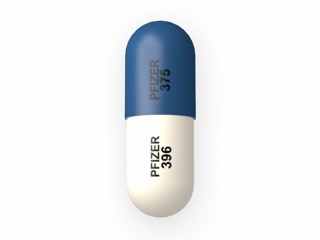


Geodon (Ziprasidone) – Patient-Friendly Guide (UK)
Geodon is a medicine containing ziprasidone. It is used to treat certain mental health conditions. This guide explains how Geodon works, how it is taken, important safety information, and practical tips for daily use. It is written for patients and carers in the United Kingdom and focuses on general information to support informed conversations with a healthcare professional.
Always follow the instructions given by your prescriber and the information in the patient leaflet supplied with your medicine.
Quick product information
| Item | Details |
|---|---|
| Medicine name | Geodon |
| Active ingredient | Ziprasidone |
| Medicinal type | Antipsychotic (atypical) |
| Common forms | Capsules (strengths vary; follow local product packaging) |
| Typical use | Schizophrenia; bipolar disorder (including acute episodes and maintenance in some patients) |
| Special note | Absorption is significantly improved when taken with food |
How Geodon works (mechanism of action)
Ziprasidone belongs to the group of medicines called atypical antipsychotics. It works by affecting several brain chemical pathways (neurotransmitters), particularly:
- Dopamine (D2) receptors: helps reduce symptoms such as hallucinations, delusions, and disorganised thinking.
- Serotonin (5-HT) receptors: influences mood, anxiety-related symptoms, and overall neurotransmitter balance.
- Other serotonin receptor actions: contribute to antipsychotic and mood-stabilising effects.
The combined effects help restore signalling in brain circuits involved in thought, perception, mood, and behaviour.
Pharmacokinetics (how the body handles ziprasidone)
Understanding pharmacokinetics can help patients take the medicine correctly.
Absorption
Ziprasidone is absorbed from the gastrointestinal tract, but food makes a significant difference. Taking it with food generally increases the amount absorbed and helps achieve more reliable blood levels.
Time to peak level
After taking a dose, ziprasidone reaches peak levels in the blood after several hours (exact timing can vary between people).
Distribution
Ziprasidone distributes throughout the body and crosses into the brain to act on target receptors.
Metabolism and elimination
- Ziprasidone is metabolised mainly by the liver.
- It is eliminated from the body through normal clearance processes (including urine and faeces).
Half-life (duration of effect)
Ziprasidone has a dosing interval that typically supports twice-daily use for many indications. Individual schedules may differ.
What Geodon is used for (indications)
In the UK, ziprasidone is used for:
- Schizophrenia in adults (to help control symptoms such as hallucinations, delusions, and disorganised thinking).
- Bipolar disorder in some patients, including episodes of mania and for maintenance in appropriately selected individuals (as outlined in local product information).
Your clinician will decide whether Geodon is suitable based on your symptoms, past treatment response, side-effect risks, and other medicines you take.
When to take Geodon (timing)
Follow the prescribed schedule. For many patients, Geodon is taken twice daily. The exact timing depends on the strength and treatment plan.
Key practical rule:
- Take Geodon with food (this is important for absorption).
- Try to take doses at roughly similar times each day (e.g., morning with breakfast and evening with dinner).
If you miss a dose, do not double up. Ask your pharmacist for advice on what to do in your specific situation.
Food interactions (vitally important)
Ziprasidone absorption is strongly affected by food. Taking it without food may lead to lower blood levels and reduced effect.
General guidance
- Take each dose during or right after a meal (rather than on an empty stomach).
- Keep the routine consistent to help maintain predictable effects.
Diet and meal pattern
There is no special diet required, but irregular meals may affect how well you absorb the medicine. If your appetite is poor or your meal times change, talk to your healthcare professional.
Alcohol and medicine interactions
Alcohol
Alcohol can worsen side effects such as drowsiness, slow reactions, and dizziness. For safety, it is generally advised to limit or avoid alcohol while taking Geodon—especially when you are starting treatment or changing the dose.
Medicine interactions (examples)
Ziprasidone may interact with other medicines, altering either safety (particularly effects on heart rhythm) or effectiveness. Important categories include:
- Medicines that affect heart rhythm (QT prolongation)
Ziprasidone can influence heart electrical activity. Combining it with other drugs that also prolong the QT interval may increase risk of a serious rhythm problem. Examples can include some antiarrhythmics, certain antibiotics (some fluoroquinolones, macrolides), and some antiemetics. Your pharmacist will check your medicines carefully.
- Potassium- or magnesium-lowering medicines
Low potassium or magnesium can increase risk of rhythm problems. Diuretics (“water tablets”) or other agents that affect electrolytes may require monitoring.
- Strong CYP enzyme inhibitors or inducers
Some medicines can affect ziprasidone metabolism. This may change blood levels and side-effect risk.
- Other central nervous system medicines
Combining with sedatives, hypnotics, or other antipsychotics may increase drowsiness and other effects.
Always tell your healthcare professional about:
- All medicines you take (including over-the-counter products).
- Herbal remedies and supplements.
- Any history of heart rhythm problems or fainting episodes.
Typical dosing and how to increase safely
Dose varies depending on the condition being treated, your medical history, kidney/liver function, and how you respond. The patient information for ziprasidone in the UK includes dose ranges and titration approaches that your clinician will follow.
General principles
- Twice daily dosing is commonly used for ziprasidone.
- Start low and increase carefully to reduce side effects and find the lowest effective dose.
- Do not stop suddenly without medical advice.
What the dosing schedule may look like (example template)
Many regimens begin at a lower dose and adjust after several days depending on symptoms and tolerability. Your clinician will specify:
- The exact strength of capsules you should take.
- The times of day.
If you want, you can check your prescribed label for the exact dose and timing.
Safety profile and side effects
Like all medicines, Geodon can cause side effects. Not everyone will experience them. Some effects are more common early in treatment, and many improve with time as your body adjusts.
Common or frequently reported side effects
- Drowsiness or tiredness
- Dizziness
- Nausea
- Headache
- Agitation or restlessness in some people
Important risks to be aware of
-
Heart rhythm changes (QT prolongation)
Ziprasidone can affect the electrical activity of the heart. Risk may be higher if you have existing heart conditions, low potassium/magnesium, or take other QT-prolonging medicines.
Seek urgent medical help if you experience palpitations, fainting, or severe dizziness.
-
Extrapyramidal symptoms (movement-related effects)
These can include tremor, stiffness, slowed movement, restlessness (akathisia), or muscle spasms. Report movement symptoms early, as treatments may be available.
-
Metabolic changes
Some antipsychotics can affect weight, blood sugar, and cholesterol. Your clinician may monitor weight and blood tests depending on your risk factors.
-
Neuroleptic Malignant Syndrome (rare, serious)
Symptoms can include high fever, muscle stiffness, confusion, and sweating. This is an emergency.
-
Tardive dyskinesia (rare, longer-term)
Involuntary movements can develop after long-term use. Regular follow-up is important.
-
Blood pressure changes
Some people experience light-headedness, especially when standing (orthostatic hypotension).
Pregnancy and breastfeeding
If you are pregnant, planning pregnancy, or breastfeeding, discuss with your clinician. The benefits and risks must be weighed for each situation.
Older adults (frailty)
Older people may be more susceptible to side effects such as falls, drowsiness, and blood pressure changes. Careful monitoring may be required.
Practical tips for day-to-day use
- Take it with food every time: This is one of the most important practical steps for effectiveness.
- Use reminders: Phone alarms or a pill organiser can help maintain consistent dosing.
- Stand up slowly: If you feel dizzy, move slowly from lying/sitting to standing.
- Be cautious when driving: If you feel drowsy, avoid driving or operating machinery until you know how you respond.
- Track side effects: Note timing and severity (e.g., when dizziness occurs) and report to your clinician.
- Keep follow-up appointments: Monitoring may include symptom review, weight/metabolic checks, and heart-related assessment when appropriate.
When to contact a healthcare professional urgently
Contact urgent care or emergency services if you experience:
- Fainting, severe dizziness, or palpitations
- High fever with muscle stiffness and confusion
- Signs of severe allergic reaction (swelling of face/lips, breathing difficulties)
- Symptoms suggesting a serious movement disorder (severe stiffness, inability to move normally)
Alternatives to Geodon
There are several other antipsychotics and mood-stabilising options. “Best” treatment depends on your diagnosis, symptoms, prior response, and side-effect concerns.
Possible alternatives (examples)
- Other atypical antipsychotics (e.g., olanzapine, quetiapine, risperidone, aripiprazole, amisulpride) depending on indication.
- Mood stabilisers for bipolar disorder (e.g., lithium, valproate, lamotrigine) sometimes used alongside or instead of antipsychotics, depending on the phase of illness.
- Psychological and social support therapies can be used alongside medication for many patients.
Your healthcare professional can discuss options if Geodon is not suitable due to side effects, interactions, or insufficient symptom control.
UK market and legal context (what to expect)
In the United Kingdom, Geodon (ziprasidone) is a prescription medicine. Availability can vary by supply conditions and local pharmacy stock. The medicine must be supplied according to UK medicines legislation and pharmacy practice.
Important: If you are taking ziprasidone, never switch brands or strengths without medical advice, and always verify you have the correct product for your dose.
Recent guidance and monitoring themes
Across UK clinical practice, routine themes in antipsychotic care include:
- Assessing cardiovascular risk, including QT risk where relevant.
- Monitoring metabolic health (weight, glucose, lipids) when indicated.
- Ongoing evaluation of movement-related side effects and overall tolerability.
- Encouraging shared decision-making and treatment reviews to ensure benefits outweigh risks.
Delivery, availability, and what to do if stock is delayed
Online pharmacy availability can depend on supplier lead times and regional distribution. To help with continuity of care:
- Order as early as possible when you know you are running low.
- Keep a small buffer supply if your clinician agrees it is safe for you.
- If your usual strength is unavailable, the pharmacy may contact you with options, but any change should be consistent with your treatment plan.
Delivery notes: Delivery times vary by location and courier schedules. Most pharmacies provide estimated dispatch/delivery windows at checkout.
If you need urgent medication due to an immediate treatment gap, contact customer support to discuss options.
FAQ – Frequently asked questions
1) What is Geodon used for?
Geodon (ziprasidone) is used to treat schizophrenia and bipolar disorder in appropriate patients, including episodes of mania and—depending on the patient—maintenance treatment.
2) Do I need to take Geodon with food?
Yes. Taking ziprasidone with food is important for absorption and achieving the intended effect. Try to take each dose with a meal or right after eating.
3) What happens if I forget a dose?
If you miss a dose, don’t take an extra dose to make up for it. Instead, follow the advice provided by your pharmacist or in the patient leaflet. If you are unsure, ask for guidance before the next dose.
4) How long does it take to work?
Some symptom relief may occur early, but meaningful improvement can take weeks. Your clinician will monitor progress and side effects to decide whether dose adjustments are needed.
5) Can I drink alcohol while taking Geodon?
It’s generally best to avoid or limit alcohol. Alcohol can worsen drowsiness, dizziness, and judgement, and may increase risks when combined with medicines that affect the brain.
6) What medicines should I avoid?
Because ziprasidone can affect heart rhythm and interacts with other pathways, avoid starting new medicines—including some over-the-counter products or supplements—without checking. Tell your pharmacist about all medicines you take, especially those known to affect heart rhythm or electrolytes.
7) Does Geodon cause weight gain?
Antipsychotics can affect weight. Some people gain weight, while others do not. Your healthcare professional may monitor weight and metabolic markers as appropriate.
8) What side effects are most concerning?
Seek urgent help for fainting, palpitations, severe dizziness, signs of severe allergic reaction, or symptoms of rare but serious conditions such as high fever with muscle stiffness and confusion.
9) Can I drive after taking Geodon?
If Geodon makes you drowsy or affects reaction time, avoid driving and machinery until you know how you respond. Check with your pharmacist if you’re unsure.
10) Are there alternatives if Geodon doesn’t suit me?
Yes. There are other antipsychotics and treatment approaches for schizophrenia and bipolar disorder. Your clinician can discuss options based on your symptoms and side-effect history.
Need more information?
If you have questions about how to take Geodon, interactions with your other medicines, or concerns about side effects, speak to a healthcare professional or your pharmacist. They can help you manage your treatment safely and effectively.