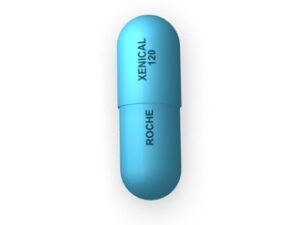
Orlistat (Alli & Xenical) – Patient Information for the UK
Orlistat is a weight-management medicine used in the United Kingdom to help people reduce body fat by preventing part of the dietary fat from being absorbed. It is available in different strengths depending on product brand and licensing status, and it is designed to be used alongside lifestyle changes such as diet and physical activity.
This guide explains how Orlistat works, how to take it, what to expect, and how to use it safely. It also covers food interactions, alcohol and medicine interactions, and practical tips to reduce side effects.
Basic product information
| Information | Details (UK) |
|---|---|
| Active ingredient | Orlistat |
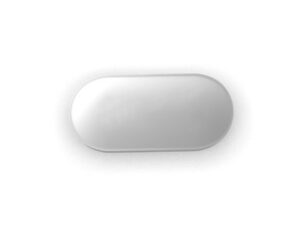
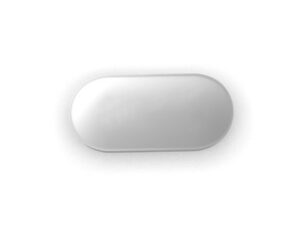
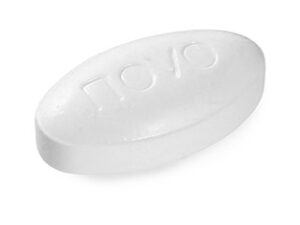
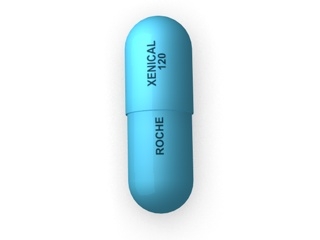
| Common brand examples | Alli (lower strength, OTC) and Xenical (higher strength, depending on product licensing) |
| Where it works | In the gastrointestinal tract (gut), especially in the small intestine |
| Main effect | Reduces absorption of dietary fat |
| Typical use | Weight loss and weight maintenance in combination with calorie-controlled diet |
| What to expect | Changes in bowel habits may occur, particularly if meals contain more fat |
How Orlistat works (mechanism of action)
Orlistat works by blocking enzymes called lipases that normally break down dietary fats in the gut. When these enzymes are inhibited, a portion of the fat you eat is not absorbed and instead passes through the digestive system and leaves the body.
Because it targets fat in the diet, Orlistat is most effective when used with:
- a reduced-calorie eating plan
- lower-fat meals
- regular physical activity
- realistic, sustained lifestyle changes
Pharmacokinetics (what happens in the body)
Orlistat acts mainly within the intestines, so only a small amount is absorbed into the bloodstream.
- Absorption: Minimal systemic absorption.
- Distribution: Very limited due to low absorption.
- Metabolism: Mainly occurs locally in the gut and in part after any small absorbed amount.
- Excretion: Most of the drug and its metabolites are eliminated via faeces.
- Onset of effect: Begins with meals because it works on dietary fat during digestion.
In practical terms, this means many effects and side effects are related to what happens in the gut rather than systemic effects on distant organs.
Typical use and indications (what it’s for)
Orlistat is indicated for weight management in adults and, depending on product licensing, may also be used in certain adolescents under specific criteria.
In the UK, indications generally include:
- Weight loss: for people who are overweight as part of a calorie-controlled diet.
- Weight maintenance: helping reduce the risk of regaining weight after initial weight loss, in combination with diet and activity.
Eligibility is usually based on body weight and health considerations (for example, body mass index—BMI). Your pharmacy or clinician can advise which product strength and plan is appropriate for you.
Dosing in the UK (how to take Orlistat)
Always follow the dosing instructions on the specific product you purchase. Different strengths exist, and the timing is crucial.
General dosing principles
- Take Orlistat with meals. It works on the fat in the meal.
- Take it up to three times a day with each main meal.
- If you miss a meal or your meal contains no fat, you can typically skip that dose.
- Meals should be reasonable for fat content. Very high-fat meals increase the chance of side effects.
Timing with food
The usual approach is to take the capsule during or immediately after each meal. If you take it away from meals, it may not work as effectively because it cannot block the fat digestion process at the right time.
Tip: If your meal schedule is irregular, choose consistent “main meals” and aim to take Orlistat with those.
Food interactions (the most important interaction)
Orlistat’s benefit depends on diet composition—especially fat content. Your side effect risk is also strongly linked to fat intake.
Fat and meal composition
- Higher-fat meals are more likely to cause digestive side effects (e.g., oily spotting, urgent bowel movements).
- Lower-fat meals generally cause fewer symptoms and can improve overall outcomes.
- Aim for a balanced, calorie-controlled diet with a moderate fat intake.
Carbohydrates and protein
Orlistat mainly affects fat digestion. Carbohydrates and protein are generally not the primary drivers of side effects. However, your overall calorie intake still determines weight change.
Alcohol and Orlistat interactions
Orlistat is not known for a direct “dangerous” interaction with alcohol in most people. However, alcohol can affect weight-management progress and may worsen gastrointestinal symptoms.
- Moderation is advised. If you drink alcohol, keep it within recommended limits.
- Watch for gut side effects. Alcohol may aggravate stomach discomfort, diarrhoea, or urgency, especially when combined with fatty foods.
- Consider the total calories. Alcohol contains calories and can undermine a calorie-controlled diet.
If you have gastrointestinal conditions, pancreatitis history, or other medical concerns, seek tailored advice before combining alcohol with Orlistat.
Interactions with other medicines
Orlistat can affect absorption of some nutrients and medicines because it changes fat handling in the gut. Some drugs and supplements may need careful spacing or monitoring.
Fat-soluble vitamins
Since Orlistat reduces fat absorption, it can also reduce absorption of fat-soluble vitamins: A, D, E, and K.
- Consider a multivitamin supplement that contains fat-soluble vitamins.
- Take vitamins at least 2 hours before or after Orlistat (follow product guidance and pharmacy advice).
Other medicine absorption
Some medicines require fat absorption for adequate uptake. It’s important to discuss your current medicines with a pharmacist, especially if you take:
- Warfarin (or other anticoagulants): possible changes in clotting control have been reported. Monitoring may be needed.
- Levothyroxine: thyroid medicine absorption may be altered—spacing may be required.
- Antiepileptics and other chronic therapies: may need review for effectiveness and absorption.
- Cyclosporine: significant interaction concerns exist—close supervision is important.
- Amiodarone (and other specific high-alert medicines): interaction potential may require extra monitoring.
This is not an exhaustive list. Always tell your pharmacist about all medicines, supplements, and herbal products you take, including occasional treatments.
General spacing tip
- For medicines and supplements that you want to absorb well, many people choose a 2-hour spacing from Orlistat unless the pharmacist advises otherwise.
- Check the specific product leaflet and any medicine interaction guidance provided with your treatment.
Safety profile (side effects and warnings)
Like all medicines, Orlistat can cause side effects. Most are related to the digestive system because undigested fat can influence stool characteristics.
Common side effects
- oily spotting from the rectum
- increased number of bowel movements
- urgency to pass stool
- fatty or oily stools
- gas with discharge
- stomach cramps or discomfort
These effects are more likely when meals contain more fat. They often lessen as your diet becomes lower in fat and your body adapts.
Less common but important risks
- Severe or persistent diarrhoea
- Rectal bleeding or severe abdominal pain
- Signs of vitamin deficiency (e.g., unusual fatigue, bruising, bone pain)—particularly if supplements are not used
- Allergic reactions such as rash, swelling, or difficulty breathing
When to seek urgent help
Get urgent medical help if you experience:
- difficulty breathing, facial swelling, or widespread rash
- severe abdominal pain that does not settle
- significant rectal bleeding
- persistent vomiting or dehydration
Practical tips for using Orlistat effectively
Make your meals “Orlistat-friendly”
- Choose meals with less fat (for example: grilled, baked, or steamed options rather than fried foods).
- Plan snacks and meals so they fit your calorie and fat targets.
- Try smaller portions and more frequent balanced meals if that helps you adhere to the plan.
Manage digestive side effects
- Gradually reduce high-fat foods to reduce sudden side effects.
- Consider using protective measures if you’re prone to leakage early on (discuss with your pharmacist).
- Stay hydrated, especially if you have diarrhoea.
- If side effects are severe, talk to a clinician or pharmacist—your diet may need adjustment, and you may need to review medicine compatibility.
Adherence and expectations
Orlistat is not a quick fix. Weight loss typically occurs over weeks to months, alongside dietary change. Some people find that results plateau if diet quality does not improve.
- Track your weight weekly (not daily) and monitor trends.
- Keep a simple food diary to stay mindful of fat intake.
- Combine with regular activity that you can sustain.
Alternative options (for UK customers)
Orlistat is one option for weight management. Depending on your needs, preferences, and medical history, alternatives may include:
- Other OTC weight-management approaches: lifestyle-only plans, appetite-focused supplements, or fibre-based products (effectiveness varies).
- Prescription weight-loss medicines: other pharmacological options may be considered for eligible individuals. A clinician can advise based on suitability and safety.
- Structured weight-management programmes: programmes offering coaching, dietary planning, and activity support can improve long-term results.
- Nutritional strategies: reducing total calories, increasing fibre and protein, and adopting sustainable eating patterns.
If you are not achieving suitable progress with Orlistat, consider discussing alternative strategies rather than simply increasing dose or continuing without dietary improvement.
Market and legal context in the United Kingdom (what to expect)
Weight-management products are regulated by UK medicines legislation, and the availability of Orlistat differs between strengths and brands. In the UK, lower-strength orlistat products are commonly marketed as over-the-counter options (where licensed), while higher-strength versions may be restricted to certain routes of supply depending on current licensing and regulatory decisions.
Availability may also change due to periodic reviews by medicines regulators and updates to product licences. Always choose a product that is clearly labelled for sale in the UK and check the packaging and leaflet for the exact dose and instructions.
Recent guidance note (UK):
- Weight-management advice increasingly emphasises long-term lifestyle change as a core component of treatment.
- Organisations such as NHS services and public health bodies encourage assessment of BMI, underlying health conditions, and appropriate follow-up.
- Medicines use typically includes checking interactions, especially for those on chronic therapies.
Delivery, availability, and what to check before ordering online
Orlistat is often available through online pharmacies in the UK, provided the product is licensed for sale and you meet any eligibility requirements stated by the retailer and medicine licence. Availability can vary by brand and strength.
- Check product strength: Ensure you are buying the intended dose and follow its leaflet.
- Confirm the pack size and dosing schedule: Larger packs may be more cost-effective for longer use.
- Use-by date: Check that the product is not close to its expiry.
- Packaging and integrity: If the packaging appears damaged, do not use the product.
When ordering, reputable pharmacies typically dispatch to UK addresses and provide delivery updates. Delivery times vary by supplier and location, so review the estimated delivery window at checkout.
Note: Availability and product listings can change. If your preferred brand is not available, the pharmacy may offer equivalent licensed alternatives.
FAQ about Orlistat (UK)
1) How quickly will Orlistat start working?
Orlistat works with the fat in the meal you take it with. Side effects and benefits related to fat digestion can begin from the first meal taken with the correct timing.
2) Do I have to take Orlistat with every meal?
It is generally taken with each main meal that contains fat. If you miss a meal or your meal contains no fat, the dose can typically be skipped (follow your specific product leaflet).
3) Will Orlistat cause diarrhoea?
Some people experience looser stools, urgency, or oily spotting, particularly if meals are higher in fat. These effects may improve when you reduce dietary fat and use the medicine correctly with meals.
4) Can I take vitamins while using Orlistat?
Because Orlistat can reduce absorption of fat-soluble vitamins (A, D, E, K), many people choose a multivitamin supplement. Take it separated from Orlistat by at least 2 hours unless the leaflet or pharmacist advises otherwise.
5) Does Orlistat interact with contraceptive pills?
Orlistat is not classically associated with reduced contraceptive effectiveness. However, if you have significant diarrhoea or vomiting, absorption of oral medicines can be reduced in general. If you experience severe gastrointestinal upset, speak to a pharmacist for advice.
6) Can I drink alcohol?
You can generally drink alcohol in moderation, but it may worsen gastrointestinal symptoms and may increase your overall calorie intake. Choose lower-fat foods and keep within recommended alcohol limits.
7) What if I miss a dose?
If you realise you’ve missed a dose, take it with your next appropriate meal. Do not take extra doses to make up for a missed one.
8) Is Orlistat suitable for everyone?
Orlistat may not be suitable for people with certain conditions or those taking specific medicines. Check the product leaflet and talk to a pharmacist if you have:
- ongoing gut problems (e.g., malabsorption conditions)
- severe liver or kidney disease
- use of medicines with known interaction concerns (e.g., warfarin, cyclosporine)
- pregnancy or breastfeeding
9) How long should I use Orlistat?
Weight management is a longer-term effort. Use Orlistat for the duration recommended on the product leaflet, alongside dietary changes and lifestyle support. If you are not seeing progress after a reasonable period, discuss options with a healthcare professional.
10) What should I do if side effects are severe?
If side effects are troublesome, reduce high-fat foods and ensure correct meal timing. If symptoms are severe, persistent, or you have alarming signs (such as severe abdominal pain or rectal bleeding), stop using Orlistat and seek medical advice promptly.
Summary
Orlistat helps with weight management by blocking intestinal fat absorption. It is designed for use with a calorie-controlled, lower-fat diet and may cause gut-related side effects that are more likely after high-fat meals. To use Orlistat safely and effectively, take it with main meals, consider fat-soluble vitamin supplementation with appropriate spacing, and be mindful of interactions with other medicines.
If you have questions about suitability, interactions, or how to manage side effects, a UK pharmacist can help you choose the right approach for your personal health needs.