
Anastrozole (Arimidex® and generics) – Patient-Friendly Guide (UK)
Anastrozole is a medicine used to treat certain hormone‑dependent conditions, most commonly breast cancer. It works by lowering the amount of oestrogen in the body. This guide explains what anastrozole does, how it works, how it is taken, and practical safety information for people in the United Kingdom.
Please note: individual circumstances vary. Always follow the instructions provided with your medicines and consult a healthcare professional if you are unsure.
Quick Overview
| Topic | Key Points |
|---|---|
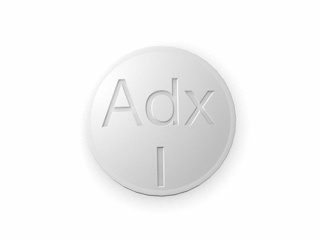
| Medicine | Anastrozole (commonly 1 mg tablets; brand names may include Arimidex®) |
| How it works | Reduces oestrogen production by inhibiting aromatase |
| Typical use | Hormone receptor–positive breast cancer (adjuvant, metastatic, and other settings per specialist plan) |
| How it is taken | Usually once daily at the same time each day |
| Food effects | Can be taken with or without food |
| Alcohol | Moderation is advisable; watch for side effects and interactions |
| Important safety | May reduce bone mineral density; monitoring and bone-protection measures may be recommended |
Basic Product Information
Anastrozole is an aromatase inhibitor. It is designed to lower oestrogen levels, which can help slow or stop the growth of some cancers that use oestrogen to grow.
- Strength: Often available as 1 mg tablets.
- Form: Tablets are the most common presentation.
- Who it may be for: Usually for postmenopausal women or people whose ovaries are no longer producing oestrogen, depending on the treatment plan.
In the UK, anastrozole is widely available, including both branded and generic versions through approved supply channels.
Mechanism of Action (How Anastrozole Works)
Aromatase is an enzyme found in several tissues that helps convert androgens into oestrogens. Anastrozole blocks aromatase, leading to a significant reduction in oestrogen levels.
Many breast cancers have oestrogen receptors (ER+) and may rely on oestrogen to grow. By lowering oestrogen, anastrozole can reduce the chance of recurrence and/or slow disease progression, depending on the stage and the overall treatment plan.
Pharmacokinetics (Absorption, Distribution, Metabolism, Elimination)
Understanding pharmacokinetics helps explain why dosing is typically once daily.
- Absorption: Anastrozole is absorbed from the gut after taking a tablet.
- Peak levels: Blood levels reach a peak within a few hours of a dose (timing can vary between individuals).
- Metabolism: The medicine is primarily metabolised by the liver through common metabolic pathways.
- Elimination: Metabolites are cleared mainly via the kidneys and the rest through the bile/faecal route.
- Half-life: Anastrozole has a relatively long half-life, which supports once‑daily dosing.
If you have liver or kidney problems, your healthcare team may monitor you more closely and advise whether dose adjustments or closer follow-up are needed.
Typical Uses in the UK
In the UK, anastrozole is used in a range of clinical situations involving hormone receptor–positive breast cancer. The exact use depends on factors such as menopausal status, tumour characteristics, prior treatments, and goals of care.
Common indications include:
- Adjuvant treatment of hormone receptor–positive early breast cancer (to reduce risk of recurrence) in appropriate patients.
- Extended adjuvant treatment in some people following initial adjuvant hormonal therapy, as determined by oncology specialists.
- Treatment of advanced or metastatic hormone receptor–positive breast cancer.
- Postmenopausal settings where oestrogen deprivation is part of the management plan.
Eligibility and the best choice of therapy can depend on whether you are truly postmenopausal and on the risk profile of the cancer. Your specialist will guide the course of treatment.
Dose and Timing (How to Take Anastrozole)
For many patients, the usual dose of anastrozole is 1 mg once daily. It is typically taken as a long‑term therapy where appropriate.
Typical dosing
- Standard adult dose: 1 mg by mouth once daily.
- How to take it: Swallow the tablet with water.
- Consistency: Try to take it around the same time each day.
What if you miss a dose?
- If you remember soon after missing, take it when you can.
- If it is nearly time for the next dose, skip the missed dose.
- Do not take a double dose to make up for a missed tablet.
If you miss multiple doses or are unsure what to do, contact your healthcare team or pharmacist for advice.
Food Interactions (Can You Take It with Meals?)
Anastrozole can generally be taken with or without food. Food does not typically require special timing adjustments for absorption.
- Practical approach: Choose a routine that fits your day and helps you remember.
- Stomach comfort: If you experience mild stomach upset, taking the tablet with a meal may help.
Alcohol and Medicine Interactions
Alcohol
There is no specific “absolute” alcohol ban with anastrozole for most people, but alcohol may affect how you feel and may worsen common side effects such as fatigue, dizziness, or mood changes. It is generally sensible to keep alcohol to a moderate level and discuss any concerns with a healthcare professional.
Medicine interactions
Anastrozole can interact with certain medicines due to liver metabolism and effects on hormone pathways. Always tell your healthcare professional about all medicines you take, including:
- Prescription medicines
- Over‑the‑counter products
- Herbal supplements (especially those affecting hormones or liver enzymes)
- Vitamins and minerals
Examples of interaction categories to discuss:
- Hormonal therapies (other endocrine treatments) – may need careful coordination.
- Medicines that affect liver enzymes – may alter anastrozole levels.
- Medicines that affect bone health – relevant because anastrozole can influence bone mineral density.
- Anticoagulants or other long‑term medicines – a pharmacist can check for safety.
If you start any new medicine—especially antibiotics, antifungals, or seizure medicines—check with a pharmacist.
Safety Profile and Side Effects
Like all medicines, anastrozole may cause side effects. Many are manageable and may lessen over time. Some side effects, however, require prompt medical attention.
Common side effects
- Hot flushes
- Joint stiffness or arthralgia (aches and pains)
- Headache
- Fatigue
- Dry skin and/or hair thinning
- Swelling (fluid retention) in some people
- Vaginal dryness or changes in sexual comfort
Bone health and osteoporosis risk
One of the most important long‑term safety considerations with anastrozole is its effect on bone mineral density. Lower oestrogen can lead to thinning of bones (osteopenia/osteoporosis) and increase fracture risk.
- Your healthcare team may arrange bone density scans (DEXA) at intervals.
- They may recommend calcium and vitamin D, weight‑bearing exercise, and/or bone‑protecting medicines for higher‑risk patients.
- Stop smoking and limit alcohol where possible to support bone health.
Seek medical help urgently if you have
- Signs of a severe allergic reaction (e.g. swelling of face/lips, trouble breathing, severe rash)
- Chest pain or sudden breathlessness (especially if accompanied by other concerning symptoms)
- Severe or persistent pain that could signal complications such as fractures
Monitoring that may be recommended
- Bone density
- Lipid profile (cholesterol levels) in some cases
- Blood pressure and general wellbeing
- Liver function tests if there is known liver disease or if clinically indicated
Practical Use Tips (Making Treatment Easier)
- Set a daily reminder: Use a phone alarm or pill organiser to avoid missed doses.
- Manage joint stiffness: Gentle stretching, physiotherapy exercises, regular movement, and warmth (e.g. warm shower) may help. Report persistent pain to your clinician.
- Support bone health: Ensure adequate calcium and vitamin D intake (through diet and/or supplements as advised). Aim for weight‑bearing activities suitable for your health status.
- Address vaginal dryness: Non‑hormonal moisturisers and lubricants can help. Discuss options with your healthcare provider.
- Track side effects: Keeping a brief symptom diary (hot flush frequency, pain levels, mood, sleep) can help your team tailor support.
- Be careful with new supplements: Some herbal products may affect hormones or interact with medicines. Ask before taking them.
Alternative Options (What Could Be Used Instead?)
Alternative therapies depend on your cancer type, stage, menopausal status, previous treatments, and overall health. In many cases, other endocrine options may be considered. Examples (discuss with your specialist) include:
- Other aromatase inhibitors: e.g. letrozole, exemestane (choices depend on clinical scenario and tolerance).
- Selective oestrogen receptor modulators (SERMs): e.g. tamoxifen in appropriate settings.
- Ovarian suppression in premenopausal patients (where applicable), sometimes used alongside other endocrine therapy.
- Other systemic treatments (chemotherapy, targeted therapies, radiotherapy) depending on tumour features.
If you experience side effects with anastrozole, do not stop suddenly without medical advice. Your healthcare professional may adjust the plan, add supportive treatments, or switch therapies if appropriate.
UK Market and Legal/Regulatory Context
In the United Kingdom, medicines are supplied under the Medicines and Healthcare products Regulatory Agency (MHRA) framework, with ongoing monitoring of safety and effectiveness. Anastrozole is a well‑established medicine used widely within the NHS and private healthcare settings.
Supply and availability can vary depending on formulation, strength, and stock levels at the time you order. Reputable UK online pharmacies display clear product information, batch details where required, and follow legal standards for secure supply.
Safety information: Even when medicines are familiar, it is important to use them only for the condition they are intended to treat and to follow dosing instructions from your healthcare professional.
Recent Guidance and Clinical Considerations (What to Expect)
Clinical practice around endocrine therapy evolves as new evidence emerges. In the UK, oncology guidance is typically informed by major clinical bodies and trial data, including recommendations around:
- Bone monitoring and proactive fracture prevention
- Choice of endocrine therapy based on menopausal status and risk of recurrence
- Switching strategies when side effects affect quality of life
- Managing symptoms such as arthralgia and hot flushes with supportive treatments
Your specialist may review treatment regularly to balance benefits and side effects. If you have questions about your treatment duration or monitoring plan, ask your clinician.
Delivery and Availability (UK Online Pharmacy)
Anastrozole is commonly available in the UK as tablets (including generic products). Availability may depend on:
- Stock levels at the supplier/warehouse
- Whether you order branded or generic versions
- Batch and expiry dates
Delivery options typically include tracked services. Dispatch times vary by pharmacy and your location. To make sure you receive your medicine reliably, it helps to order early and avoid running out.
- Storage: Store tablets in a cool, dry place, away from direct sunlight.
- Packaging: Keep in the original container to protect from moisture and for clear labelling.
- Use by date: Do not use after the expiry date.
FAQ: Common Questions About Anastrozole
1) What is anastrozole used for?
Anastrozole is used to treat hormone receptor–positive breast cancer in different stages and settings, such as adjuvant therapy to reduce recurrence risk and treatment of advanced disease. The exact use depends on your clinical situation and menopausal status.
2) How quickly does anastrozole start working?
Oestrogen reduction occurs relatively quickly after taking a dose, but whether it improves outcomes is assessed over weeks to months through follow‑up appointments and monitoring plans.
3) Can I take anastrozole with food?
Yes. Anastrozole can generally be taken with or without food. Taking it with food may help if you experience stomach discomfort.
4) What happens if I stop taking it?
Stopping anastrozole without medical guidance may reduce treatment effectiveness. If you are having problems such as bothersome side effects, speak with your healthcare team—there may be supportive strategies or an alternative treatment.
5) Does anastrozole cause weight gain?
Some people experience changes in weight, appetite, or swelling, but it is not always directly caused by anastrozole. If you notice rapid or concerning weight changes, contact your healthcare professional.
6) Will anastrozole affect my bones?
It can. Lower oestrogen levels may reduce bone mineral density over time. Monitoring with scans and appropriate prevention (calcium/vitamin D, exercise, and sometimes bone‑protecting medicines) may be recommended.
7) Can I drink alcohol while taking anastrozole?
In many cases, moderate alcohol intake may be acceptable. However, alcohol can worsen fatigue or other side effects. If you have concerns or liver disease, discuss alcohol with a pharmacist or clinician.
8) Are there medicines I should avoid?
Some medicines and supplements can interact with anastrozole or affect liver metabolism and hormone balance. Always check with a pharmacist if you start a new medication or supplement.
9) What side effects should I report?
Report significant or persistent symptoms, especially signs of allergic reaction, severe pain, or symptoms that worry you. Also inform your clinician about increasing joint pain, hot flushes, mood changes, or any concerns about bone health.
10) Is anastrozole suitable for everyone?
It is typically used for specific breast cancer types and menopausal status. Your healthcare professional can confirm suitability based on your diagnosis, history, and overall risk profile.
Important Safety Reminder
This information is intended to help you understand anastrozole and how it may fit into care. It does not replace medical advice. If you have questions about your own treatment, side effects, or monitoring schedule, speak with a qualified healthcare professional.