

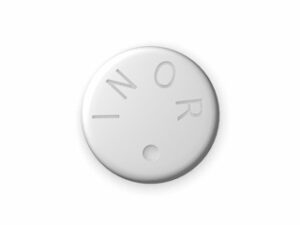
Duphaston (Dydrogesterone) – Patient-Friendly Guide (UK)
Duphaston is a brand of medicine containing dydrogesterone, a man-made form of the hormone progesterone. In the UK, it is used to treat several hormone-related conditions, especially where progesterone support is needed to protect the womb lining and help regulate menstrual symptoms.
This guide explains how Duphaston works, when it is typically used, how to take it, possible side effects and safety considerations, and what to discuss with a healthcare professional.
1) Basic Product Information
| Category | Details |
|---|---|
| Medicine | Duphaston |
| Active ingredient | Dydrogesterone |
| Drug type | Progestogen (synthetic progesterone) |
| Common forms | Oral tablets (strengths vary by product) |
| Availability | Available through pharmacy supply routes in the UK |
| How it is used | Treatment cycles or regular dosing depending on the indication |
2) What Is Dydrogesterone and How Does It Work?
Mechanism of action (how it works): Duphaston contains dydrogesterone, which is designed to act in the body similarly to natural progesterone. Progesterone is important for:
- Preparing and maintaining the uterine lining (endometrium) so it is protected from overgrowth.
- Supporting regular menstrual cycles and hormone balance.
- Reducing symptoms associated with progesterone deficiency or imbalance, such as abnormal uterine bleeding and endometrial instability.
- Maintaining a hormone environment where the endometrium is stabilised when estrogen is present.
Key point: Many progestogen medicines can have additional hormonal effects (e.g., androgenic or estrogenic). Dydrogesterone is commonly described as having a selective progestational effect, meaning it mainly supports progesterone activity with minimal unwanted hormonal actions compared with some other synthetic options.
3) Pharmacokinetics (How the Body Handles the Medicine)
Pharmacokinetics describes what the body does with the medicine—absorption, metabolism, and elimination. While exact values can vary by individual, the general pattern for dydrogesterone is:
- Absorption: Dydrogesterone is absorbed after oral dosing.
- Metabolism: It is metabolised primarily in the liver.
- Active metabolites: The main active metabolite is dihydrodydrogesterone, which contributes to its progesterone-like effects.
- Elimination: Metabolites are mainly removed via the urine.
Practical implication: Because it is metabolised (processed) in the liver and excreted as metabolites, it’s important to follow dose schedules carefully and report any significant liver problems to a healthcare professional.
4) Typical Uses in the UK
Duphaston is used for hormone-related conditions where progesterone support is needed. Indications can vary depending on symptoms and clinical history.
Common indications include:
- Abnormal uterine bleeding related to progesterone imbalance
- Prevention of endometrial overgrowth in women receiving estrogen therapy (to help protect the womb lining)
- Dysmenorrhoea (painful menstruation) in selected cases
- Premenstrual-type symptoms when progesterone support is considered
- Management of cycle irregularity linked to hormone insufficiency
- Cases where progesterone support is required due to specific clinical circumstances (your clinician will confirm the best approach)
Important: The suitability of Duphaston depends on your diagnosis, age, medical history (including migraines, blood clot risk, liver conditions), and whether estrogen is also used.
5) Indications and Individualised Treatment Plans
Although Duphaston is used for several progesterone-related conditions, the dose and duration can differ significantly. In the UK, clinicians typically tailor treatment based on:
- Whether symptoms relate to progesterone deficiency or estrogen-related risks
- Your menstrual pattern (e.g., regular cycles, irregular bleeding)
- Whether you’re using additional hormone therapy
- Any previous uterine lining problems (e.g., endometrial thickening)
- Your risk factors (e.g., liver disease, thromboembolic history)
Always follow the specific schedule provided to you for your situation.
6) How to Take Duphaston (Timing, Dosing, and Practical Tips)
General dosing principles
Duphaston tablets are usually taken by mouth at regular intervals. The exact dose depends on the condition being treated.
Timing tips:
- Take your tablets at the same times each day for consistent hormone levels.
- If you miss a dose, follow your prescriber’s/label instructions (or ask a pharmacist for guidance). In general, avoid doubling doses without advice.
- Use a calendar or phone reminders to support adherence.
Typical dosing patterns (illustrative examples)
Many regimens follow a “cycle” approach (e.g., days of the cycle) for some conditions, or a continuous approach when used with estrogen therapy. Below are examples of the types of schedules commonly encountered; your actual regimen may differ.
| Possible indication | Common dosing pattern (may vary) | Typical timing |
|---|---|---|
| Endometrial protection with estrogen therapy | Often taken in addition to estrogen | Typically for part of the cycle, as advised |
| Irregular bleeding / progesterone support | May involve once or more daily dosing | Often over specific days each cycle |
| Symptoms related to cycle irregularity | May require cycle-based treatment | Usually timed around the luteal phase or as directed |
Because regimens differ: refer to your pharmacy label instructions or the treatment plan discussed with a healthcare professional. If you’re unsure how your schedule works, speak to a pharmacist.
7) Food Interactions and Absorption Considerations
Food interactions: Duphaston can generally be taken with or without food. Food is not typically expected to substantially reduce effectiveness.
Practical tip: If you find tablets upset your stomach, taking them with a light meal or after food may improve comfort. Maintain consistency with how you take it day to day.
8) Alcohol and Medicine Interactions
Alcohol
Moderate alcohol consumption is not usually described as having a specific direct interaction with dydrogesterone. However, alcohol can:
- Worsen dizziness, nausea, or headache (which can also be side effects of hormonal medicines).
- Make it harder to adhere to a strict dosing schedule.
Practical approach: If you drink alcohol, consider limiting intake and prioritising safe, consistent use. If you experience side effects after alcohol, discuss with a pharmacist or clinician.
Other medicines
Some medicines can affect liver enzymes that metabolise hormonal treatments. This can potentially alter hormone levels in the body.
Seek advice before starting new medicines, especially:
- Enzyme inducers (some treatments for epilepsy, certain infections like tuberculosis, and some herbal products)
- Medicines that affect the liver
- Herbal supplements (commonly including St John’s wort)
Always inform a pharmacist about all medicines and supplements you take, including over-the-counter and herbal products.
9) Safety Profile and Side Effects
Like all medicines, Duphaston can cause side effects. Many people tolerate it well, but it’s important to know what to expect and when to seek urgent help.
Common or mild side effects
- Headache
- Nausea or stomach discomfort
- Bloating or breast tenderness
- Changes in bleeding pattern early in treatment
- Mood changes in some individuals
Less common but important side effects
- Allergic reactions (e.g., rash, itching, swelling)
- Liver-related symptoms (unusual tiredness, dark urine, yellowing of skin/eyes)
- Severe or unusual abdominal pain
Seek urgent medical help if you notice:
- Symptoms of a possible blood clot (e.g., sudden shortness of breath, chest pain, coughing blood, one-sided leg swelling/pain, sudden severe headache, or vision changes)
- Signs of severe allergy (swelling of face/lips, difficulty breathing)
- Jaundice or severe liver symptoms
Note: The risk profile depends on personal factors such as age, smoking status, migraine history, and overall cardiovascular risk. A clinician can help balance benefits and risks for your situation.
10) Who Should Take Extra Care?
Discuss Duphaston with a healthcare professional before starting if you have:
- Known or suspected breast cancer or other hormone-dependent conditions
- Liver disease or a history of liver problems
- A history of blood clots (or significant risk factors)
- Unexplained vaginal bleeding that has not been assessed
- Severe migraine (especially if migraines are associated with neurological symptoms)
Pregnancy and breastfeeding: If you are pregnant, planning pregnancy, or breastfeeding, discuss the risks and benefits with a clinician. Guidance may vary by indication and stage.
11) Practical Use Tips (Getting the Best Results)
- Use reminders: Hormone regimens often work best when taken at the same time daily.
- Track symptoms: Note bleeding changes, pain, and other symptoms to help evaluate response.
- Follow cycle instructions: If your regimen is based on days of the menstrual cycle, follow it carefully.
- Don’t stop early: Unless advised—stopping suddenly may affect bleeding patterns or symptom control.
- Keep supplies: Try to ensure you have enough tablets for the treatment cycle to avoid missed doses.
If you experience unexpected bleeding that is heavy, persistent, or concerning, contact a healthcare professional promptly.
12) Alternative Options
Depending on why progesterone support is needed, alternatives may include other progestogens or different hormonal strategies. Options can include:
- Other progesterone/progestogen medicines (different dosing schedules and side effect profiles)
- Combined hormone approaches where estrogen and progestogen are used together (for endometrial protection and cycle control)
- Non-hormonal symptomatic treatments for some menstrual symptoms (where suitable)
- Lifestyle and supportive measures that may help some people with cycle-related symptoms
A pharmacist or clinician can help compare options based on your diagnosis, preferences, and medical history.
13) UK Market and Legal/Regulatory Context
In the UK, medicines like Duphaston are regulated under the Medicines and Healthcare products Regulatory Agency (MHRA) framework, with marketing authorisations and patient safety monitoring. Guidance and availability can change over time based on:
- Authorised product information (e.g., Summary of Product Characteristics/PIL content)
- Safety updates and pharmacovigilance
- Supply and distribution arrangements
Important: UK treatment decisions and medicine choices should reflect the latest authorised information and your individual clinical circumstances.
14) Recent Guidance and Ongoing Clinical Awareness (UK)
Across the UK, hormonal therapies are routinely reviewed for benefit-risk balance, particularly in relation to:
- Vaginal bleeding assessment (unexpected or persistent bleeding should be evaluated)
- Thrombosis awareness and individual risk assessment
- Good prescribing practices (matching the progestogen type and schedule to the indication)
- Liver health monitoring when relevant
If you are currently using Duphaston or considering starting it, it can be helpful to ask your pharmacist what key safety signals to watch for and how your personal risk profile applies.
15) Delivery and Availability in the UK
Duphaston is typically available through UK pharmacy networks. Availability can depend on:
- Strength and pack size
- Supply volumes
- Whether stock is held locally or via distribution
Delivery: Online pharmacies in the UK commonly provide standard and express delivery options. Delivery times can vary by region and courier service. At checkout, the website should show:
- Estimated dispatch time
- Estimated delivery date
- Delivery method and any restrictions
Storage: Follow the instructions on the pack. Keep tablets away from excessive heat, moisture, and out of reach of children.
16) FAQs
1. What is Duphaston used for?
Duphaston (dydrogesterone) is used to treat various progesterone-related hormone conditions. In particular, it can help regulate menstrual symptoms and protect the uterine lining when estrogen therapy is used. The exact indication depends on your personal diagnosis and treatment plan.
2. When should I take Duphaston?
It is usually taken at set times each day as part of a treatment schedule. Some regimens are cycle-based (e.g., specific days of the menstrual cycle). Follow your label instructions and any schedule provided with your medicine.
3. Can I take Duphaston with food?
Yes. Duphaston can generally be taken with or without food. If it upsets your stomach, taking it with a light meal may help.
4. What if I miss a dose?
If you miss a dose, do not take a double dose unless you have been told to. Ask your pharmacist for advice based on your dosing schedule and the number of tablets missed.
5. Does Duphaston interact with alcohol?
There is no well-known direct interaction that makes alcohol unsafe for everyone, but alcohol may increase side effects like nausea or headache and can make it harder to maintain a consistent dosing routine. Consider keeping alcohol moderate and discuss concerns with a pharmacist if needed.
6. Are there drug interactions I should know about?
Yes. Some medicines can affect liver enzymes involved in metabolism. Enzyme-inducing medicines and certain herbal products (e.g., St John’s wort) may change how hormone medicines work. Tell your pharmacist about everything you take.
7. What side effects are most common?
Commonly reported effects include headache, nausea, breast tenderness, bloating, and changes in bleeding pattern. If you develop severe symptoms, signs of allergy, or symptoms suggesting a blood clot, seek urgent medical help.
8. Is Duphaston safe for everyone?
No medicine is suitable for everyone. Extra care is needed if you have certain medical conditions such as liver disease, unexplained vaginal bleeding, hormone-dependent cancers, or a history of blood clots. A clinician or pharmacist can help assess suitability.
9. Is Duphaston the same as progesterone?
Dydrogesterone is a synthetic progestogen designed to act similarly to progesterone. It is not identical to “natural” progesterone but is used for progesterone-like effects in the body.
10. What should I do if my bleeding changes after starting?
Some bleeding pattern changes can occur, especially early in treatment. If bleeding is heavy, persistent, occurs after treatment completion, or is unusual for you, contact a healthcare professional for assessment.
Disclaimer: This information is for general education and does not replace personalised advice. If you have any concerns about your symptoms, safety, or how to take your medicine, please consult a healthcare professional or a pharmacist.